Attorney Client Privilege With Board Of Directors In Texas
Description

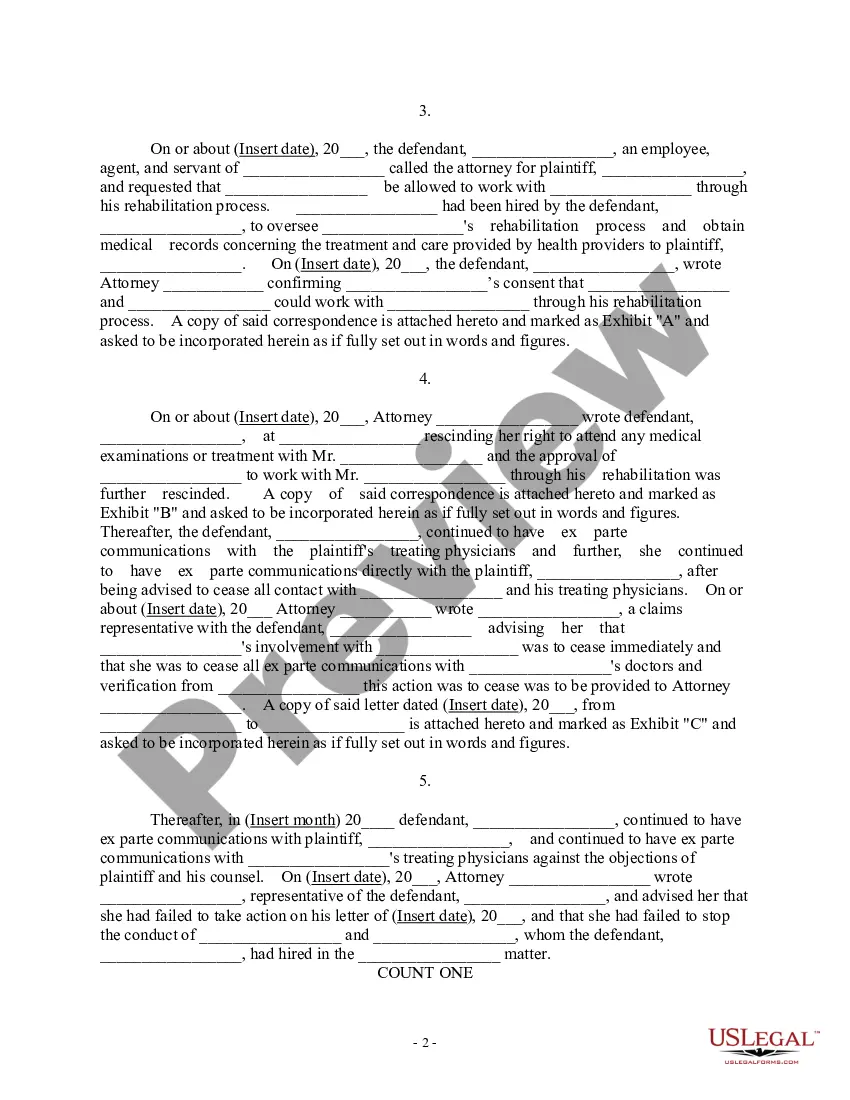
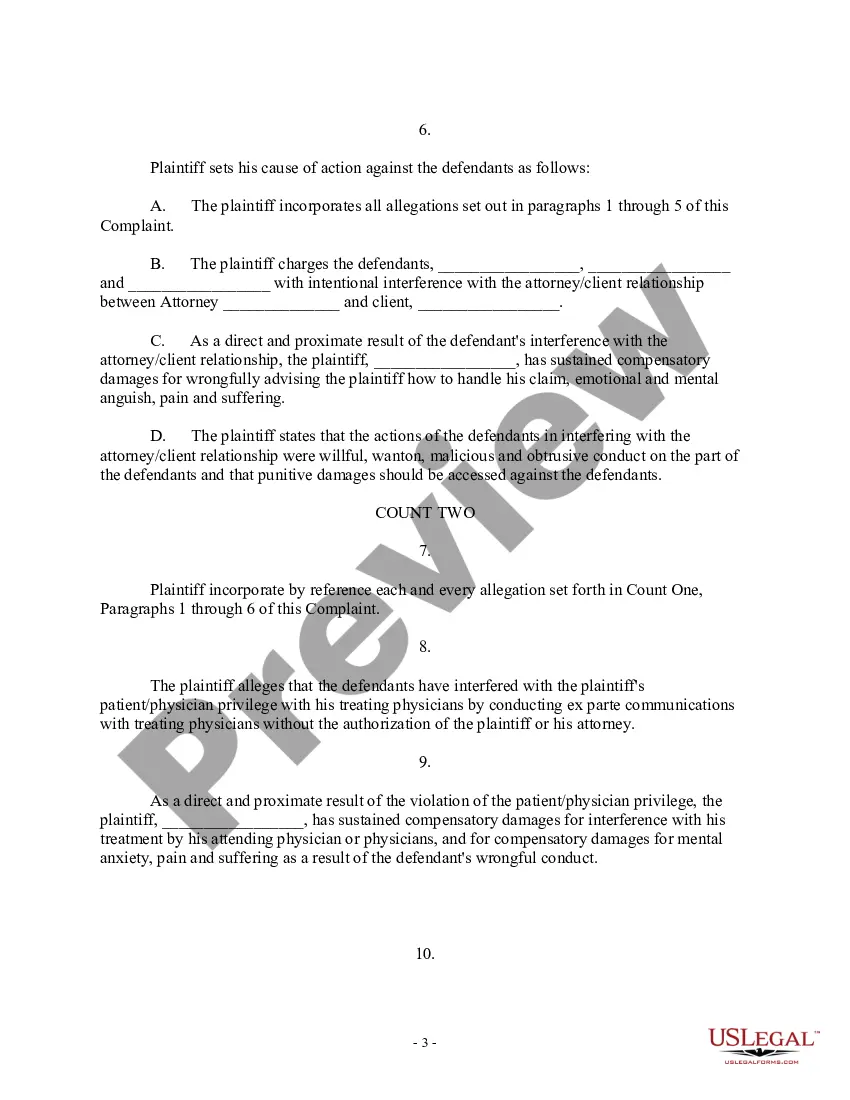
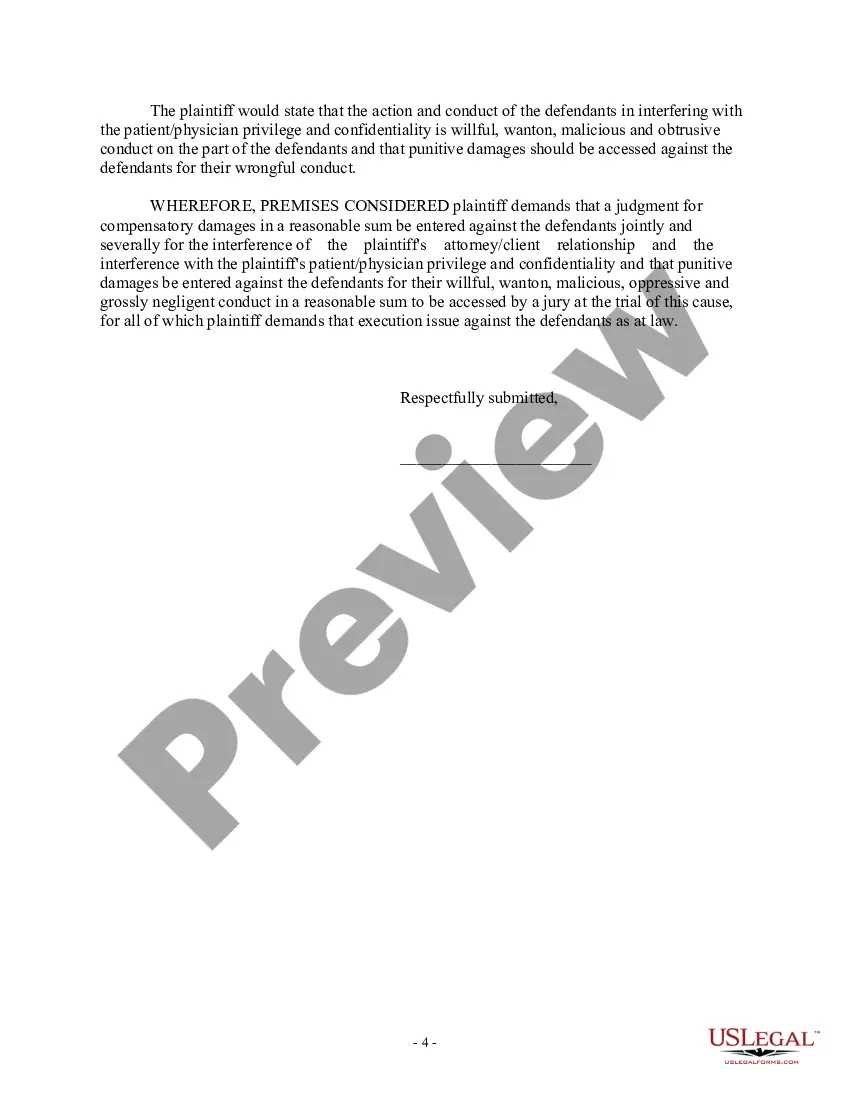

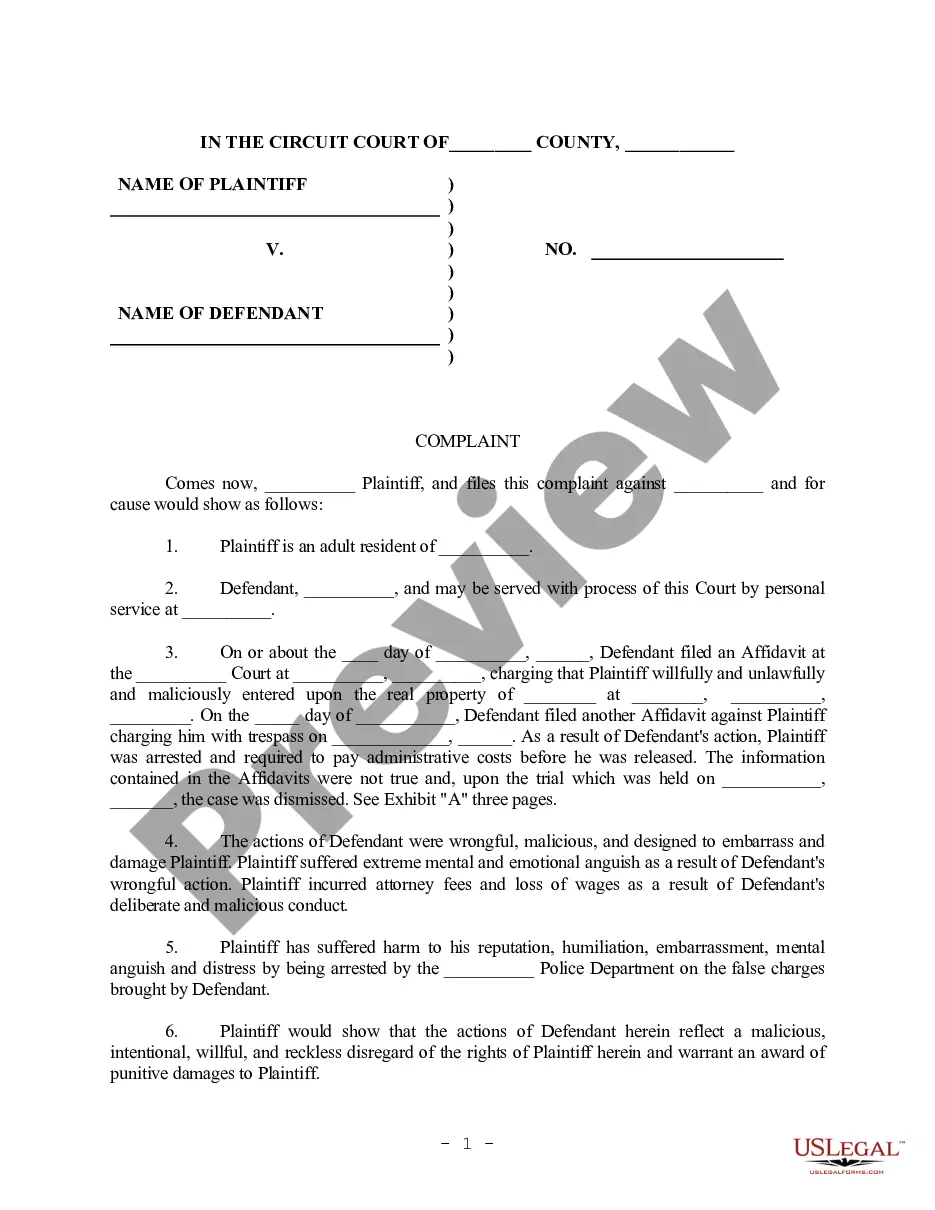
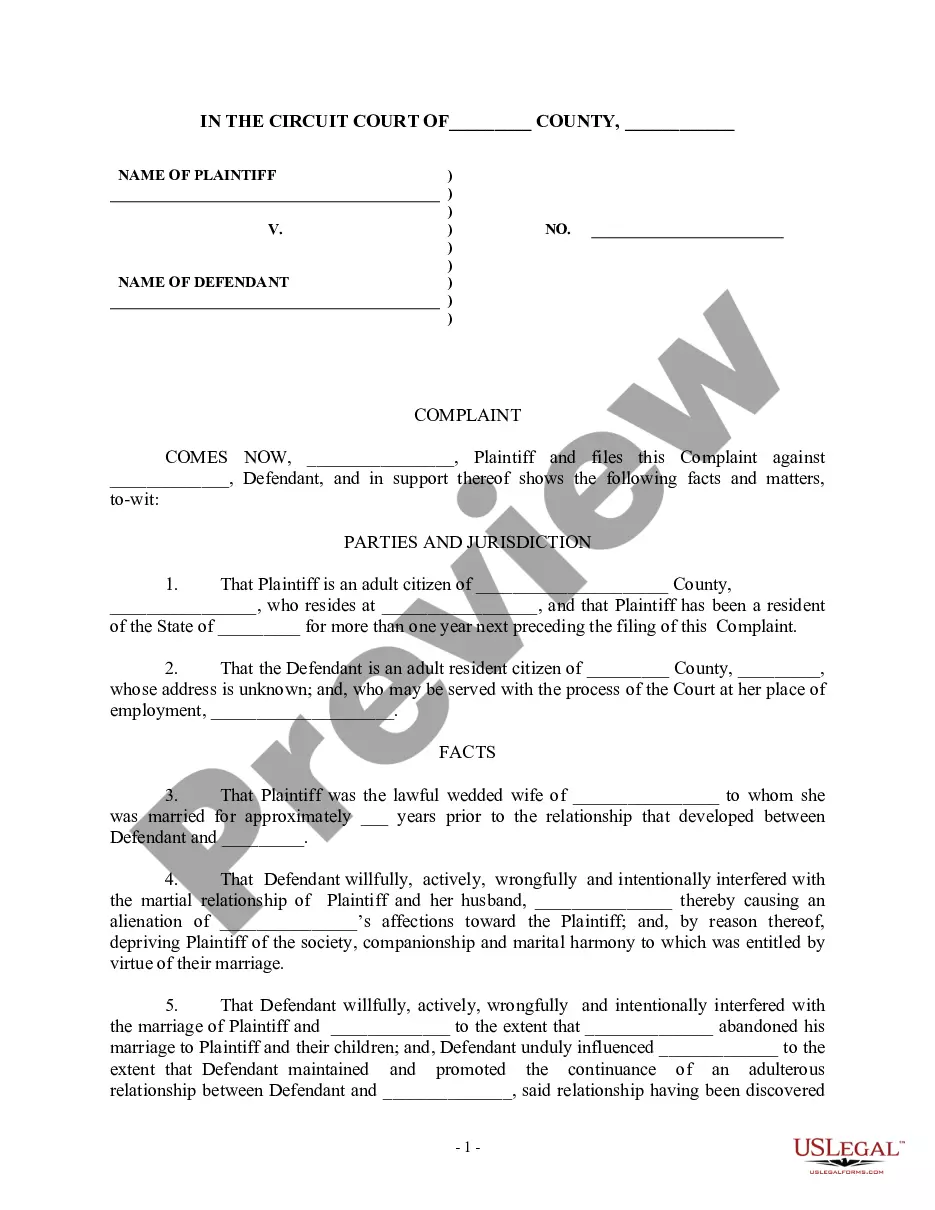

Get your form ready online
Our built-in tools help you complete, sign, share, and store your documents in one place.
Make edits, fill in missing information, and update formatting in US Legal Forms—just like you would in MS Word.
Download a copy, print it, send it by email, or mail it via USPS—whatever works best for your next step.
Sign and collect signatures with our SignNow integration. Send to multiple recipients, set reminders, and more. Go Premium to unlock E-Sign.
If this form requires notarization, complete it online through a secure video call—no need to meet a notary in person or wait for an appointment.
We protect your documents and personal data by following strict security and privacy standards.

Make edits, fill in missing information, and update formatting in US Legal Forms—just like you would in MS Word.

Download a copy, print it, send it by email, or mail it via USPS—whatever works best for your next step.

Sign and collect signatures with our SignNow integration. Send to multiple recipients, set reminders, and more. Go Premium to unlock E-Sign.

If this form requires notarization, complete it online through a secure video call—no need to meet a notary in person or wait for an appointment.

We protect your documents and personal data by following strict security and privacy standards.
Looking for another form?








Form popularity
FAQ
Exceptions include communications relating to the death of a client or disputes between the lawyer and client, among others. Clients should be very hesitant to reveal privileged information and should almost always consult an attorney before doing so.
The offensive-use doctrine waives privilege when the party requesting discovery establishes: (1) the party asserting the privilege seeks affirmative relief; (2) the privileged material is such that, if believed by the trier of fact, in all probability would be outcome determinative; and (3) disclosure of the material ...
In representing a client, a lawyer shall not communicate about the subject of the representation with a person the lawyer knows to be represented by another lawyer in the matter, unless the lawyer has the consent of the other lawyer or is authorized to do so by law or a court order.
Some states have enacted a non-evidentiary accountant–client privilege. For example, Texas has a privilege rule that requires that a certified public accountant (CPA) not voluntarily disclose information communicated to the CPA by a client in connection with the engagement without the client's permission.
The common interest doctrine allows independently represented parties with a common legal interest to share information with each other without waiving the attorney-client privilege if a joint defense effort, or strategy, has been decided upon.
In Texas, most insurance policies include permissive use clauses, meaning the vehicle is covered when driven by someone other than the owner, as long as the owner gives permission. However, if the driver was using the vehicle without permission, they could be personally responsible for all damages.
There are also various circumstances under which privileged communication can be waived, either deliberately or unintentionally. Commonly cited relationships where privileged communication exists are those between attorney and client, doctor–or therapist–and patient, and priest and parishioner.
The "law of the case" doctrine is defined as that principle under which questions of law decided on appeal to a court of last resort will govern the case throughout its subsequent stages. Trevino v. Turcotte, 564 S.W. 2d 682, 685 (Tex.