Lawyer With Client In Suffolk
Description


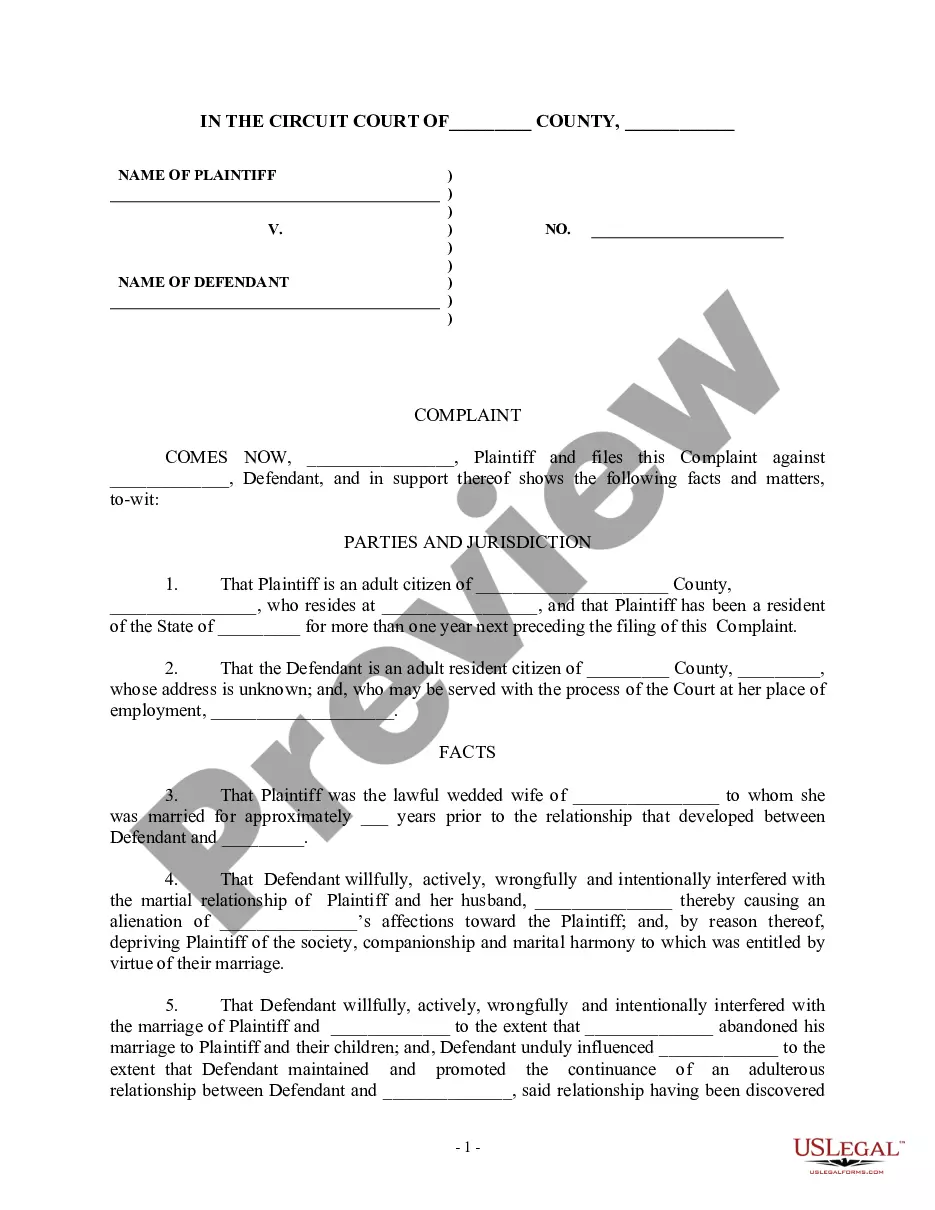

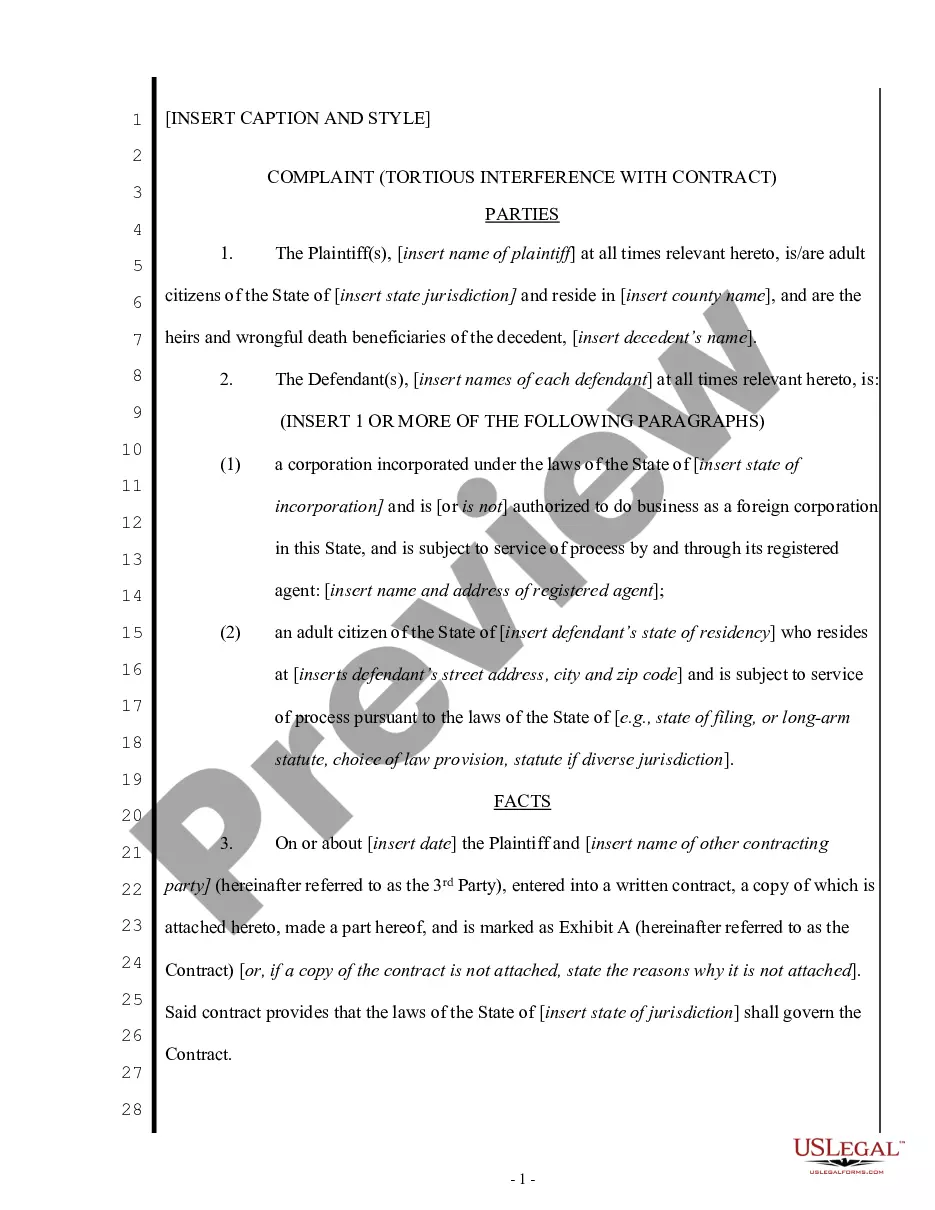
Get your form ready online
Our built-in tools help you complete, sign, share, and store your documents in one place.
Make edits, fill in missing information, and update formatting in US Legal Forms—just like you would in MS Word.
Download a copy, print it, send it by email, or mail it via USPS—whatever works best for your next step.
Sign and collect signatures with our SignNow integration. Send to multiple recipients, set reminders, and more. Go Premium to unlock E-Sign.
If this form requires notarization, complete it online through a secure video call—no need to meet a notary in person or wait for an appointment.
We protect your documents and personal data by following strict security and privacy standards.

Make edits, fill in missing information, and update formatting in US Legal Forms—just like you would in MS Word.

Download a copy, print it, send it by email, or mail it via USPS—whatever works best for your next step.

Sign and collect signatures with our SignNow integration. Send to multiple recipients, set reminders, and more. Go Premium to unlock E-Sign.

If this form requires notarization, complete it online through a secure video call—no need to meet a notary in person or wait for an appointment.

We protect your documents and personal data by following strict security and privacy standards.
Looking for another form?







Form popularity
FAQ
The attorney-client privilege preserves the confidentiality of communications between lawyers and their clients. The privilege protects individuals and institutions.
You are entitled to an attorney who will be capable of handling your case; show you courtesy and consideration at all times; represent you zealously; and preserve your confidences and secrets that you reveal in the course of the relationship, to the extent permitted by law.
Within our legal practice, we hold the autonomy to accept or refuse client representation. This decision is often guided by numerous crucial considerations pertaining to our ethical and professional obligations, potential conflicts of interest, and the substantive evaluation of the cases presented before us.
No matter how the attorney-client privilege is articulated, there are four basic elements necessary to establish its existence: (1) a communication; (2) made between privileged persons; (3) in confidence; (4) for the purpose of seeking, obtaining or providing legal assistance to the client.
Steps Address an attorney as "Mr." or "Ms." in most contexts. Use the courtesy title "Esquire" when writing concerning a legal matter. Try "Attorney at Law" as an alternative to "Esquire." If using the courtesy title "Esquire" feels stuffy to you, "Attorney at Law" also conveys the same level of honor and respect.
Except as otherwise provided by law in a criminal case, the lawyer shall abide by the client's decision, after consultation with the lawyer, as to a plea to be entered, whether to waive jury trial and whether the client will testify.
How Do People Find Lawyers in 2022? 64% of respondents said they would search on Google, with many already set on finding personal injury or accident attorneys in their area on the #1 search engine. 30% indicated that they would turn to a friend, family member, or coworker to recommend a good attorney to them.
In the overcrowded conditions of most courthouses, attorneys can be seen meeting with their clients in public-waiting areas, the cafeteria, the law library, in the back of courtrooms, in telephone booths, or any place that is available.
byState Analysis: Where Are Lawyers Most in Demand? California. As the state ranking first in terms of job openings, California offers over 87,000 job vacancies in the legal field, dwarfing many other states. New York. Florida. Texas. Illinois. Pennsylvania. New Jersey. Massachusetts.
A legal consultation is the initial meeting between a potential lawyer and client. These meetings allow the client to discuss their case with an attorney. Then, the attorney can give an overview of their recommended course of action.