Attorney Sleeping With Client In Suffolk
Description

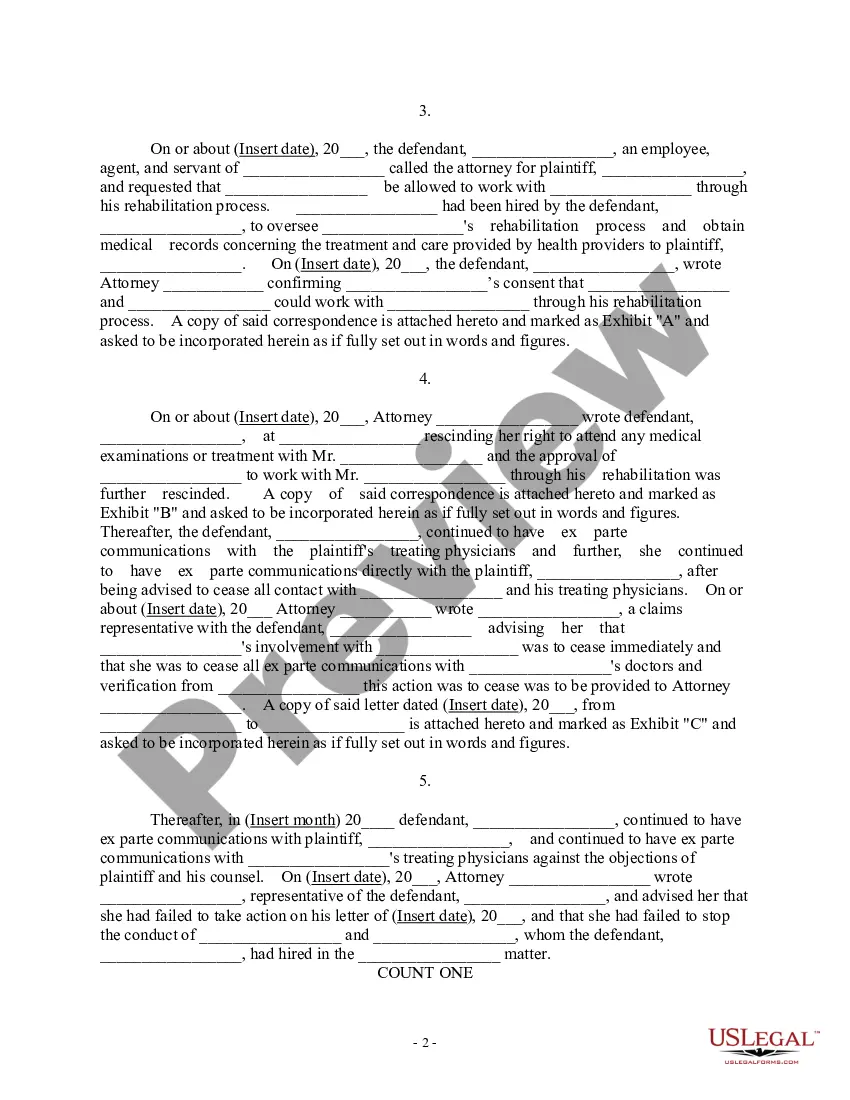
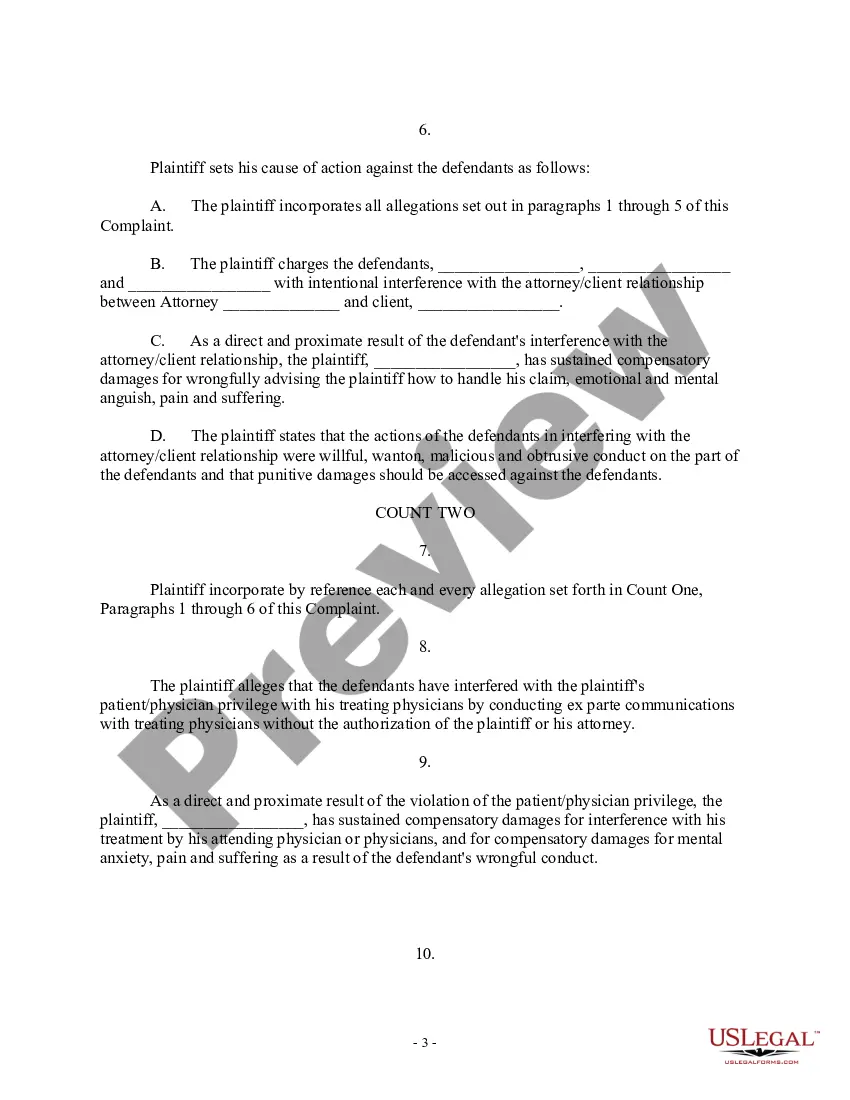
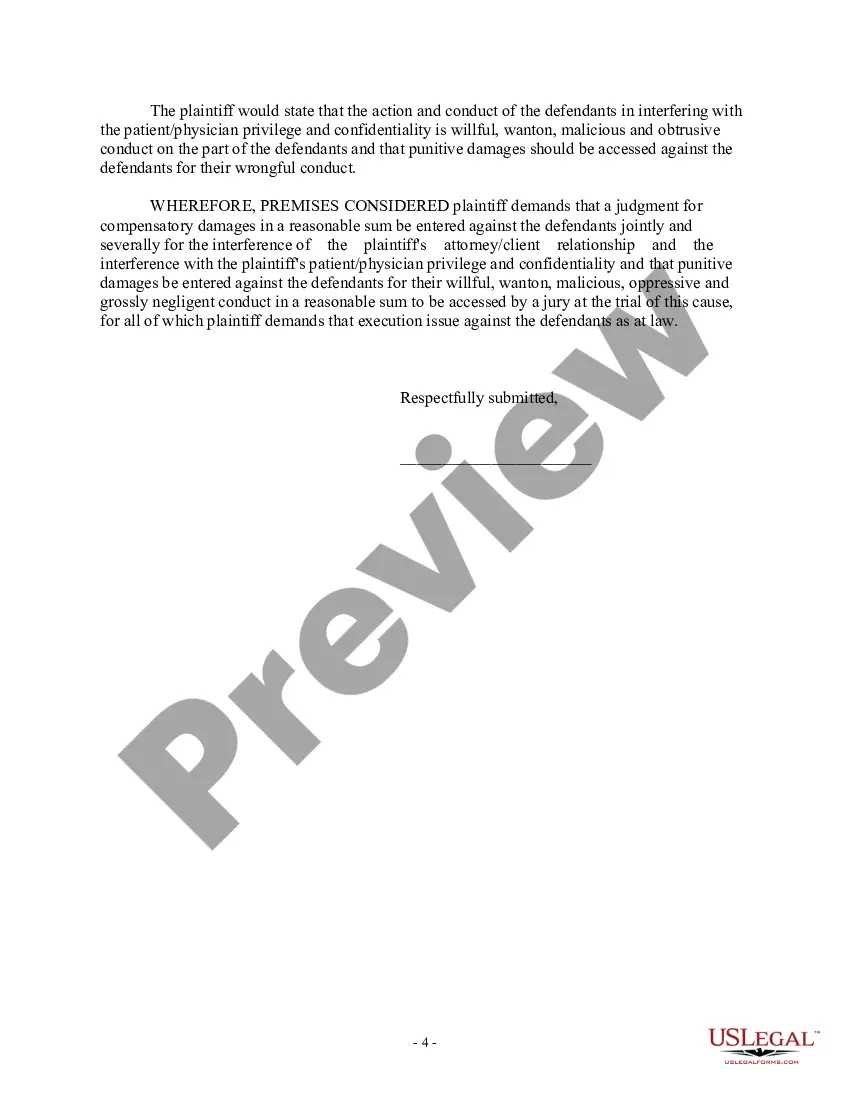

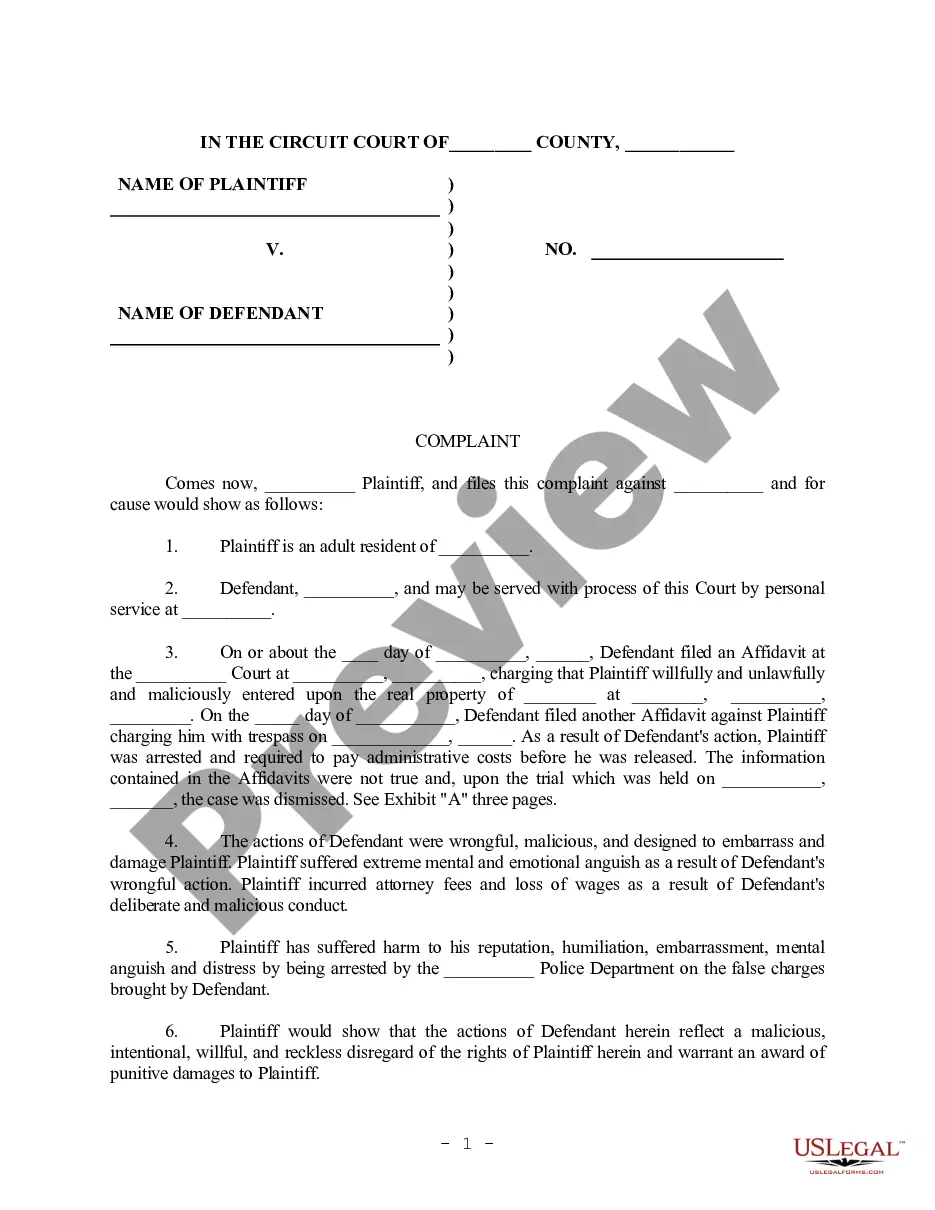

Get your form ready online
Our built-in tools help you complete, sign, share, and store your documents in one place.
Make edits, fill in missing information, and update formatting in US Legal Forms—just like you would in MS Word.
Download a copy, print it, send it by email, or mail it via USPS—whatever works best for your next step.
Sign and collect signatures with our SignNow integration. Send to multiple recipients, set reminders, and more. Go Premium to unlock E-Sign.
If this form requires notarization, complete it online through a secure video call—no need to meet a notary in person or wait for an appointment.
We protect your documents and personal data by following strict security and privacy standards.

Make edits, fill in missing information, and update formatting in US Legal Forms—just like you would in MS Word.

Download a copy, print it, send it by email, or mail it via USPS—whatever works best for your next step.

Sign and collect signatures with our SignNow integration. Send to multiple recipients, set reminders, and more. Go Premium to unlock E-Sign.

If this form requires notarization, complete it online through a secure video call—no need to meet a notary in person or wait for an appointment.

We protect your documents and personal data by following strict security and privacy standards.
Looking for another form?









Form popularity
FAQ
The new law enables a principal to modify the standard POA form to authorize the principal to make gifts over $5,000 in a single year. The new law also allows a principal to make gifts to himself or herself, or to make other gift transactions and changes to interests in the principal's property.
Rule 3.7(b)(1) presumptively prohibits a lawyer from acting as advocate before a tribunal if “another lawyer in the lawyer's firm is likely to be called as a witness on a significant issue other than on behalf of the client, and it is apparent that the testimony may be prejudicial to the client.” Perhaps Rule 3.7(b)(1) ...
This is the rule that, generally speaking, forbids a lawyer from communicating directly with another lawyer's client concerning matters relating to the subject of the representation.
In representing a client, a lawyer shall not communicate about the subject of the representation with a person the lawyer knows to be represented by another lawyer in the matter, unless the lawyer has the consent of the other lawyer or is authorized to do so by law or a court order.
Breach of Professional Ethics: Most legal systems and bar associations have strict rules about maintaining professional boundaries. Engaging in a sexual relationship with a client can lead to disciplinary action against the lawyer, including disbarment.
(b) Except as stated in paragraph (d), a lawyer shall withdraw from the representation of a client when: (1) the lawyer knows or reasonably should know that the representation will result in a violation of these Rules or of law; (2) the lawyer's physical or mental condition materially impairs the lawyer's ability to ...
The American Bar Association's Model Rules of Professional Responsibility prohibit such affairs between a lawyer and his clients. There's always an exception under the law, however. That's if the client was the lawyer's sexual partner before the client became a client.
If the persuasion is ineffective, the lawyer must take reasonable remedial measures. Except in the defense of a criminal accused, the rule generally recognized is that, if necessary to rectify the situation, an advocate must disclose the existence of the client's deception to the court or to the other party.
Attorney misconduct may include: conflict of interest, overbilling, false or misleading statements, knowingly pursuing frivolous and meritless lawsuits, concealing evidence, abandoning a client, failing to disclose all relevant facts, arguing a position while neglecting to disclose prior law which might counter the ...
Under California law, you have the right to terminate your attorney-client relationship if you are dissatisfied with your attorney's performance.