Attorney Fund For Client Protection In Suffolk
Description





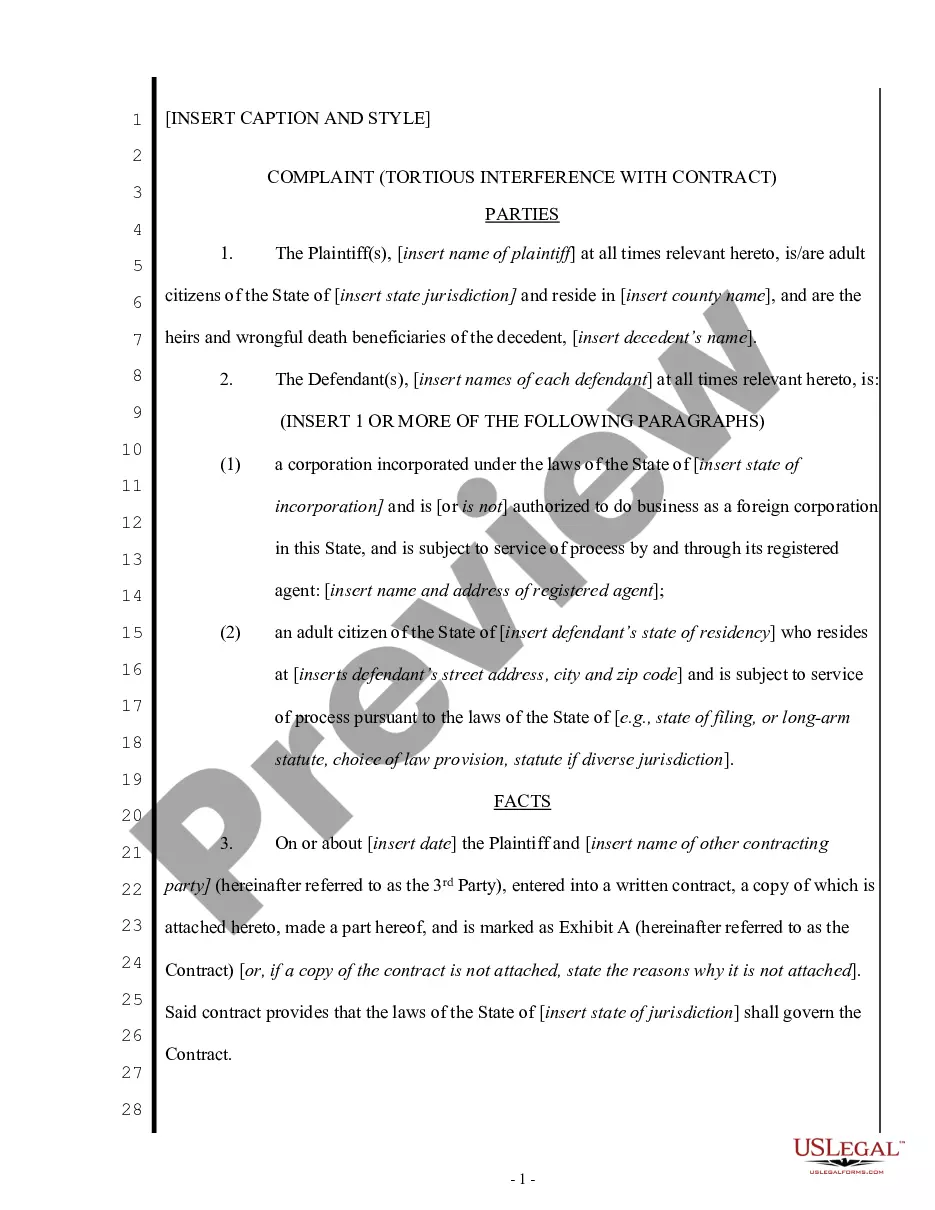
Get your form ready online
Our built-in tools help you complete, sign, share, and store your documents in one place.
Make edits, fill in missing information, and update formatting in US Legal Forms—just like you would in MS Word.
Download a copy, print it, send it by email, or mail it via USPS—whatever works best for your next step.
Sign and collect signatures with our SignNow integration. Send to multiple recipients, set reminders, and more. Go Premium to unlock E-Sign.
If this form requires notarization, complete it online through a secure video call—no need to meet a notary in person or wait for an appointment.
We protect your documents and personal data by following strict security and privacy standards.

Make edits, fill in missing information, and update formatting in US Legal Forms—just like you would in MS Word.

Download a copy, print it, send it by email, or mail it via USPS—whatever works best for your next step.

Sign and collect signatures with our SignNow integration. Send to multiple recipients, set reminders, and more. Go Premium to unlock E-Sign.

If this form requires notarization, complete it online through a secure video call—no need to meet a notary in person or wait for an appointment.

We protect your documents and personal data by following strict security and privacy standards.
Looking for another form?










Form popularity
FAQ
Crime or Fraud Exception. If a client seeks advice from an attorney to assist with the furtherance of a crime or fraud or the post-commission concealment of the crime or fraud, then the communication is not privileged.
The attorney-client privilege preserves the confidentiality of communications between lawyers and their clients. The privilege protects individuals and institutions.
Whose Burden is it to Prove a Communication is Privileged? The party asserting the attorney-client privilege must prove that the communication in question meets the standard to be protected and that no waiver of the privilege was made.
It prevents a lawyer from being compelled to testify against his/her client. The purpose underlying this privilege is to ensure that clients receive accurate and competent legal advice by encouraging full disclosure to their lawyer without fear that the information will be revealed to others.
As advisor, a lawyer provides a client with an informed understanding of the client's legal rights and obligations and explains their practical implications. As advocate, a lawyer zealously asserts the client's position under the rules of the adversary system.
All you would need to do is notify your current attorney that you would like to terminate services, ask for a detailed final bill, and have your retainer balance returned.
Undisclosed conflicts of interest are also unethical, as are any illegal or unscrupulous activities, such as suppression of evidence or misleading statements made to courts.
Personal Opinions or Bias: Do not share personal opinions or biases that aren't relevant to the legal advice or the case. The focus should be on legal counsel, not personal beliefs. Inappropriate Jokes or Comments: Avoid making jokes or comments that could be seen as unprofessional, insensitive, or offensive.
Lawyer fears may be described in a variety of ways, but most (or all) are ultimately the fear of mistakes. We don't want to appear foolish or incompetent, and we certainly don't want to cause a bad outcome.
Most clients' primary complaint about law firms and lawyers is a lack of communication. They often feel uninformed about the progress of their case, leaving them in the dark.