Attorney Sleeping With Client In San Bernardino
Description


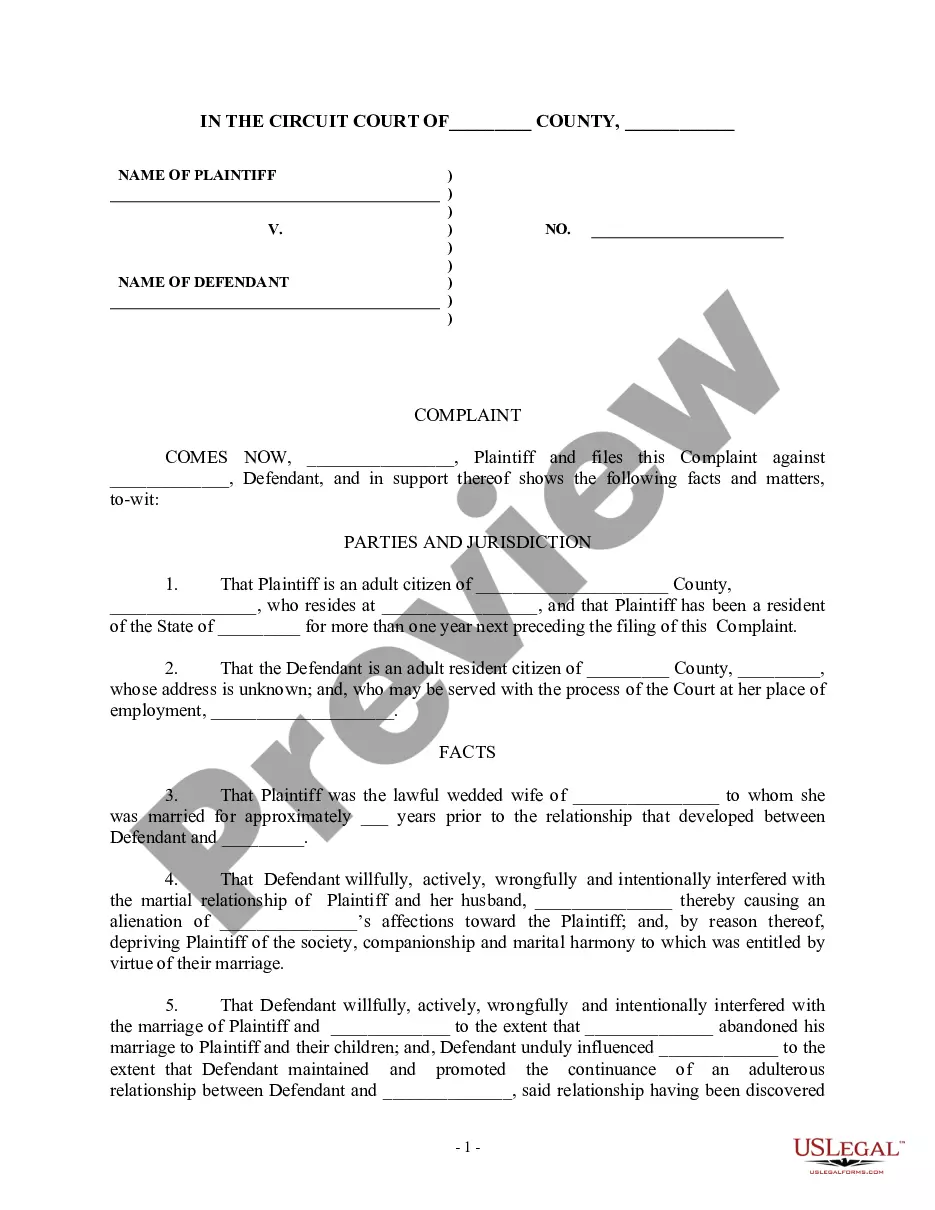

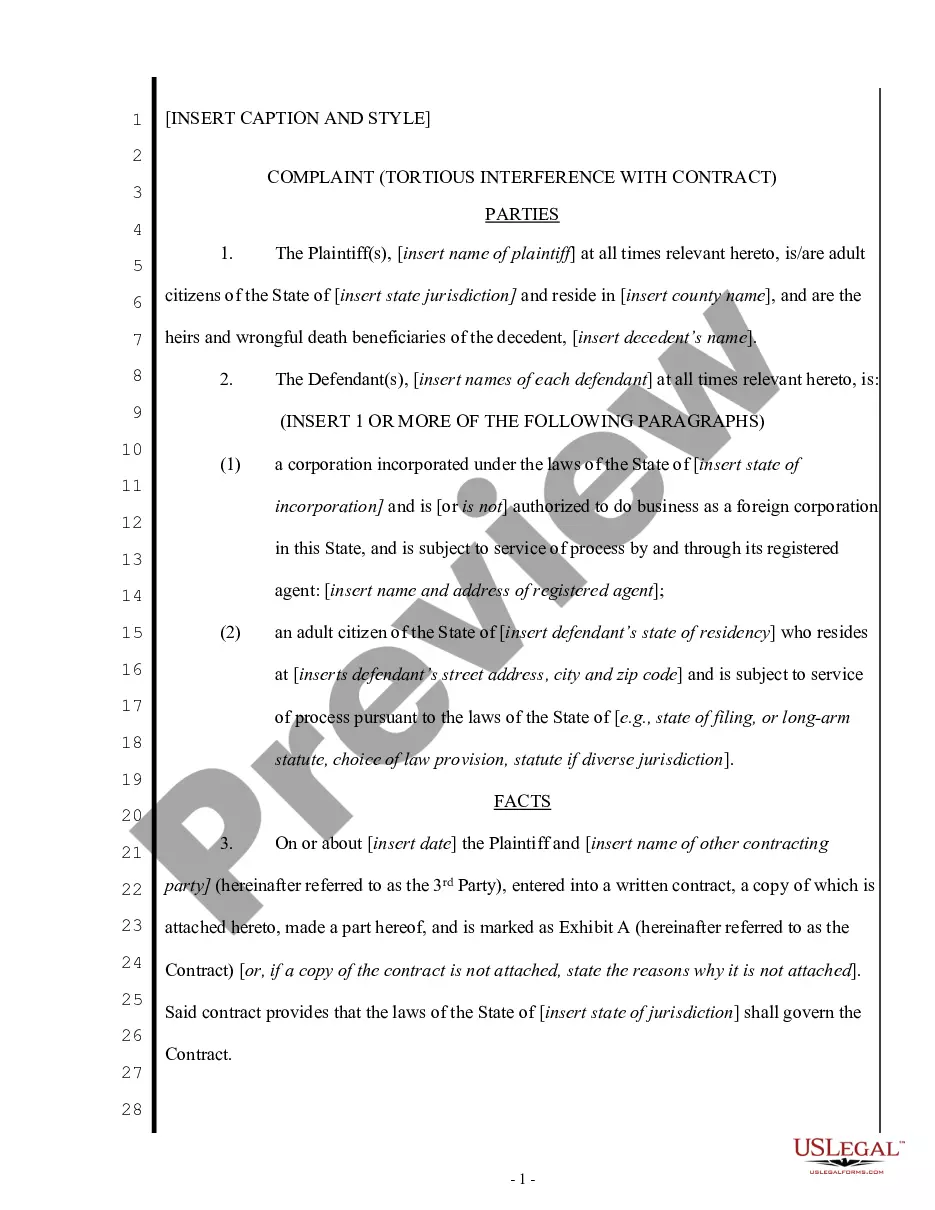
Get your form ready online
Our built-in tools help you complete, sign, share, and store your documents in one place.
Make edits, fill in missing information, and update formatting in US Legal Forms—just like you would in MS Word.
Download a copy, print it, send it by email, or mail it via USPS—whatever works best for your next step.
Sign and collect signatures with our SignNow integration. Send to multiple recipients, set reminders, and more. Go Premium to unlock E-Sign.
If this form requires notarization, complete it online through a secure video call—no need to meet a notary in person or wait for an appointment.
We protect your documents and personal data by following strict security and privacy standards.

Make edits, fill in missing information, and update formatting in US Legal Forms—just like you would in MS Word.

Download a copy, print it, send it by email, or mail it via USPS—whatever works best for your next step.

Sign and collect signatures with our SignNow integration. Send to multiple recipients, set reminders, and more. Go Premium to unlock E-Sign.

If this form requires notarization, complete it online through a secure video call—no need to meet a notary in person or wait for an appointment.

We protect your documents and personal data by following strict security and privacy standards.
Looking for another form?










Form popularity
FAQ
Rule 4.1 Truthfulness in Statements to Others (b) fail to disclose a material fact to a third person when disclosure is necessary to avoid assisting a criminal or fraudulent act by a client, unless disclosure is prohibited by Business and Professions Code section 6068, subdivision (e)(1) or rule 1.6.
If the persuasion is ineffective, the lawyer must take reasonable remedial measures. Except in the defense of a criminal accused, the rule generally recognized is that, if necessary to rectify the situation, an advocate must disclose the existence of the client's deception to the court or to the other party.
In most jurisdictions, ethical rules explicitly prohibit lawyers from engaging in sexual relationships with clients. This prohibition is based on several key reasons: Conflict of Interest: A romantic or sexual relationship can create a significant conflict of interest.
A lawyer can face consequences for lying, especially if the lie results in substantial financial harm to their client. However, a lawyer's dishonesty doesn't automatically equate to malpractice. It depends on whether their misconduct led directly to a negative outcome in your case.
Professional Ethics: Most legal ethical codes strongly discourage or outright prohibit lawyers from engaging in romantic relationships with clients during representation. This is to maintain professional boundaries and ensure that the lawyer-client relationship is based solely on the client's legal needs.
Lawyer's first option is to talk to Client in confidence to explain the problems with her conduct and urge her to rectify the problem. As described in the comment to Rule 3.3, the lawyer "is to remonstrate with the client confidentially." So yes, you are permitted to remonstrate with your client.
If the persuasion is ineffective, the lawyer must take reasonable remedial measures. Except in the defense of a criminal accused, the rule generally recognized is that, if necessary to rectify the situation, an advocate must disclose the existence of the client's deception to the court or to the other party.
Attorney misconduct may include: conflict of interest, overbilling, false or misleading statements, knowingly pursuing frivolous and meritless lawsuits, concealing evidence, abandoning a client, failing to disclose all relevant facts, arguing a position while neglecting to disclose prior law which might counter the ...
In most jurisdictions, ethical rules explicitly prohibit lawyers from engaging in sexual relationships with clients. This prohibition is based on several key reasons: Conflict of Interest: A romantic or sexual relationship can create a significant conflict of interest.
Breach of Professional Ethics: Most legal systems and bar associations have strict rules about maintaining professional boundaries. Engaging in a sexual relationship with a client can lead to disciplinary action against the lawyer, including disbarment.