Lawyer With Client In Sacramento
Description

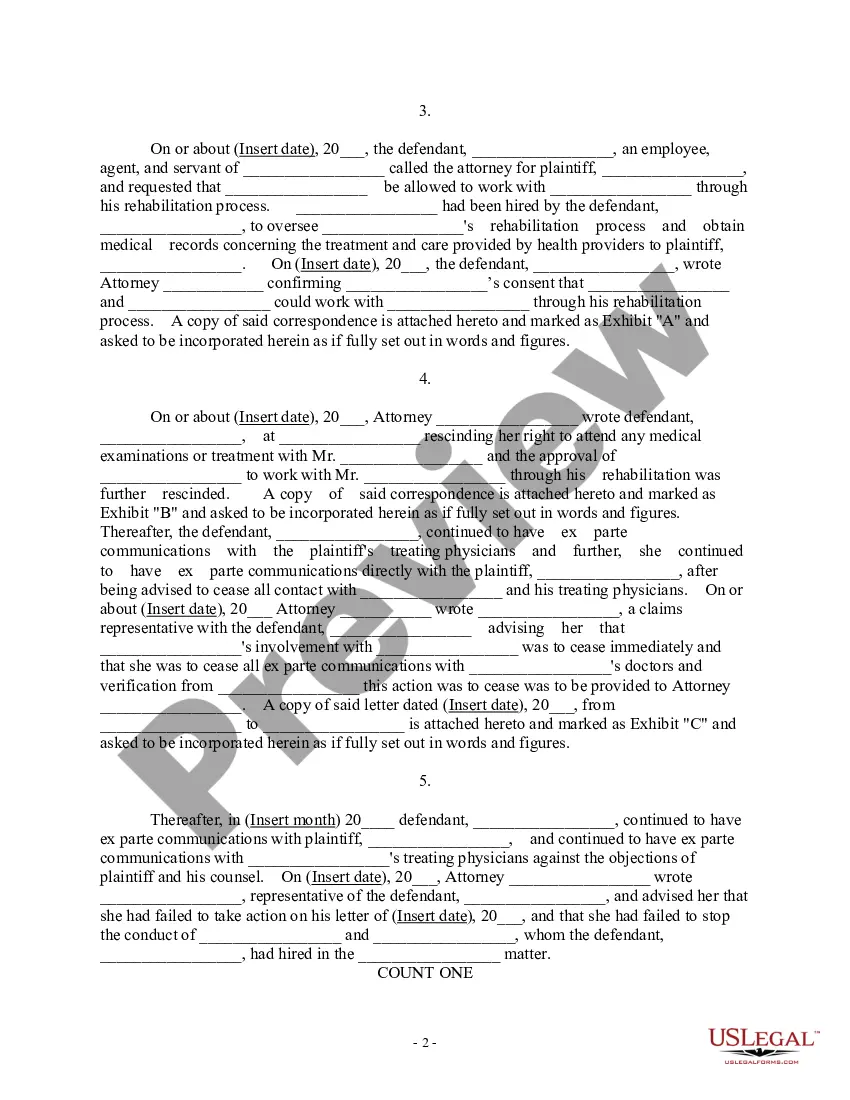
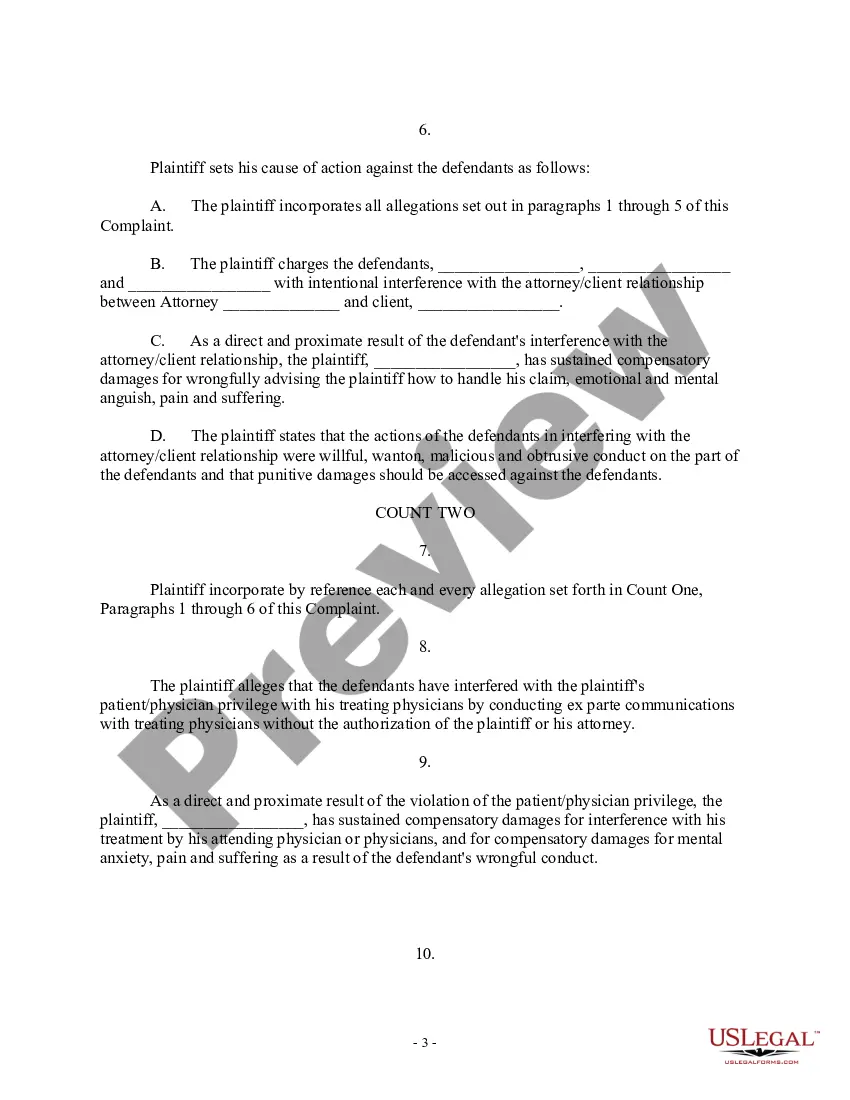
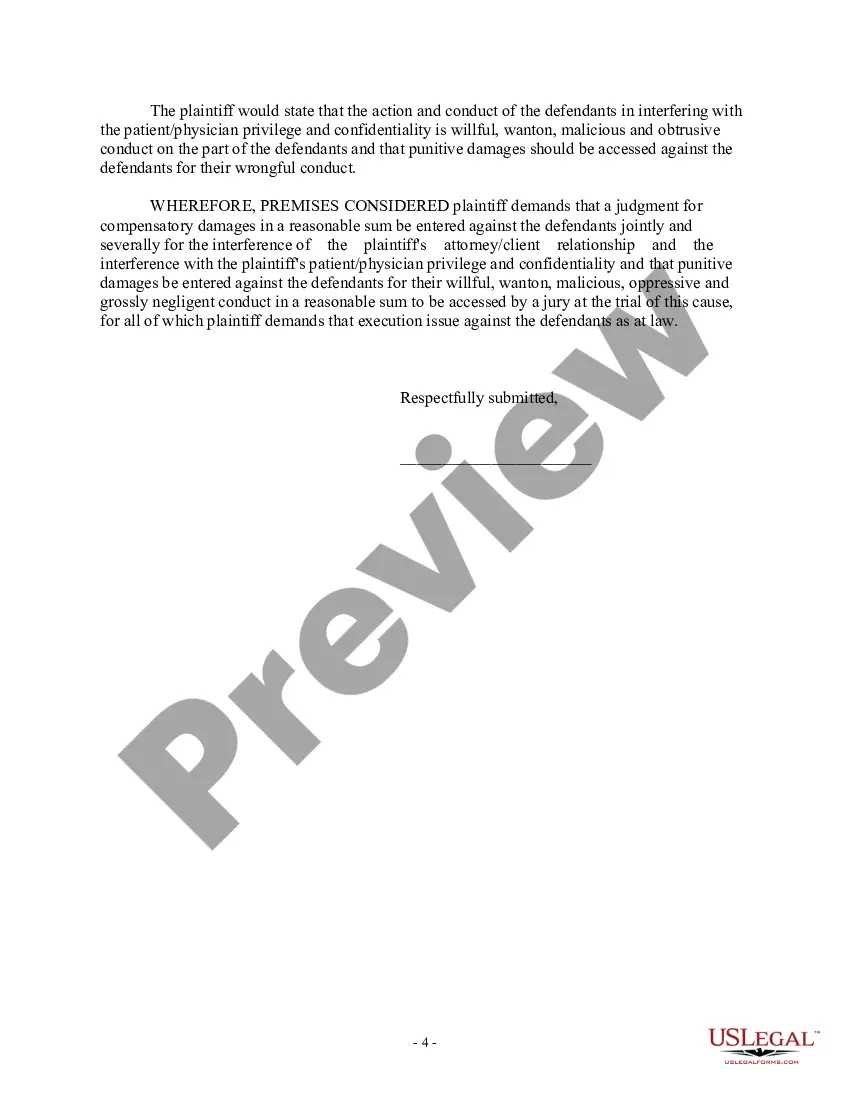




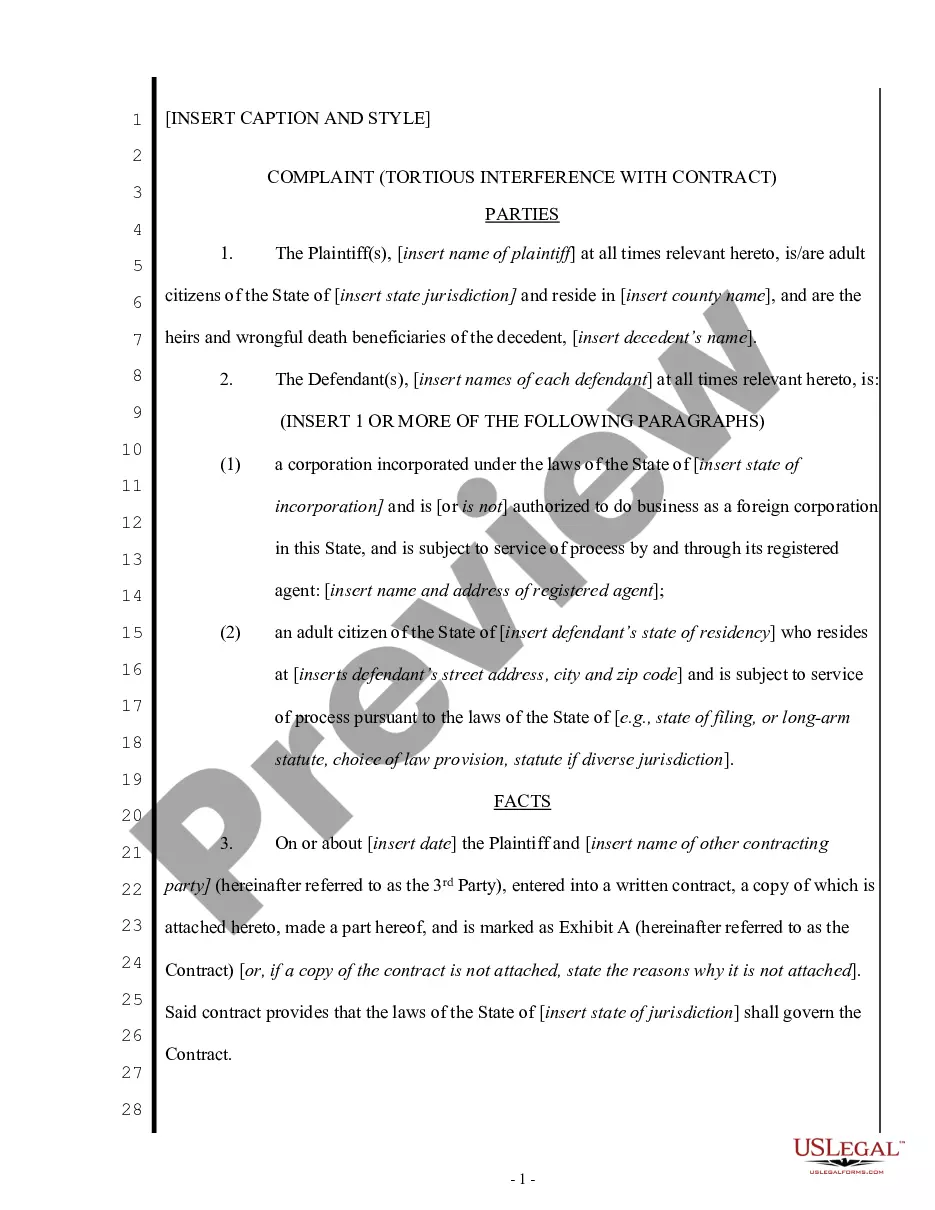
Get your form ready online
Our built-in tools help you complete, sign, share, and store your documents in one place.
Make edits, fill in missing information, and update formatting in US Legal Forms—just like you would in MS Word.
Download a copy, print it, send it by email, or mail it via USPS—whatever works best for your next step.
Sign and collect signatures with our SignNow integration. Send to multiple recipients, set reminders, and more. Go Premium to unlock E-Sign.
If this form requires notarization, complete it online through a secure video call—no need to meet a notary in person or wait for an appointment.
We protect your documents and personal data by following strict security and privacy standards.

Make edits, fill in missing information, and update formatting in US Legal Forms—just like you would in MS Word.

Download a copy, print it, send it by email, or mail it via USPS—whatever works best for your next step.

Sign and collect signatures with our SignNow integration. Send to multiple recipients, set reminders, and more. Go Premium to unlock E-Sign.

If this form requires notarization, complete it online through a secure video call—no need to meet a notary in person or wait for an appointment.

We protect your documents and personal data by following strict security and privacy standards.
Looking for another form?








Form popularity
FAQ
Lawyers owe fiduciary duties to their clients, including the duties of loyalty and confidentiality, which the California Supreme Court considers to be the most fundamental qualities of the attorney-client relationship.
Legally binding contracts are extremely important because they protect the interests of your business and define the relationship between parties. Although many attorneys are skilled in drafting legally valid contracts, it is possible for you, as a small business owner to draft your own.
In the overcrowded conditions of most courthouses, attorneys can be seen meeting with their clients in public-waiting areas, the cafeteria, the law library, in the back of courtrooms, in telephone booths, or any place that is available.
This contract is essential to ensure a clear and fair professional relationship between both parties. Its main purpose is to define the services that the lawyer will provide, as well as the client's rights and responsibilities.
A civil litigation lawyer represents clients in non-criminal legal matters such as contract disagreements, property disputes, and even class action suits. They aim to solve conflicts through mediation and negotiation, but they can also represent you in court if this isn't possible.
client agreement is a legal document that establishes the terms and conditions of the relationship between a lawyer and his or her client. This contract is essential to ensure a clear and fair professional relationship between both parties.
You must first designate the individual who will act as your agent. Under the power of attorney. TheMoreYou must first designate the individual who will act as your agent. Under the power of attorney. The individual you choose should be someone you trust.
Federal Rule of Civil Procedure 11 is the federal rule that prohibits frivolous and unwarranted contentions in litigation and allows courts to sanction attorneys for violations. California's version appears in California Code of Civil Procedure §128.7, and California courts look at Rule 11 cases when they interpret § ...
Who Owns the Protection? Work product protection is a type of privilege that belongs to the attorney and may be claimed or waived by the attorney. However, it may also be claimed by the client on behalf of the attorney in the attorney's absence.
These principles include the lawyer's obligation zealously to protect and pursue a client's legitimate interests, within the bounds of the law, while maintaining a professional, courteous and civil attitude toward all persons involved in the legal system.