Advocate For Client Rights And Needs In Pennsylvania
Description


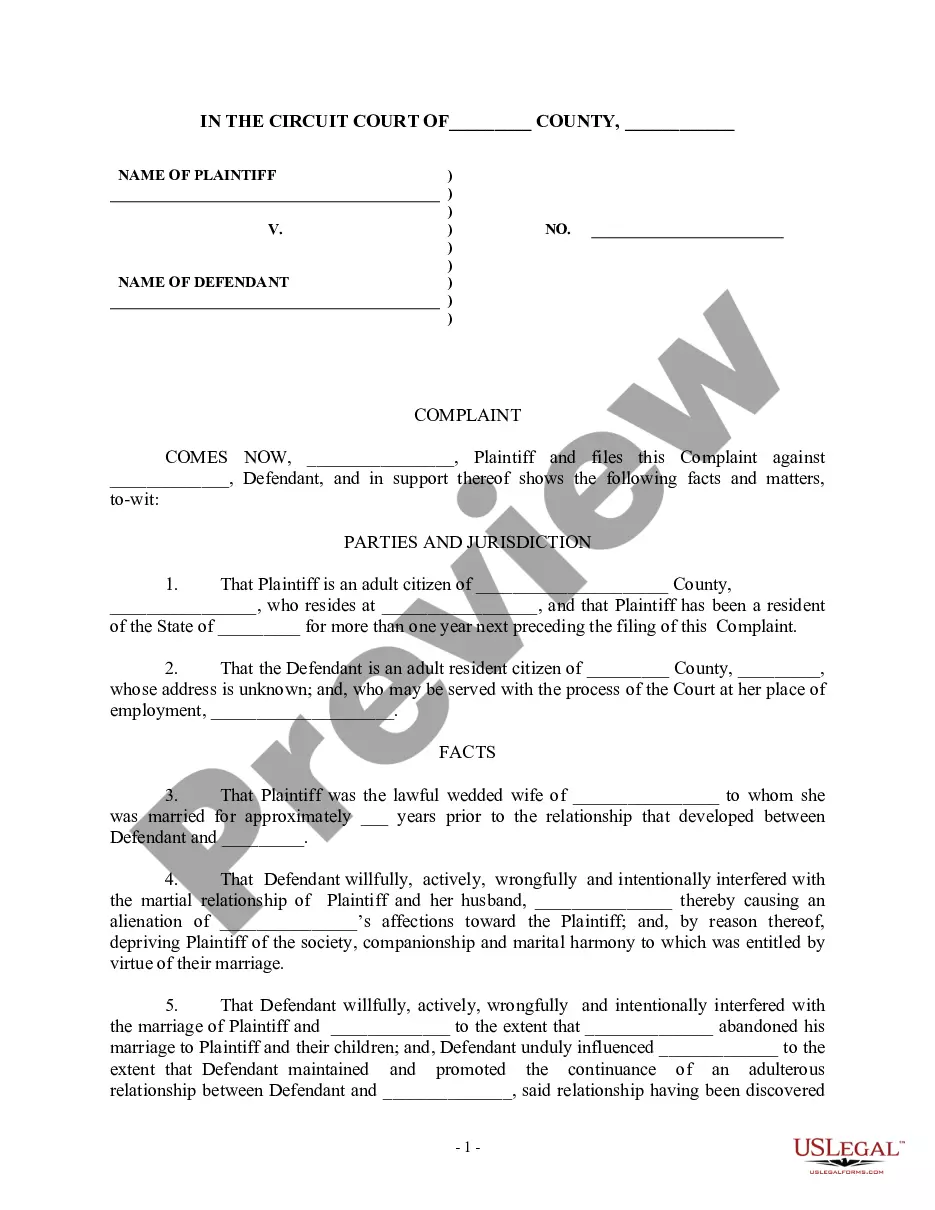

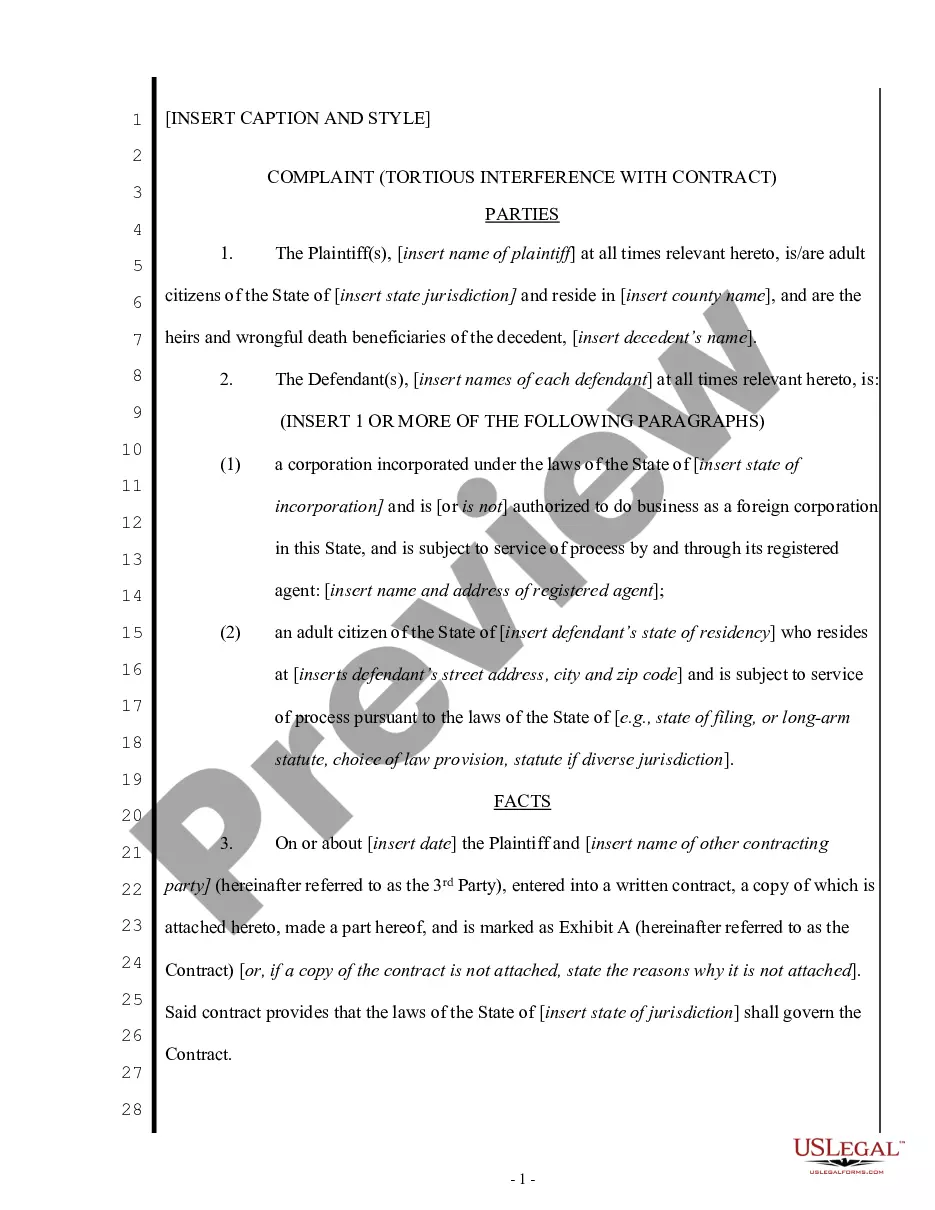
Get your form ready online
Our built-in tools help you complete, sign, share, and store your documents in one place.
Make edits, fill in missing information, and update formatting in US Legal Forms—just like you would in MS Word.
Download a copy, print it, send it by email, or mail it via USPS—whatever works best for your next step.
Sign and collect signatures with our SignNow integration. Send to multiple recipients, set reminders, and more. Go Premium to unlock E-Sign.
If this form requires notarization, complete it online through a secure video call—no need to meet a notary in person or wait for an appointment.
We protect your documents and personal data by following strict security and privacy standards.

Make edits, fill in missing information, and update formatting in US Legal Forms—just like you would in MS Word.

Download a copy, print it, send it by email, or mail it via USPS—whatever works best for your next step.

Sign and collect signatures with our SignNow integration. Send to multiple recipients, set reminders, and more. Go Premium to unlock E-Sign.

If this form requires notarization, complete it online through a secure video call—no need to meet a notary in person or wait for an appointment.

We protect your documents and personal data by following strict security and privacy standards.
Looking for another form?










Form popularity
FAQ
Disability Rights Pennsylvania (DRP) is an independent, statewide, non-profit corporation designated as the federally-mandated protection and advocacy agency in Pennsylvania.
An advocate can stand by you, and stand up for you, when important decisions are being made about your care, treatment and the way you live your life. They can help you understand your rights and options, and then support you in expressing your views and wishes to the relevant services.
The Pennsylvania Legal Aid Network (PLAN) is a statewide consortium of independent legal aid programs that provides civil legal assistance to low-income individuals and families. The Network is comprised of 15 legal aid providers serving low-income people across the Commonwealth.
You are entitled to an attorney who will be capable of handling your case; show you courtesy and consideration at all times; represent you zealously; and preserve your confidences and secrets that you reveal in the course of the relationship, to the extent permitted by law.
As advisor, a lawyer provides a client with an informed understanding of the client's legal rights and obligations and explains their practical implications. As advocate, a lawyer zealously asserts the client's position under the rules of the adversary system.
What agencies advocate for people with disabilities? Access Board. Department of Housing and Urban Development (HUD) Department of Justice (DOJ) Department of Labor (DOL) Department of Transportation (DOT) National Council on Disability.
In summary, attorneys are crucial in safeguarding our rights and maintaining societal safety. Their duties include offering legal counsel, representing clients in court cases, composing legal documents, and defending their clients' interests. Attorneys uphold the rule of law and defend justice for all citizens.
This privilege is codified in California law via Evidence Code 954, which gives your attorney the right to refuse to divulge the contents of your conversation, gives you the right to require confidentiality from your attorney, and with few exceptions, makes any breach of that confidence inadmissible in court.
Find the local disability coalition in your state and get involved. Try your local Arc, Center for Independent Living (CIL), or other disability organization. They will know who the coalitions are and you can link up with them.
AAPD advocates for policy issues that improve the lives of people with disabilities and advance the collective power of the disability rights movement.