Lawyer With Client In Palm Beach
Description


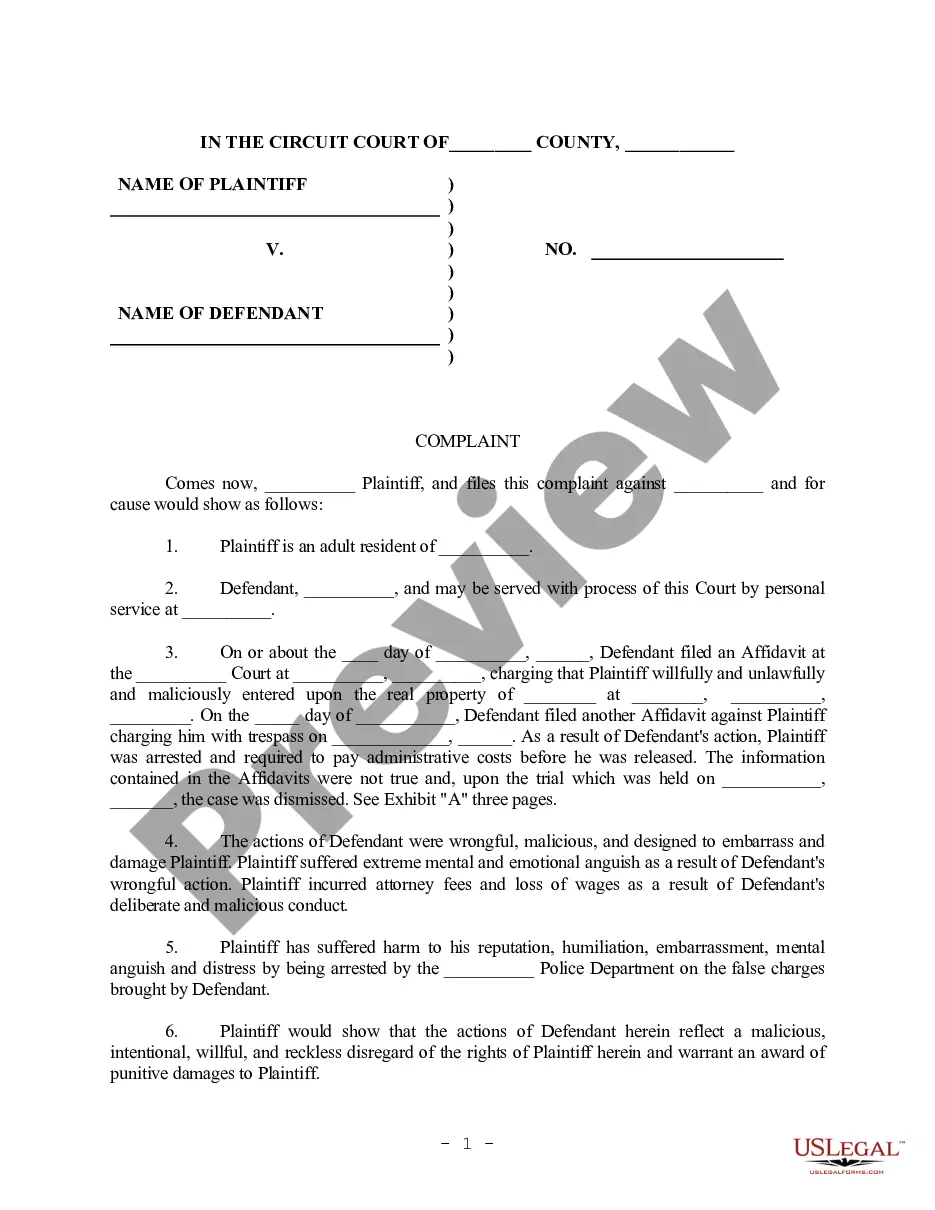
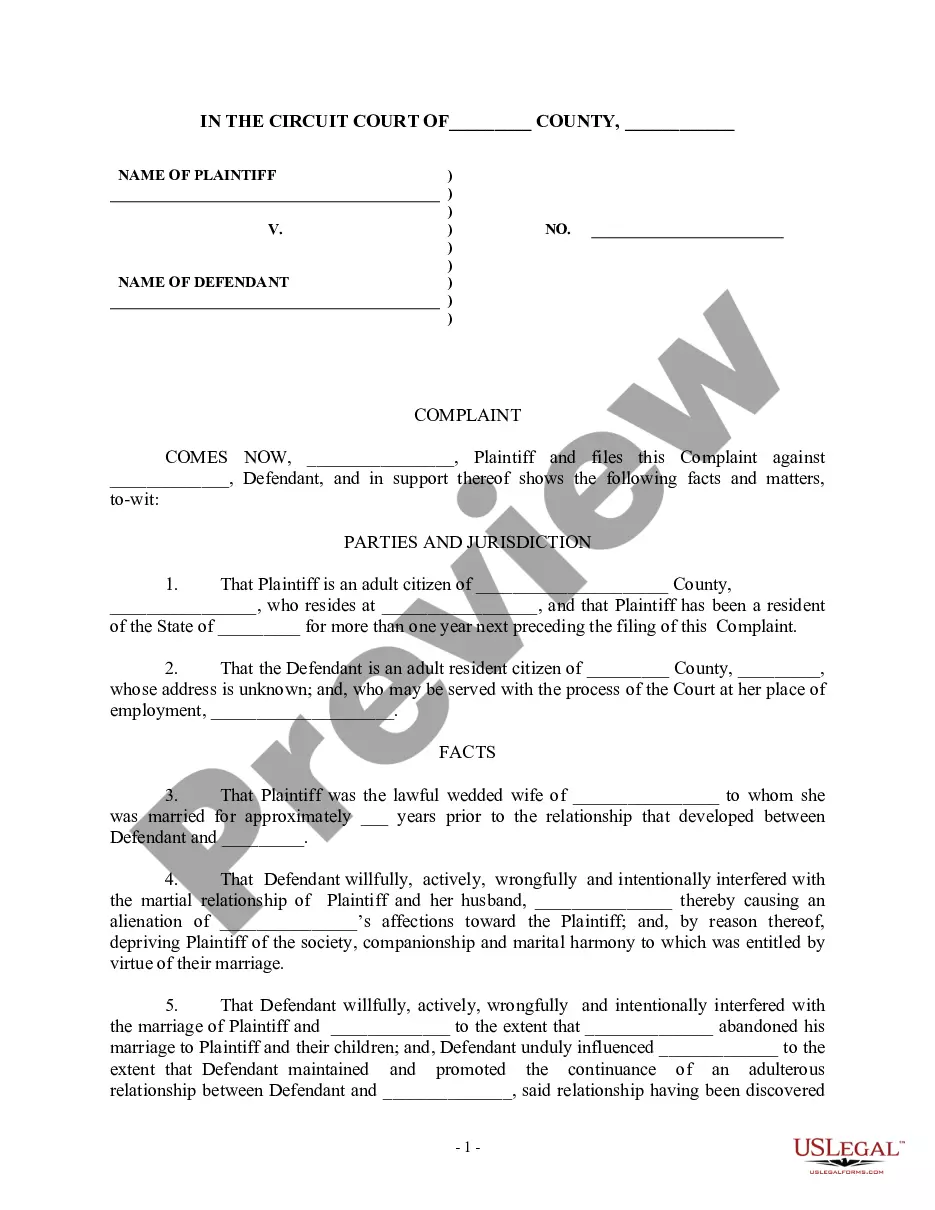

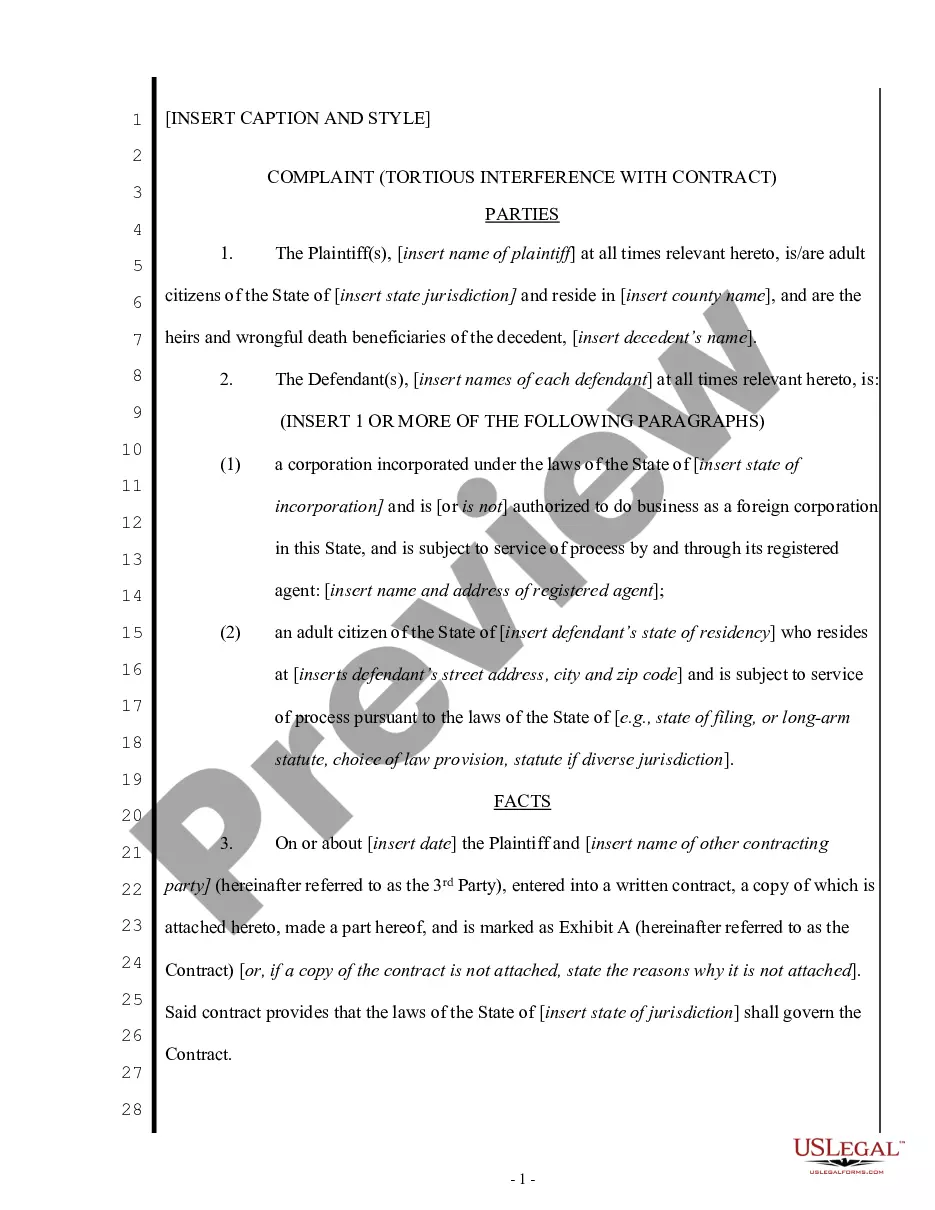
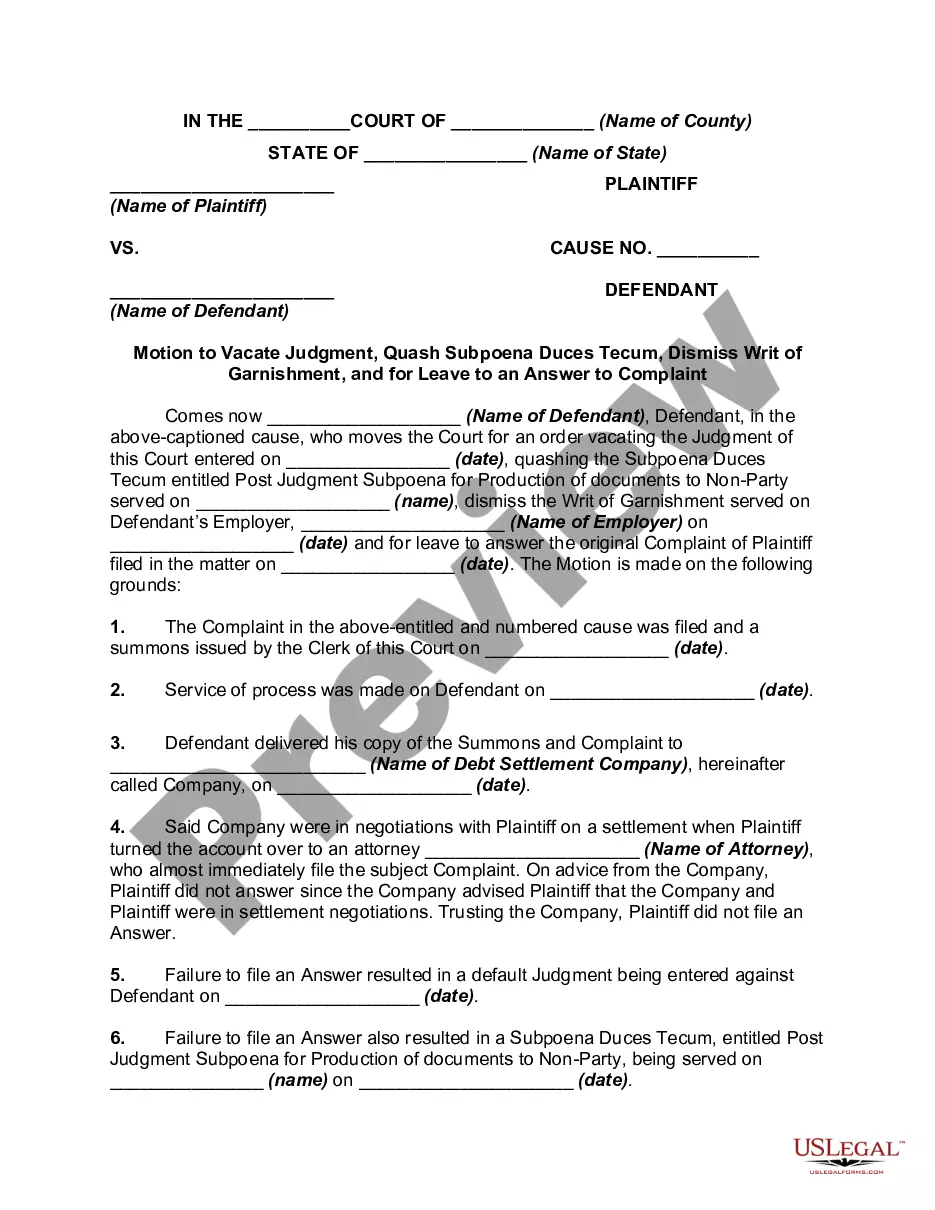
Get your form ready online
Our built-in tools help you complete, sign, share, and store your documents in one place.
Make edits, fill in missing information, and update formatting in US Legal Forms—just like you would in MS Word.
Download a copy, print it, send it by email, or mail it via USPS—whatever works best for your next step.
Sign and collect signatures with our SignNow integration. Send to multiple recipients, set reminders, and more. Go Premium to unlock E-Sign.
If this form requires notarization, complete it online through a secure video call—no need to meet a notary in person or wait for an appointment.
We protect your documents and personal data by following strict security and privacy standards.

Make edits, fill in missing information, and update formatting in US Legal Forms—just like you would in MS Word.

Download a copy, print it, send it by email, or mail it via USPS—whatever works best for your next step.

Sign and collect signatures with our SignNow integration. Send to multiple recipients, set reminders, and more. Go Premium to unlock E-Sign.

If this form requires notarization, complete it online through a secure video call—no need to meet a notary in person or wait for an appointment.

We protect your documents and personal data by following strict security and privacy standards.
Looking for another form?









Form popularity
FAQ
In Florida, ing to Rule of Civil Procedure 1.070 (j), a complaint must be served on the defendant within 120 days of its filing. If it is not served within the time frame specified, a motion to dismiss is appropriate, and the case is dismissed without prejudice.
Inquiries raised or complaints presented by or to The Florida Bar under these rules shall be commenced within 6 years from the time the matter giving rise to the inquiry or complaint is discovered or, with due diligence, should have been discovered.
You are entitled to an attorney who will be capable of handling your case; show you courtesy and consideration at all times; represent you zealously; and preserve your confidences and secrets that you reveal in the course of the relationship, to the extent permitted by law.
Grievances must be filed within six years of the alleged offense.
(a) Time for Inquiries and Complaints. Inquiries raised or complaints presented by or to The Florida Bar under these rules shall be commenced within 6 years from the time the matter giving rise to the inquiry or complaint is discovered or, with due diligence, should have been discovered.
The Florida Supreme Court has held that, in a civil case, an attorney has the right to terminate the attorney-client relationship and to withdraw upon due notice to his client and approval by the court, which approval "should be rarely withheld and then only upon a determination that the withdrawal would interfere with ...
Within our legal practice, we hold the autonomy to accept or refuse client representation. This decision is often guided by numerous crucial considerations pertaining to our ethical and professional obligations, potential conflicts of interest, and the substantive evaluation of the cases presented before us.
Always be as honest and candid as possible about the facts of your case. The more your attorney knows, the more he or she can help you. Ask questions if you don't understand something that your attorney mentions or explains to you. Approach an attorney about your case as soon as you think you may need one.
Put your business forward: Saying no to a client seeking representation isn't personal; it's just business. If an attorney is unable to provide effective counsel, they could ultimately find themselves in a lawsuit.
Can lawyers refuse to defend someone? Yes, under certain circumstances, lawyers have the right to decline representation, including conflicts of interest, lack of expertise, or personal beliefs. However, they cannot deny representation based on whether the client is guilty or innocent.