Attorney Client Privilege For Consultants In North Carolina
Description


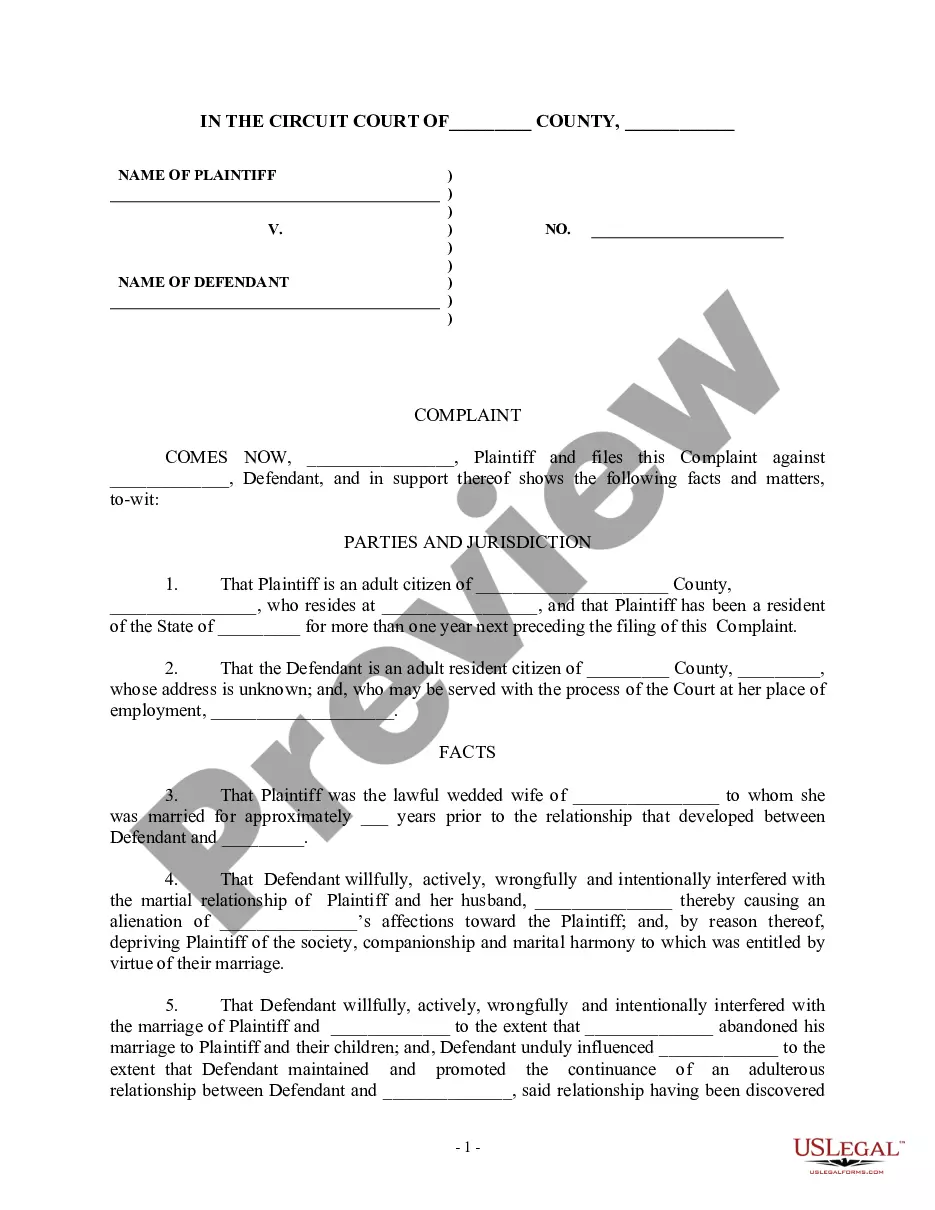

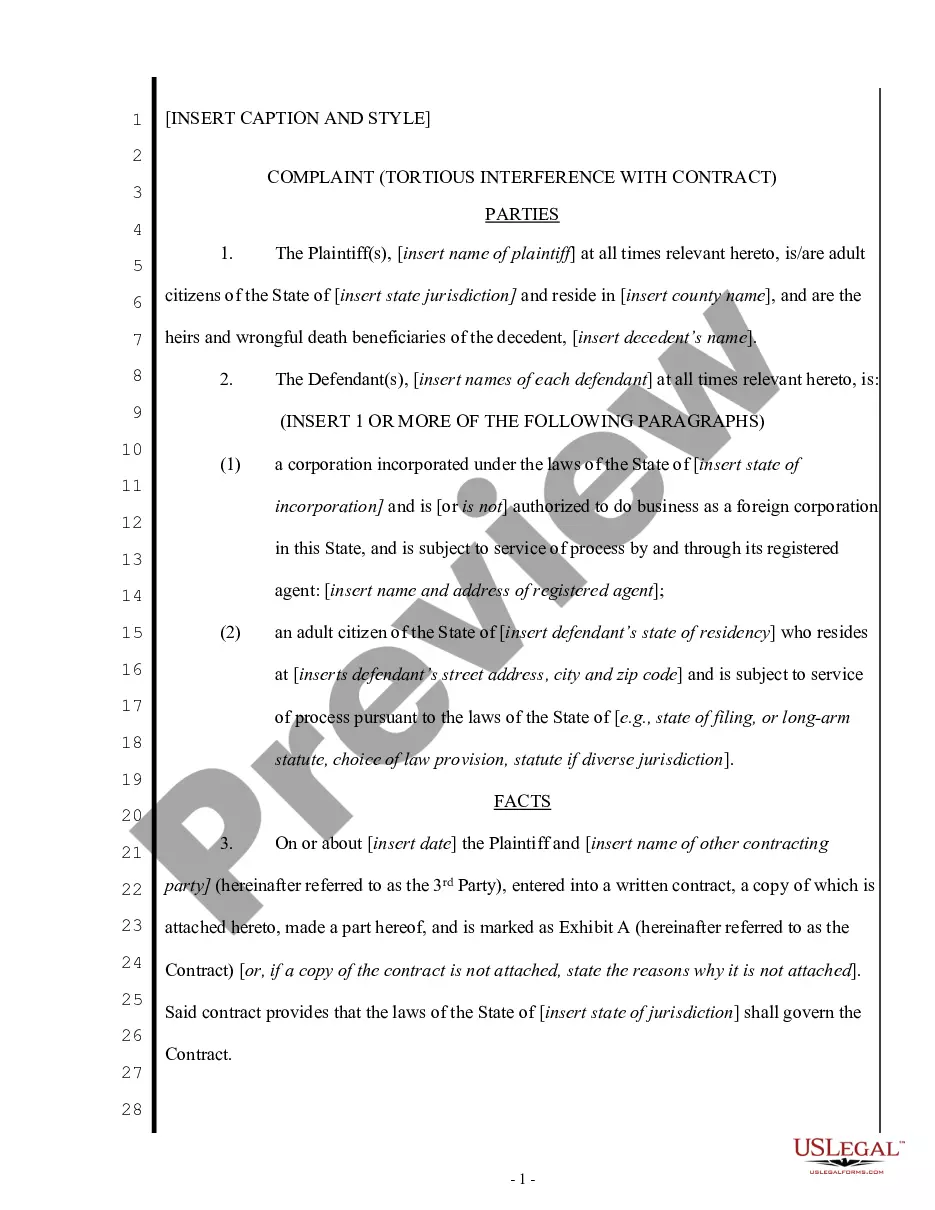
Get your form ready online
Our built-in tools help you complete, sign, share, and store your documents in one place.
Make edits, fill in missing information, and update formatting in US Legal Forms—just like you would in MS Word.
Download a copy, print it, send it by email, or mail it via USPS—whatever works best for your next step.
Sign and collect signatures with our SignNow integration. Send to multiple recipients, set reminders, and more. Go Premium to unlock E-Sign.
If this form requires notarization, complete it online through a secure video call—no need to meet a notary in person or wait for an appointment.
We protect your documents and personal data by following strict security and privacy standards.

Make edits, fill in missing information, and update formatting in US Legal Forms—just like you would in MS Word.

Download a copy, print it, send it by email, or mail it via USPS—whatever works best for your next step.

Sign and collect signatures with our SignNow integration. Send to multiple recipients, set reminders, and more. Go Premium to unlock E-Sign.

If this form requires notarization, complete it online through a secure video call—no need to meet a notary in person or wait for an appointment.

We protect your documents and personal data by following strict security and privacy standards.
Looking for another form?










Form popularity
FAQ
Crime or Fraud Exception. If a client seeks advice from an attorney to assist with the furtherance of a crime or fraud or the post-commission concealment of the crime or fraud, then the communication is not privileged.
(a) A lawyer shall not reveal information acquired during the professional relationship with a client unless the client gives informed consent, the disclosure is impliedly authorized in order to carry out the representation or the disclosure is permitted by paragraph (b).
The Garner Fiduciary Exception Where a fiduciary duty is owed to the shareholder or member, that shareholder or member must show good cause why the attorney-client privilege should not protect those communications from disclosure.
A: Firstly, the privilege requires that three things exist: 1) an attorney (including his whole office and staff) and a client; 2) a private communication; 3) the purpose of providing legal advice. Once you have those three things, the privilege covers everything and is construed very broadly.
Rule 1.6(a) of the Rules of Professional Conduct provides that a lawyer shall not reveal information acquired during the professional relationship with a client unless (1) the client gives informed consent; (2) the disclosure is impliedly authorized; or (3) one of the exceptions set out in Rule 1.6(b) applies.
The attorney-client privilege applies to communications “to whom disclosure is reasonably necessary for the transmission of the information or the accomplishment of the purpose for which the lawyer is consulted.” Cal. Evid. Code § 952. This includes communications to an expert consultant.
Privilege Logs Required to Preserve Privilege: The state court rules now require any party withholding information from production to make the claim of privilege or protection as trial-preparation material expressly, and to describe the withheld information in a manner sufficient to enable parties to assess the claims.
The privilege extends only to communications that the client intends to be confidential. Communications made in non-private settings, or in the presence of third persons unnecessary to accomplish the purpose for which the attorney was consulted, are not confidential and therefore are not protected by the privilege.