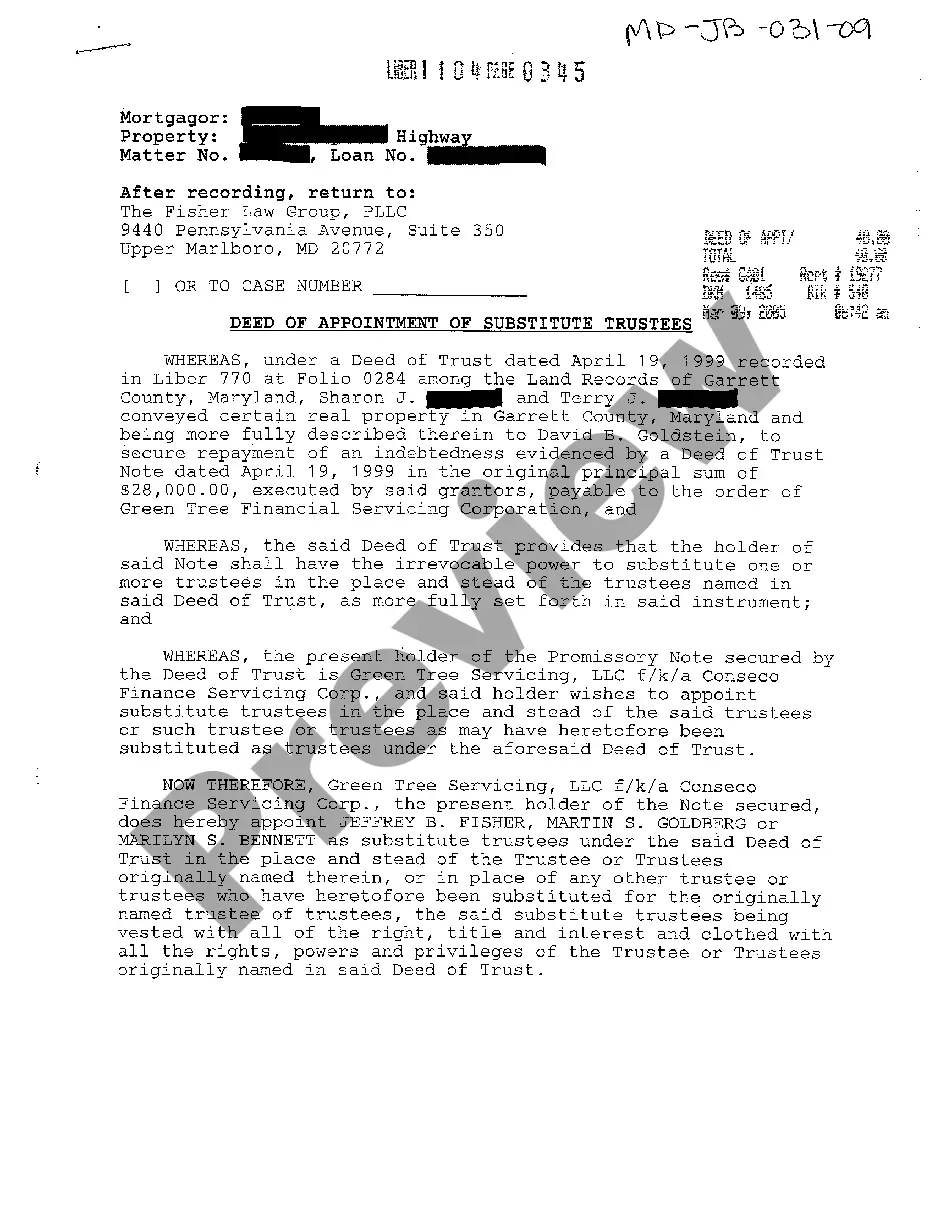
Lawyer With Client In New York
Description



Get your form ready online
Our built-in tools help you complete, sign, share, and store your documents in one place.
Make edits, fill in missing information, and update formatting in US Legal Forms—just like you would in MS Word.
Download a copy, print it, send it by email, or mail it via USPS—whatever works best for your next step.
Sign and collect signatures with our SignNow integration. Send to multiple recipients, set reminders, and more. Go Premium to unlock E-Sign.
If this form requires notarization, complete it online through a secure video call—no need to meet a notary in person or wait for an appointment.
We protect your documents and personal data by following strict security and privacy standards.

Make edits, fill in missing information, and update formatting in US Legal Forms—just like you would in MS Word.

Download a copy, print it, send it by email, or mail it via USPS—whatever works best for your next step.

Sign and collect signatures with our SignNow integration. Send to multiple recipients, set reminders, and more. Go Premium to unlock E-Sign.

If this form requires notarization, complete it online through a secure video call—no need to meet a notary in person or wait for an appointment.

We protect your documents and personal data by following strict security and privacy standards.
Looking for another form?
Form popularity
FAQ
In the overcrowded conditions of most courthouses, attorneys can be seen meeting with their clients in public-waiting areas, the cafeteria, the law library, in the back of courtrooms, in telephone booths, or any place that is available.
This contract is essential to ensure a clear and fair professional relationship between both parties. Its main purpose is to define the services that the lawyer will provide, as well as the client's rights and responsibilities.
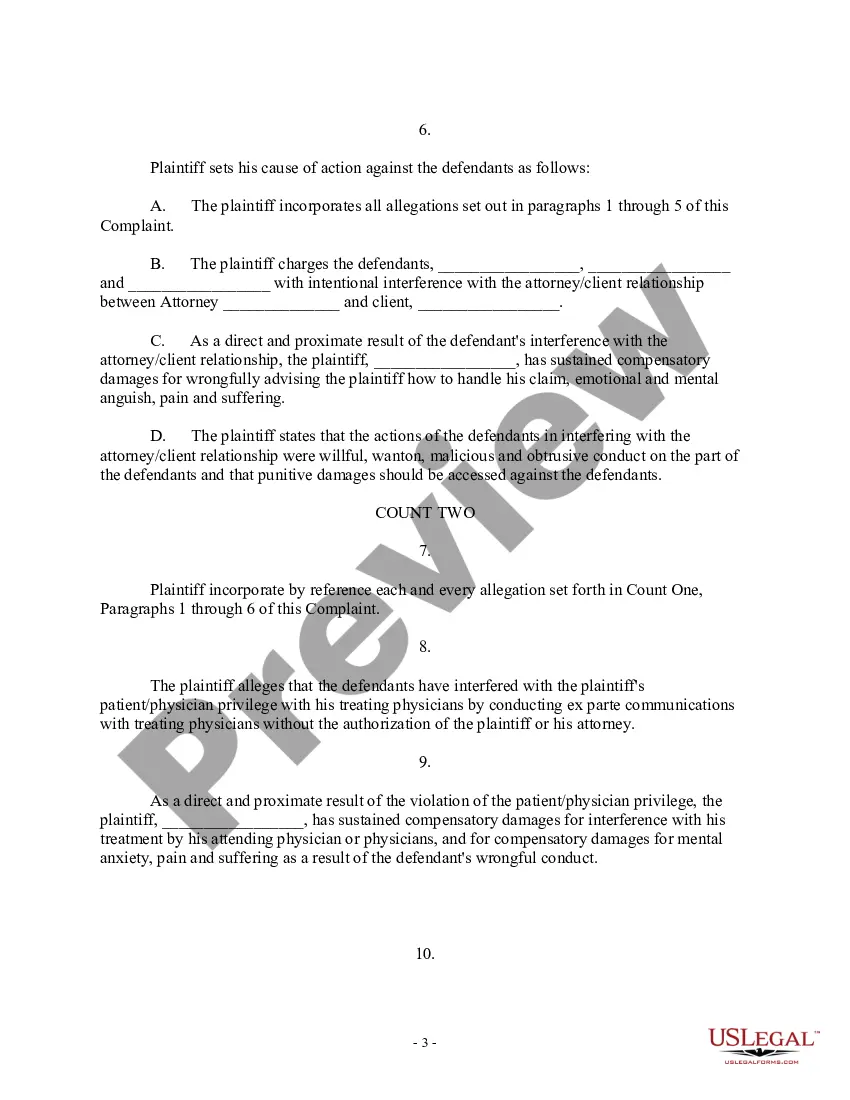
In representing a client, a lawyer shall not communicate about the subject of the representation with a person the lawyer knows to be represented by another lawyer in the matter, unless the lawyer has the consent of the other lawyer or is authorized to do so by law or a court order.
Under ACT, manufacturers are required to report their sales within 90 days of the end of a model year. New York's implementation of ACT begins with model year 2025, which ends December 31, 2025. As such, the manufacturer's first ACT sales report is due by March 31, 2026.
It is always a good idea to give written notice of your desire to terminate the relationship. Keep in mind that your attorney is bound by local rules of professional conduct, which may restrict her ability to withdraw.
On December 1, 2022, Federal Rule of Civil Procedure 7.1 (Disclosure Statement) was updated to require parties or intervenors in a diversity case to file a disclosure statement “naming or identifying the citizenship of every individual or entity whose citizenship is attributed to that party or intervenor.”
(b) Except as stated in paragraph (d), a lawyer shall withdraw from the representation of a client when: (1) the lawyer knows or reasonably should know that the representation will result in a violation of these Rules or of law; (2) the lawyer's physical or mental condition materially impairs the lawyer's ability to ...
Rule 7.1 governs attorney advertisements. Attorney advertising may not contain a statement or claim that is false, deceptive or misleading, or that otherwise violates any Rule.
Disciplinary Rule 9-102(D) of the Code of Professional Responsibility requires lawyers to keep certain documents for “seven years after the events which they record…” These records include such things as trust account records, copies of all retainer and compensation agreements, bills to clients, and records of payments ...
Some attorneys and law practices are willing to file lawsuits to recover unpaid attorney fees and unreimbursed out-of-pocket expenses. Others, however, may have adopted a “never sue a client” policy.