Lawyer-client Relationship In India In Nassau
Description

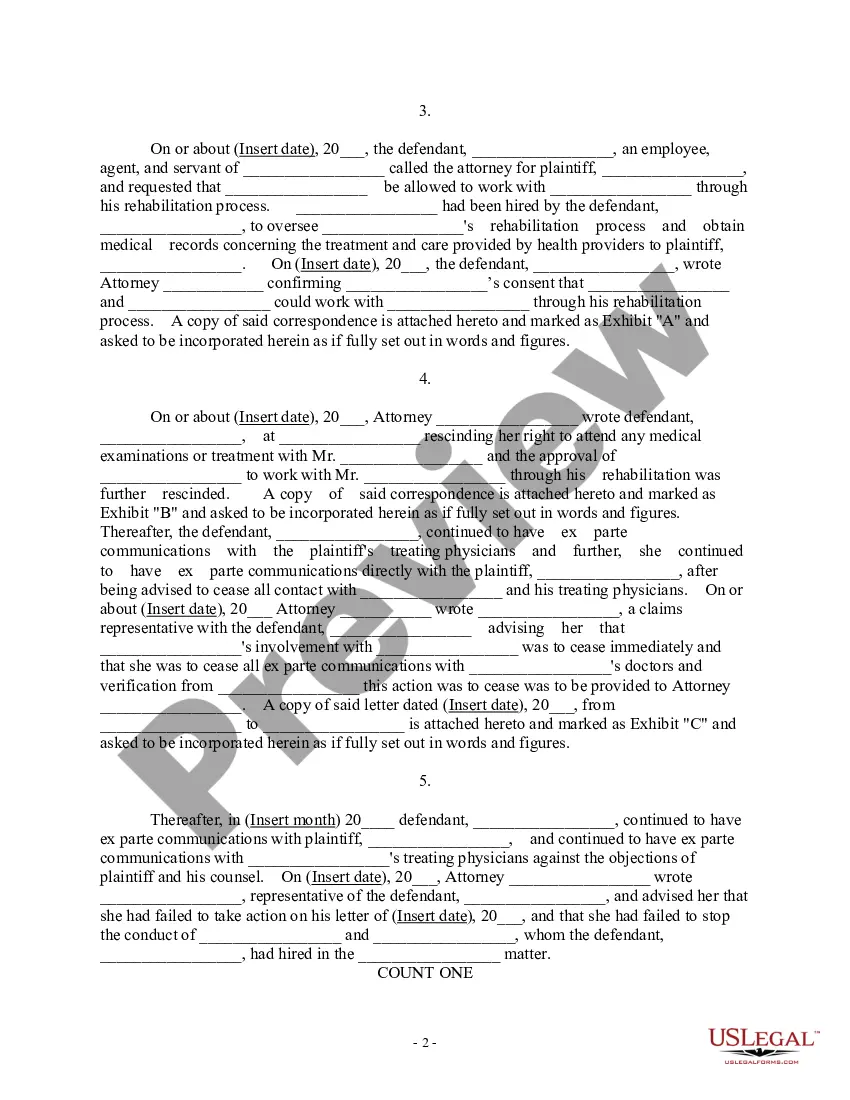
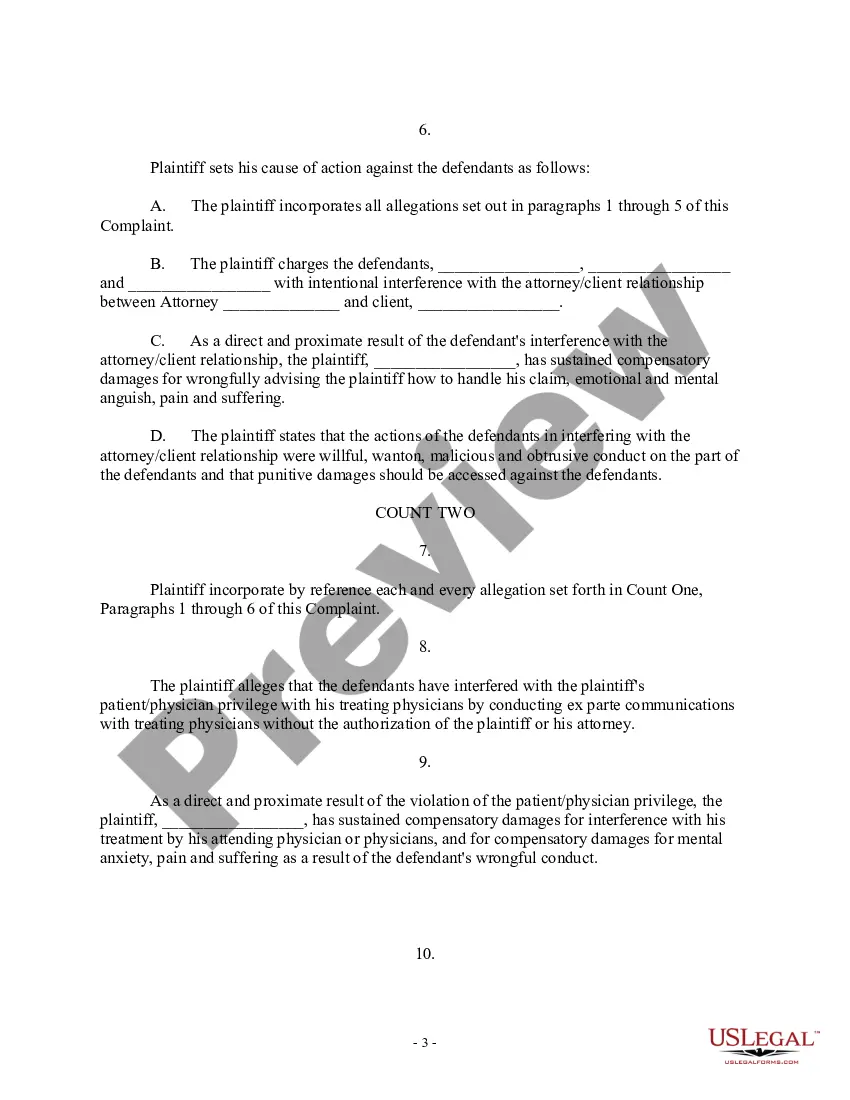
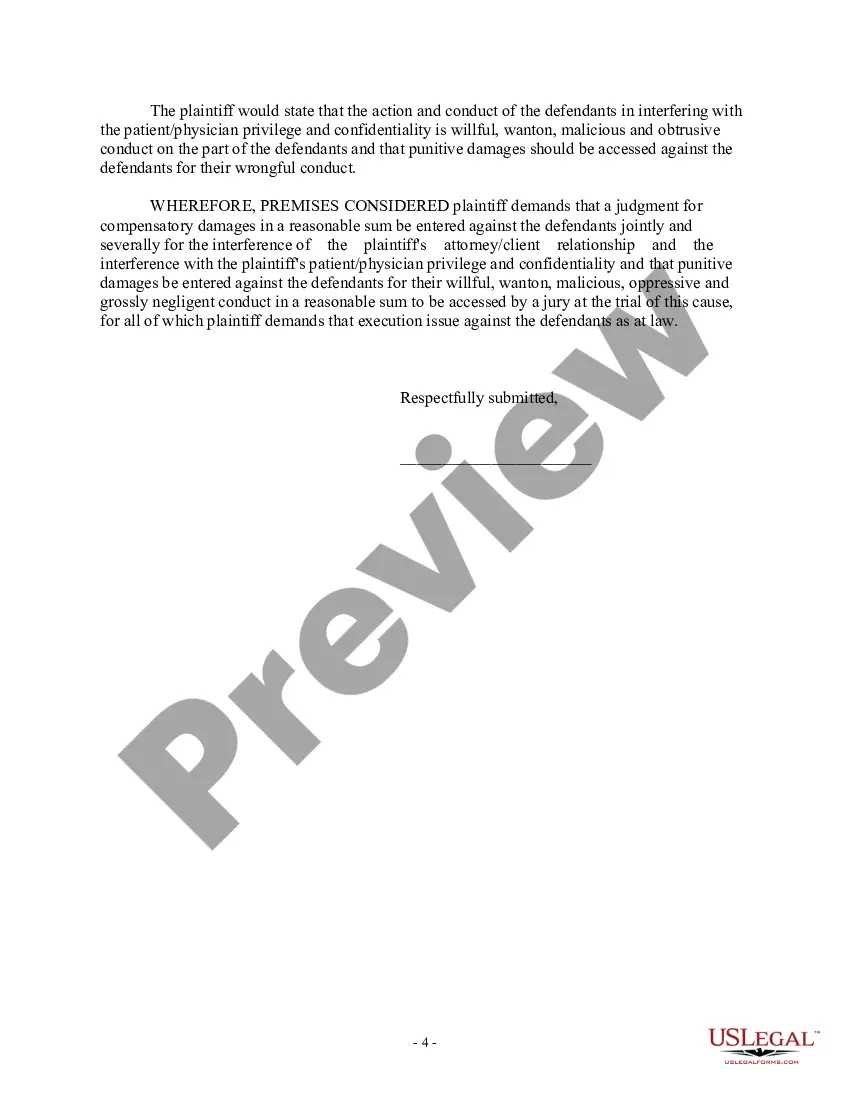


Get your form ready online
Our built-in tools help you complete, sign, share, and store your documents in one place.
Make edits, fill in missing information, and update formatting in US Legal Forms—just like you would in MS Word.
Download a copy, print it, send it by email, or mail it via USPS—whatever works best for your next step.
Sign and collect signatures with our SignNow integration. Send to multiple recipients, set reminders, and more. Go Premium to unlock E-Sign.
If this form requires notarization, complete it online through a secure video call—no need to meet a notary in person or wait for an appointment.
We protect your documents and personal data by following strict security and privacy standards.

Make edits, fill in missing information, and update formatting in US Legal Forms—just like you would in MS Word.

Download a copy, print it, send it by email, or mail it via USPS—whatever works best for your next step.

Sign and collect signatures with our SignNow integration. Send to multiple recipients, set reminders, and more. Go Premium to unlock E-Sign.

If this form requires notarization, complete it online through a secure video call—no need to meet a notary in person or wait for an appointment.

We protect your documents and personal data by following strict security and privacy standards.
Looking for another form?









Form popularity
FAQ
In India, the law in this regard is primarily contained in Section 126 of the Indian Evidence Act, 1872 (“Evidence Act”) which prohibits attorneys (except in certain provided exceptional situations) from disclosing any information or document shared by a client during the former's employment.
Having an attorney abroad can help you navigate the foreign country's legal system. For information about hiring an attorney abroad, see our section on Retaining a Foreign Attorney. Although we cannot recommend an attorney to you, most U.S. Embassies have lists of attorneys available online.
Professional Ethics: Most legal ethical codes strongly discourage or outright prohibit lawyers from engaging in romantic relationships with clients during representation. This is to maintain professional boundaries and ensure that the lawyer-client relationship is based solely on the client's legal needs.
Coordination with Attorneys in the United States: Attorneys from the United States may not represent you in foreign courts unless they are admitted to practice before them.
Coordination with Attorneys in the United States: Attorneys from the United States may not represent you in foreign courts unless they are admitted to practice before them.
YES, lawyer enrolled in one state can represent the cases in different state. (iii) before any other authority or person before whom such advocate is by or under any law for the time being in force entitled to practise.
It is normal practice to authorise special powers of attorney abroad by signing a power of attorney document. If the document is being signed for use abroad, it must be notarised by a Notary Public in order to be accepted.
California courts have held that an attorney-client relationship can only be created by contract.
If an attorney-client relationship exists, an attorney owes a duty of confidentiality to the clients. Except in those situations where a court appoints an attorney, the attorney-client relationship is created by contract, either express or implied.
There are a few ways to find clients for lawyers: 1. Referrals from other lawyers 2. Referrals from satisfied clients 3. Advertising 4. Personal contact with potential clients 5. Professional directories