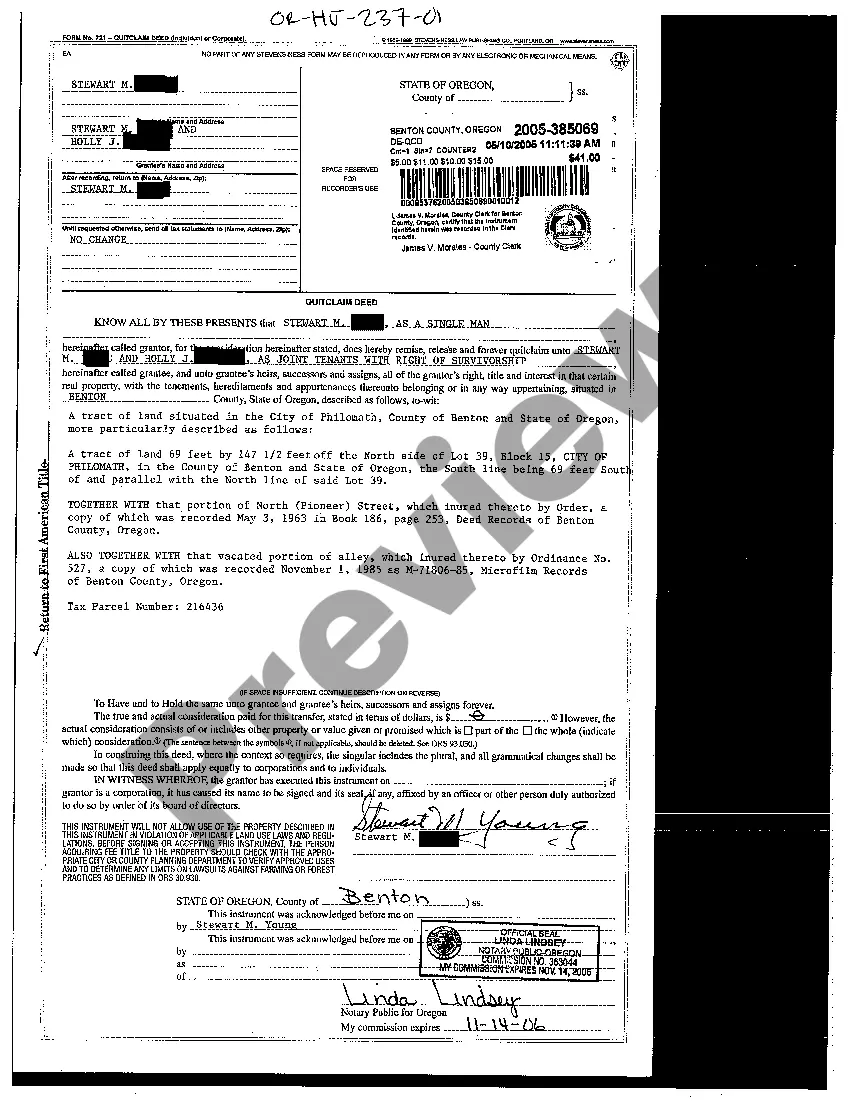
Attorney Sleeping With Client In Nassau
Description



Get your form ready online
Our built-in tools help you complete, sign, share, and store your documents in one place.
Make edits, fill in missing information, and update formatting in US Legal Forms—just like you would in MS Word.
Download a copy, print it, send it by email, or mail it via USPS—whatever works best for your next step.
Sign and collect signatures with our SignNow integration. Send to multiple recipients, set reminders, and more. Go Premium to unlock E-Sign.
If this form requires notarization, complete it online through a secure video call—no need to meet a notary in person or wait for an appointment.
We protect your documents and personal data by following strict security and privacy standards.

Make edits, fill in missing information, and update formatting in US Legal Forms—just like you would in MS Word.

Download a copy, print it, send it by email, or mail it via USPS—whatever works best for your next step.

Sign and collect signatures with our SignNow integration. Send to multiple recipients, set reminders, and more. Go Premium to unlock E-Sign.

If this form requires notarization, complete it online through a secure video call—no need to meet a notary in person or wait for an appointment.

We protect your documents and personal data by following strict security and privacy standards.
Looking for another form?










Form popularity
FAQ
If the persuasion is ineffective, the lawyer must take reasonable remedial measures. Except in the defense of a criminal accused, the rule generally recognized is that, if necessary to rectify the situation, an advocate must disclose the existence of the client's deception to the court or to the other party.
A lawyer can face consequences for lying, especially if the lie results in substantial financial harm to their client. However, a lawyer's dishonesty doesn't automatically equate to malpractice. It depends on whether their misconduct led directly to a negative outcome in your case.
Put your business forward: Saying no to a client seeking representation isn't personal; it's just business. If an attorney is unable to provide effective counsel, they could ultimately find themselves in a lawsuit.
If the persuasion is ineffective, the lawyer must take reasonable remedial measures. Except in the defense of a criminal accused, the rule generally recognized is that, if necessary to rectify the situation, an advocate must disclose the existence of the client's deception to the court or to the other party.
Breach of Professional Ethics: Most legal systems and bar associations have strict rules about maintaining professional boundaries. Engaging in a sexual relationship with a client can lead to disciplinary action against the lawyer, including disbarment.
They rely on gathering information, conducting investigations, and using legal strategies to defend their clients. However, even if they believe their client is guilty, it is not their job to prove or disprove guilt. Their duty is to provide a zealous defense within ethical and legal boundaries.
California courts have held that an attorney-client relationship can only be created by contract.
Lawyer's first option is to talk to Client in confidence to explain the problems with her conduct and urge her to rectify the problem. As described in the comment to Rule 3.3, the lawyer "is to remonstrate with the client confidentially." So yes, you are permitted to remonstrate with your client.
In representing a client, a lawyer shall not communicate about the subject of the representation with a person the lawyer knows to be represented by another lawyer in the matter, unless the lawyer has the consent of the other lawyer or is authorized to do so by law or a court order.