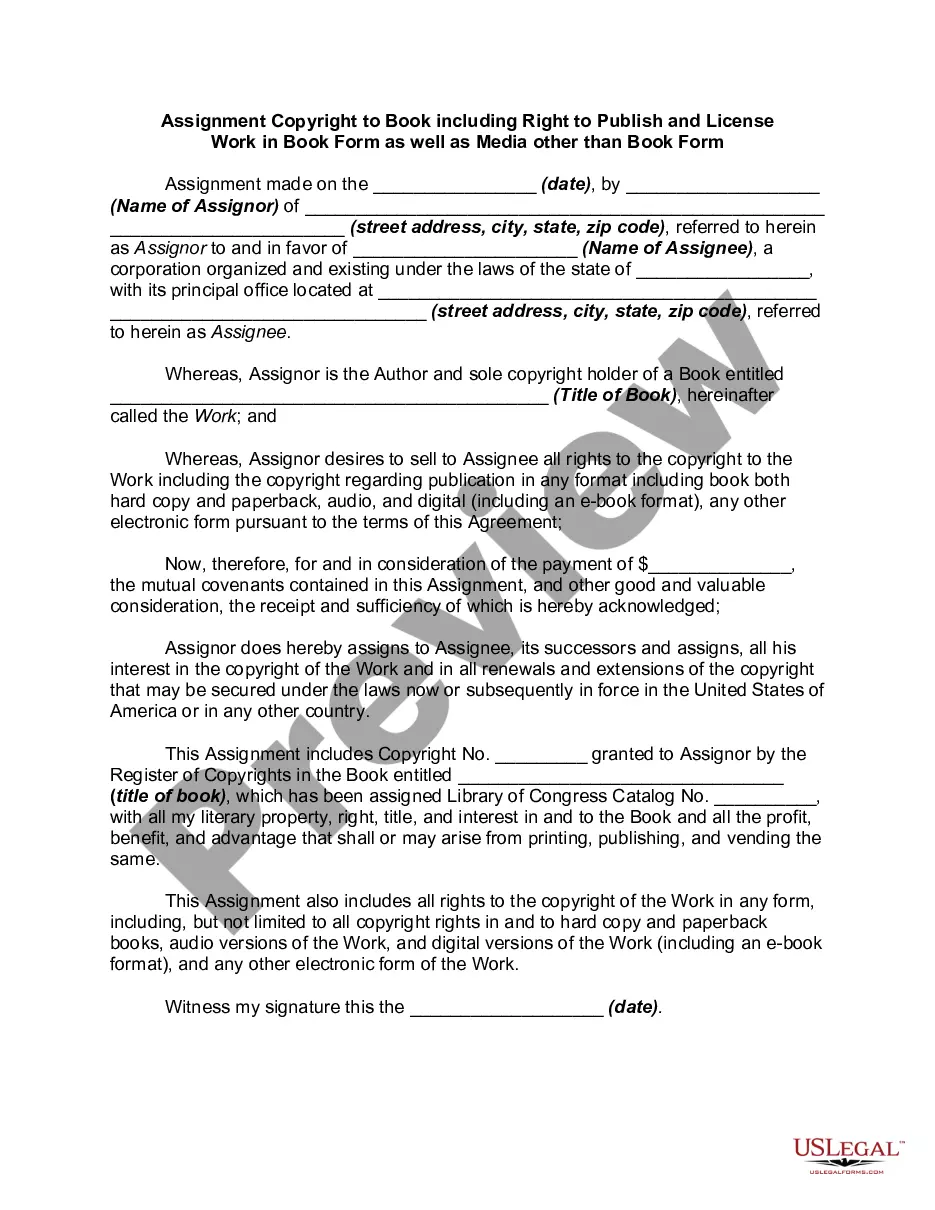
Define Attorney-client Relationship In Law In Middlesex
Description





Get your form ready online
Our built-in tools help you complete, sign, share, and store your documents in one place.
Make edits, fill in missing information, and update formatting in US Legal Forms—just like you would in MS Word.
Download a copy, print it, send it by email, or mail it via USPS—whatever works best for your next step.
Sign and collect signatures with our SignNow integration. Send to multiple recipients, set reminders, and more. Go Premium to unlock E-Sign.
If this form requires notarization, complete it online through a secure video call—no need to meet a notary in person or wait for an appointment.
We protect your documents and personal data by following strict security and privacy standards.

Make edits, fill in missing information, and update formatting in US Legal Forms—just like you would in MS Word.

Download a copy, print it, send it by email, or mail it via USPS—whatever works best for your next step.

Sign and collect signatures with our SignNow integration. Send to multiple recipients, set reminders, and more. Go Premium to unlock E-Sign.

If this form requires notarization, complete it online through a secure video call—no need to meet a notary in person or wait for an appointment.

We protect your documents and personal data by following strict security and privacy standards.
Looking for another form?










Form popularity
FAQ
If an attorney-client relationship exists, an attorney owes a duty of confidentiality to the clients. Except in those situations where a court appoints an attorney, the attorney-client relationship is created by contract, either express or implied.
While it may include attorney and client, stockbroker and customer, real estate agent and buyer, a senior family member and an unsophisticated relative, the relationship is defined on a case-by-case basis, with reliance and dominance the key factors.
Rule 3: Label the top of the communication or the subject line of an email: "Privileged and Confidential: Attorney-Client Privileged Communication." This notice should be prominent and easily viewable as soon as someone receives the communication.
The establishment of the attorney-client relationship involves two elements: a person seeks advice or assistance from an attorney; and the attorney appears to give, agrees to give or gives the advice or assistance.
Attorney-client privilege protects confidential communications between a lawyer and their client that relate to the client's seeking of legal advice or services.
Preman, 911 S.W. 2d 288, 301 (Mo. App. 1995) ("The relation between attorney and client is fiduciary and binds the attorney to a scrupulous fidelity to the cause of the client which precludes the attorney from any personal advantage from the abuse of that reposed confidence. . . .
Canon 1 – A paralegal must not: (a) engage in, encourage, or contribute to any act which could constitute the unauthorized practice of law; (b) establish attorney-client relationships, set fees, give legal opinions or advice, or represent a client before a court or agency unless so authorized by that court or agency; ...
There are two major exceptions to the lawyer-client privilege under the California Evidence Code, as discussed below. 2.1. Crime or fraud. 2.2. Preventing death or substantial physical harm.
Professional Ethics: Most legal ethical codes strongly discourage or outright prohibit lawyers from engaging in romantic relationships with clients during representation. This is to maintain professional boundaries and ensure that the lawyer-client relationship is based solely on the client's legal needs.
The establishment of the attorney-client relationship involves two elements: a person seeks advice or assistance from an attorney; and the attorney appears to give, agrees to give or gives the advice or assistance.