Attorney Letter To Client Withdrawal In Miami-Dade
Description

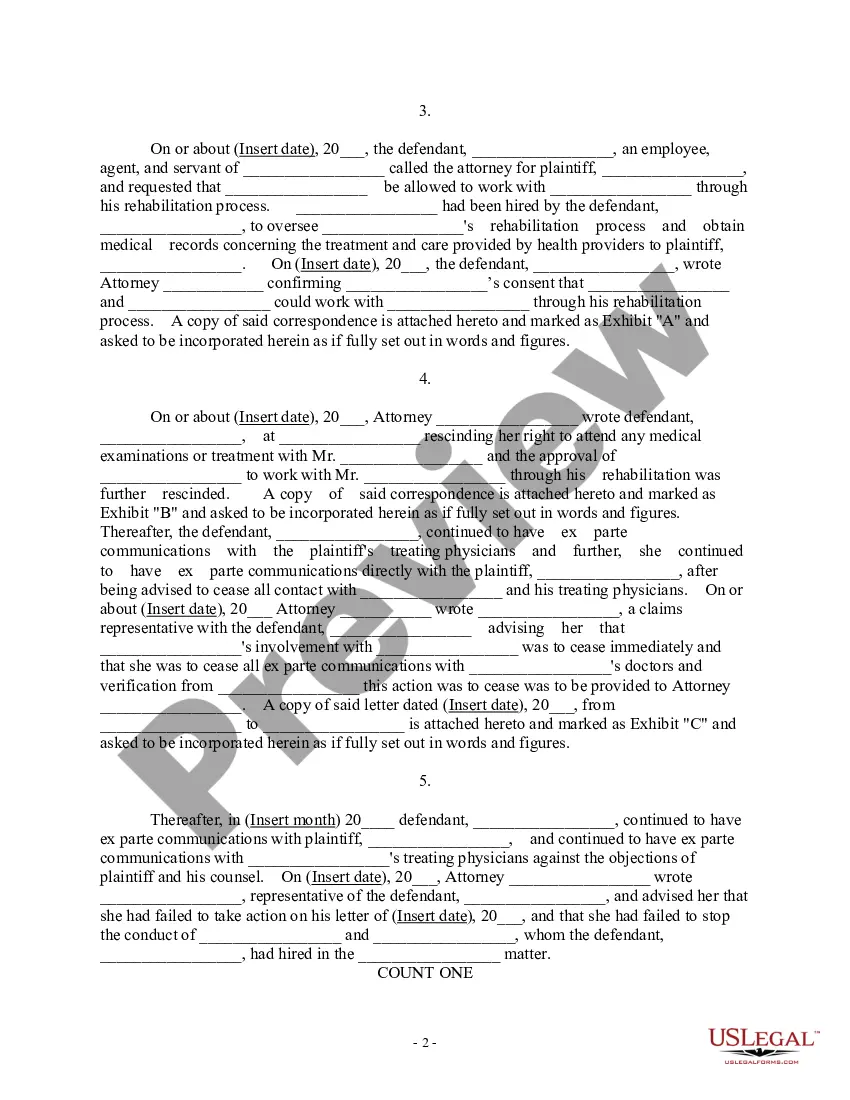
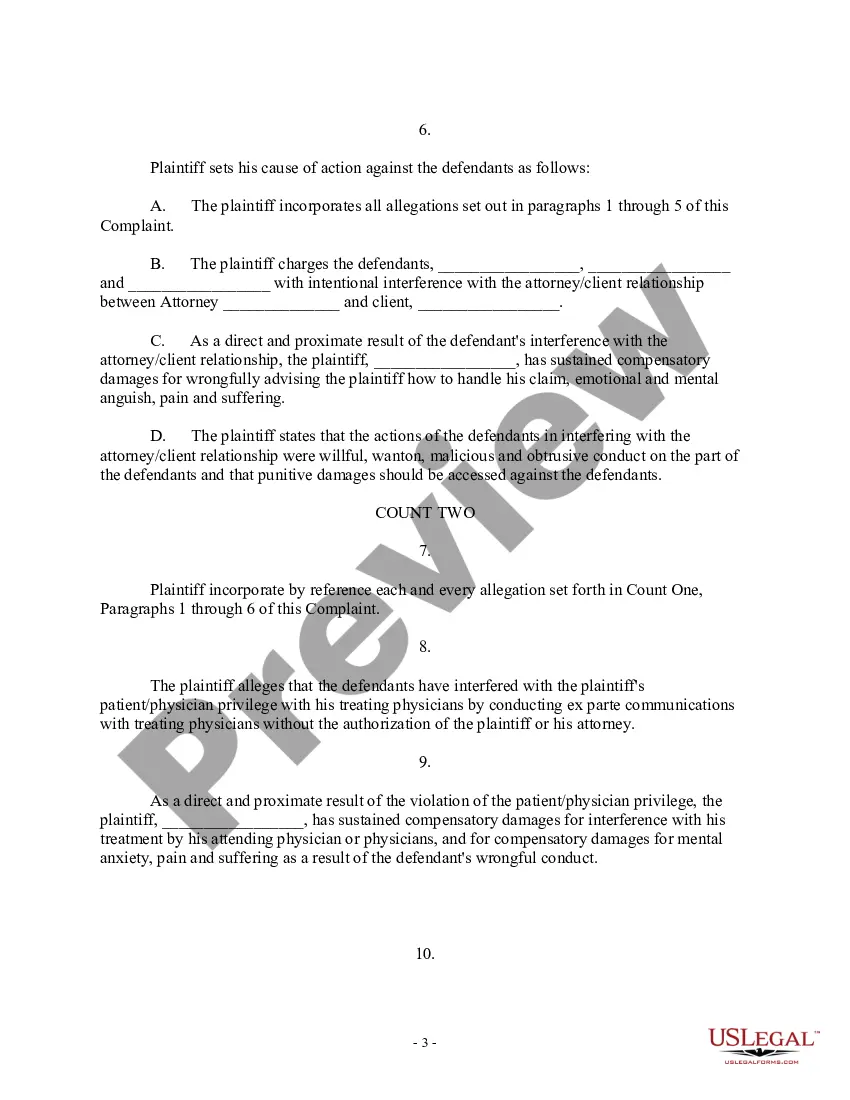
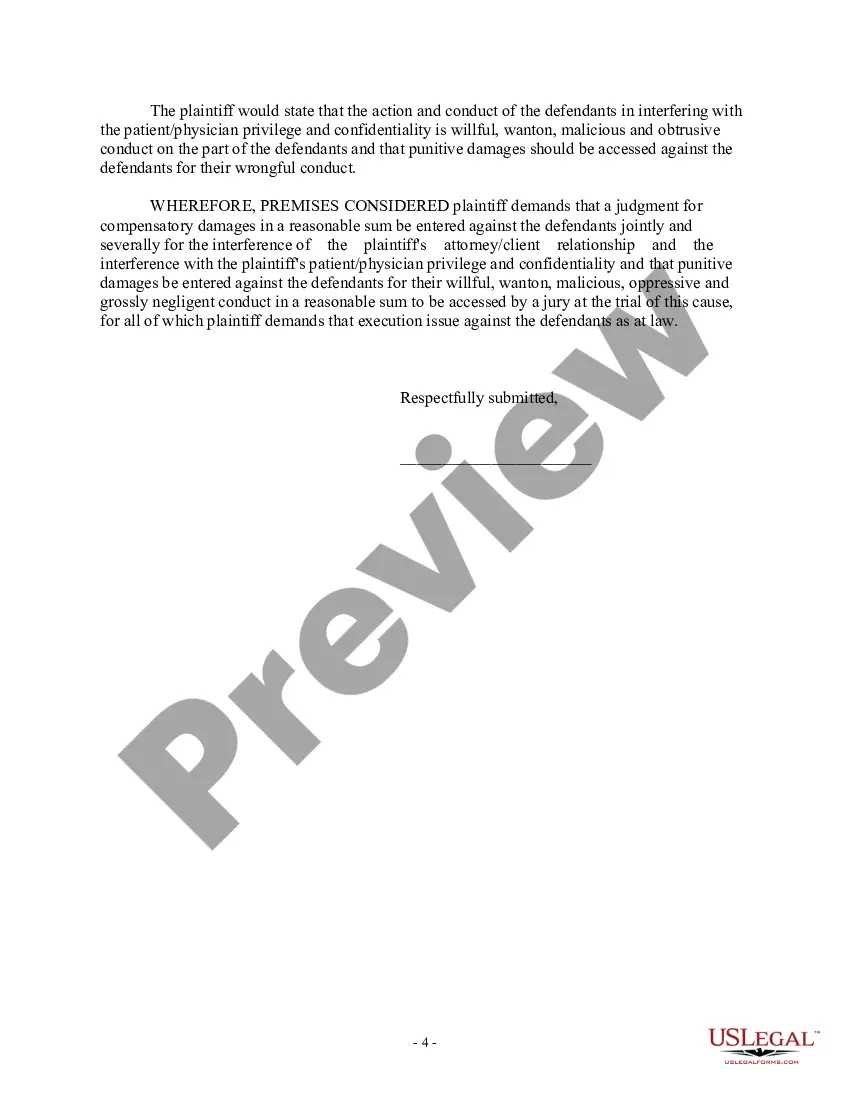




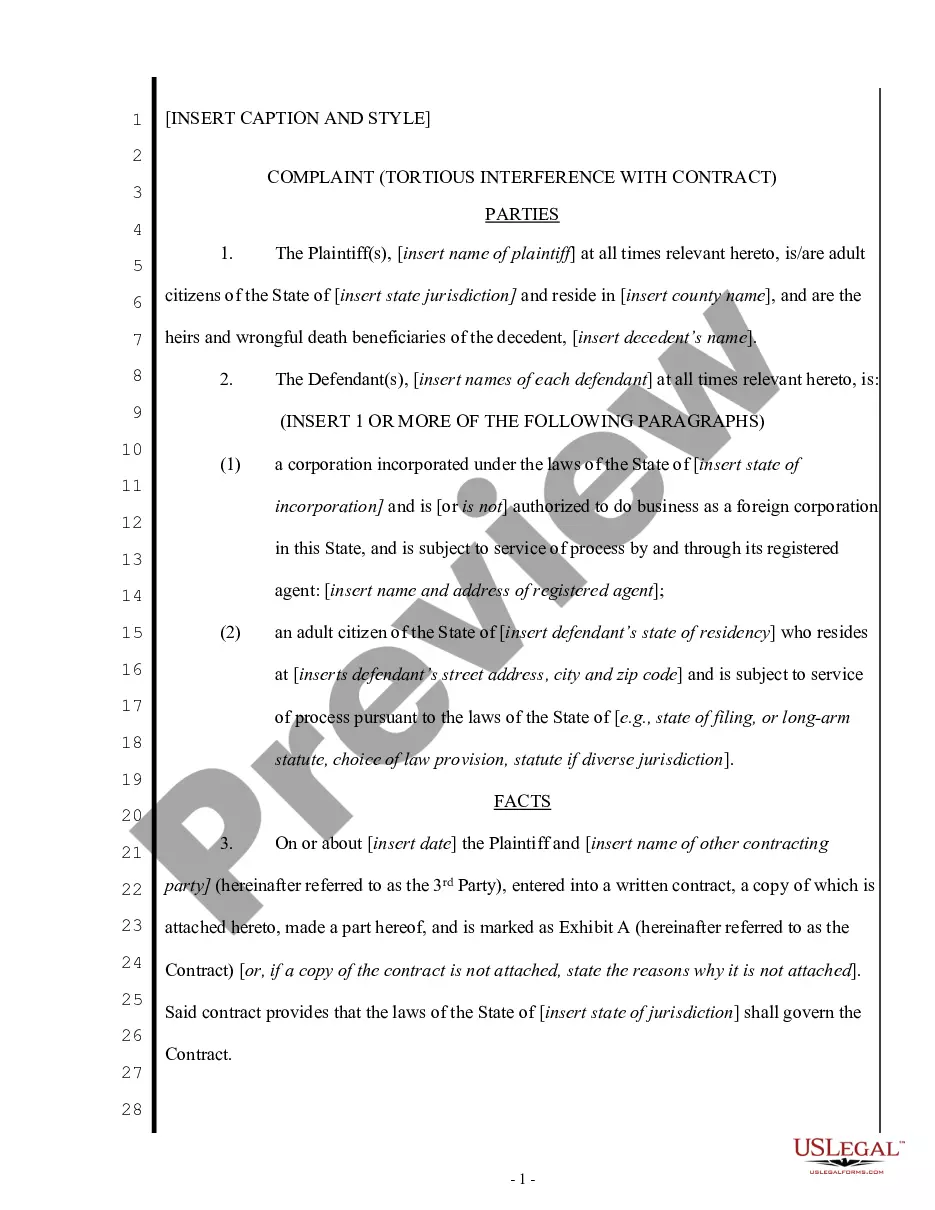
Get your form ready online
Our built-in tools help you complete, sign, share, and store your documents in one place.
Make edits, fill in missing information, and update formatting in US Legal Forms—just like you would in MS Word.
Download a copy, print it, send it by email, or mail it via USPS—whatever works best for your next step.
Sign and collect signatures with our SignNow integration. Send to multiple recipients, set reminders, and more. Go Premium to unlock E-Sign.
If this form requires notarization, complete it online through a secure video call—no need to meet a notary in person or wait for an appointment.
We protect your documents and personal data by following strict security and privacy standards.

Make edits, fill in missing information, and update formatting in US Legal Forms—just like you would in MS Word.

Download a copy, print it, send it by email, or mail it via USPS—whatever works best for your next step.

Sign and collect signatures with our SignNow integration. Send to multiple recipients, set reminders, and more. Go Premium to unlock E-Sign.

If this form requires notarization, complete it online through a secure video call—no need to meet a notary in person or wait for an appointment.

We protect your documents and personal data by following strict security and privacy standards.
Looking for another form?
Form popularity
FAQ
A lawyer may withdraw from representation in some circumstances. The lawyer has the option to withdraw if it can be accomplished without material adverse effect on the client's interests.
Lawyers can withdraw based on the fact their client refuses to be truthful, refuses to follow the attorney's advice, demands to pursue an unethical course of action, demands unrealistic results, desires to mislead the Court, refuses to cooperate with their counsel as well as countless other reasons.
A lawyer may withdraw if the client refuses to abide by the terms of an agreement relating to the representation, such as an agreement concerning fees or court costs or an agreement limiting the objectives of the representation.
The rule requires that a motion to withdraw be filed and served on the client and other parties of record. The court's approval will not be granted until client and counsel for other parties consent in writing or 14 days pass after service of the motion.
How do I remove an attorney on a given case? A document explaining who is being removed or substituted and why must be created and converted into a PDF format. Since all changes in representation must be approved by the Court, a Motion to Withdraw as Attorney or Motion to Substitute Attorney needs to be submitted.
A form disengagement letter (also known as a withdrawal letter or a termination of engagement letter) sent by an attorney or law firm to a client when withdrawing from representation in a litigation matter. This Standard Document has integrated notes with important explanations and drafting tips.
Be Clear: Be direct and get straight to the point. Clearly state that you are terminating the attorney and briefly state the reasons why. Additionally, the termination letter should state that the attorney should immediately stop working on any pending matters.
Withdrawal of counsel refers to an attorney's decision to stop representing a client in a legal case. This can happen for various reasons, such as a conflict between the attorney and client over strategy or fees. In most cases, the attorney needs permission from the court to withdraw from the case.
Client Consent: The simplest way is if you, as the client, agree to the attorney's withdrawal. The attorney should provide you with a request to withdraw in writing, and you can give your consent, also preferably in writing.