Lawyer With Client In Maryland
Description


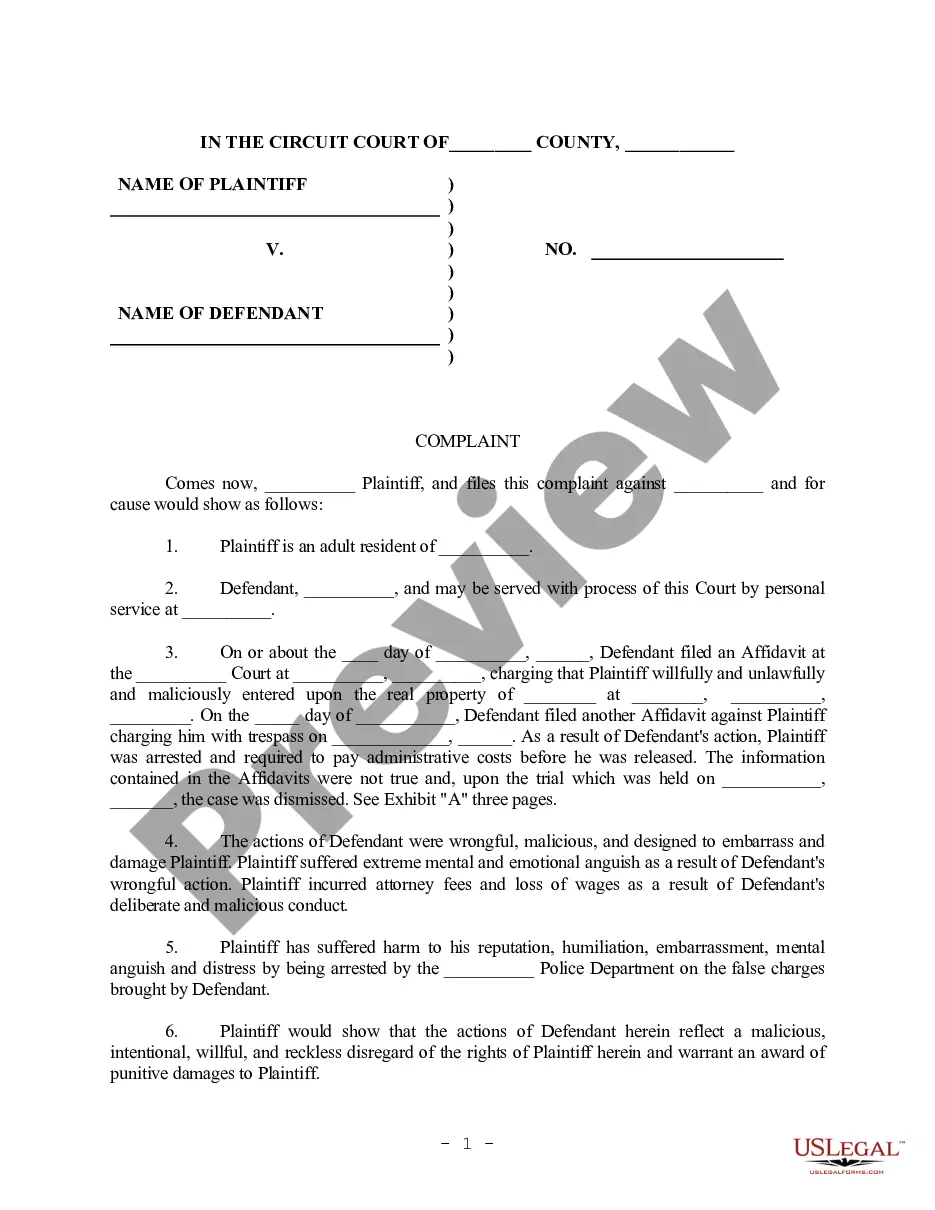
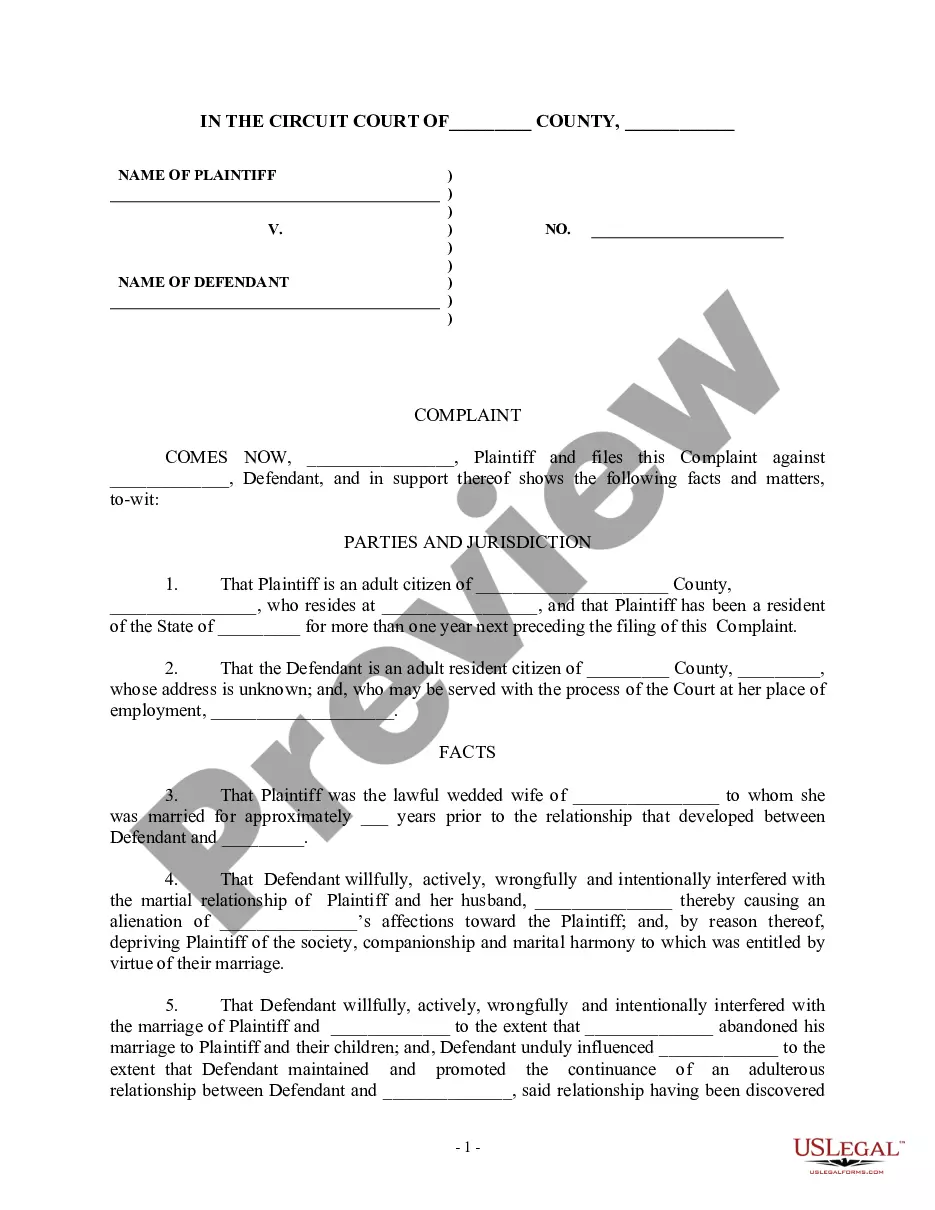

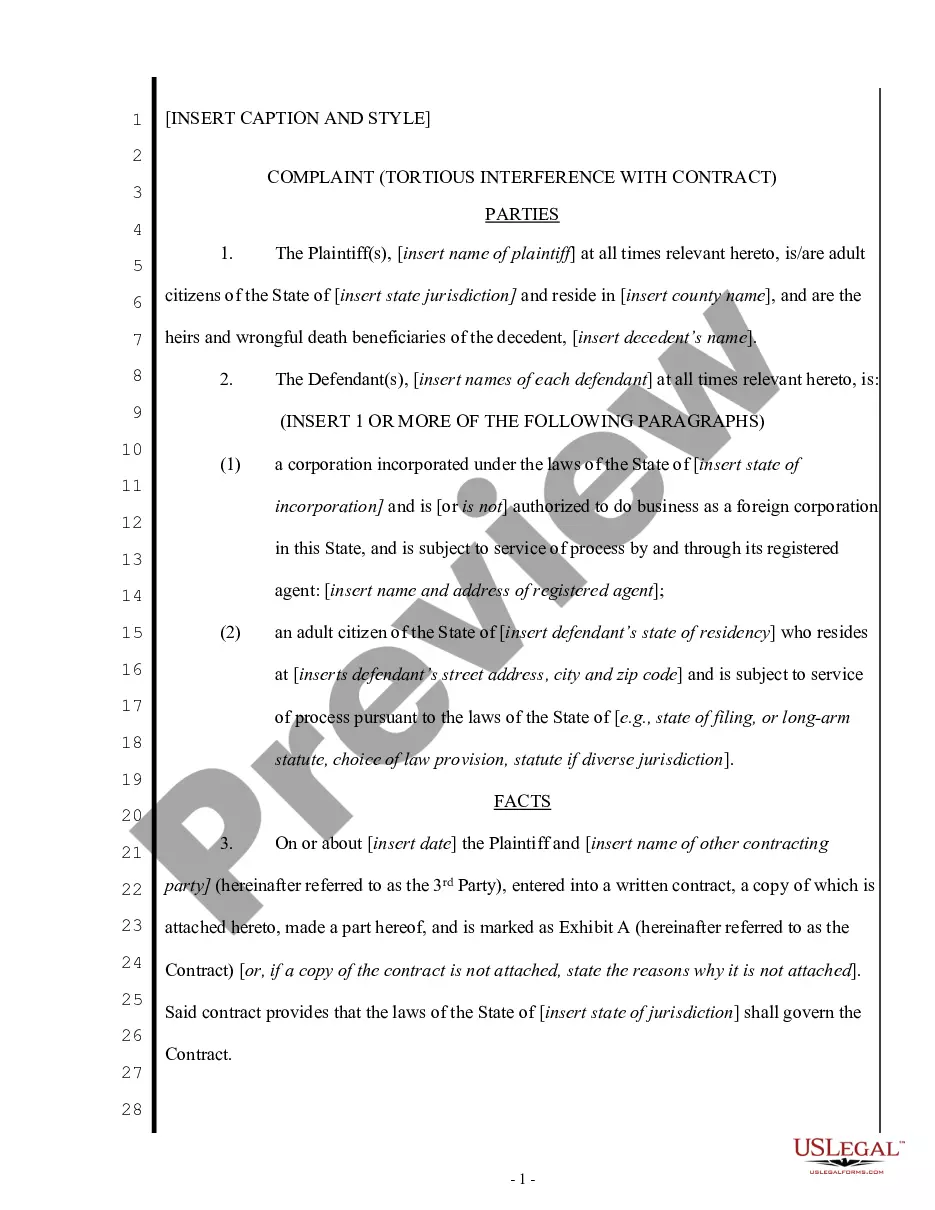
Get your form ready online
Our built-in tools help you complete, sign, share, and store your documents in one place.
Make edits, fill in missing information, and update formatting in US Legal Forms—just like you would in MS Word.
Download a copy, print it, send it by email, or mail it via USPS—whatever works best for your next step.
Sign and collect signatures with our SignNow integration. Send to multiple recipients, set reminders, and more. Go Premium to unlock E-Sign.
If this form requires notarization, complete it online through a secure video call—no need to meet a notary in person or wait for an appointment.
We protect your documents and personal data by following strict security and privacy standards.

Make edits, fill in missing information, and update formatting in US Legal Forms—just like you would in MS Word.

Download a copy, print it, send it by email, or mail it via USPS—whatever works best for your next step.

Sign and collect signatures with our SignNow integration. Send to multiple recipients, set reminders, and more. Go Premium to unlock E-Sign.

If this form requires notarization, complete it online through a secure video call—no need to meet a notary in person or wait for an appointment.

We protect your documents and personal data by following strict security and privacy standards.
Looking for another form?





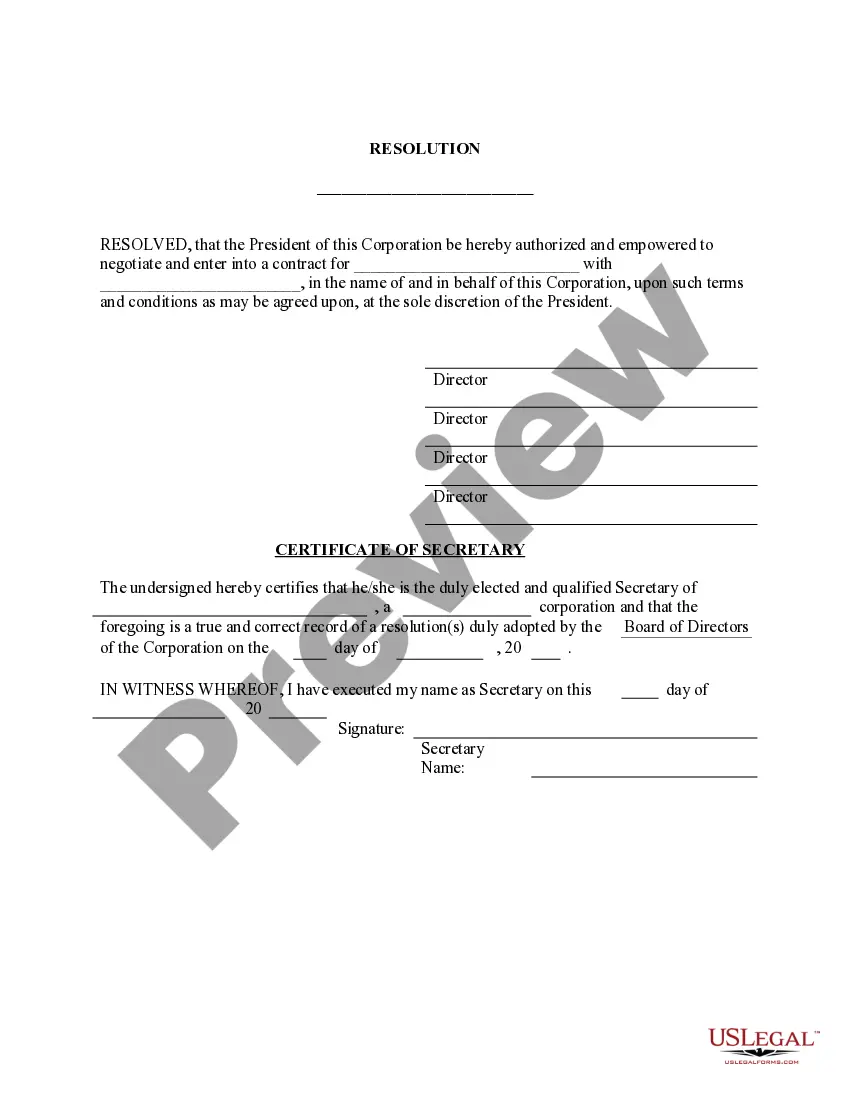

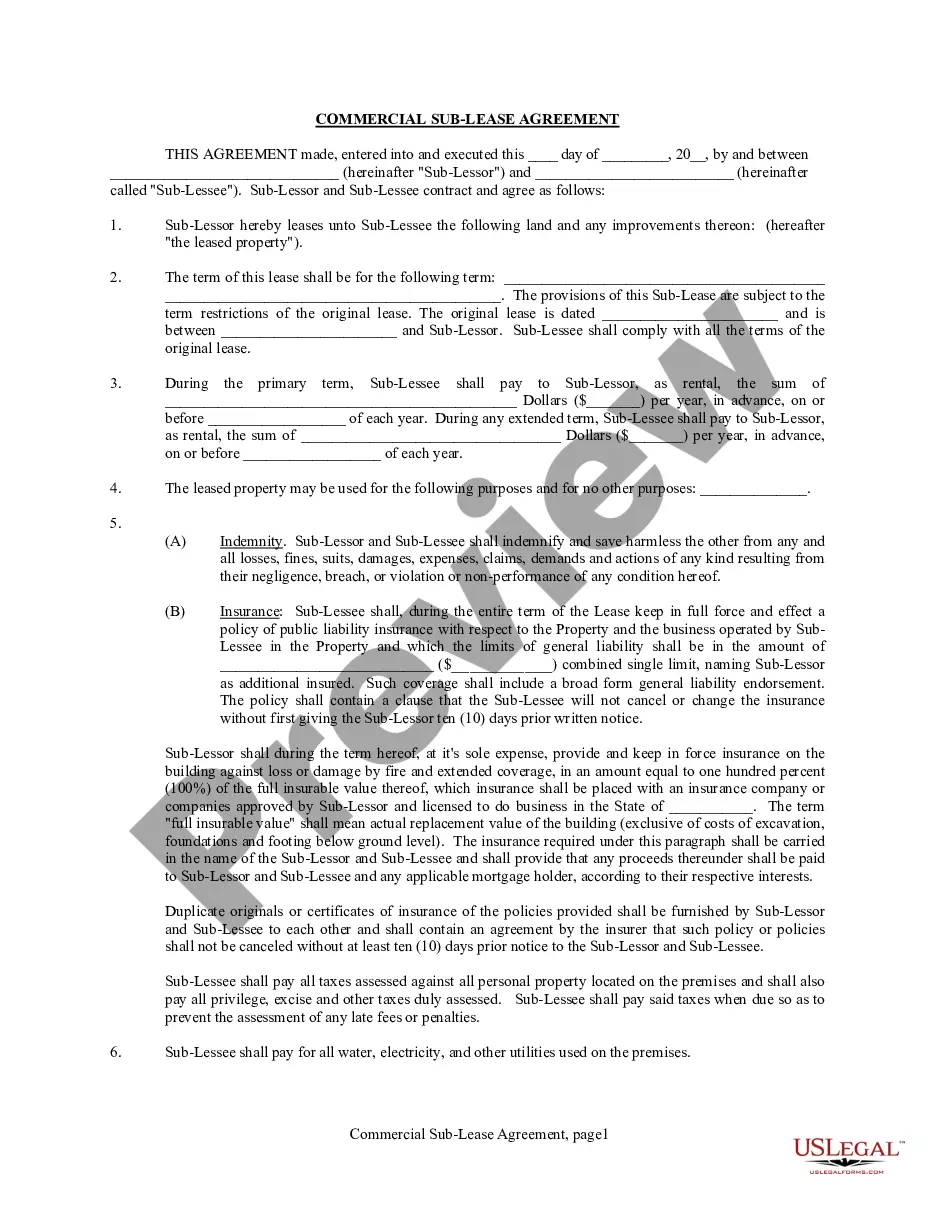
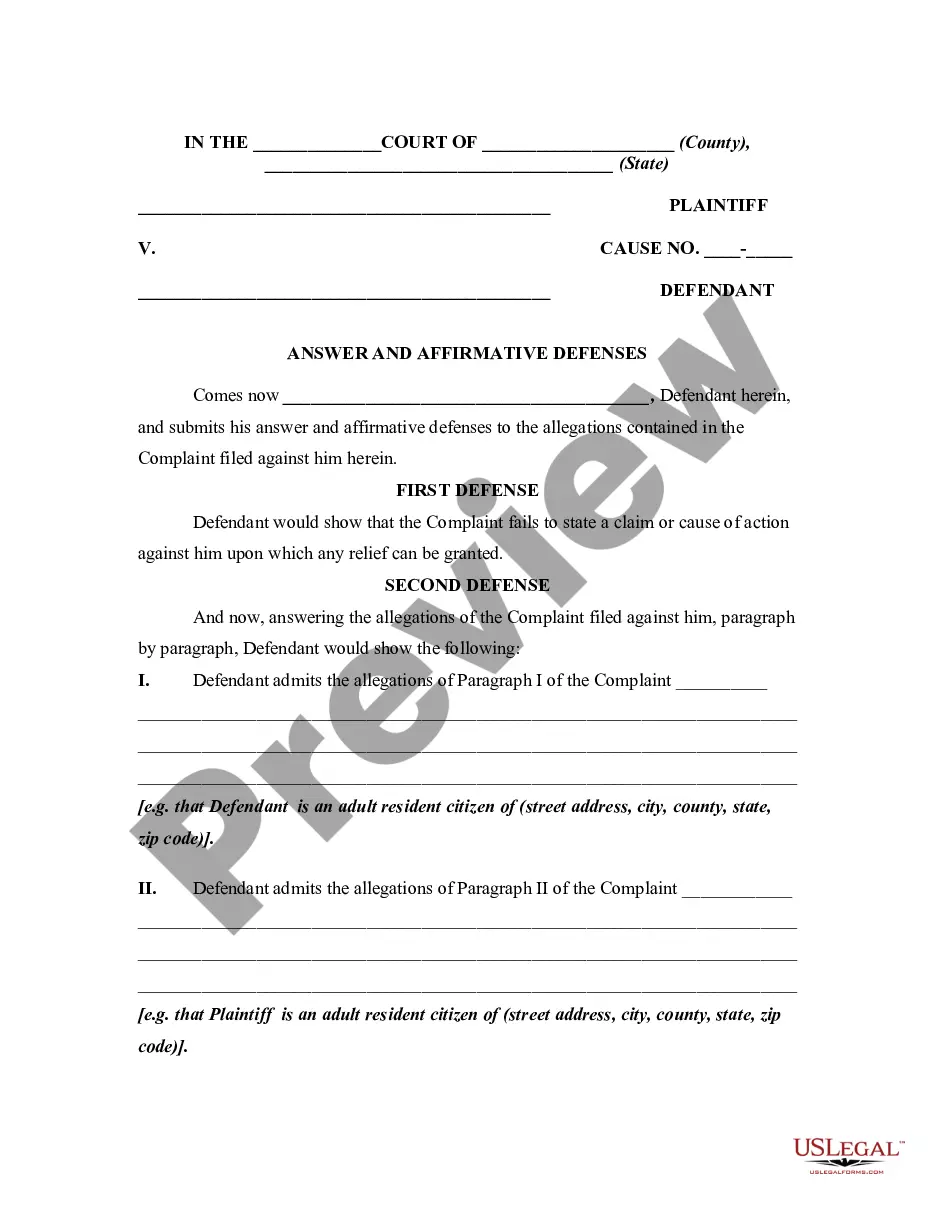
Form popularity
FAQ
California defines “client papers and properties” and then notes two exceptions. California Rule of Professional Conduct 3-700(D)(1) defines “client papers and property” to include “correspondence, pleadings, deposition transcripts, exhibits, physical evidence, expert reports, and other items reasonably necessary to ...
Most jurisdictions have rules requiring the attorney to maintain records pertaining to their trust accounts and to other client "property" for a specified period after representation ends. For example, in Maryland and the District of Columbia, one must maintain such records for five years.
Amended Rule 4.2(a) provides: “In representing a client, a lawyer shall not communicate about the subject of the representation with a person who the law- yer knows is represented in the matter by another lawyer unless the lawyer has the consent of the other lawyer or is authorized by law or court order to do so.” ...
The papers in a client's file belong to the client and must be released promptly to the client following termination of the attorney-client relationship if requested by the client. Rule 3-700(D)(2), Rules of Professional Conduct of the State Bar of California.
Rule 19-305.5 - Effective until 1/1/2025 Unauthorized Practice of Law; Multi-Jurisdictional Practice of Law (5.5) (a) An attorney shall not practice law in a jurisdiction in violation of the regulation of the legal profession in that jurisdiction, or assist another in doing so.
All emails are printed and placed in the client's file.
Section 4-347 of the Maryland Revised Statutes provides for sentencing and revocation of probation for the commission of new crimes. These are often called “Rule 4 violations.” There is no discretion in these cases.
Rule 19-304.2 - Communications with Persons Represented by an Attorney (4.2) (a) Except as provided in section (c) of this Rule, in representing a client, an attorney shall not communicate about the subject of the representation with a person who the attorney knows is represented in the matter by another attorney ...
The penalty for failure to appear is a misdemeanor offense, and under Section 5-212(c), is punishable by 90 days incarceration and a fine not to exceed $500.00 making it important that a Maryland failure to appear attorney is consulted.