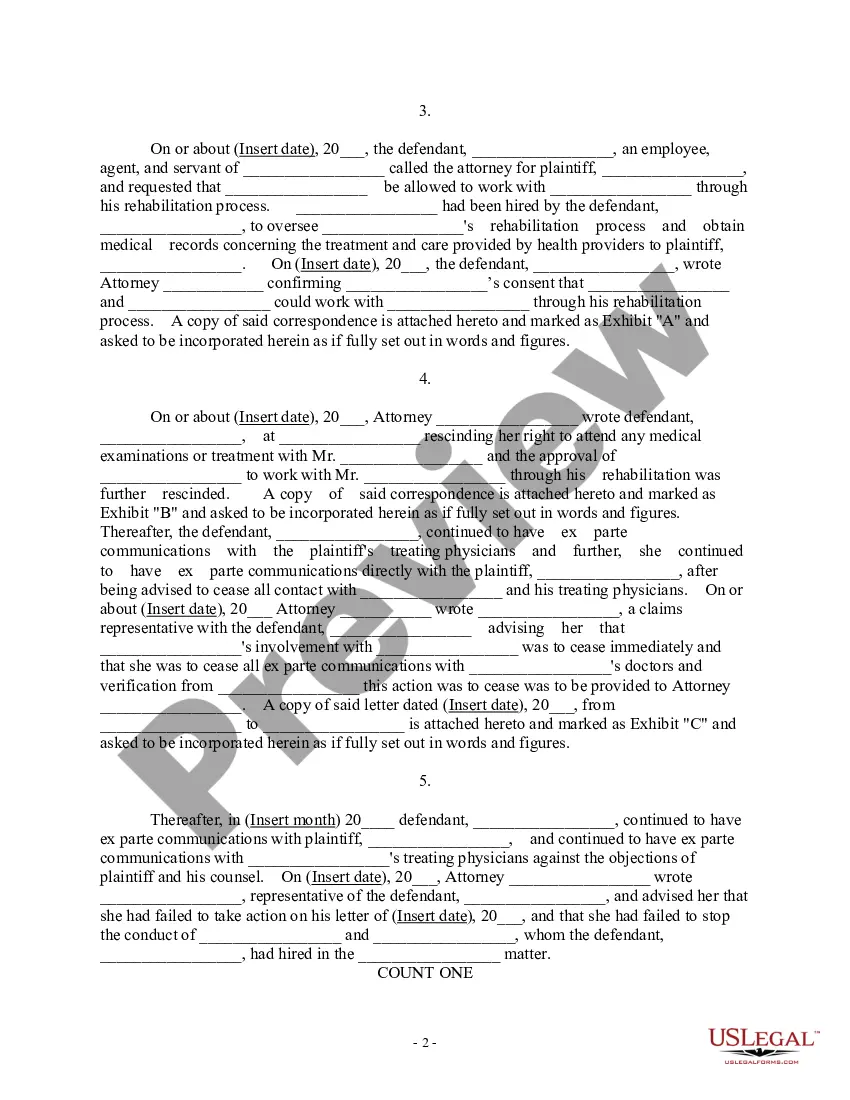
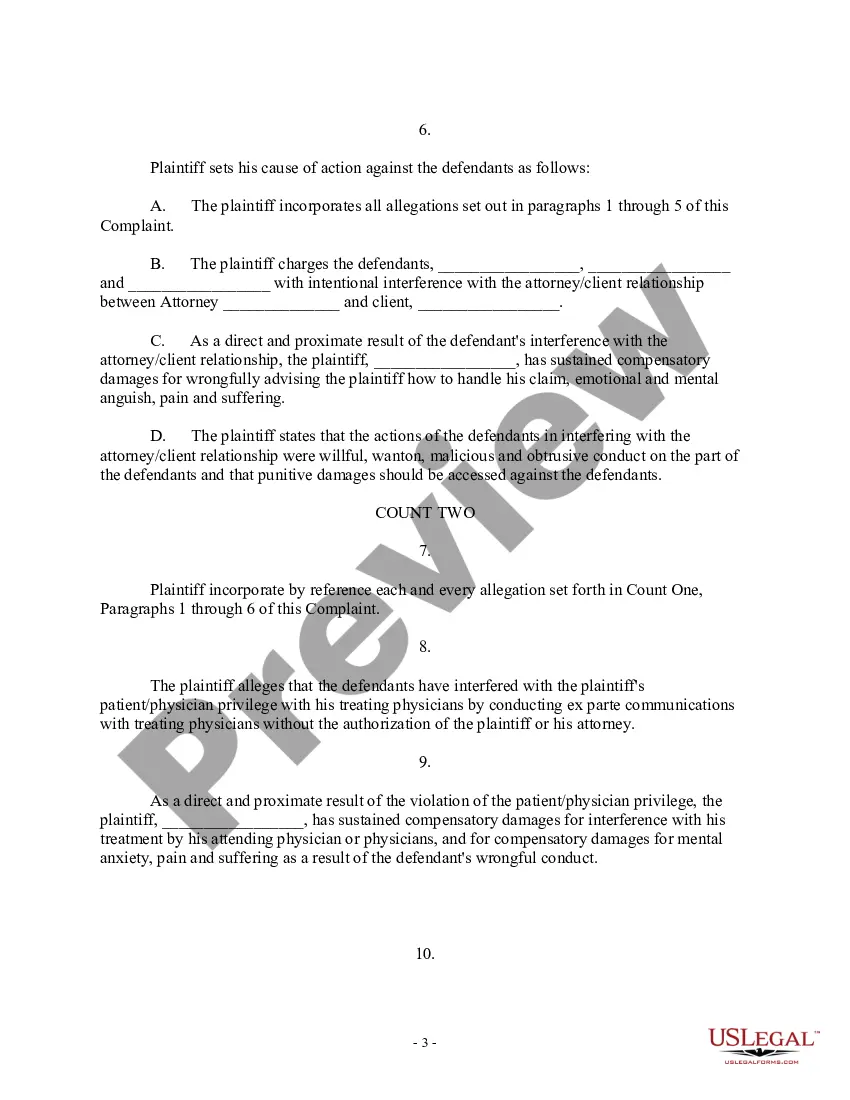
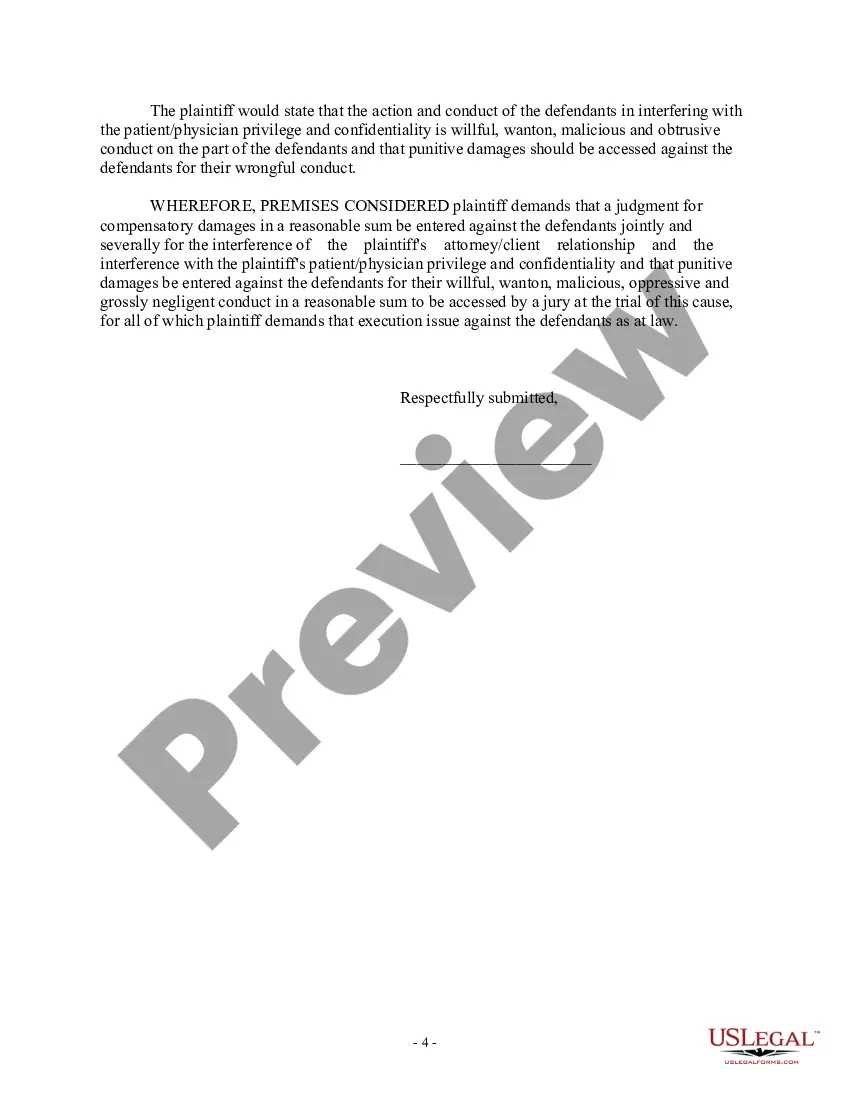
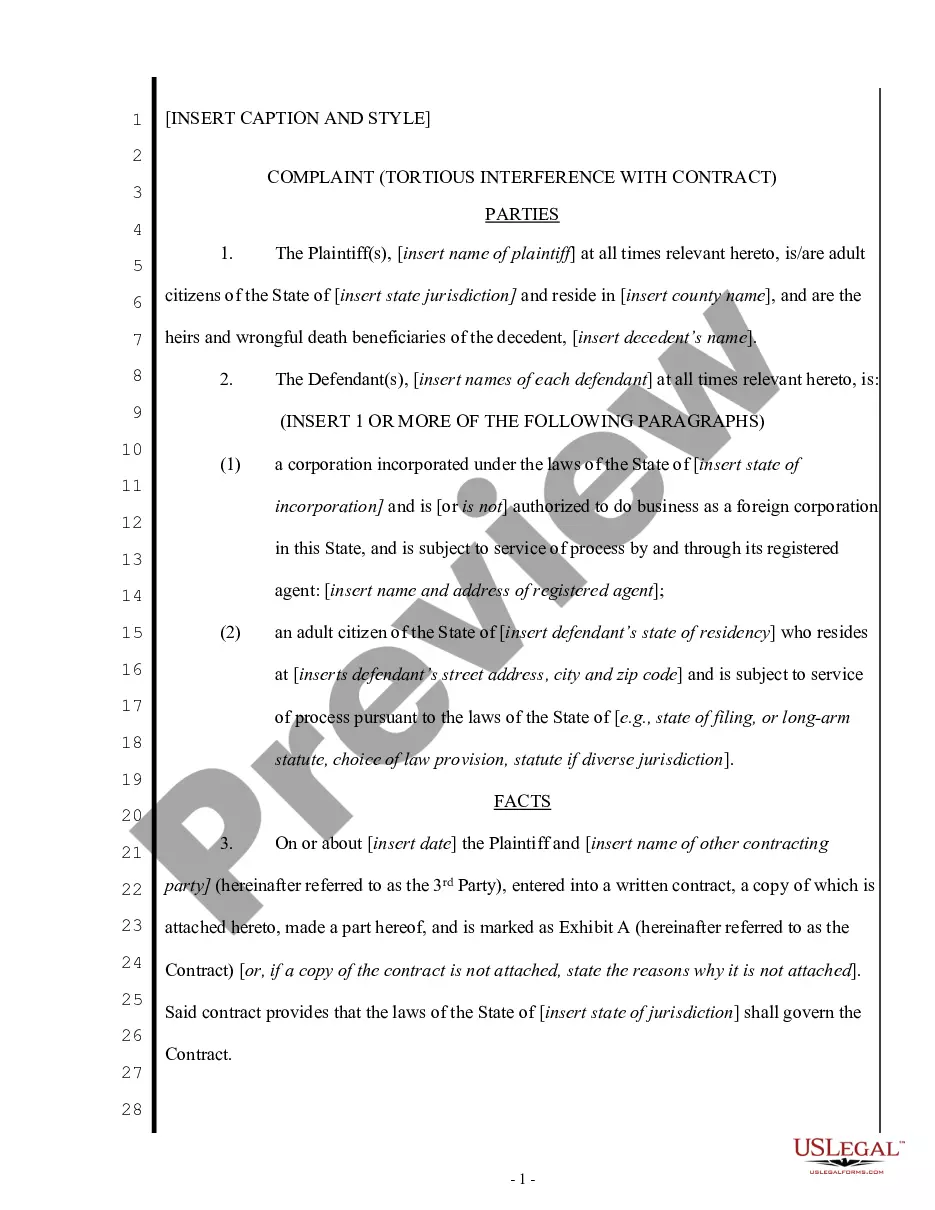
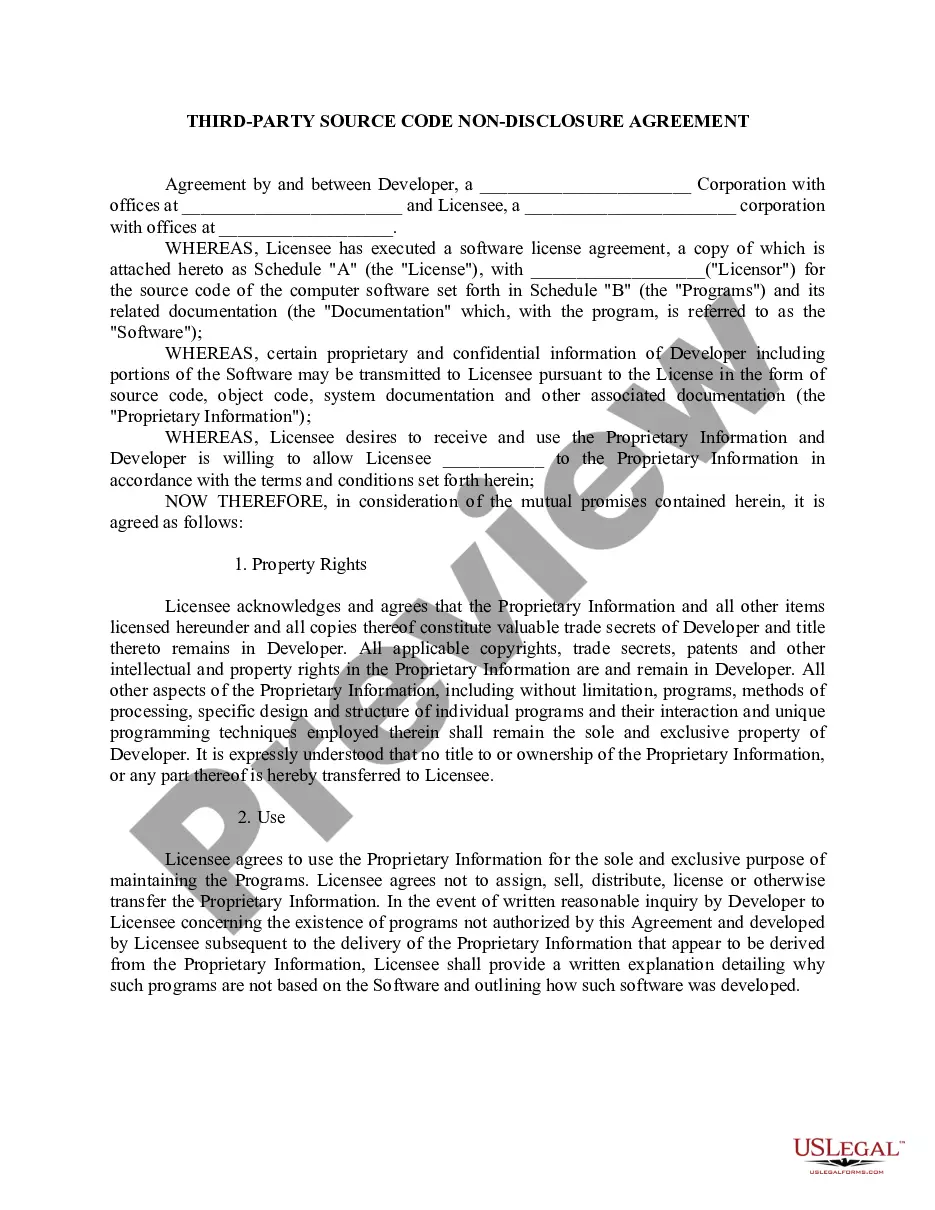
Interference With Attorney Client Relationship In Kings
Description




Get your form ready online
Our built-in tools help you complete, sign, share, and store your documents in one place.
Make edits, fill in missing information, and update formatting in US Legal Forms—just like you would in MS Word.
Download a copy, print it, send it by email, or mail it via USPS—whatever works best for your next step.
Sign and collect signatures with our SignNow integration. Send to multiple recipients, set reminders, and more. Go Premium to unlock E-Sign.
If this form requires notarization, complete it online through a secure video call—no need to meet a notary in person or wait for an appointment.
We protect your documents and personal data by following strict security and privacy standards.

Make edits, fill in missing information, and update formatting in US Legal Forms—just like you would in MS Word.

Download a copy, print it, send it by email, or mail it via USPS—whatever works best for your next step.

Sign and collect signatures with our SignNow integration. Send to multiple recipients, set reminders, and more. Go Premium to unlock E-Sign.

If this form requires notarization, complete it online through a secure video call—no need to meet a notary in person or wait for an appointment.

We protect your documents and personal data by following strict security and privacy standards.
Looking for another form?

Form popularity
FAQ
I am writing to officially notify you that I am terminating your services immediately. This is because {reason(s) for terminating the representation}. You do not have permission to send any demands on my behalf and I am advising the insurance company that you no longer represent me for this personal injury claim.
A conflict of interest refers to the ethical problems that may arise between parties with a preexisting relationship. In law, a conflict of interest arises between an attorney and a client if the interests of the attorney, a different client, or a third-party conflict with the interests of the present client.
Answer: To politely inform a lawyer that their services are no longer required, you can send them a clear and concise email or letter expressing your gratitude for their assistance thus far, but stating that you have decided to go in a different direction or have resolved the matter on your own.
1. Terminating Your Current Attorney: You can terminate your attorney-client relationship at any time. However, it is crucial to do so in writing. A formal letter stating your intention to end the relationship should be sent to your attorney. This letter serves as a record of your decision and its date. 2.
You should inform your clients as soon as possible, explain how the conflict may affect your service or advice, and offer them options or alternatives. You should also document your communication and actions in writing, and keep your clients updated on any changes or developments.
Even if the matter is not pending before a tribunal, the ethics rules of most states provide that a lawyer cannot withdraw until he or she has taken reasonable steps to avoid foreseeable prejudice to the rights of his client, such as giving notice to the client, allowing time for employment of other counsel, delivering ...
No matter how the attorney-client privilege is articulated, there are four basic elements necessary to establish its existence: (1) a communication; (2) made between privileged persons; (3) in confidence; (4) for the purpose of seeking, obtaining or providing legal assistance to the client.
If someone listens to your lawyer's confidential communications without your consent (e.g., overhearing, illegal wiretapping), the eavesdropper is legally forbidden from divulging that personal information. That testimony will be inadmissible in court if they do so, but the eavesdropper may even face criminal charges.
Professional Ethics: Most legal ethical codes strongly discourage or outright prohibit lawyers from engaging in romantic relationships with clients during representation. This is to maintain professional boundaries and ensure that the lawyer-client relationship is based solely on the client's legal needs.
In representing a client, a lawyer shall not communicate about the subject of the representation with a person the lawyer knows to be represented by another lawyer in the matter, unless the lawyer has the consent of the other lawyer or is authorized to do so by law or a court order.