Attorney Sleeping With Client In Illinois
Description

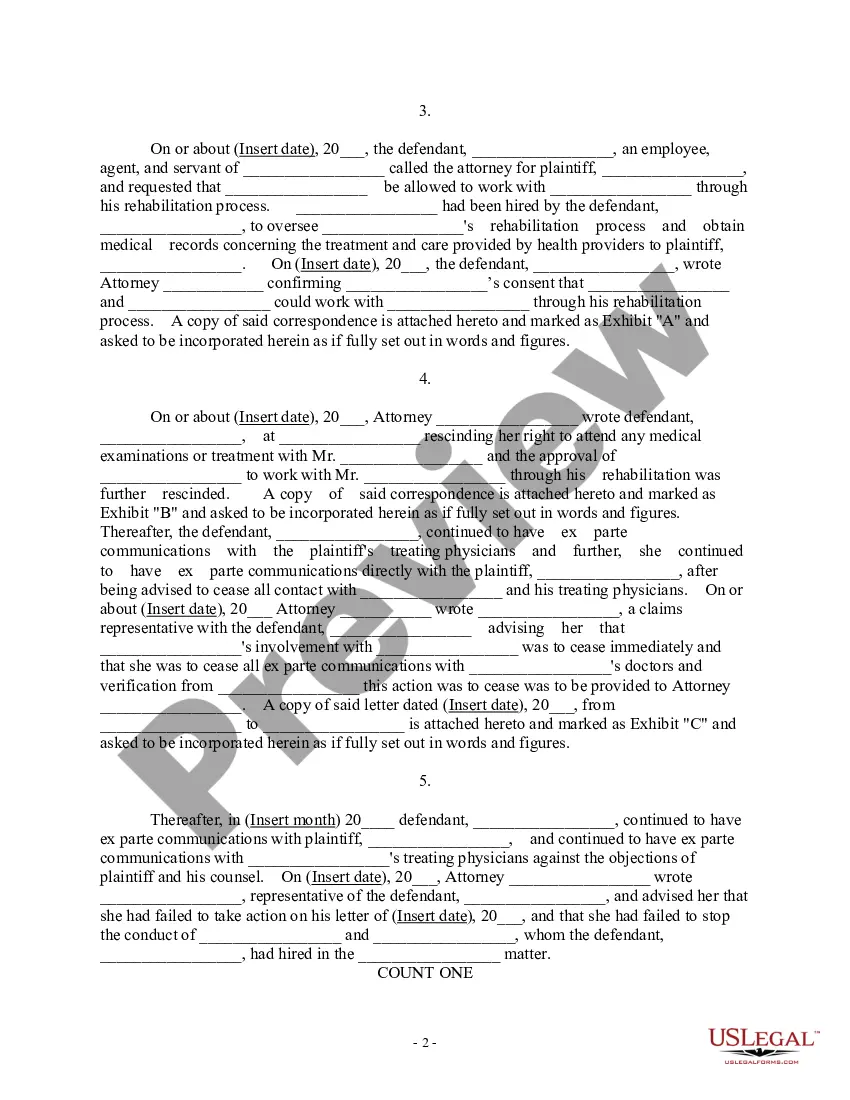
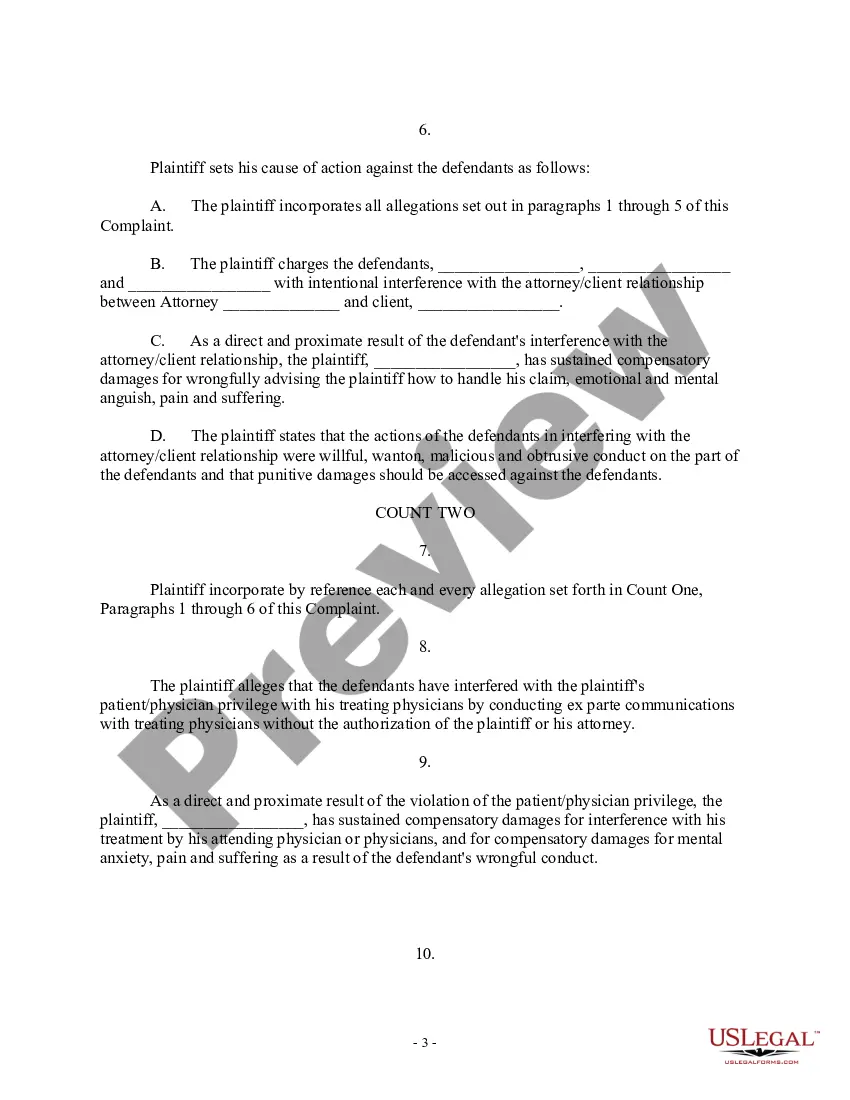
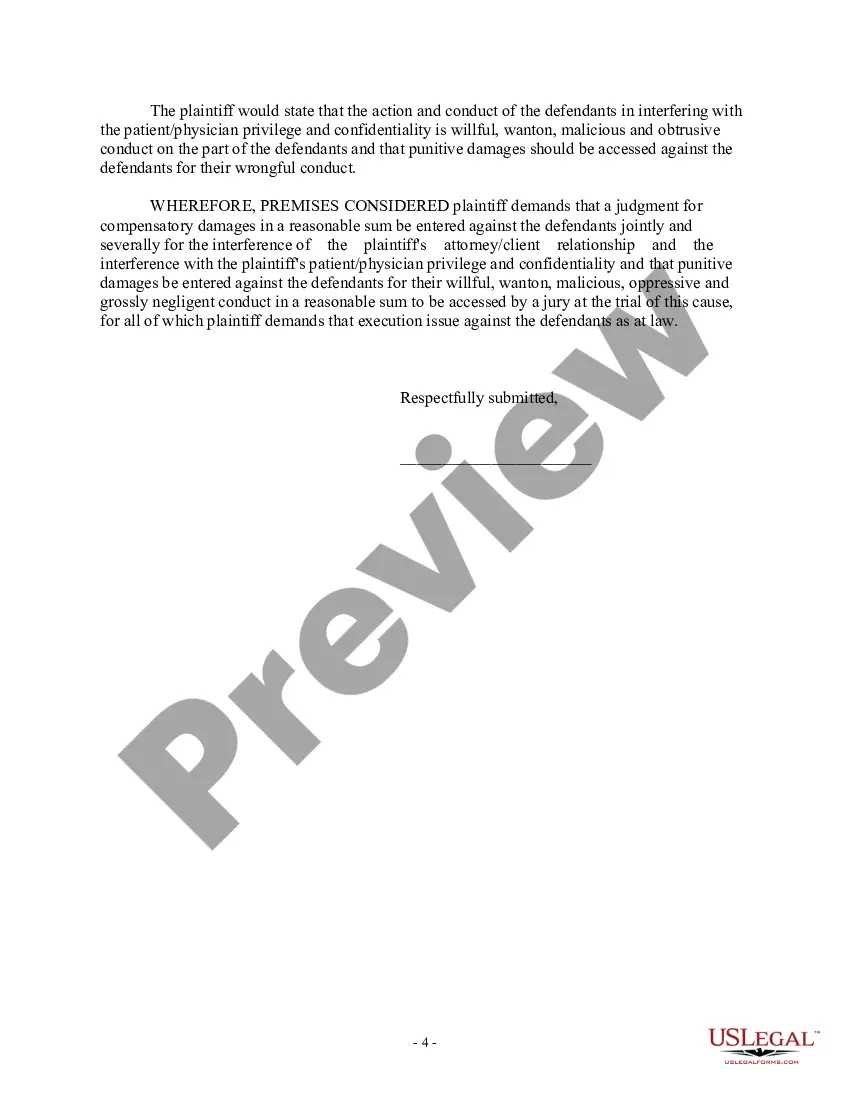

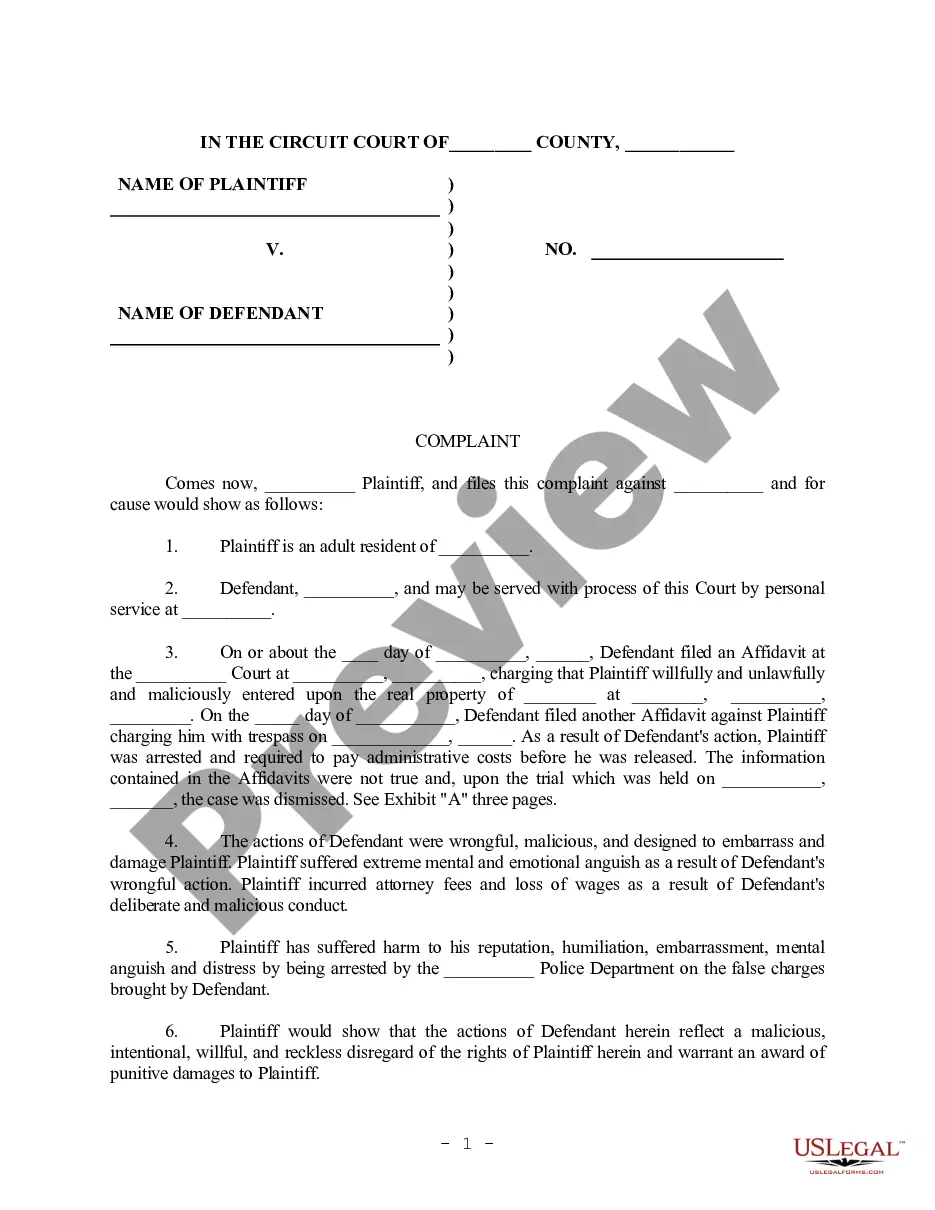

Get your form ready online
Our built-in tools help you complete, sign, share, and store your documents in one place.
Make edits, fill in missing information, and update formatting in US Legal Forms—just like you would in MS Word.
Download a copy, print it, send it by email, or mail it via USPS—whatever works best for your next step.
Sign and collect signatures with our SignNow integration. Send to multiple recipients, set reminders, and more. Go Premium to unlock E-Sign.
If this form requires notarization, complete it online through a secure video call—no need to meet a notary in person or wait for an appointment.
We protect your documents and personal data by following strict security and privacy standards.

Make edits, fill in missing information, and update formatting in US Legal Forms—just like you would in MS Word.

Download a copy, print it, send it by email, or mail it via USPS—whatever works best for your next step.

Sign and collect signatures with our SignNow integration. Send to multiple recipients, set reminders, and more. Go Premium to unlock E-Sign.

If this form requires notarization, complete it online through a secure video call—no need to meet a notary in person or wait for an appointment.

We protect your documents and personal data by following strict security and privacy standards.
Looking for another form?






Form popularity
FAQ
(a) A lawyer who knows that another lawyer has committed a violation of the Rules of Professional Conduct that raises a substantial question as to that lawyer's honesty, trustworthiness or fitness as a lawyer in other respects, shall inform the appropriate professional authority.
Lawyer fears may be described in a variety of ways, but most (or all) are ultimately the fear of mistakes. We don't want to appear foolish or incompetent, and we certainly don't want to cause a bad outcome.
Personal Opinions or Bias: Do not share personal opinions or biases that aren't relevant to the legal advice or the case. The focus should be on legal counsel, not personal beliefs. Inappropriate Jokes or Comments: Avoid making jokes or comments that could be seen as unprofessional, insensitive, or offensive.
Breach of Professional Ethics: Most legal systems and bar associations have strict rules about maintaining professional boundaries. Engaging in a sexual relationship with a client can lead to disciplinary action against the lawyer, including disbarment.
Undisclosed conflicts of interest are also unethical, as are any illegal or unscrupulous activities, such as suppression of evidence or misleading statements made to courts.
If perjured testimony or false evidence has been offered, the advocate's proper course ordinarily is to remonstrate with the client confidentially. If that fails, the advocate should seek to withdraw if that will remedy the situation.
Professional Ethics: Most legal ethical codes strongly discourage or outright prohibit lawyers from engaging in romantic relationships with clients during representation. This is to maintain professional boundaries and ensure that the lawyer-client relationship is based solely on the client's legal needs.
Rule 1.6 - Confidentiality of Information (a) A lawyer shall not reveal information relating to the representation of a client unless the client gives informed consent, the disclosure is impliedly authorized in order to carry out the representation, or the disclosure is permitted by paragraph (b) or required by ...
In reality, a lawyer is strictly prohibited from misrepresenting the truth, about their client or about any other matter, before any tribunal or court and in communications to any involved party. That means that a lawyer can't misrepresent the nature or quality of your business during a contract negotiation.
In most jurisdictions, ethical rules explicitly prohibit lawyers from engaging in sexual relationships with clients. This prohibition is based on several key reasons: Conflict of Interest: A romantic or sexual relationship can create a significant conflict of interest.