Attorney Client Privilege With In House Counsel In Illinois
Description

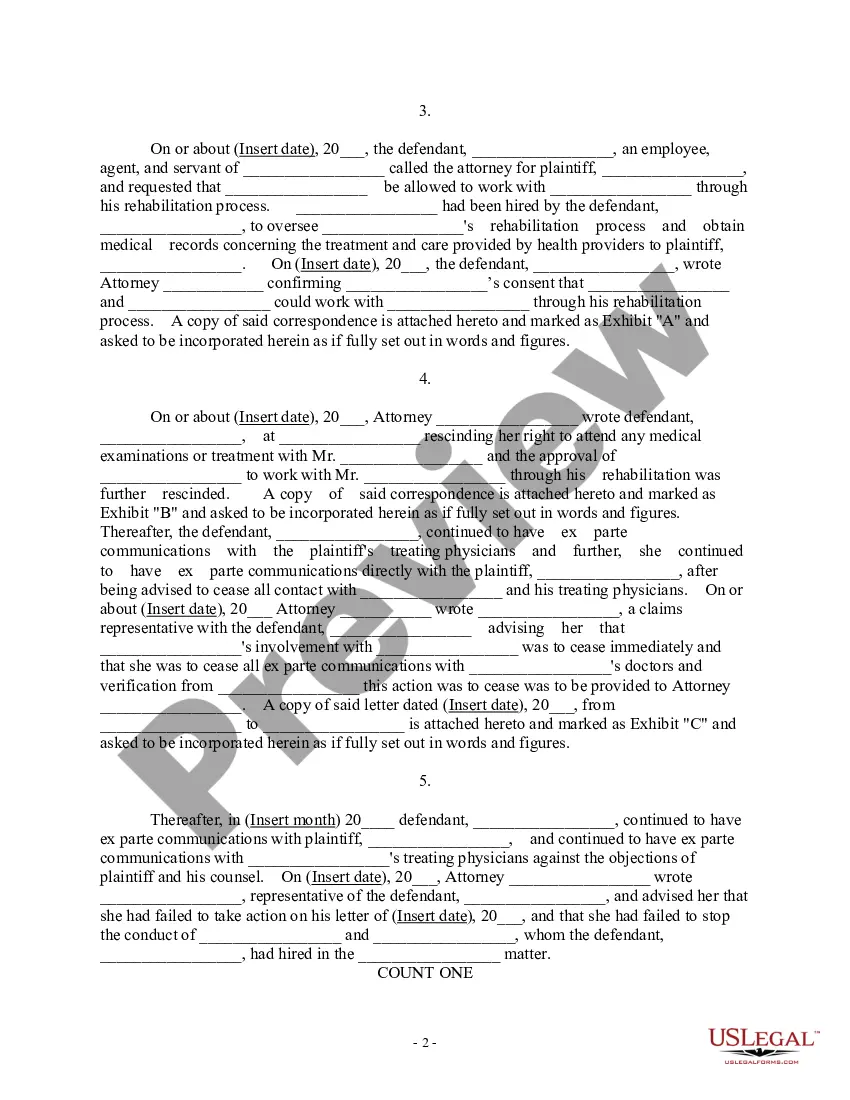
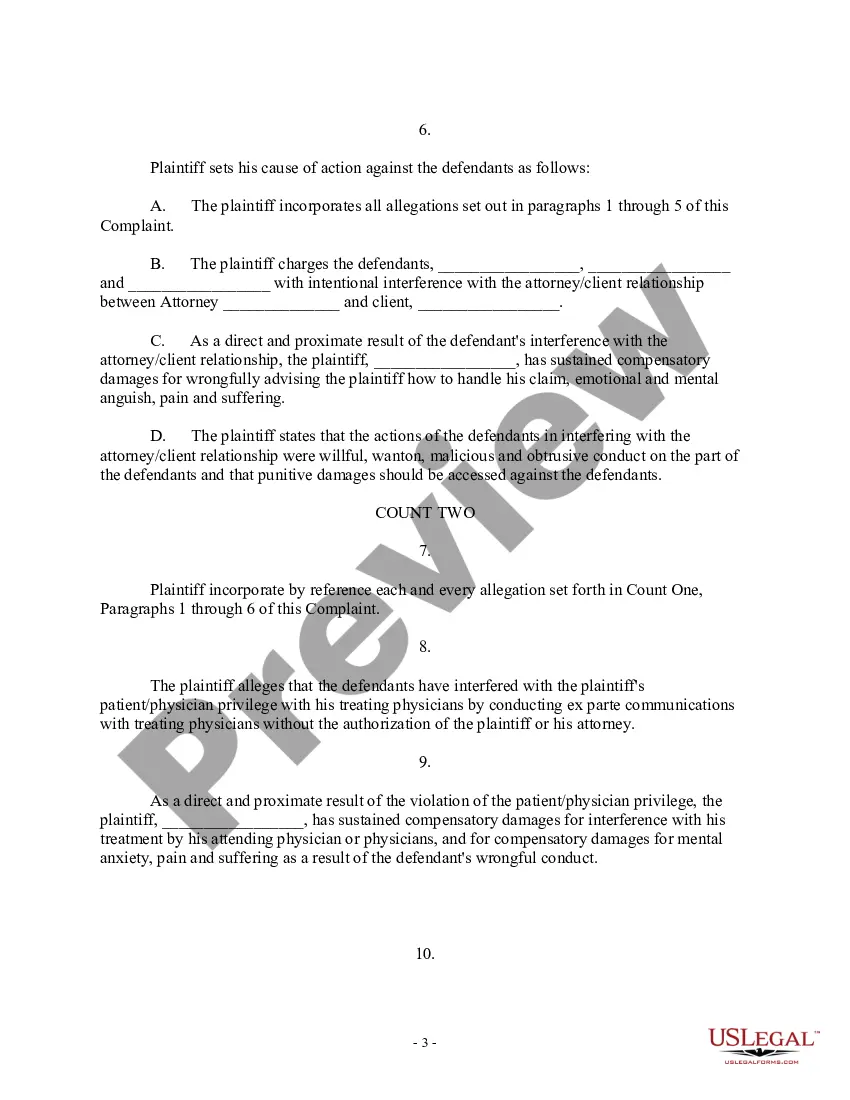
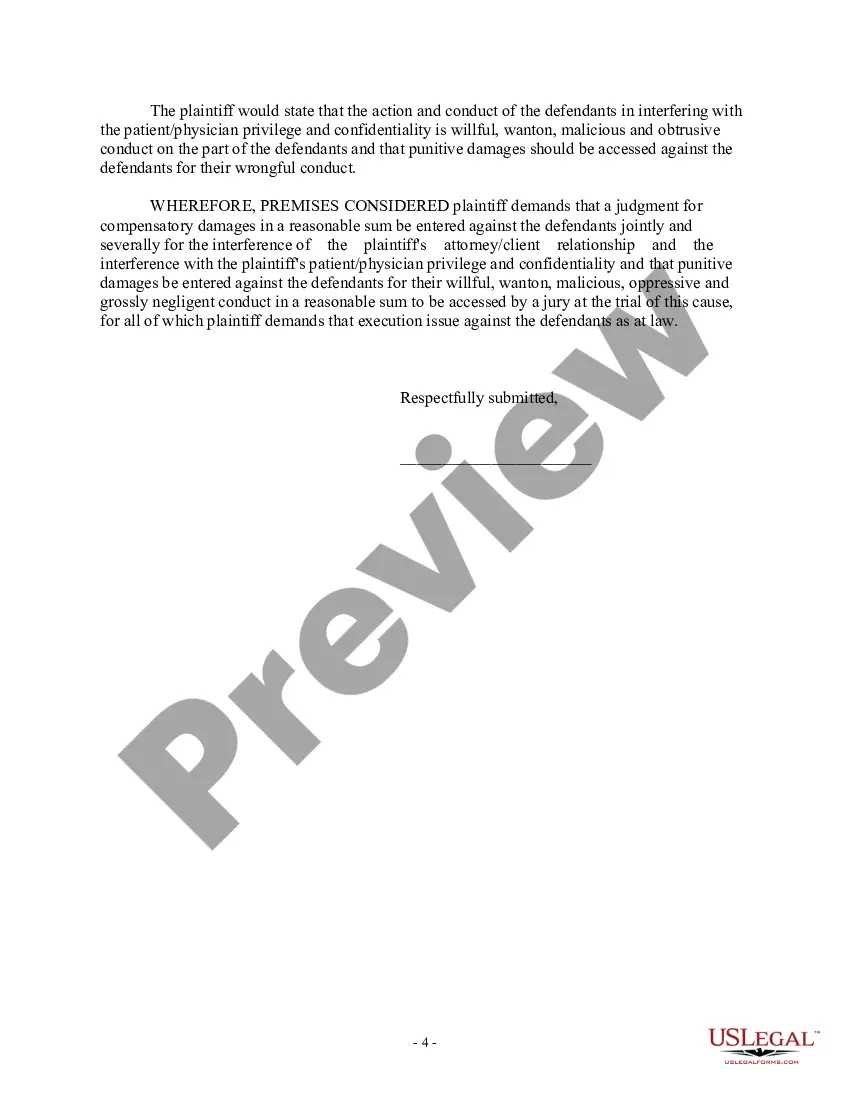

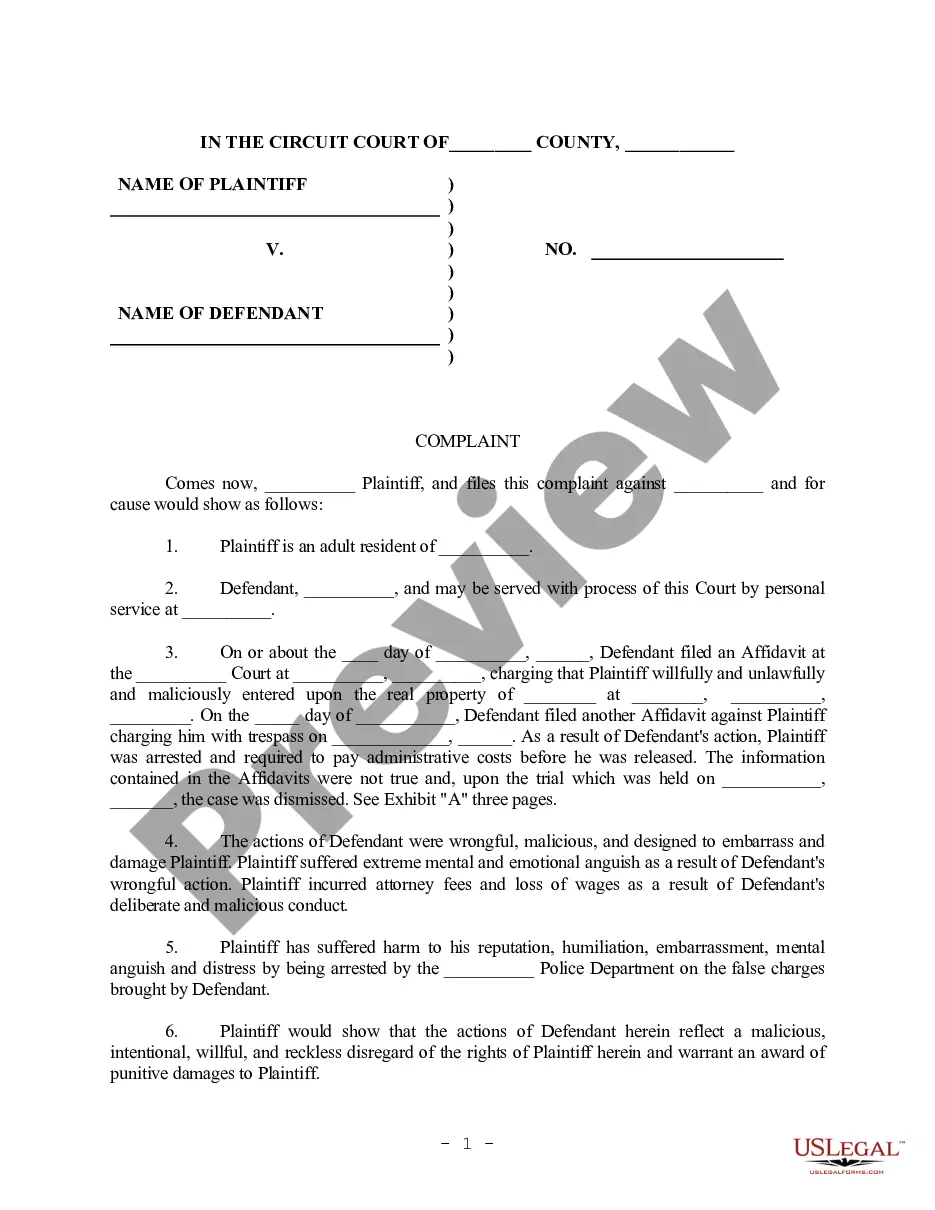

Get your form ready online
Our built-in tools help you complete, sign, share, and store your documents in one place.
Make edits, fill in missing information, and update formatting in US Legal Forms—just like you would in MS Word.
Download a copy, print it, send it by email, or mail it via USPS—whatever works best for your next step.
Sign and collect signatures with our SignNow integration. Send to multiple recipients, set reminders, and more. Go Premium to unlock E-Sign.
If this form requires notarization, complete it online through a secure video call—no need to meet a notary in person or wait for an appointment.
We protect your documents and personal data by following strict security and privacy standards.

Make edits, fill in missing information, and update formatting in US Legal Forms—just like you would in MS Word.

Download a copy, print it, send it by email, or mail it via USPS—whatever works best for your next step.

Sign and collect signatures with our SignNow integration. Send to multiple recipients, set reminders, and more. Go Premium to unlock E-Sign.

If this form requires notarization, complete it online through a secure video call—no need to meet a notary in person or wait for an appointment.

We protect your documents and personal data by following strict security and privacy standards.
Looking for another form?




Form popularity
FAQ
The common interest privilege is “an extension of the attorney client privilege.” “It serves to protect the confidentiality of communications passing from one party to the attorney for another party where a joint defense effort or strategy has been decided upon and undertaken by the parties and their respective counsel ...
The common-interest doctrine protects communications made between attorneys when their clients share a common legal interest. It is an exception to the general rule that privileged information shared with third parties generally waives the privilege.
The common law record includes all papers filed, all judgments and orders entered and all exhibits used at trial. o Exhibits are a very important part of the common law record. You need to make sure that any exhibits used at trial or attached to another paper were properly filed with the trial court clerk.
Sometimes known as the Chief Legal officer, they are typically the head of the Legal department. An in-house counsel is the more general term for a lawyer working internally to a company, and when used as a title refers to a more junior lawyer within the Legal team.
Illinois common law attorney-client privilege protects “communications which the claimant either expressly made confidential or which he could reasonably believe under the circumstances would be understood by the attorney as such” Garvy v. Seyfarth Shaw LLP, 2012 IL App (1st) 110115, ¶ 30.
In Illinois, the “common interest” doctrine has the capacity to both shield information from certain legal adversaries and to compel the disclosure of privileged information under other circumstances.
The Illinois Statute governing conflicts of interest prohibits any public official from having any interest "in any contract or the performance of any work in the making or letting of which such officers may be called upon to act or vote" 50 ILCS 105/3 et seq..
In Texas, an employee is considered a "privileged person" (or a client) of in-house counsel if the employee (a) has the authority to obtain professional legal services or to act on the rendered advice or (b) makes or receives a confidential communication at the direction of the corporation and while acting in the scope ...