Attorney Sleeping With Client In Hillsborough
Description

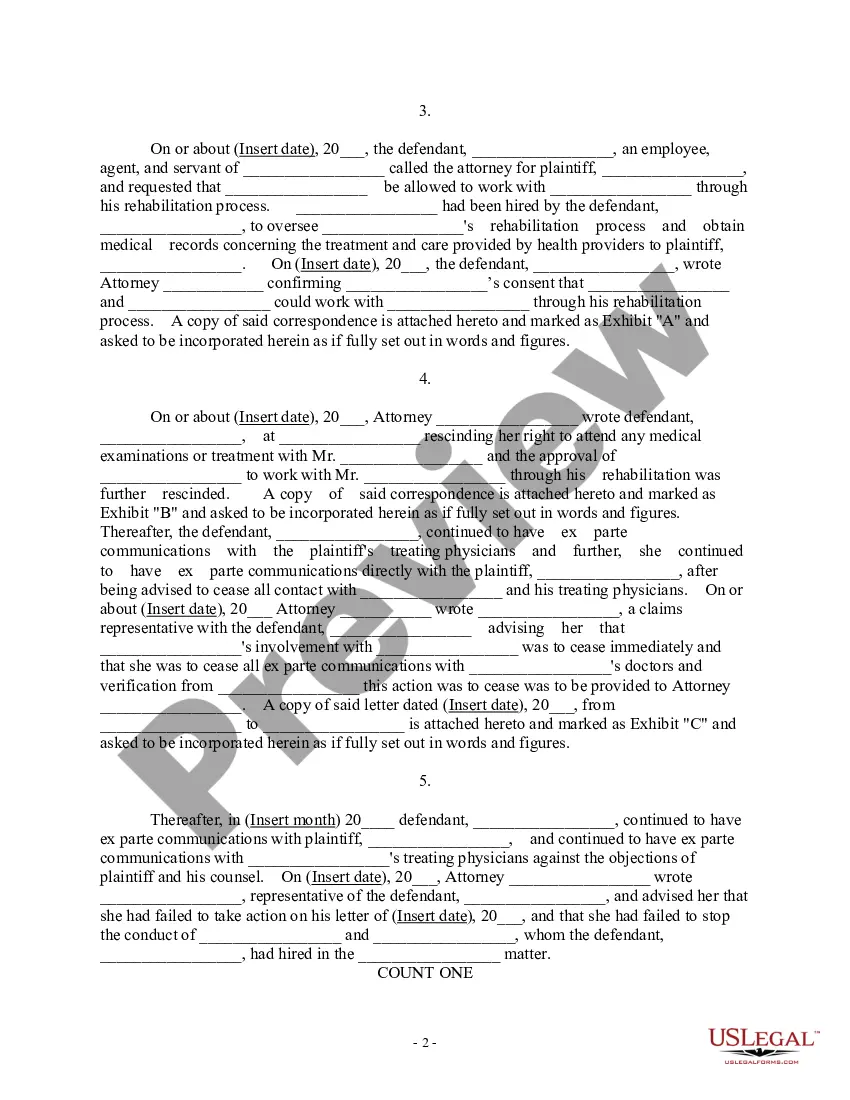
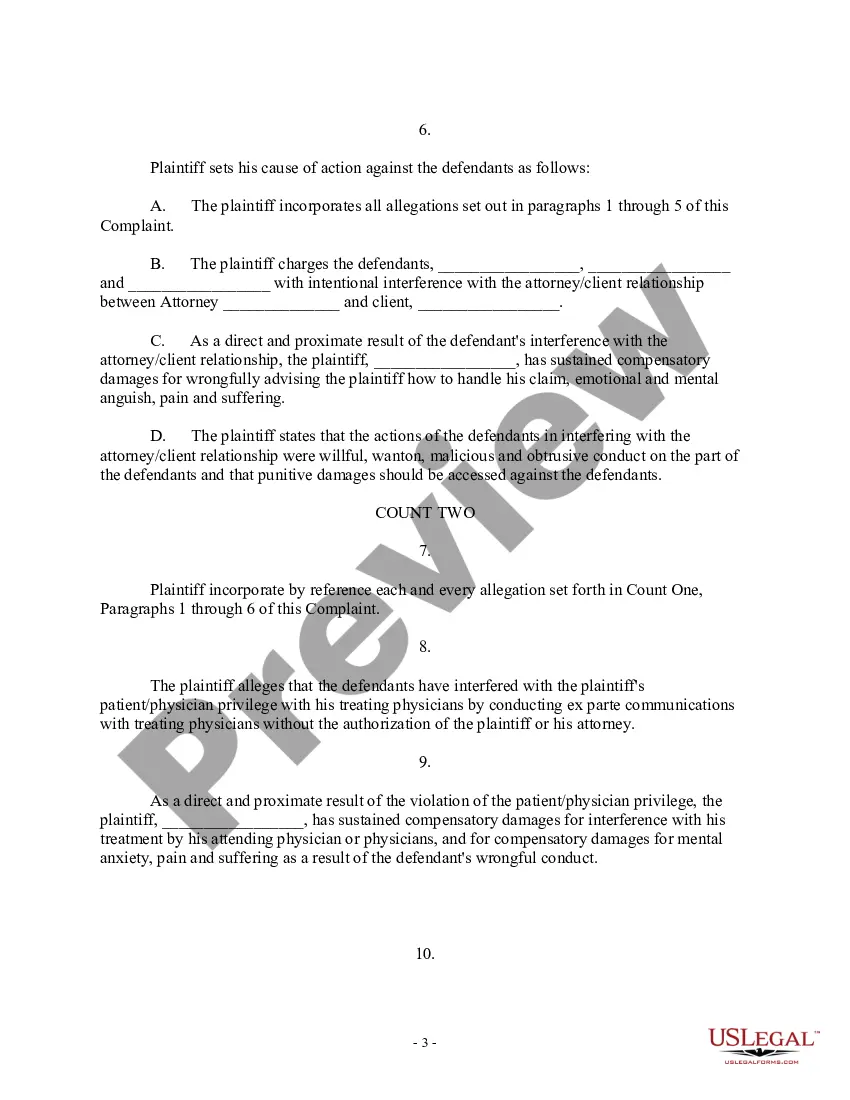
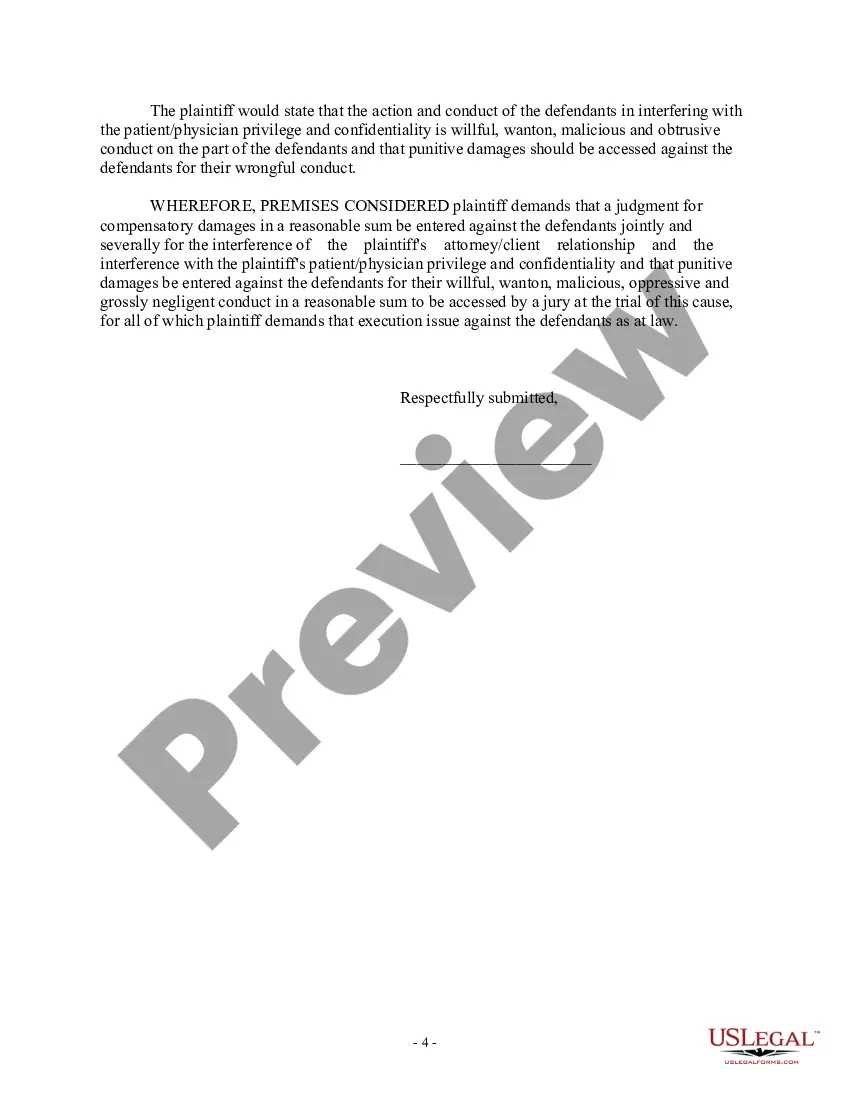




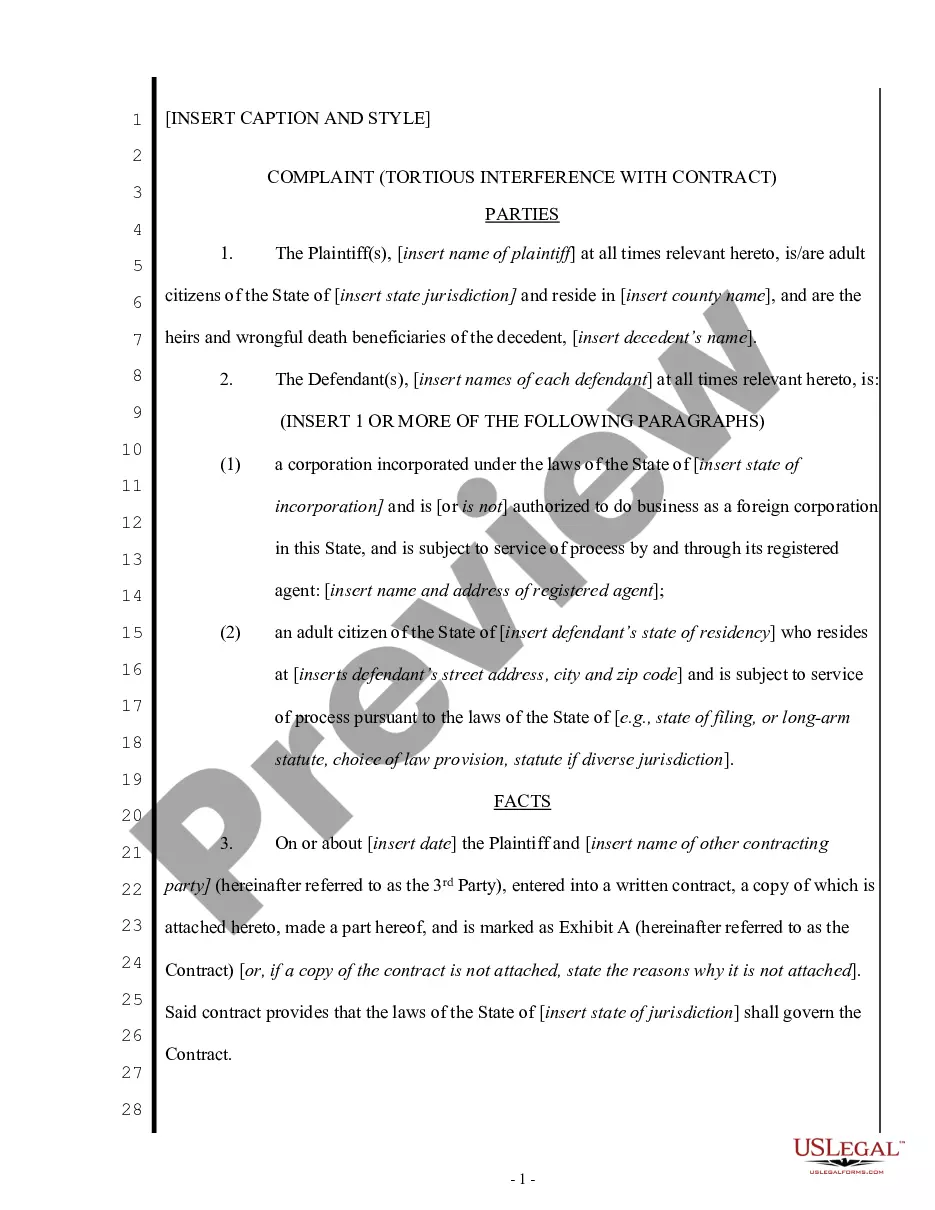
Get your form ready online
Our built-in tools help you complete, sign, share, and store your documents in one place.
Make edits, fill in missing information, and update formatting in US Legal Forms—just like you would in MS Word.
Download a copy, print it, send it by email, or mail it via USPS—whatever works best for your next step.
Sign and collect signatures with our SignNow integration. Send to multiple recipients, set reminders, and more. Go Premium to unlock E-Sign.
If this form requires notarization, complete it online through a secure video call—no need to meet a notary in person or wait for an appointment.
We protect your documents and personal data by following strict security and privacy standards.

Make edits, fill in missing information, and update formatting in US Legal Forms—just like you would in MS Word.

Download a copy, print it, send it by email, or mail it via USPS—whatever works best for your next step.

Sign and collect signatures with our SignNow integration. Send to multiple recipients, set reminders, and more. Go Premium to unlock E-Sign.

If this form requires notarization, complete it online through a secure video call—no need to meet a notary in person or wait for an appointment.

We protect your documents and personal data by following strict security and privacy standards.
Looking for another form?




Form popularity
FAQ
Courts typically allow lawyers to represent family members, but in some cases, they may deny it if conflicts of interest are likely to arise.
Conflict of interest: Romantic involvement can cloud judgment, leading to compromised legal representation or decisions in favor of personal relationships. Confidentiality breaches: Intimate relationships may result in inadvertent disclosure of sensitive information, violating attorney-client privilege.
Attorney misconduct may include: conflict of interest, overbilling, false or misleading statements, knowingly pursuing frivolous and meritless lawsuits, concealing evidence, abandoning a client, failing to disclose all relevant facts, arguing a position while neglecting to disclose prior law which might counter the ...
Professional Ethics: Most legal ethical codes strongly discourage or outright prohibit lawyers from engaging in romantic relationships with clients during representation. This is to maintain professional boundaries and ensure that the lawyer-client relationship is based solely on the client's legal needs.
It is not enough to say “well, we didn't have sexual intercourse” or “we didn't get to know one another in the Biblical sense.” Kissing a client, even if the attorney exercises self-restraint with respect to any further sexual activity, runs afoul of California Rule of Professional Conduct 1.8.
Most state bars prohibit a sexual relationship between a lawyer and a client during the attorney client relationship. However there is no prohibition against a sexual relationship after the attorney client relationship is terminated.
Professional Ethics: Most legal ethical codes strongly discourage or outright prohibit lawyers from engaging in romantic relationships with clients during representation. This is to maintain professional boundaries and ensure that the lawyer-client relationship is based solely on the client's legal needs.
In most jurisdictions, ethical rules explicitly prohibit lawyers from engaging in sexual relationships with clients. This prohibition is based on several key reasons: Conflict of Interest: A romantic or sexual relationship can create a significant conflict of interest.
Professional Ethics: Most legal ethical codes strongly discourage or outright prohibit lawyers from engaging in romantic relationships with clients during representation. This is to maintain professional boundaries and ensure that the lawyer-client relationship is based solely on the client's legal needs.
Breach of Professional Ethics: Most legal systems and bar associations have strict rules about maintaining professional boundaries. Engaging in a sexual relationship with a client can lead to disciplinary action against the lawyer, including disbarment.