Lawyer With Client In Dallas
Description





Get your form ready online
Our built-in tools help you complete, sign, share, and store your documents in one place.
Make edits, fill in missing information, and update formatting in US Legal Forms—just like you would in MS Word.
Download a copy, print it, send it by email, or mail it via USPS—whatever works best for your next step.
Sign and collect signatures with our SignNow integration. Send to multiple recipients, set reminders, and more. Go Premium to unlock E-Sign.
If this form requires notarization, complete it online through a secure video call—no need to meet a notary in person or wait for an appointment.
We protect your documents and personal data by following strict security and privacy standards.
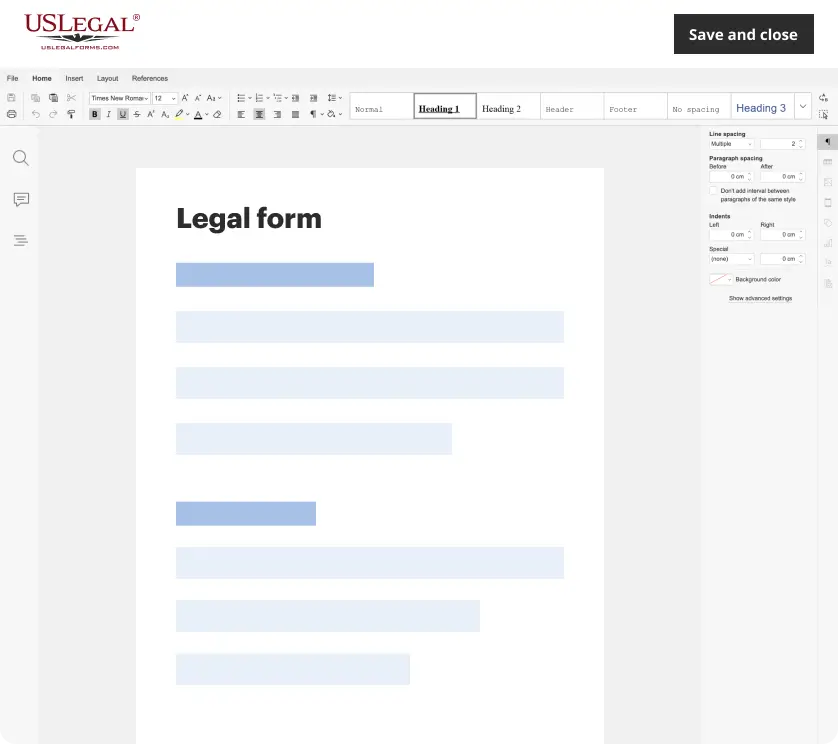
Make edits, fill in missing information, and update formatting in US Legal Forms—just like you would in MS Word.
Download a copy, print it, send it by email, or mail it via USPS—whatever works best for your next step.
Sign and collect signatures with our SignNow integration. Send to multiple recipients, set reminders, and more. Go Premium to unlock E-Sign.
If this form requires notarization, complete it online through a secure video call—no need to meet a notary in person or wait for an appointment.

We protect your documents and personal data by following strict security and privacy standards.
Looking for another form?








Form popularity
FAQ
In many attorney-client relationships, lawyers provide legal advice that is used to help clients achieve and maintain their business goals.
Where do you prefer to MEET with clients? Despite living in a Web 3.0, post-geographic world, lawyers overwhelmingly prefer to meet clients at their own office. It's not even close. There are a variety of reasons for that – attorney-client privilege, storage, convenience.
A lawyer's hourly rate depends on the lawyer's area of practice, experience, operating expenses, and geographic location. Attorneys' fees can range from $100 per hour to well over $500 per hour.
In the overcrowded conditions of most courthouses, attorneys can be seen meeting with their clients in public-waiting areas, the cafeteria, the law library, in the back of courtrooms, in telephone booths, or any place that is available.
A legal consultation is the initial meeting between a potential lawyer and client. These meetings allow the client to discuss their case with an attorney. Then, the attorney can give an overview of their recommended course of action.
Average Attorney Fees by State StateLow RateHigh Rate California $150 $420 Colorado $200 $295 Connecticut $250 $400 Delaware $250 $40047 more rows
The law is clear that a lawyer cannot turn against their client, and any violation of this guideline can invite a stringent investigation from legal authorities. Accusations of treachery are taken seriously and may warrant criminal prosecution to ensure justice is served fairly.
In general, the documents, papers and other information received from a client or received or generated in the course of representing the client (including the lawyer's notes and work product) are the property of the client and must be transferred to a former client on request unless the lawyer is permitted by law to ...
Yes, but subject to reasonable warning to the client, the potential need for court approval, and the need to protect the client's interests.
To reduce the risk of claims when declining to represent a client, send the prospective client a non-engagement letter clearly stating that the law firm will not represent the client in that matter.