Lawyer-client Relationship In India In Cuyahoga
Description

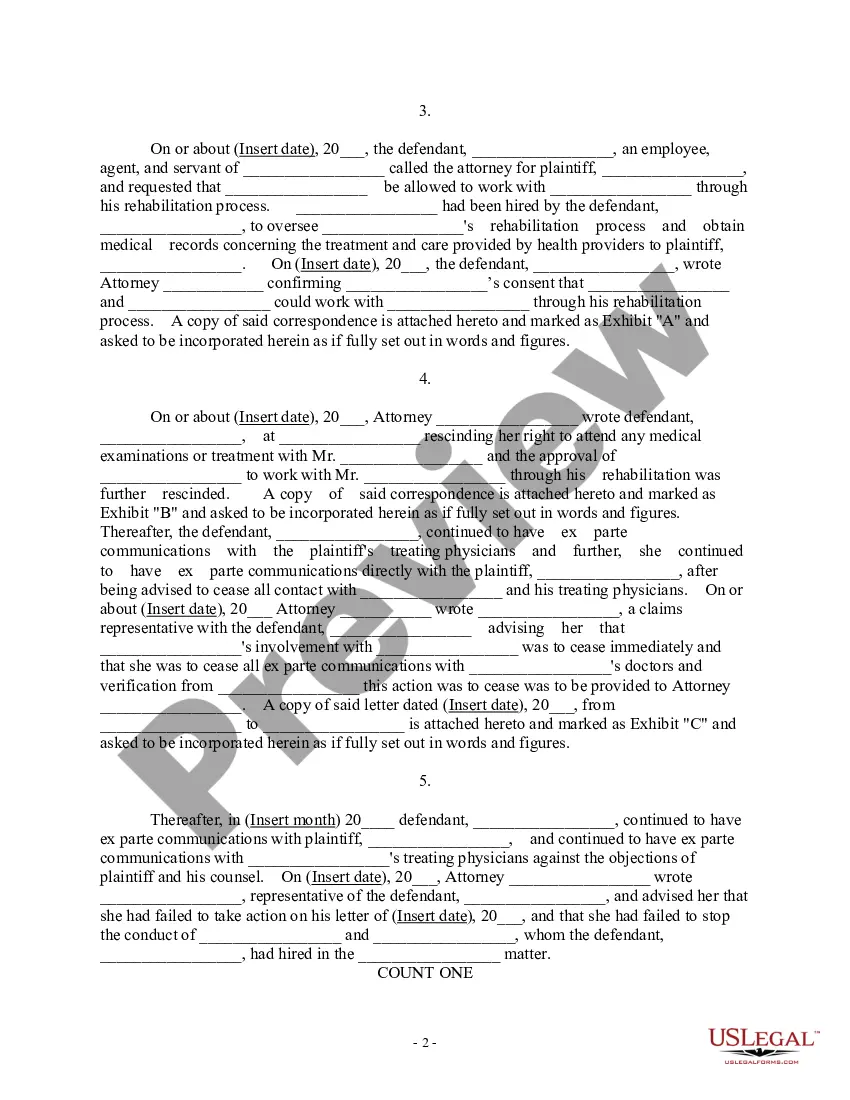
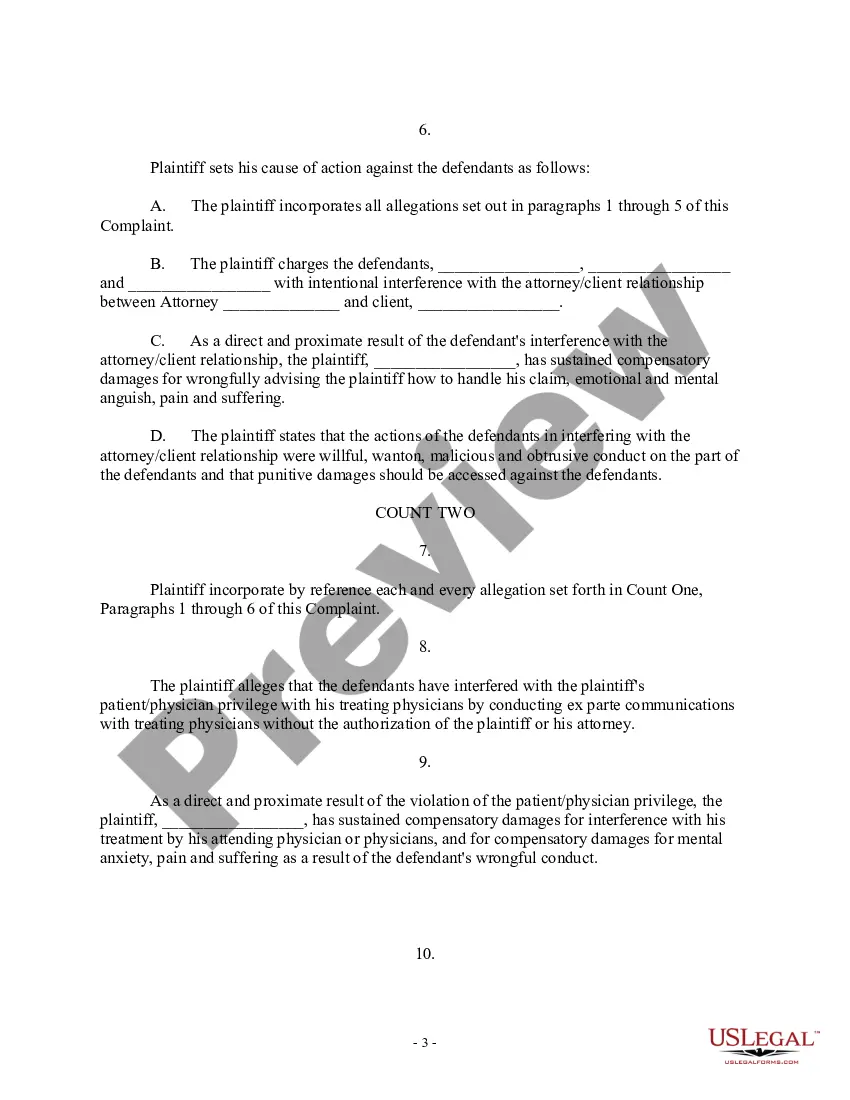
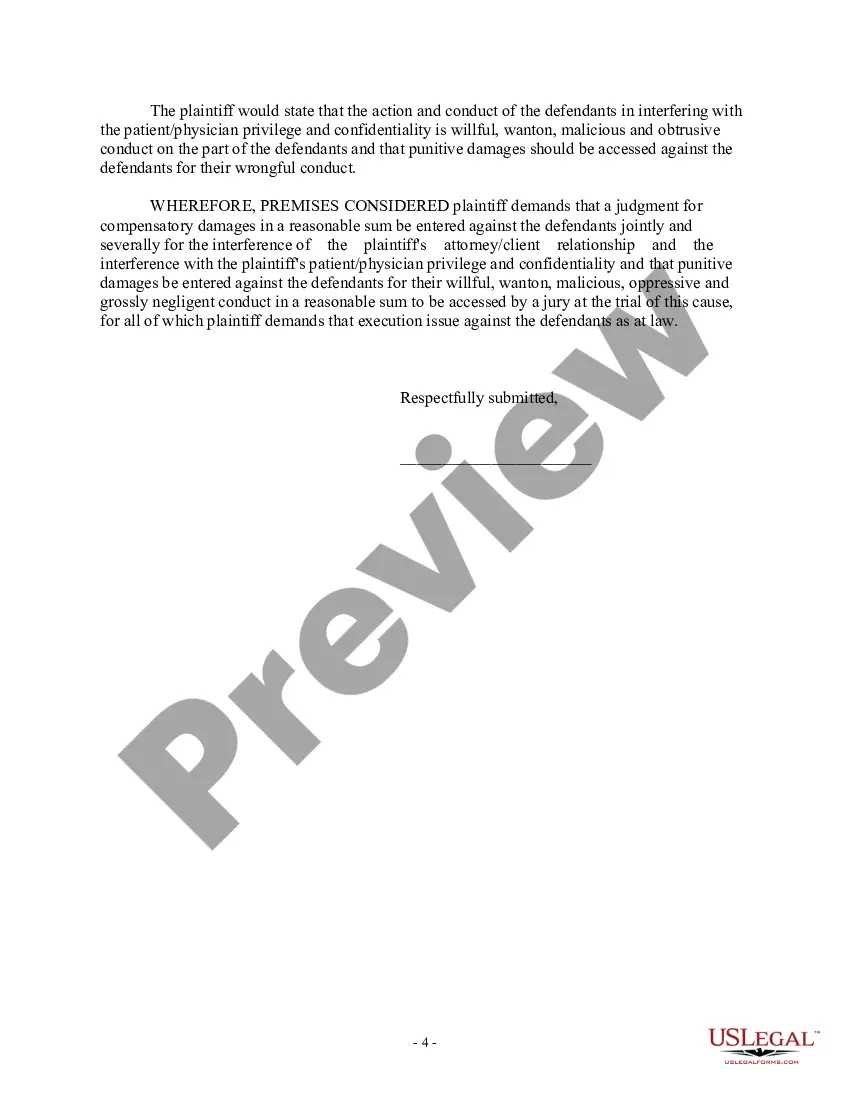




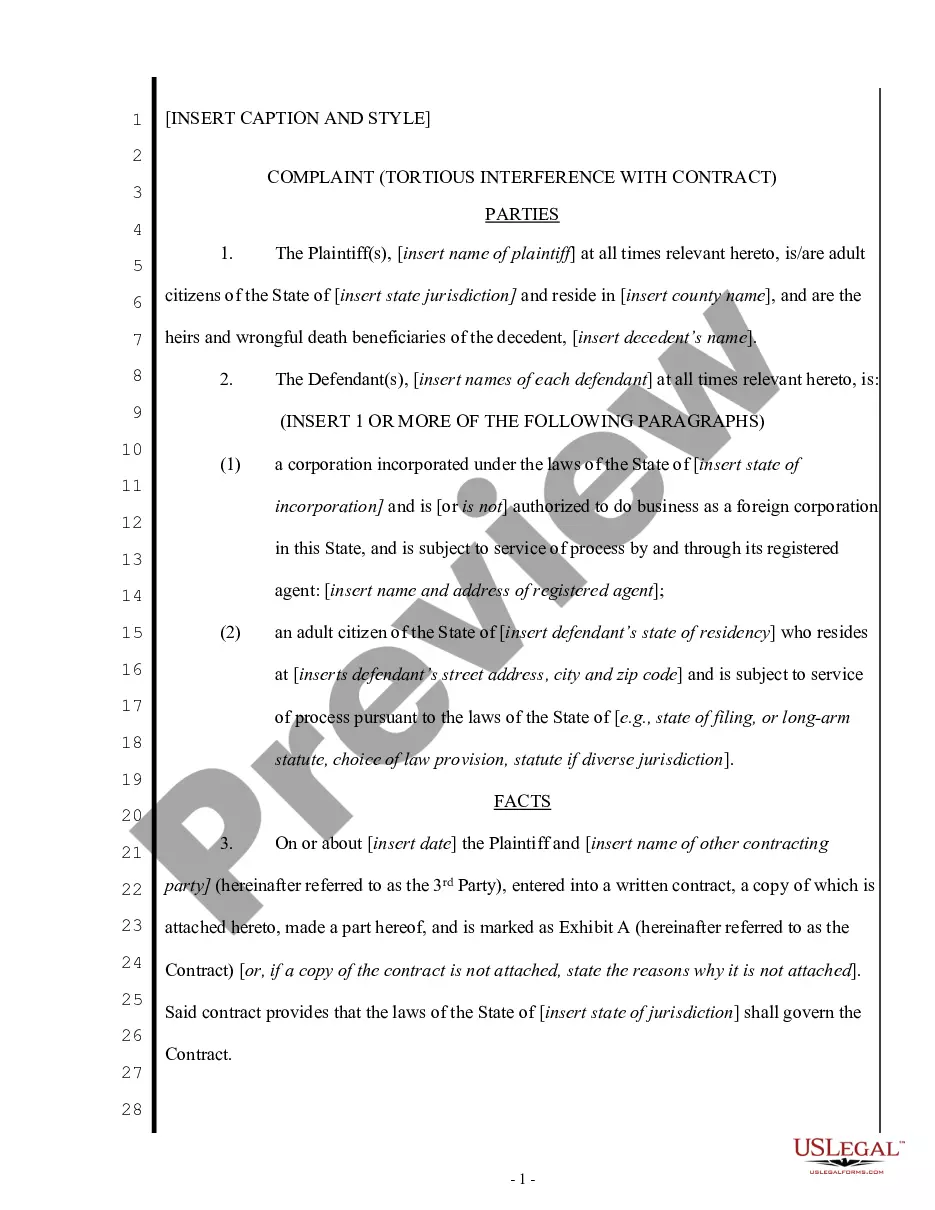
Get your form ready online
Our built-in tools help you complete, sign, share, and store your documents in one place.
Make edits, fill in missing information, and update formatting in US Legal Forms—just like you would in MS Word.
Download a copy, print it, send it by email, or mail it via USPS—whatever works best for your next step.
Sign and collect signatures with our SignNow integration. Send to multiple recipients, set reminders, and more. Go Premium to unlock E-Sign.
If this form requires notarization, complete it online through a secure video call—no need to meet a notary in person or wait for an appointment.
We protect your documents and personal data by following strict security and privacy standards.

Make edits, fill in missing information, and update formatting in US Legal Forms—just like you would in MS Word.

Download a copy, print it, send it by email, or mail it via USPS—whatever works best for your next step.

Sign and collect signatures with our SignNow integration. Send to multiple recipients, set reminders, and more. Go Premium to unlock E-Sign.

If this form requires notarization, complete it online through a secure video call—no need to meet a notary in person or wait for an appointment.

We protect your documents and personal data by following strict security and privacy standards.
Looking for another form?








Form popularity
FAQ
Not to negotiate directly with opposing party An advocate shall not in any way communicate or negotiate or call for settlement upon the subject matter of controversy with any party represented by an advocate except through the advocate representing the parties.
In India, due to Section 27 of the Indian Contract Act, such agreements are generally enforceable during employment but may face challenges post-termination if found overly restrictive. Defined Duration: Employee non-solicitation agreements typically last one to two years post-employment.
Professional Ethics: Most legal ethical codes strongly discourage or outright prohibit lawyers from engaging in romantic relationships with clients during representation. This is to maintain professional boundaries and ensure that the lawyer-client relationship is based solely on the client's legal needs.
As per the BCI rules, advocates are prohibited from soliciting clients or advertising their services in any manner. This means that lawyers cannot engage in any form of advertising or promotion that may be interpreted as a solicitation.
Rule 36 of the Bar Council of India prohibits lawyers from advertising their legal services. The legal profession is highly respected and is considered to be a noble profession and any advertisement of legal services is considered to be a compromise on the nobility of this profession.
There are a few ways to find clients for lawyers: 1. Referrals from other lawyers 2. Referrals from satisfied clients 3. Advertising 4. Personal contact with potential clients 5. Professional directories
Prostitution is legal in India, but a number of related activities including soliciting, kerb crawling, owning or managing a brothel, prostitution in a hotel, child prostitution, pimping and pandering are illegal.
While the attorney-client privilege is recognized in Indian law, its application and nuances are often subject to ambiguity and inconsistency. The Indian Evidence Act, 1872, provides some protection for attorney-client communications, but the rules lack specific guidelines, leading to uncertainty.
Under the POA Act, the holder (or donee) of a power-of-attorney may, if he thinks fit, execute or do any instrument or thing in and with his own name and signature, and his own seal, where sealing is required, by the authority of the issuer (or donor) of the power; and every instrument and thing so executed and done, ...
Professional Ethics: Most legal ethical codes strongly discourage or outright prohibit lawyers from engaging in romantic relationships with clients during representation. This is to maintain professional boundaries and ensure that the lawyer-client relationship is based solely on the client's legal needs.