Attorney Client Privilege For A Corporation In California
Description

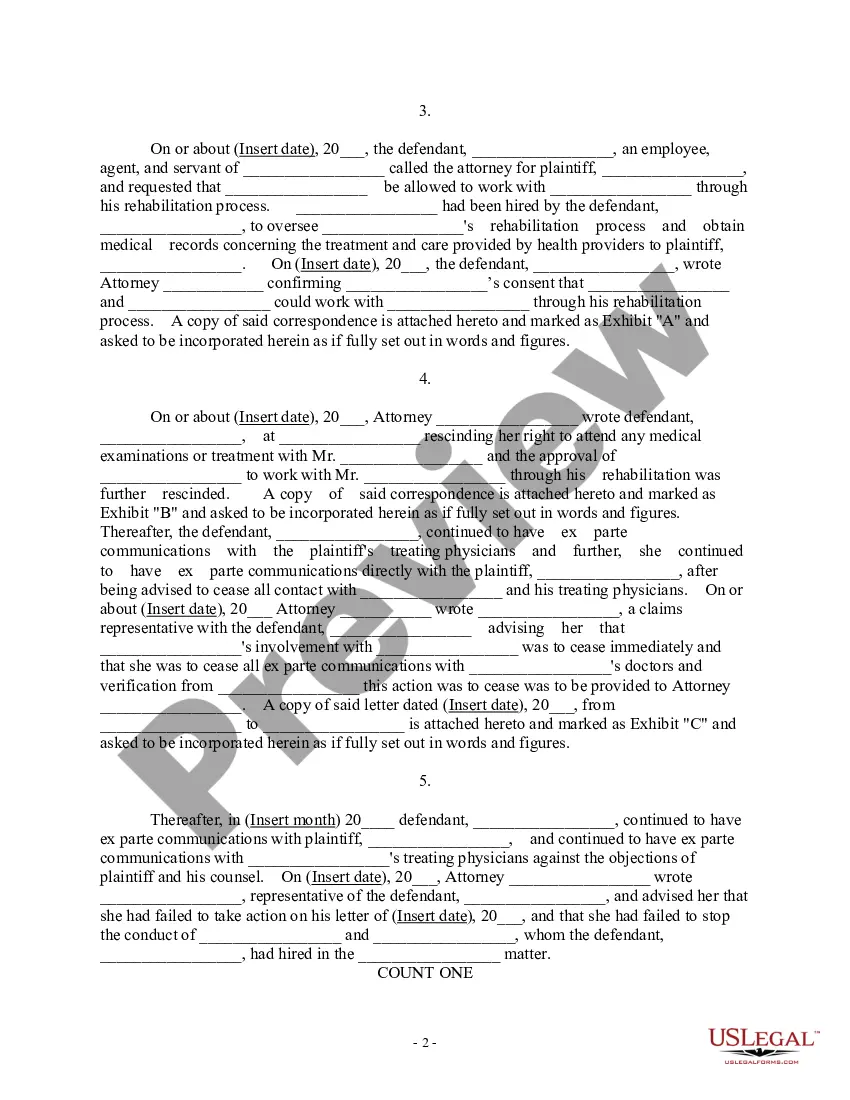
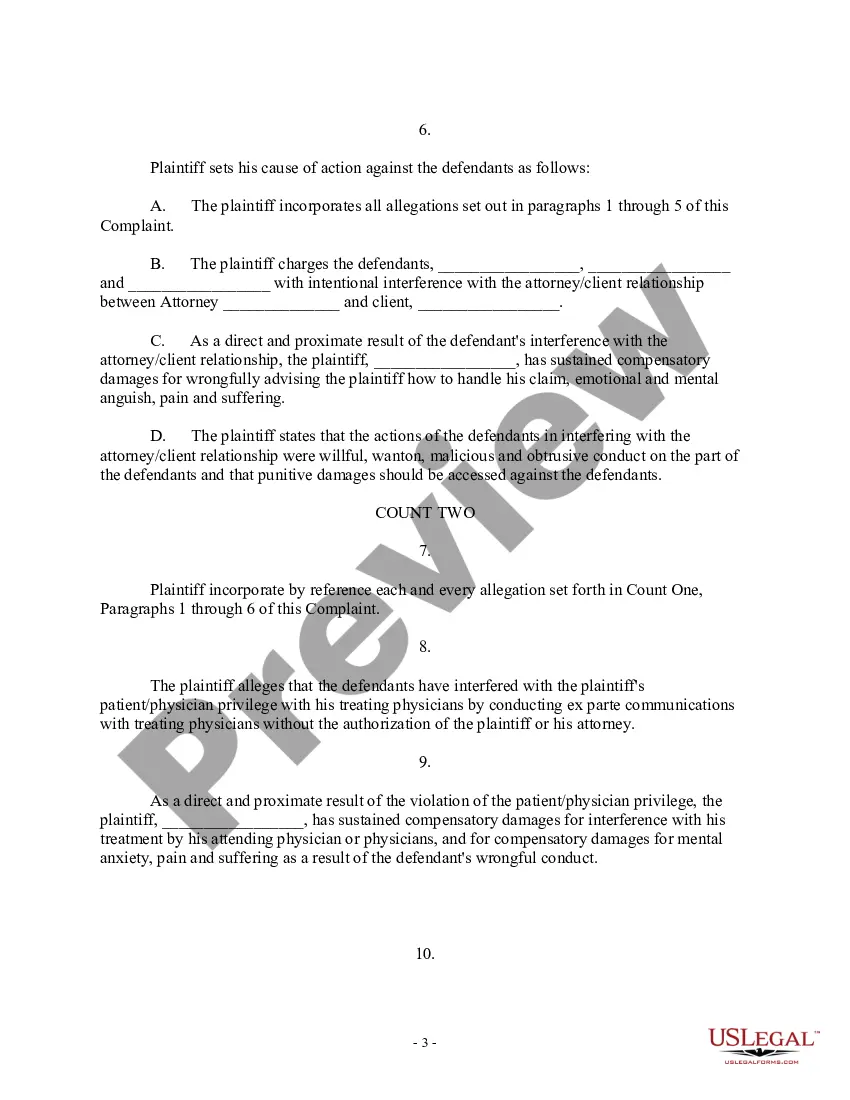
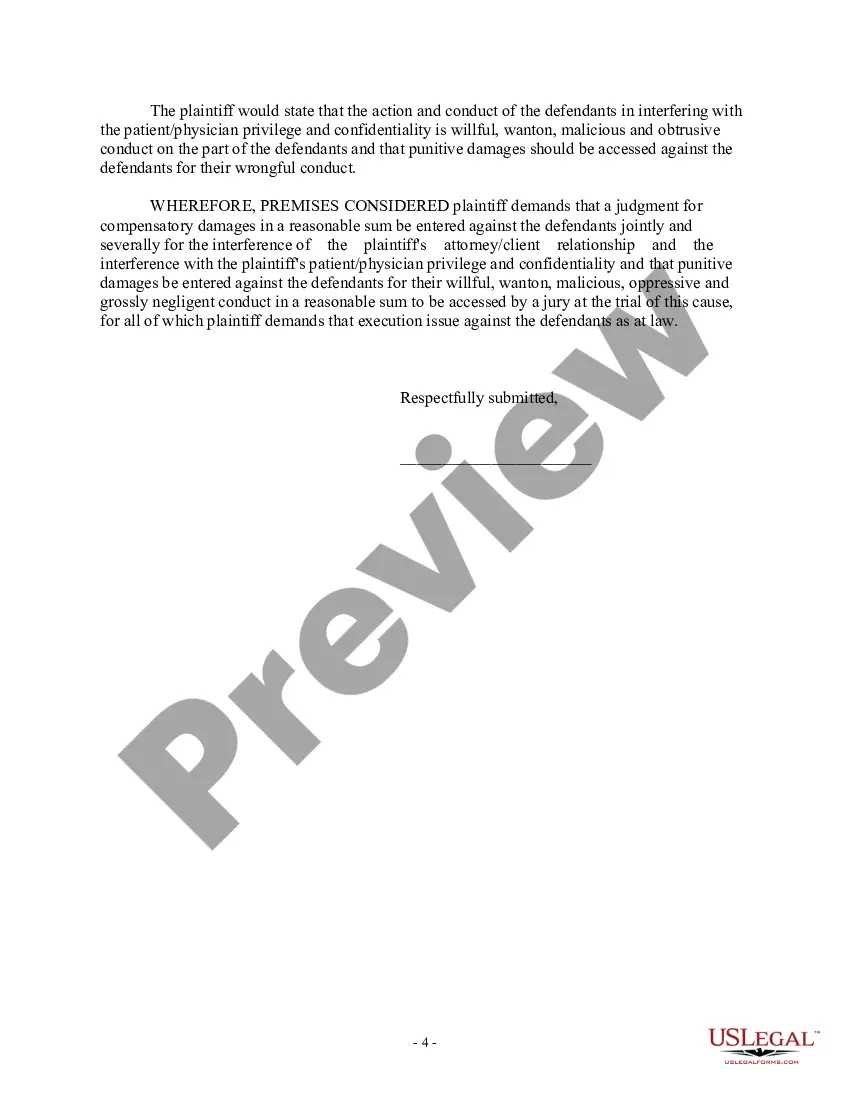

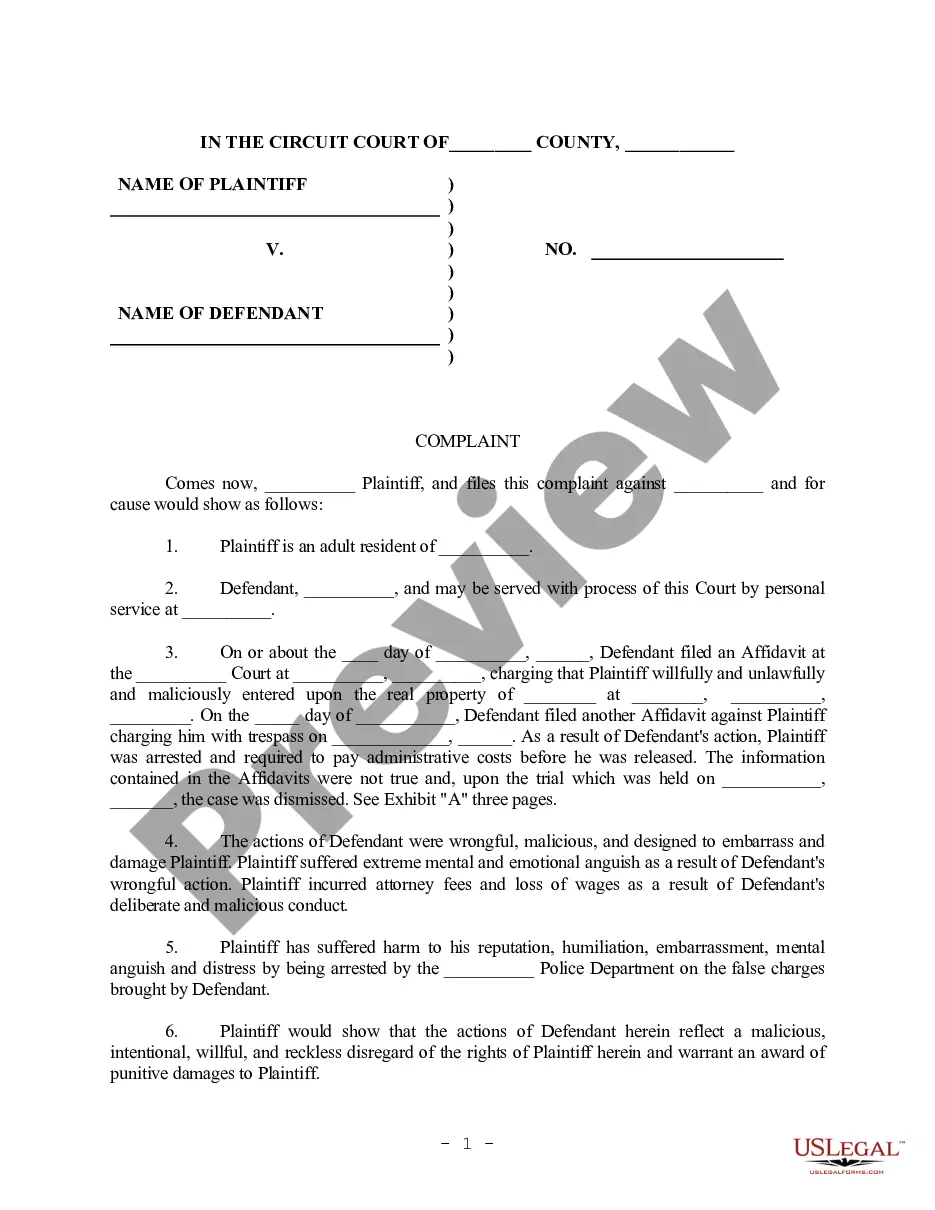

Get your form ready online
Our built-in tools help you complete, sign, share, and store your documents in one place.
Make edits, fill in missing information, and update formatting in US Legal Forms—just like you would in MS Word.
Download a copy, print it, send it by email, or mail it via USPS—whatever works best for your next step.
Sign and collect signatures with our SignNow integration. Send to multiple recipients, set reminders, and more. Go Premium to unlock E-Sign.
If this form requires notarization, complete it online through a secure video call—no need to meet a notary in person or wait for an appointment.
We protect your documents and personal data by following strict security and privacy standards.

Make edits, fill in missing information, and update formatting in US Legal Forms—just like you would in MS Word.

Download a copy, print it, send it by email, or mail it via USPS—whatever works best for your next step.

Sign and collect signatures with our SignNow integration. Send to multiple recipients, set reminders, and more. Go Premium to unlock E-Sign.

If this form requires notarization, complete it online through a secure video call—no need to meet a notary in person or wait for an appointment.

We protect your documents and personal data by following strict security and privacy standards.
Looking for another form?







Form popularity
FAQ
An exception is to further a crime or fraud. Suppose your conversation with an attorney includes a plan to commit a crime or fraud. In that case, the attorney-client privilege doesn't apply. Also, there is imminent death or harm.
Rule 3-100, which restates Business and Professions Code section 6068, subdivision (e)(2), reflects a balancing between the interests of preserving client confidentiality and of preventing a criminal act that a member reasonably believes is likely to result in death or substantial bodily harm to an individual.
Under California Evidence Code 954, the California attorney-client privilege makes any private communication between you and your lawyer confidential and protected from disclosure.
Rule 1.6 also makes explicit another exception to the duty of confidentiality: lawyers may disclose client information when the client gives “informed consent.” These are the only “codified” exceptions to the duty of confidentiality.
Under Evidence Code §955, then, the lawyer will be obligated to claim the privilege, even if the client is dead, whenever the lawyer is present when the communication is sought to be disclosed.
Evidence Code 954 Explained Your attorney is required by law to refuse to divulge the contents of client communications if anyone asks them to, citing "attorney-client privilege:" You have the right to forbid your attorney (along with any relevant third parties) from disclosing information designated as confidential.
California Code, Evidence Code - EVID § 950. As used in this article, “lawyer” means a person authorized, or reasonably believed by the client to be authorized, to practice law in any state or nation. Read this complete California Code, Evidence Code - EVID § 950 on Westlaw.