Attorney Suing Client For Fees In Broward
Description

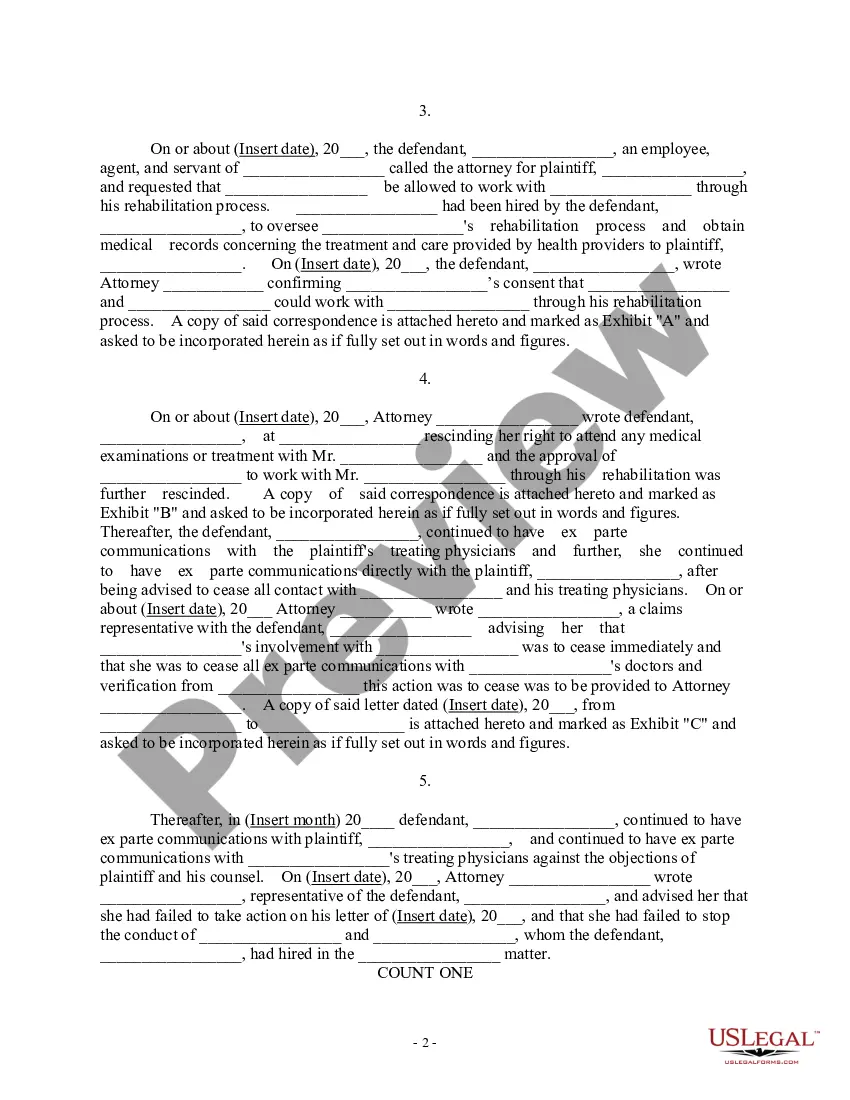
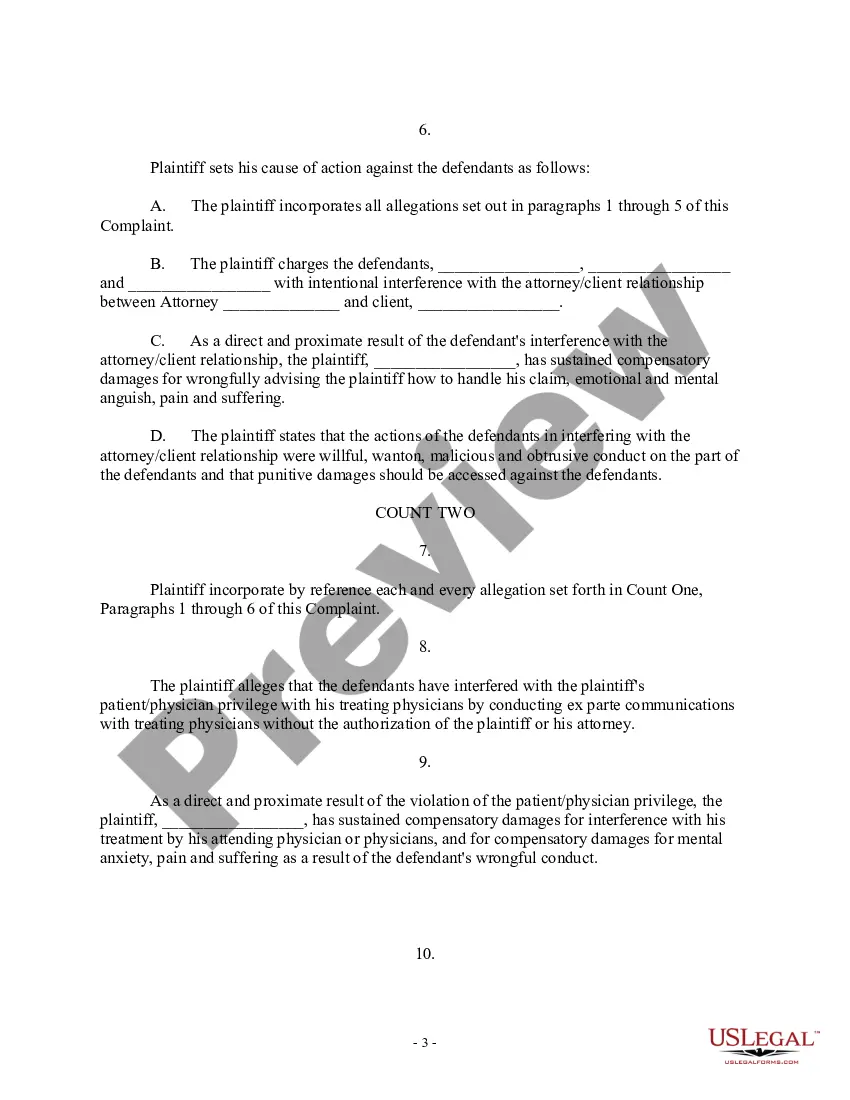
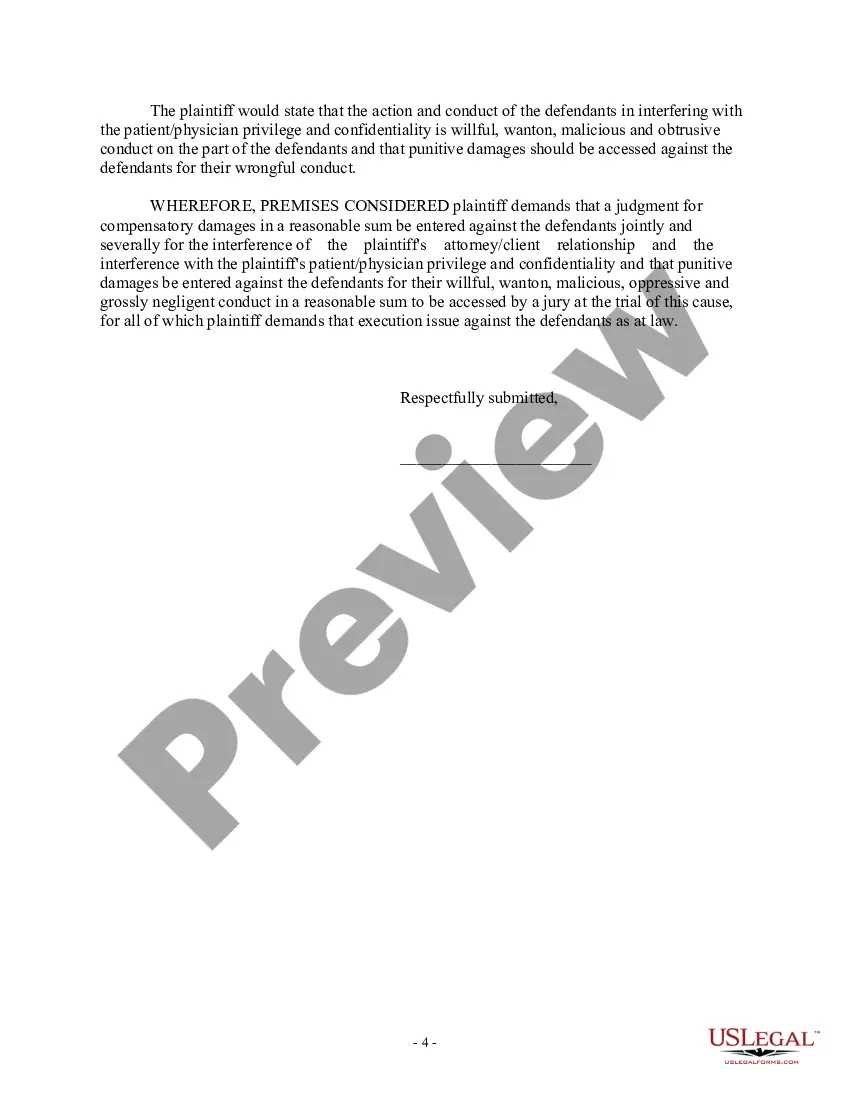

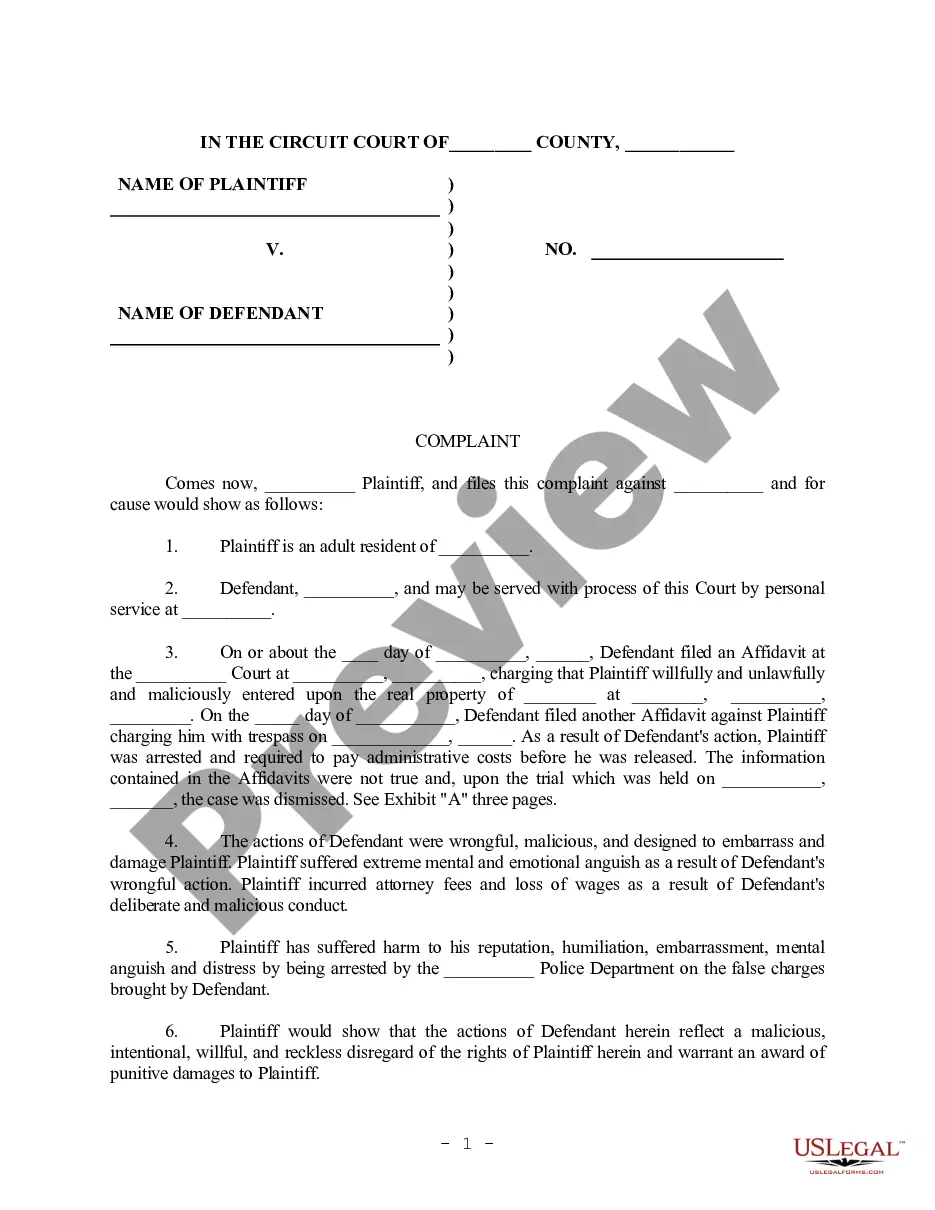
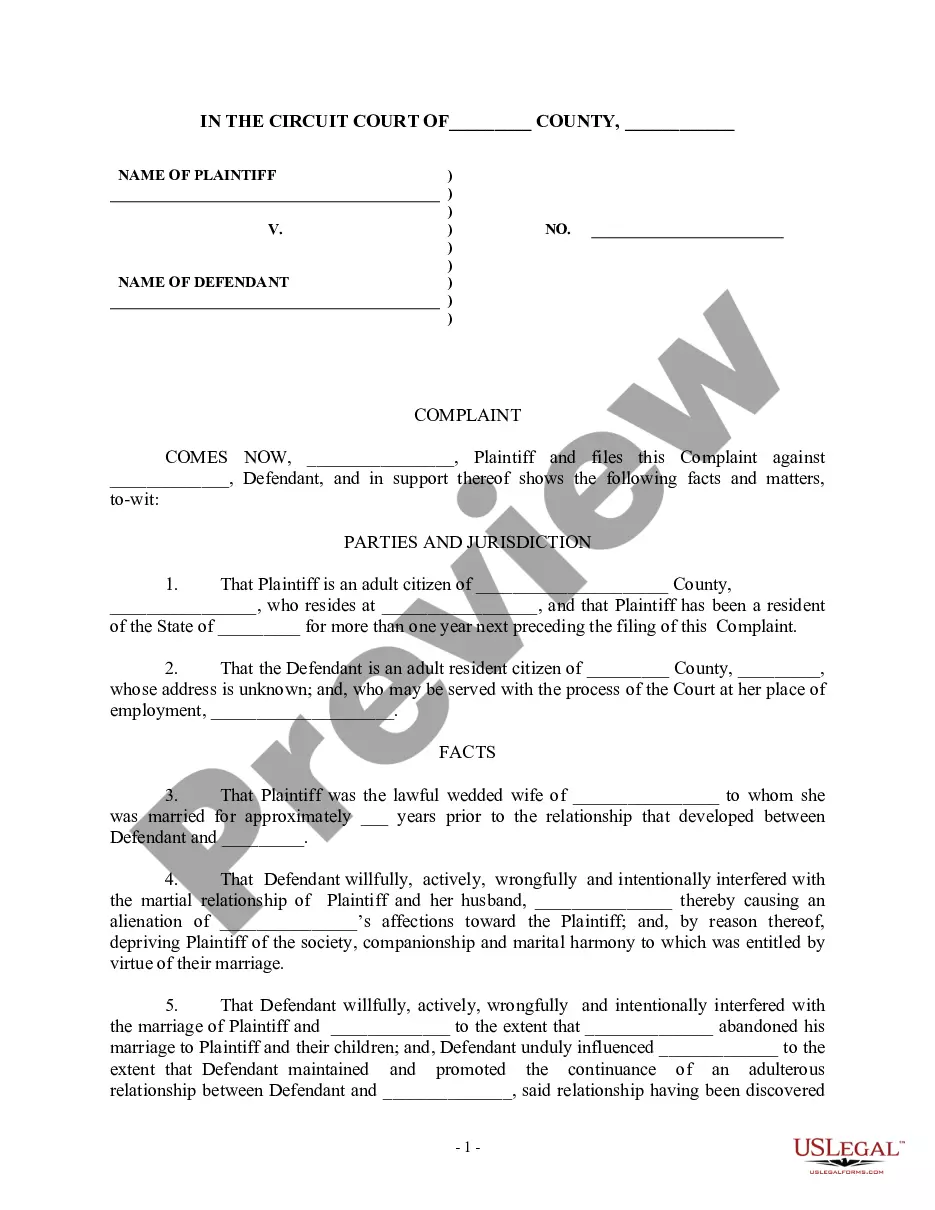

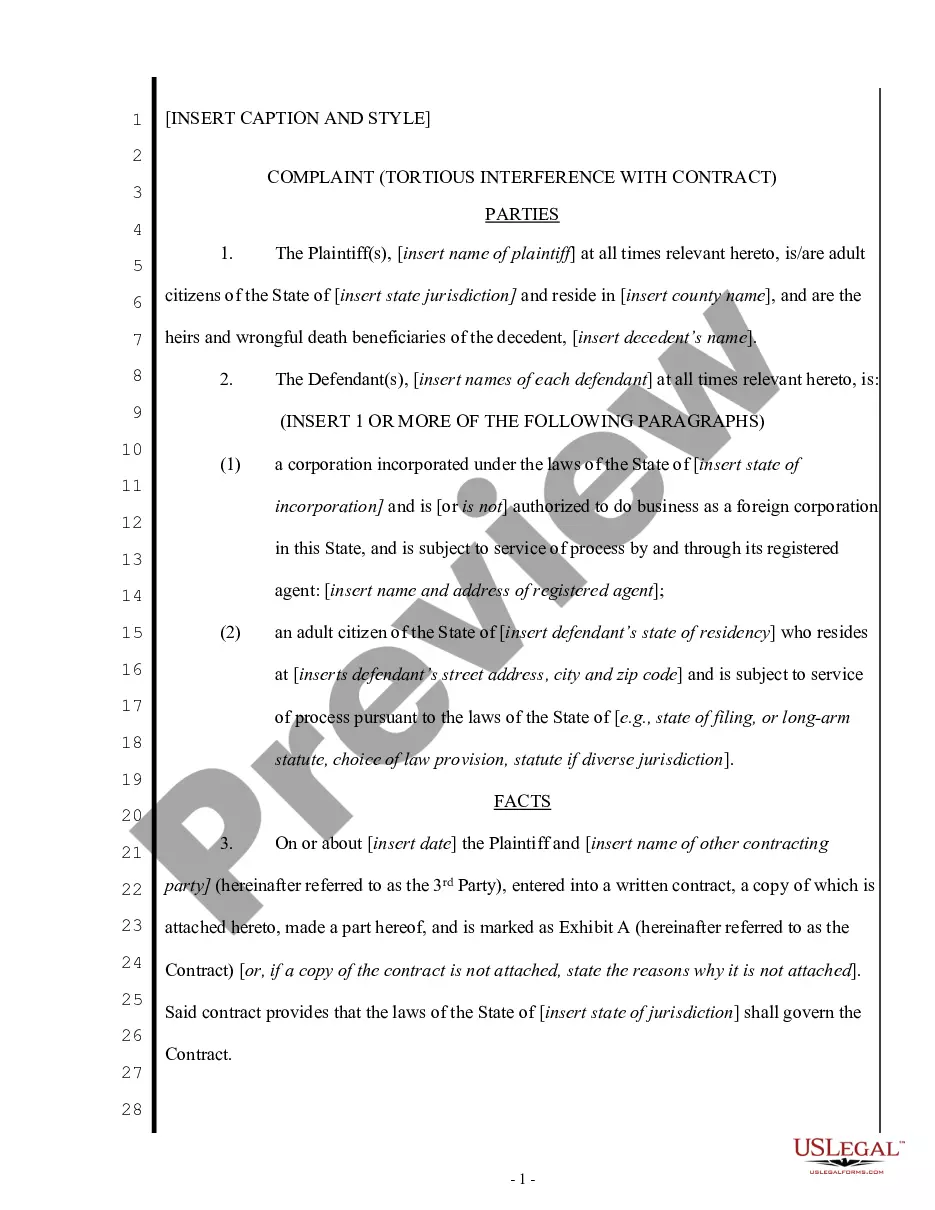
Get your form ready online
Our built-in tools help you complete, sign, share, and store your documents in one place.
Make edits, fill in missing information, and update formatting in US Legal Forms—just like you would in MS Word.
Download a copy, print it, send it by email, or mail it via USPS—whatever works best for your next step.
Sign and collect signatures with our SignNow integration. Send to multiple recipients, set reminders, and more. Go Premium to unlock E-Sign.
If this form requires notarization, complete it online through a secure video call—no need to meet a notary in person or wait for an appointment.
We protect your documents and personal data by following strict security and privacy standards.

Make edits, fill in missing information, and update formatting in US Legal Forms—just like you would in MS Word.

Download a copy, print it, send it by email, or mail it via USPS—whatever works best for your next step.

Sign and collect signatures with our SignNow integration. Send to multiple recipients, set reminders, and more. Go Premium to unlock E-Sign.

If this form requires notarization, complete it online through a secure video call—no need to meet a notary in person or wait for an appointment.

We protect your documents and personal data by following strict security and privacy standards.
Looking for another form?




Form popularity
FAQ
Deciding whether to sue a client for unpaid fees and expenses requires a careful and in-depth analysis of the risks and benefits of bringing such a claim. Attorneys should be wary of the risk of a malpractice counterclaim, as well as the financial risks associated with a collection suit.
In Florida, you can sue for attorney fees in certain situations. There are certain laws that allow a party suing for a violation of the law to recover their attorney fees from the violating party.
Average Lawyer Hourly Rates by State StateAverage Hourly Rate 2023Average Hourly Rate 2022 Arkansas $242 $248 California $344 $358 Colorado $261 $271 Connecticut $342 $35047 more rows
How to Collect Court-Awarded Attorney Fees Step 1: Understand Your Judgment. Step 2: Locate the Debtor and Their Assets. Step 3: Determine the Best Method of Collection. Step 4: Initiate the Collection Process. Step 5: Enforce the Collection. Step 6: Address Any Challenges. Step 7: Complete the Collection and Close the Case.
The four types of retainer fees are true, nonrefundable chargeable, nonrefundable nonchargeable, and refundable. A true retainer is used to ensure an attorney's availability. A nonrefundable chargeable retainer is applied to the costs of an attorney's services but is not refundable if it is not used.