Attorney Client Privilege With Former Employees In Arizona
Description

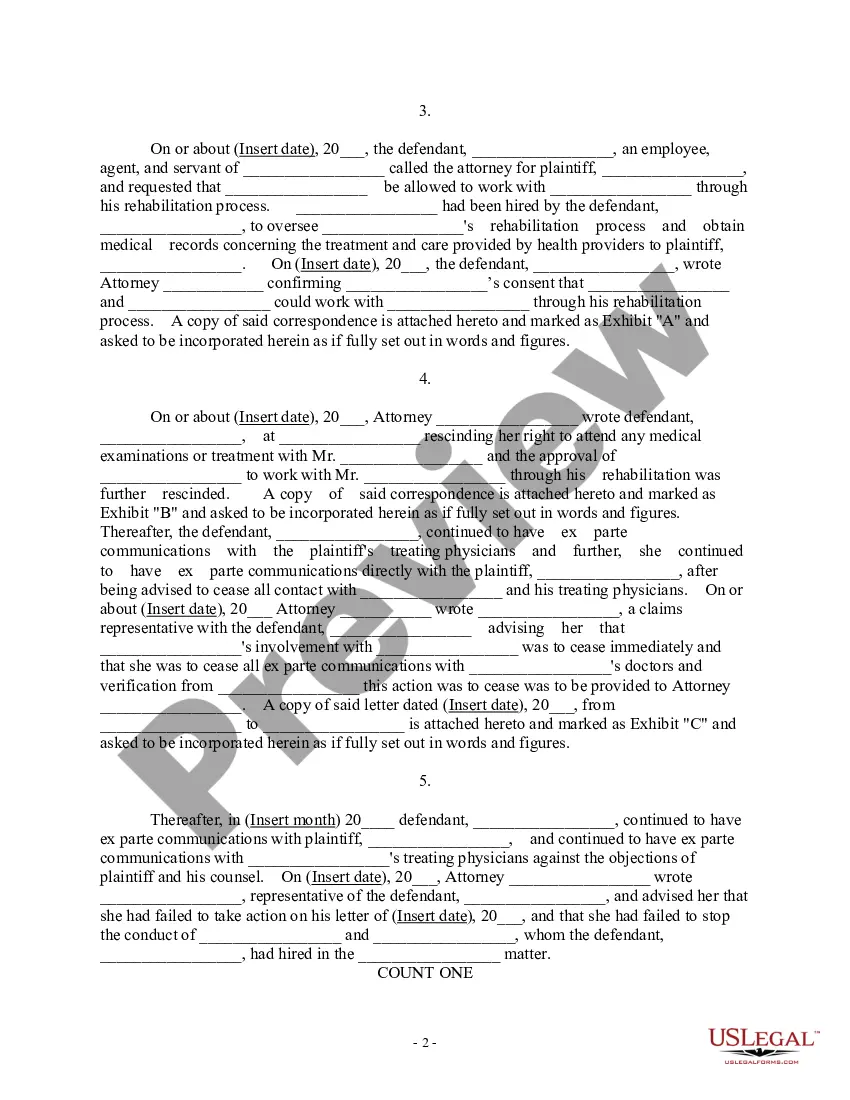
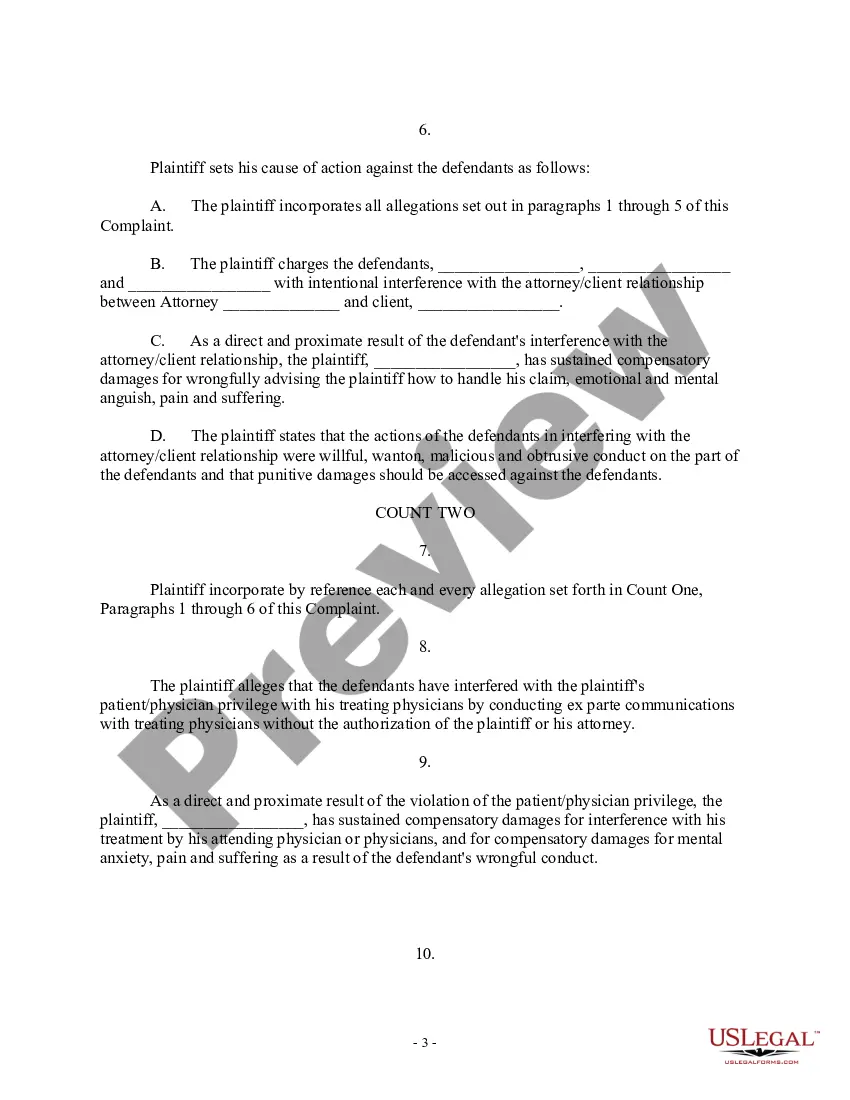
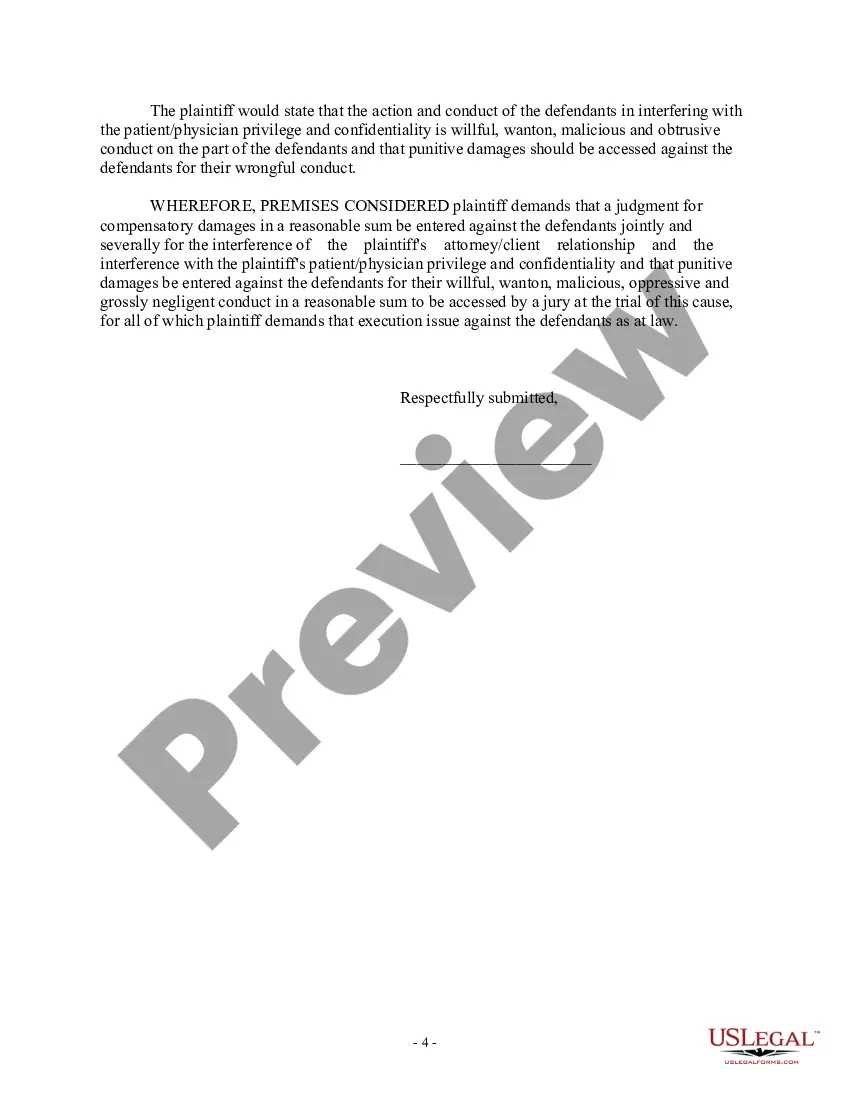

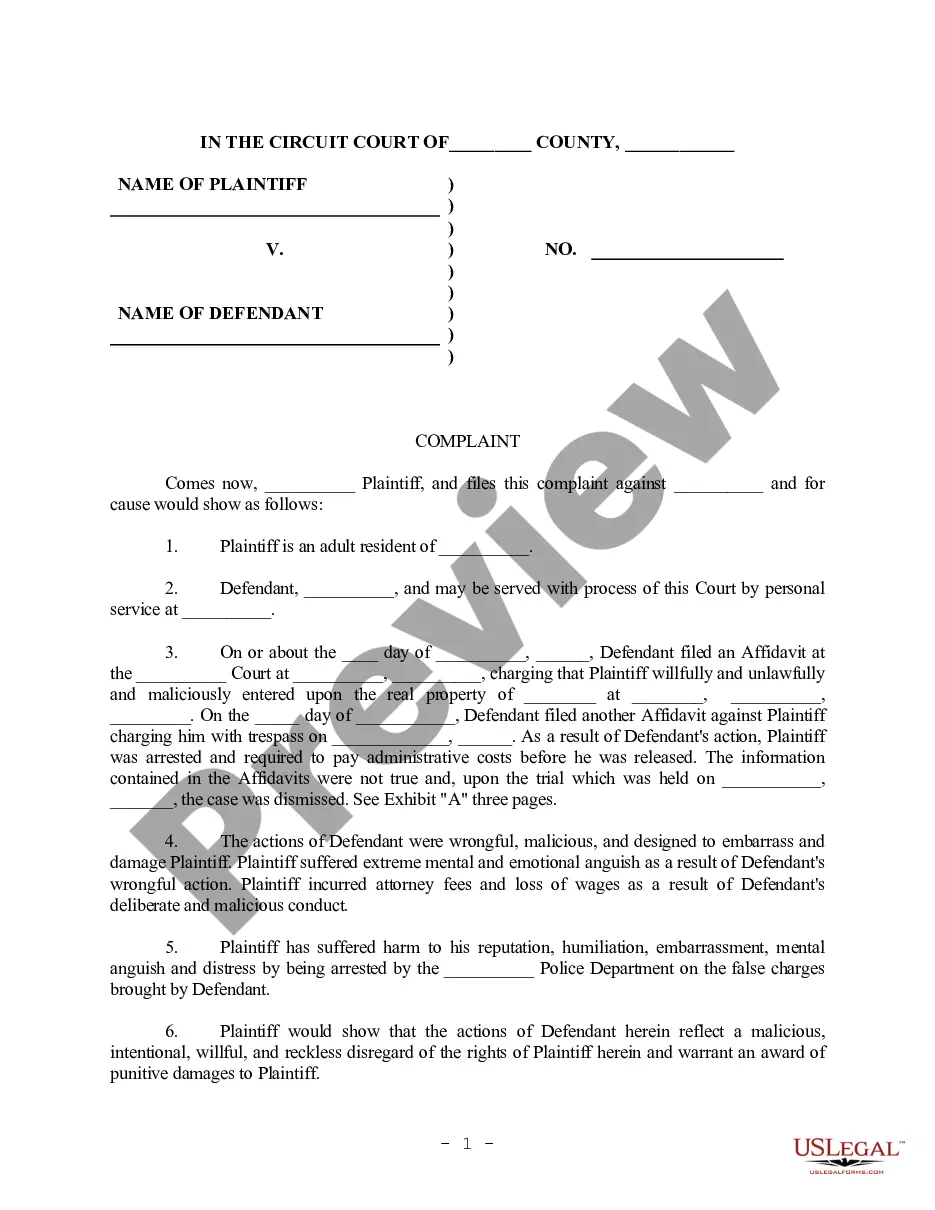

Get your form ready online
Our built-in tools help you complete, sign, share, and store your documents in one place.
Make edits, fill in missing information, and update formatting in US Legal Forms—just like you would in MS Word.
Download a copy, print it, send it by email, or mail it via USPS—whatever works best for your next step.
Sign and collect signatures with our SignNow integration. Send to multiple recipients, set reminders, and more. Go Premium to unlock E-Sign.
If this form requires notarization, complete it online through a secure video call—no need to meet a notary in person or wait for an appointment.
We protect your documents and personal data by following strict security and privacy standards.

Make edits, fill in missing information, and update formatting in US Legal Forms—just like you would in MS Word.

Download a copy, print it, send it by email, or mail it via USPS—whatever works best for your next step.

Sign and collect signatures with our SignNow integration. Send to multiple recipients, set reminders, and more. Go Premium to unlock E-Sign.

If this form requires notarization, complete it online through a secure video call—no need to meet a notary in person or wait for an appointment.

We protect your documents and personal data by following strict security and privacy standards.
Looking for another form?







Form popularity
FAQ
The privilege extends only to communications that the client intends to be confidential. Communications made in non-private settings, or in the presence of third persons unnecessary to accomplish the purpose for which the attorney was consulted, are not confidential and therefore are not protected by the privilege.
There are two major exceptions to the lawyer-client privilege under the California Evidence Code, as discussed below. 2.1. Crime or fraud. 2.2. Preventing death or substantial physical harm.
The protections of the attorney-client privilege survive indefinitely. This means that the protections remain in place even when the attorney-client relationship ends, no matter if the relationship ends due to voluntary termination or due to the death of one of the parties.
Crime or Fraud Exception. If a client seeks advice from an attorney to assist with the furtherance of a crime or fraud or the post-commission concealment of the crime or fraud, then the communication is not privileged.
It is a common practice for outside litigation counsel to represent current, and even former, employees of corporate clients during depositions. This practice, however, is governed by ethical rules (and opinions and case law) that must be considered in advance.
The attorney-client privilege applies to communications “to whom disclosure is reasonably necessary for the transmission of the information or the accomplishment of the purpose for which the lawyer is consulted.” Cal. Evid. Code § 952. This includes communications to an expert consultant.
A waiver can occur from a variety of conduct that fails to maintain the confidentiality of the communication. Either voluntary or inadvertent disclosure to outside or non-covered recipients, professional advisors outside the privilege, and experts and consultants, can result in waiver as a matter of law.