Attorney-client Relationship In South Africa In Allegheny
Description



Get your form ready online
Our built-in tools help you complete, sign, share, and store your documents in one place.
Make edits, fill in missing information, and update formatting in US Legal Forms—just like you would in MS Word.
Download a copy, print it, send it by email, or mail it via USPS—whatever works best for your next step.
Sign and collect signatures with our SignNow integration. Send to multiple recipients, set reminders, and more. Go Premium to unlock E-Sign.
If this form requires notarization, complete it online through a secure video call—no need to meet a notary in person or wait for an appointment.
We protect your documents and personal data by following strict security and privacy standards.

Make edits, fill in missing information, and update formatting in US Legal Forms—just like you would in MS Word.

Download a copy, print it, send it by email, or mail it via USPS—whatever works best for your next step.

Sign and collect signatures with our SignNow integration. Send to multiple recipients, set reminders, and more. Go Premium to unlock E-Sign.

If this form requires notarization, complete it online through a secure video call—no need to meet a notary in person or wait for an appointment.

We protect your documents and personal data by following strict security and privacy standards.
Looking for another form?


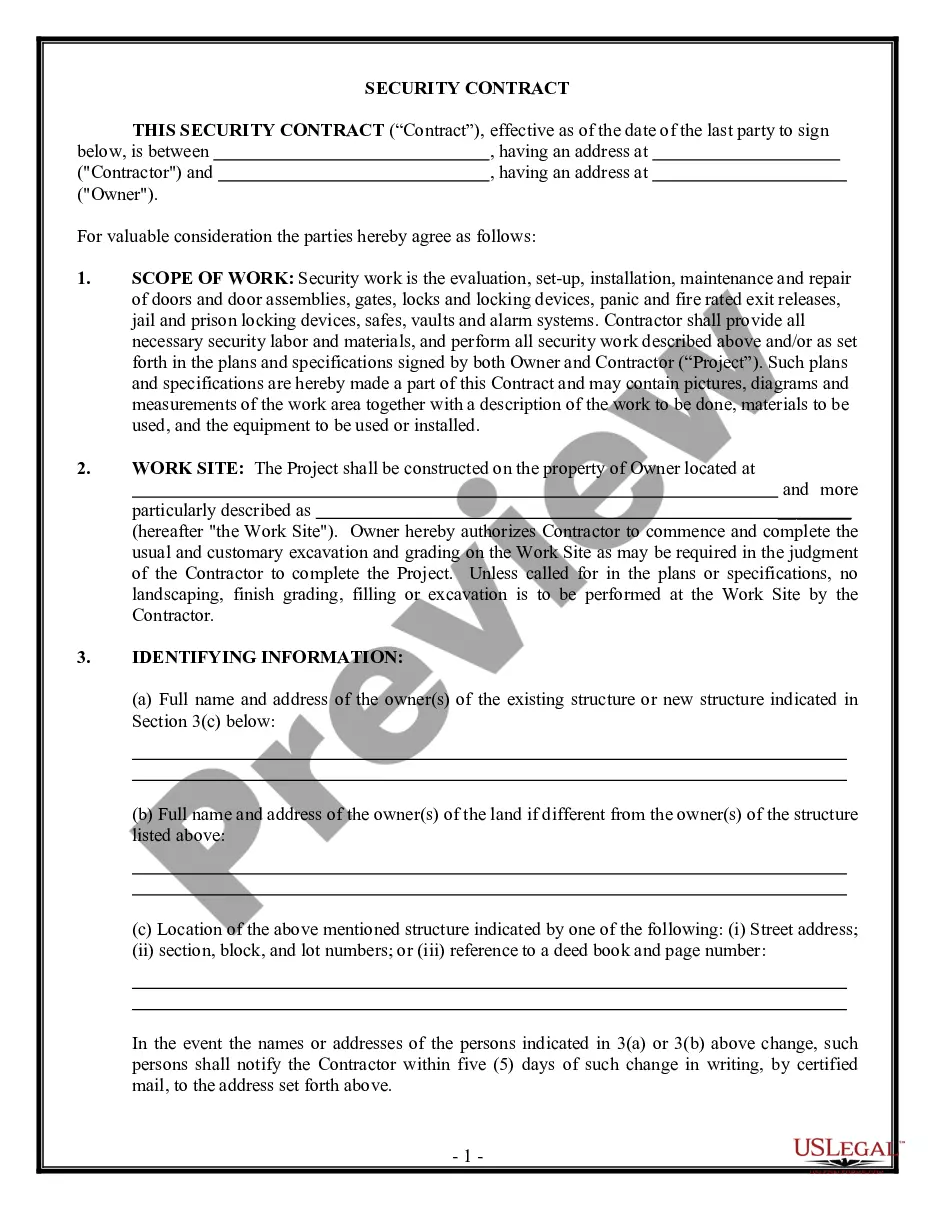
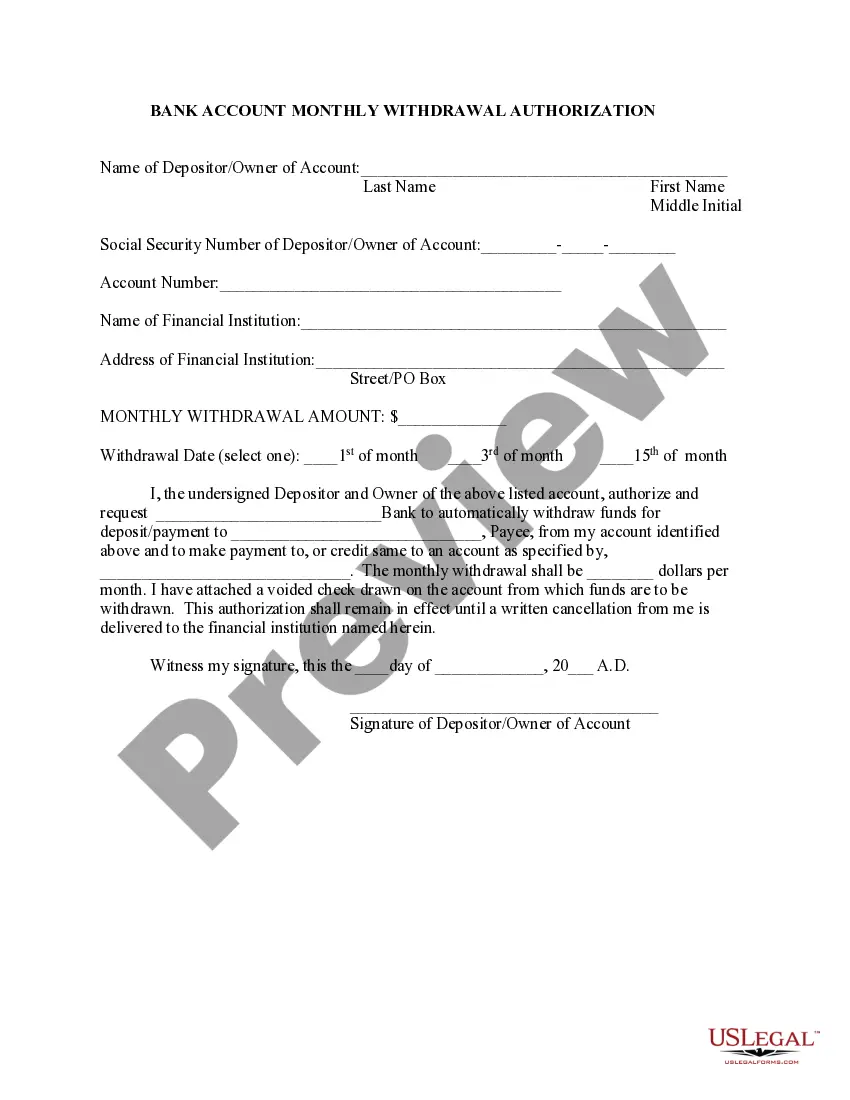
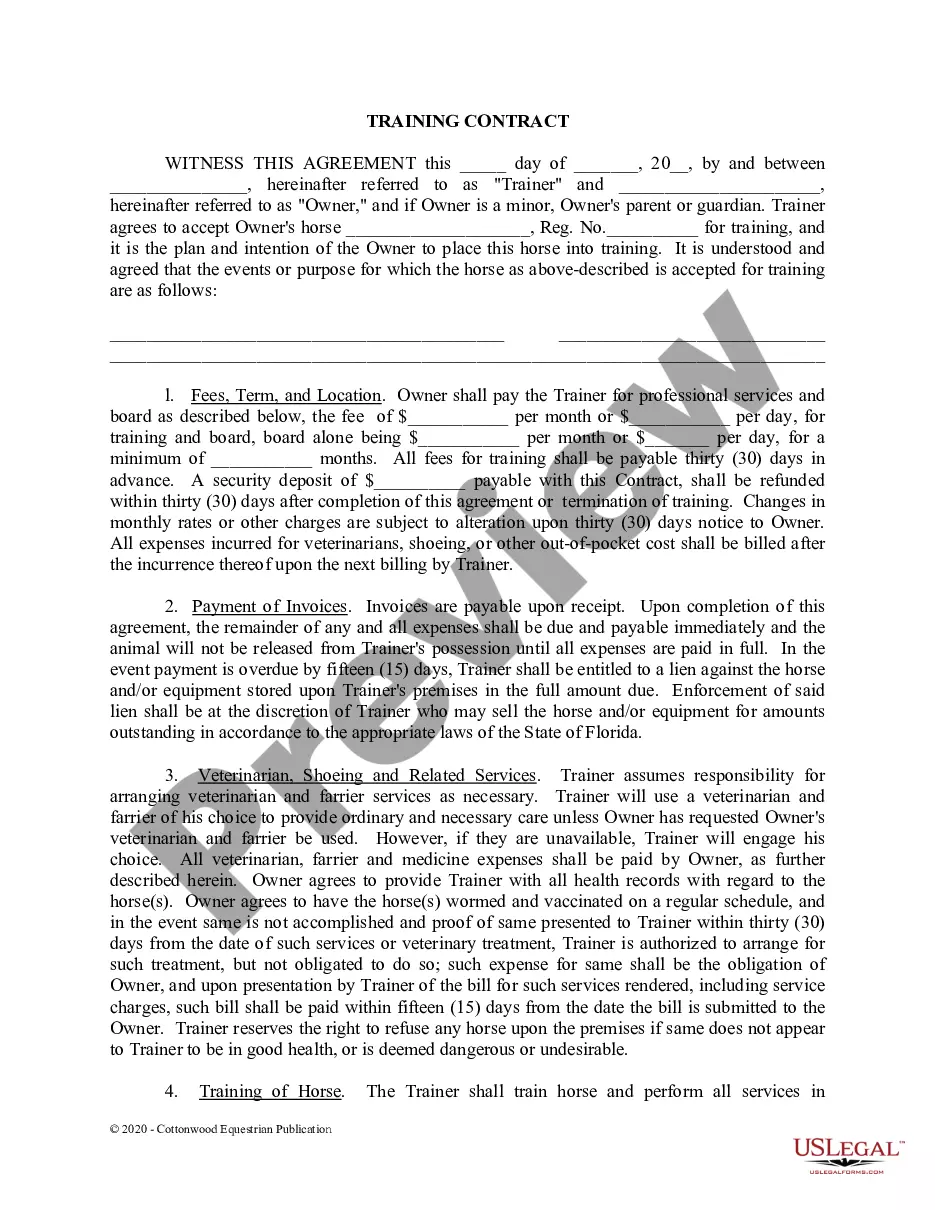

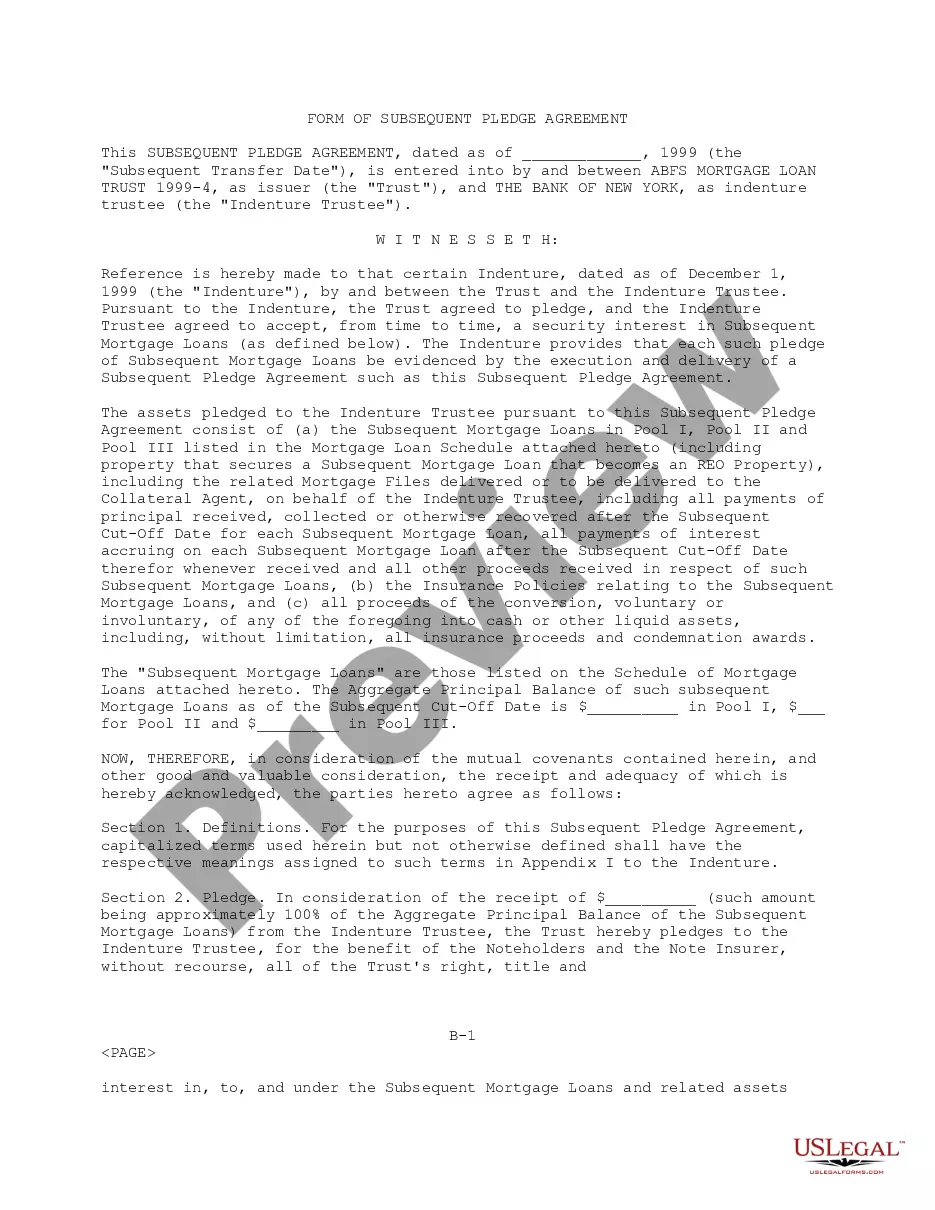

Form popularity
FAQ
The general rule in South African law is that communications between a lawyer and their client, as well as documents prepared by lawyers for their clients, may not be disclosed without the client's consent.
The general rule in South African law is that communications between a lawyer and their client, as well as documents prepared by lawyers for their clients, may not be disclosed without the client's consent.
(2)(a) Any party represented by an attorney in any proceedings may at any time, subject to the provisions of rule 40, terminate such attorney's authority to act and may thereafter act in person or appoint another attorney to act in the proceedings, whereupon such party or the newly appointed attorney on behalf of such ...
There is not difference between a lawyer and an attorney, other than semantics. In different regions around the world, licenced legal professionals are called by different names. In South Africa, we refer to someone who performs a legal function as lawyers or attorneys (which can be used interchangeably).
The general rule in South African law is that communications between a lawyer and their client, as well as documents prepared by lawyers for their clients, may not be disclosed without the client's consent.
Privilege is a legal right which allows persons to resist compulsory disclosure of documents and information. The fact that a document is sensitive or confidential is not a bar to disclosure, although privileged documents must be confidential.
Professional Ethics: Most legal ethical codes strongly discourage or outright prohibit lawyers from engaging in romantic relationships with clients during representation. This is to maintain professional boundaries and ensure that the lawyer-client relationship is based solely on the client's legal needs.
Complaints about attorneys should be lodged with the Legal Practice Council. Attorneys fall under the regulatory jurisdiction of the Legal Practice Council. Complaints must be lodged with the relevant office of the Legal Practice Council.
Whose Burden is it to Prove a Communication is Privileged? The party asserting the attorney-client privilege must prove that the communication in question meets the standard to be protected and that no waiver of the privilege was made.