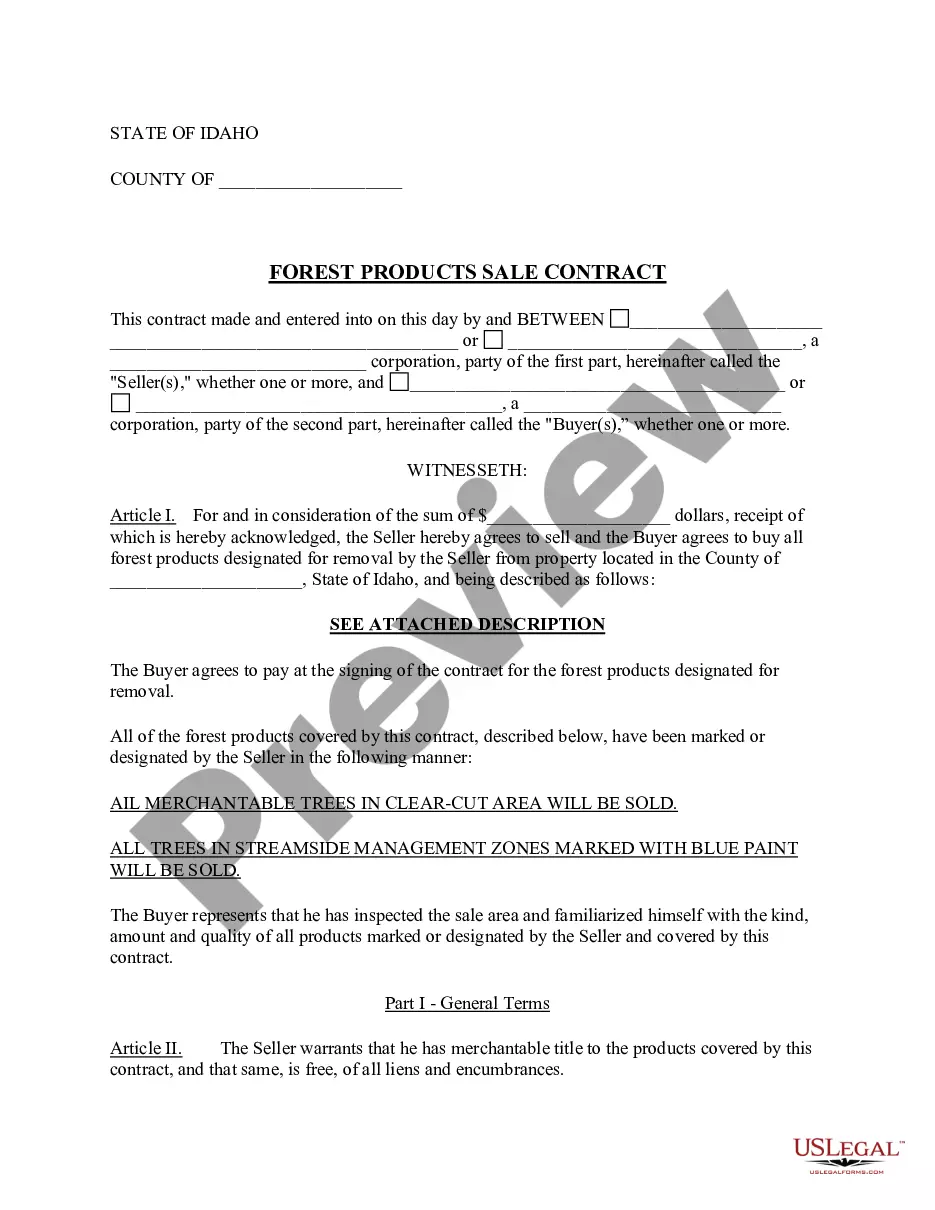
This is a multi-state form covering the subject matter of the title.
Wrongful Termination Court For False Accusations In Texas
State:
Multi-State
Category:
Control #:
US-000291
Format:
Word;
Rich Text
99 downloads
Description
Free preview

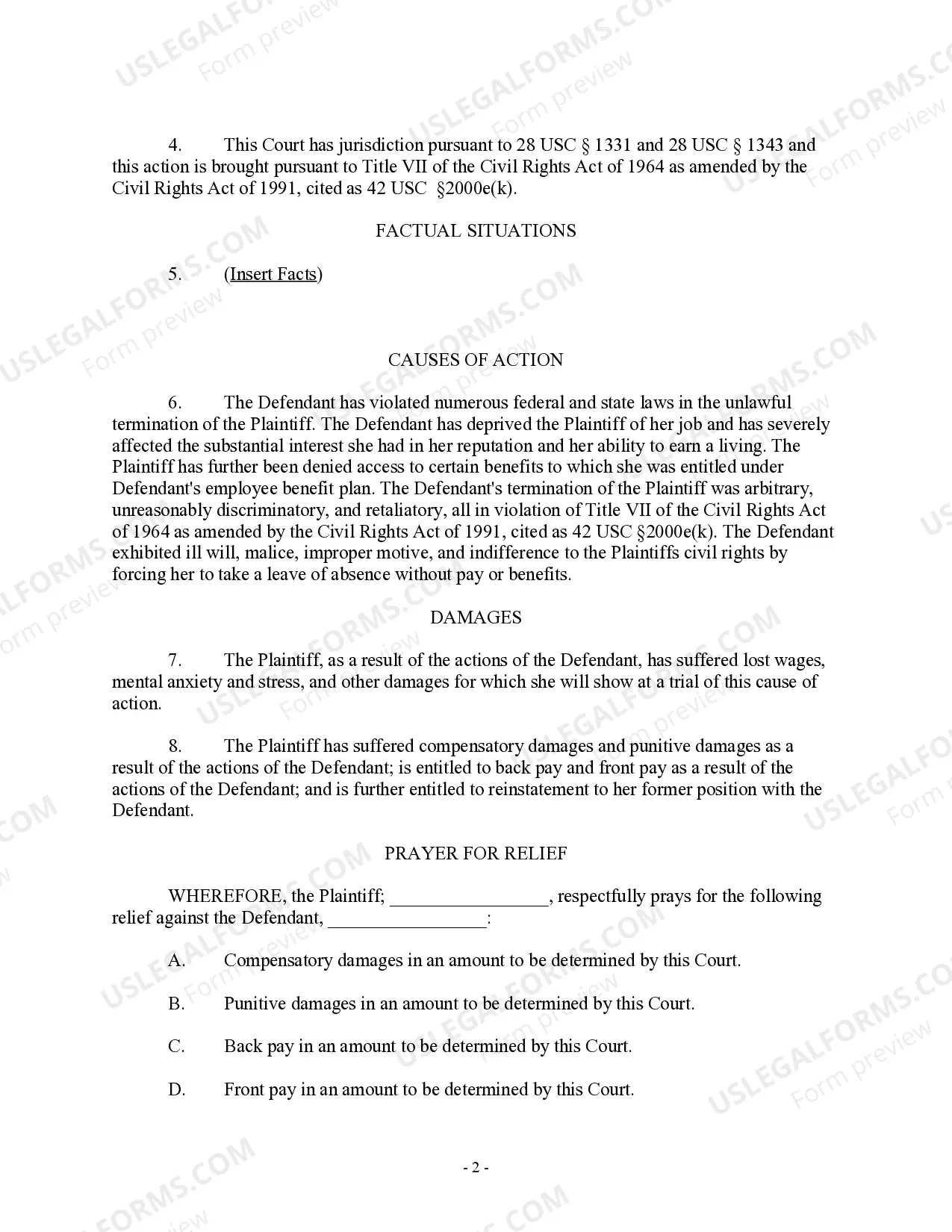
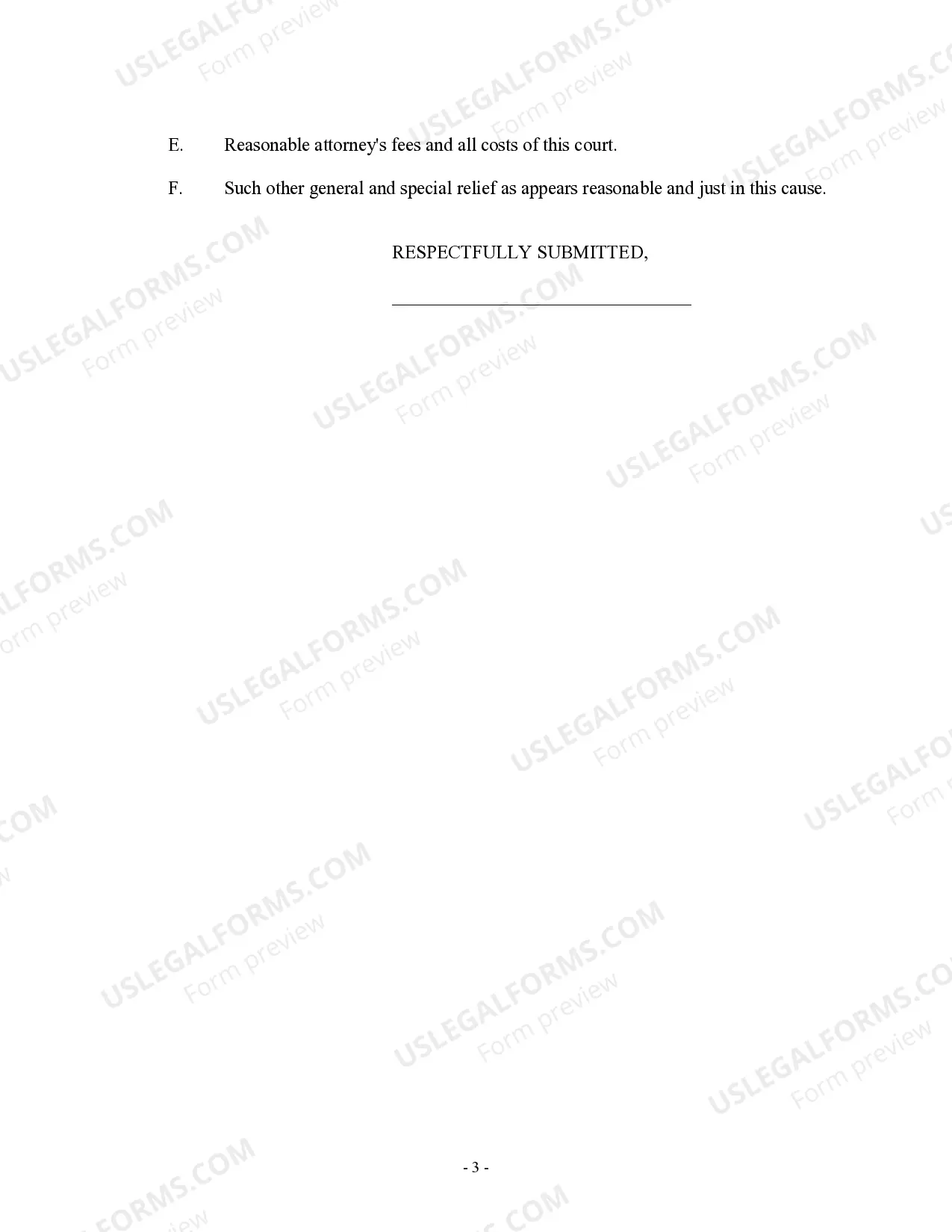



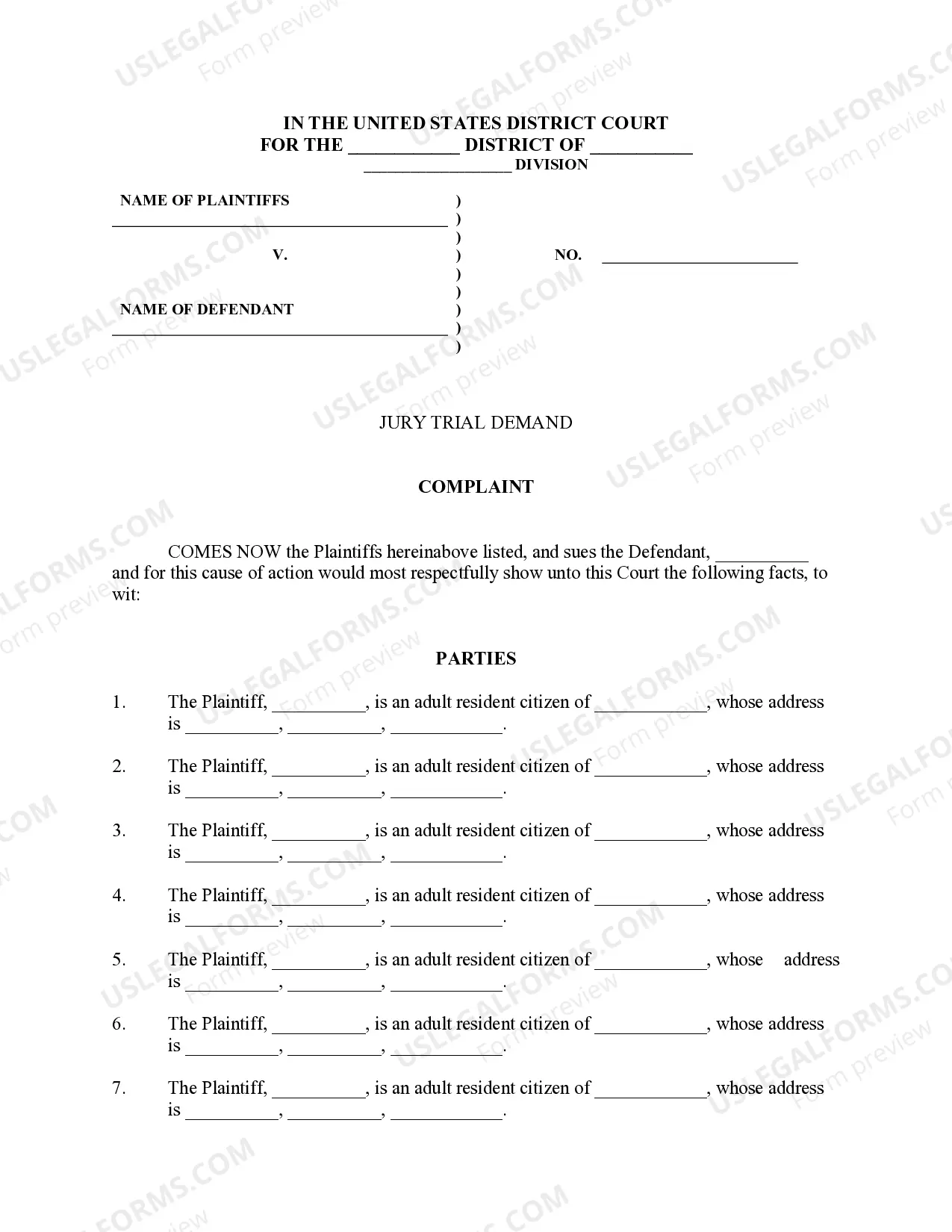
Get your form ready online
Our built-in tools help you complete, sign, share, and store your documents in one place.
Built-in online Word editor
Make edits, fill in missing information, and update formatting in US Legal Forms—just like you would in MS Word.
Export easily
Download a copy, print it, send it by email, or mail it via USPS—whatever works best for your next step.
E-sign your document
Sign and collect signatures with our SignNow integration. Send to multiple recipients, set reminders, and more. Go Premium to unlock E-Sign.
Notarize online 24/7
If this form requires notarization, complete it online through a secure video call—no need to meet a notary in person or wait for an appointment.
Store your document securely
We protect your documents and personal data by following strict security and privacy standards.

Make edits, fill in missing information, and update formatting in US Legal Forms—just like you would in MS Word.

Download a copy, print it, send it by email, or mail it via USPS—whatever works best for your next step.

Sign and collect signatures with our SignNow integration. Send to multiple recipients, set reminders, and more. Go Premium to unlock E-Sign.

If this form requires notarization, complete it online through a secure video call—no need to meet a notary in person or wait for an appointment.

We protect your documents and personal data by following strict security and privacy standards.
Looking for another form?







Form popularity
FAQ
Legally you can file a claim for defamation of character against the employer and seek damages, potentially for loss of employment, if you can prove in court that the comments were false, they were about you, they were communicated to third parties, AND you suffered financial injury.
The Equal Employment Opportunity Commission oversees employment laws and matters of wrongful termination. A claim can be filed with them directly and they will investigate the matter. They may find a resolution themselves, or they may issue a “Right to Sue” letter, after which a lawsuit can be filed.
These cases are difficult to prove. You will most likely need the help of an experienced attorney to successfully navigate the process. An employment law attorney will help you gather the necessary evidence. This will be necessary to prove the elements of a wrongful termination lawsuit.
Proving wrongful termination It's up to the terminated employee to provide evidence that they were wrongfully terminated. Wrongful termination clauses can usually be divided into a few categories: discrimination, retaliation, medical history, organizing unions – or just plain lack of cause.
You can sue an employer for firing you under false accusations if the termination violates your employment contract, discriminates against protected classes, or is considered retaliatory under labor laws. Document the accusations and seek legal counsel to determine if wrongful termination laws apply in your case.
When you have a lawyer for a wrongful termination case the likelihood of receiving compensation is 64% and the likelihood of receiving compensation without a lawyer is 30%.
For instance, it would be illegal for an employer to terminate an employee because of race, religion, age or disability discrimination or retaliation. Other examples would include terminating an employee because the employee disclosed she was pregnant, or because the employee made a workplace safety complaint.
There are several ways to counter false allegations, including thorough documentation, which means maintaining records of all communications, events, and interactions pertaining to the case. Save any emails, texts, voicemails, written exchanges, etc., as evidence.
No. There is nothing unlawful about firing someone for being falsely accused by other employees. An employer is allowed to prefer employees that aren't falsely accused because dealing with false accusations is annoying.