This is a multi-state form covering the subject matter of the title.
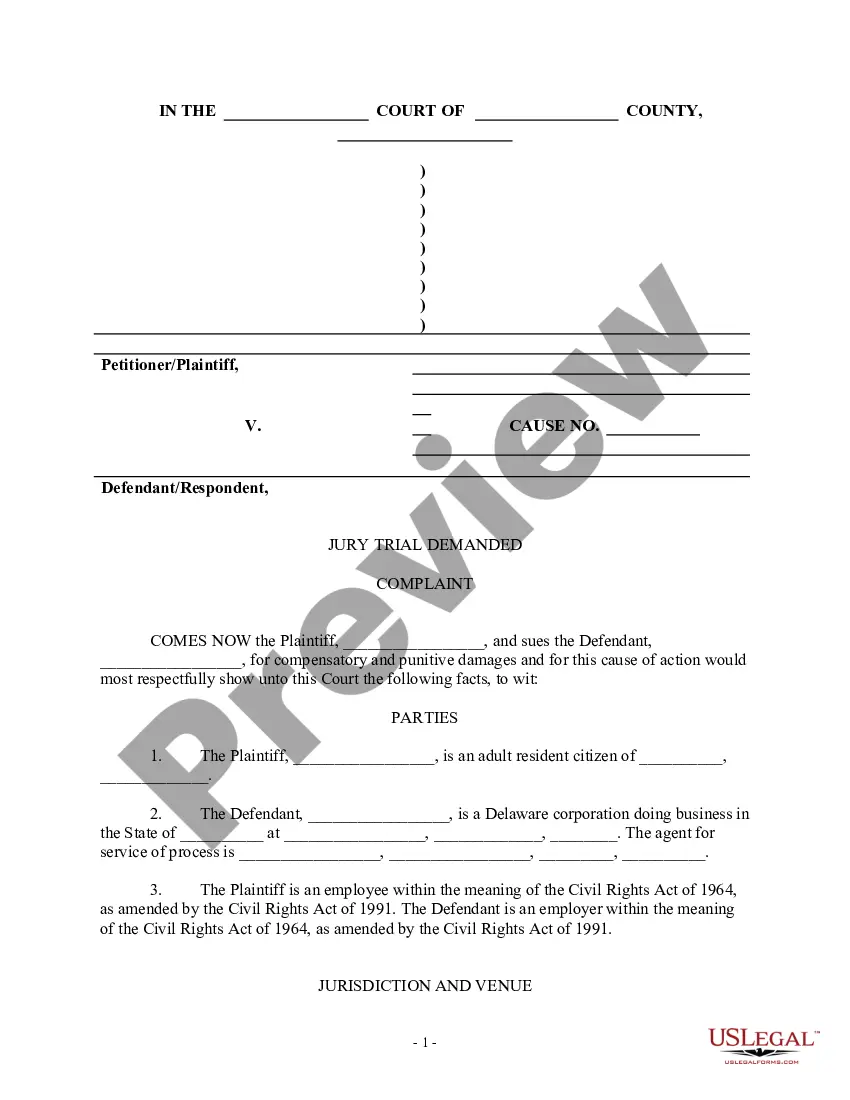
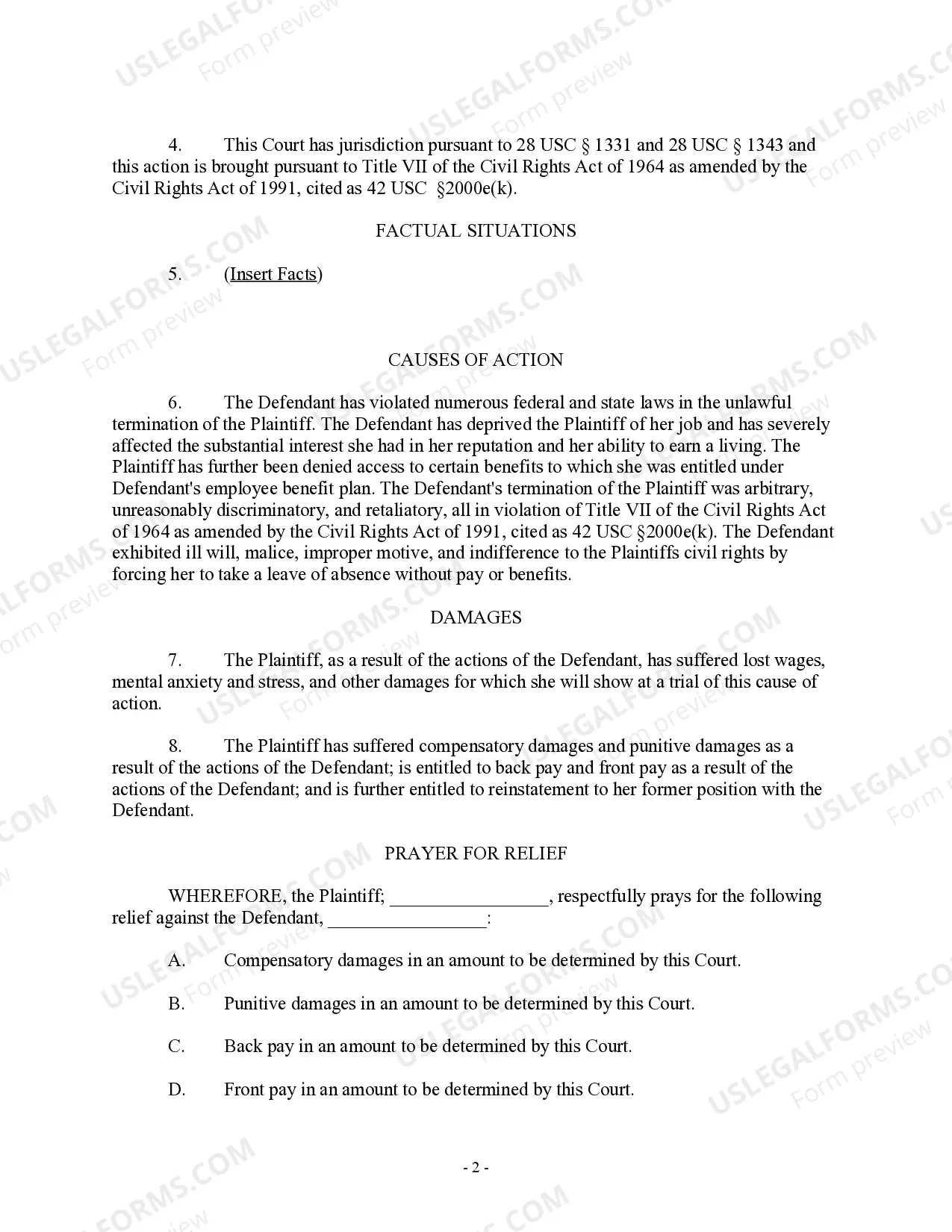
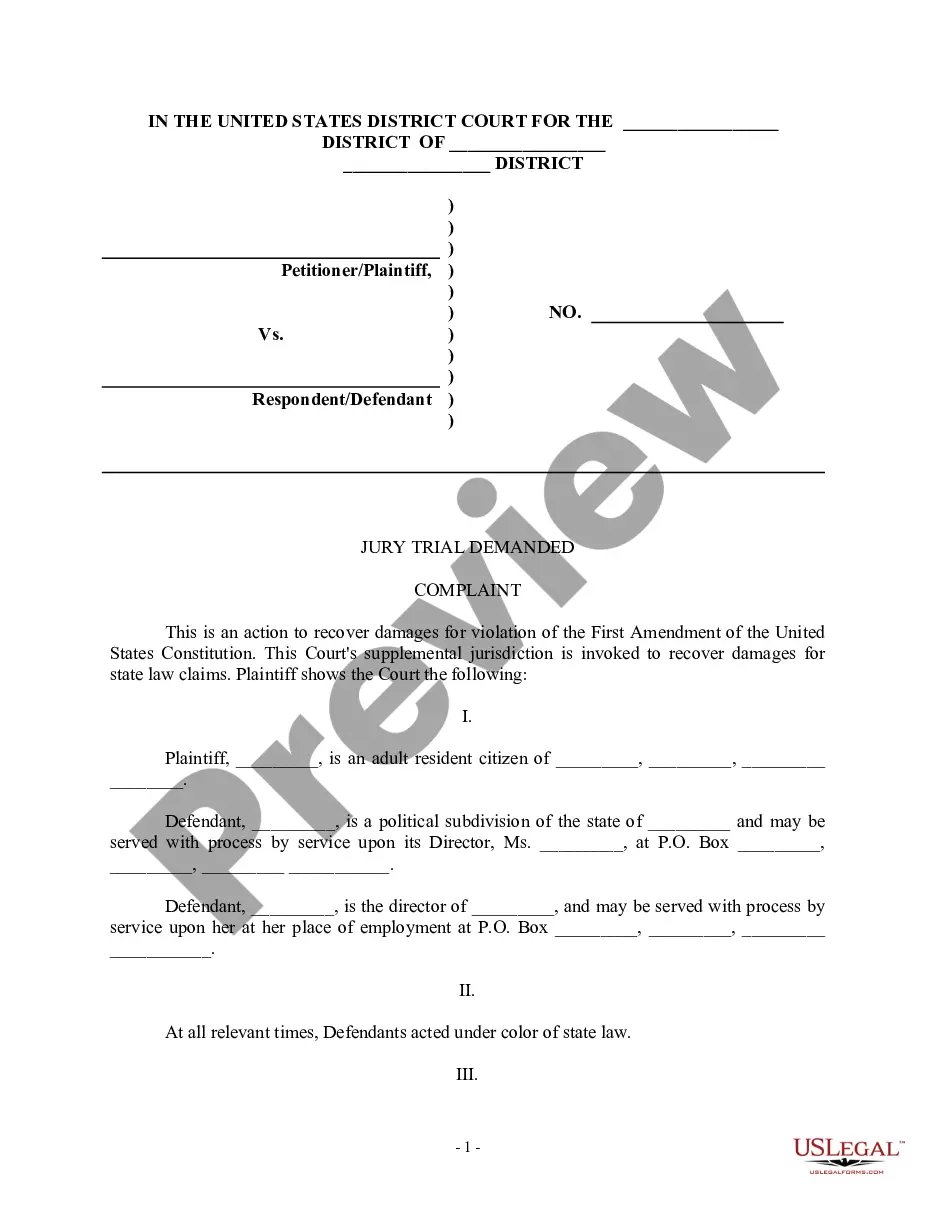
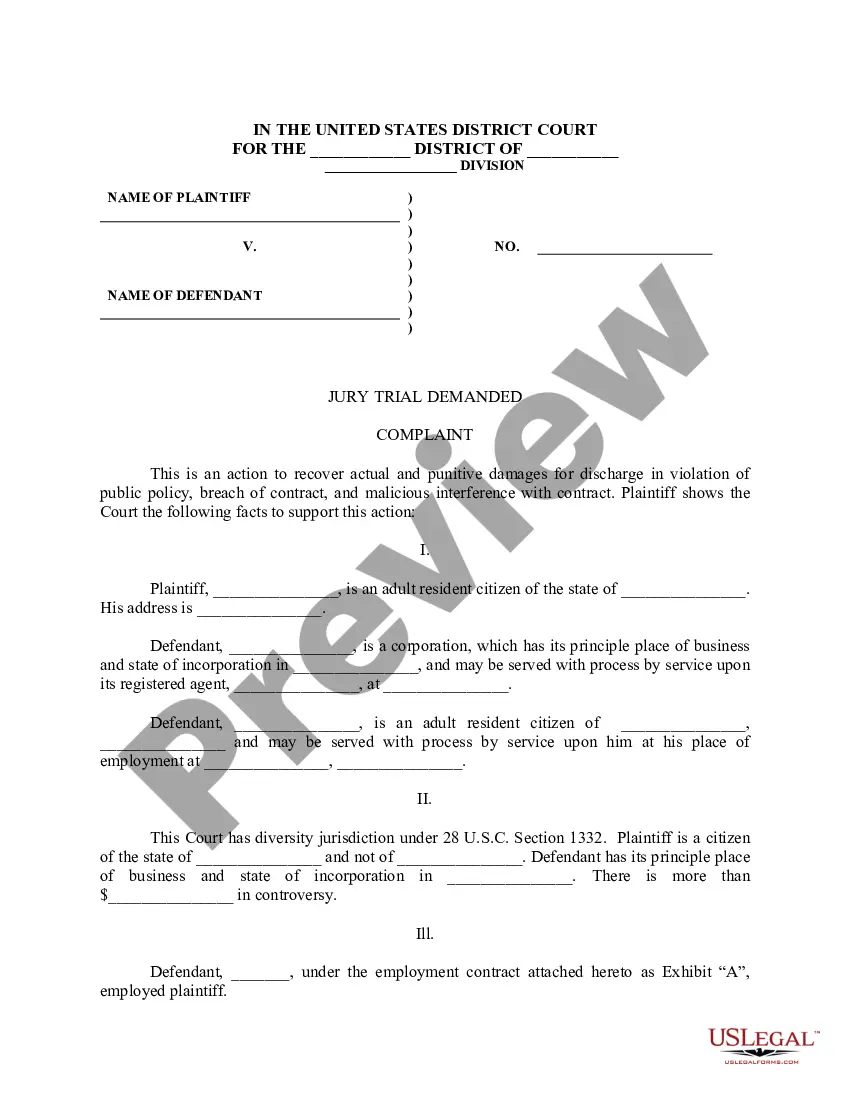
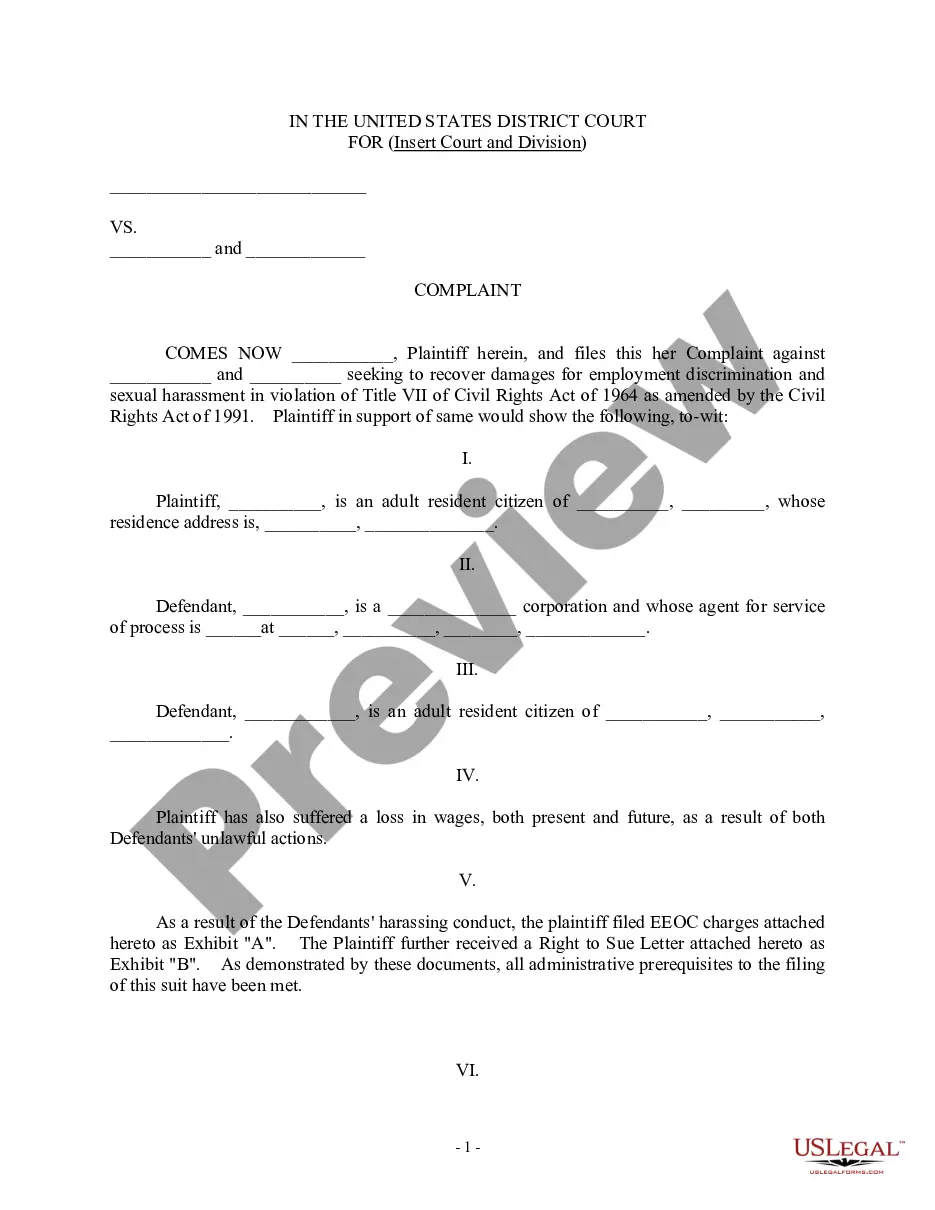
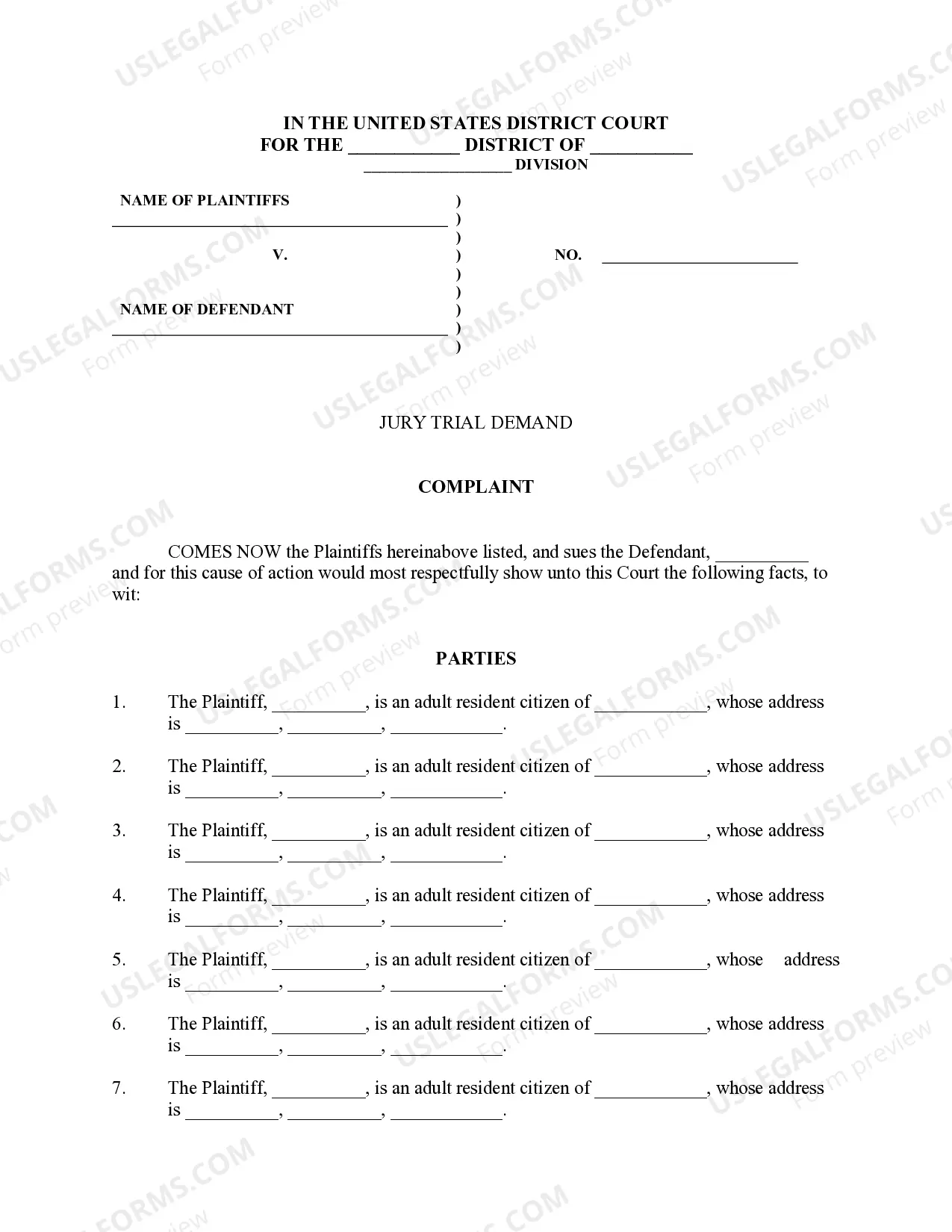
Demand For Trial By Jury Meaning In Texas
State:
Multi-State
Category:
Control #:
US-000291
Format:
Word;
Rich Text
99 downloads
Description
Free preview

Get your form ready online
Our built-in tools help you complete, sign, share, and store your documents in one place.
Built-in online Word editor
Make edits, fill in missing information, and update formatting in US Legal Forms—just like you would in MS Word.
Export easily
Download a copy, print it, send it by email, or mail it via USPS—whatever works best for your next step.
E-sign your document
Sign and collect signatures with our SignNow integration. Send to multiple recipients, set reminders, and more. Go Premium to unlock E-Sign.
Notarize online 24/7
If this form requires notarization, complete it online through a secure video call—no need to meet a notary in person or wait for an appointment.
Store your document securely
We protect your documents and personal data by following strict security and privacy standards.

Make edits, fill in missing information, and update formatting in US Legal Forms—just like you would in MS Word.

Download a copy, print it, send it by email, or mail it via USPS—whatever works best for your next step.

Sign and collect signatures with our SignNow integration. Send to multiple recipients, set reminders, and more. Go Premium to unlock E-Sign.

If this form requires notarization, complete it online through a secure video call—no need to meet a notary in person or wait for an appointment.

We protect your documents and personal data by following strict security and privacy standards.
Looking for another form?
Form popularity
FAQ
Any party is entitled to a trial by jury. A written demand for a jury must be filed no later than 14 days before the date a case is set for trial. If the demand is not timely, the right to a jury is waived unless the late filing is excused by the judge for good cause.
Each county receives a list of potential jurors from the Secretary of State that consists of those individuals in the county that are registered to vote, hold a Texas driver's license, or hold a Texas identification card. Citizens on the list are randomly selected and mailed a summons to report for jury service.
In the demand a party may specify the issues which the party wishes so tried; otherwise the party shall be deemed to have demanded trial by jury for all the issues so triable.
Amendment Seven to the Constitution was ratified on December 15, 1791. It protects the right for citizens to have a jury trial in federal courts with civil cases where the claim exceeds a certain dollar value. It also prohibits judges in these trials from overruling facts revealed by the jury.
On any issue triable of right by a jury, a party may demand a jury trial by: (1) serving the other parties with a written demand—which may be included in a pleading—no later than 14 days after the last pleading directed to the issue is served; and. (2) filing the demand in ance with Rule 5(d).
Defendants generally trust that a jury will acquit or render a not guilty verdict more often (than a judge). The O.J. trial certainly validated this belief. Both the defendant and the People have the right to a jury trial in misdemeanor and felony trials (California Constitution, Article I, § 16 and Penal Code § 699).
Predictable Outcomes: Judges' decisions are generally more predictable than those of a jury, in which emotions or personal biases can sway. If, for example, you're assigned a judge with a record of showing leniency for mitigating circumstances, your attorney might recommend waiving the jury trial.
Trial by jury helps the criminal justice system reflect the values and standards of the general public. It's vital for the health of the criminal justice system that citizens participate in it and it is vital for democracy that they do, which might explain why politicians are always seeking to limit that participation.
If someone is accused of a crime, they have a right to be tried in front of a jury. A jury is made up of 12 people who are chosen at random to hear the evidence and decide if the accused is guilty or not guilty.
By law, the courts will excuse from jury duty anyone with a mental or physical condition that would keep them from serving as a juror. There is not an exemption based on age, but you may request to be excused if you have a hardship that would make it difficult to serve.