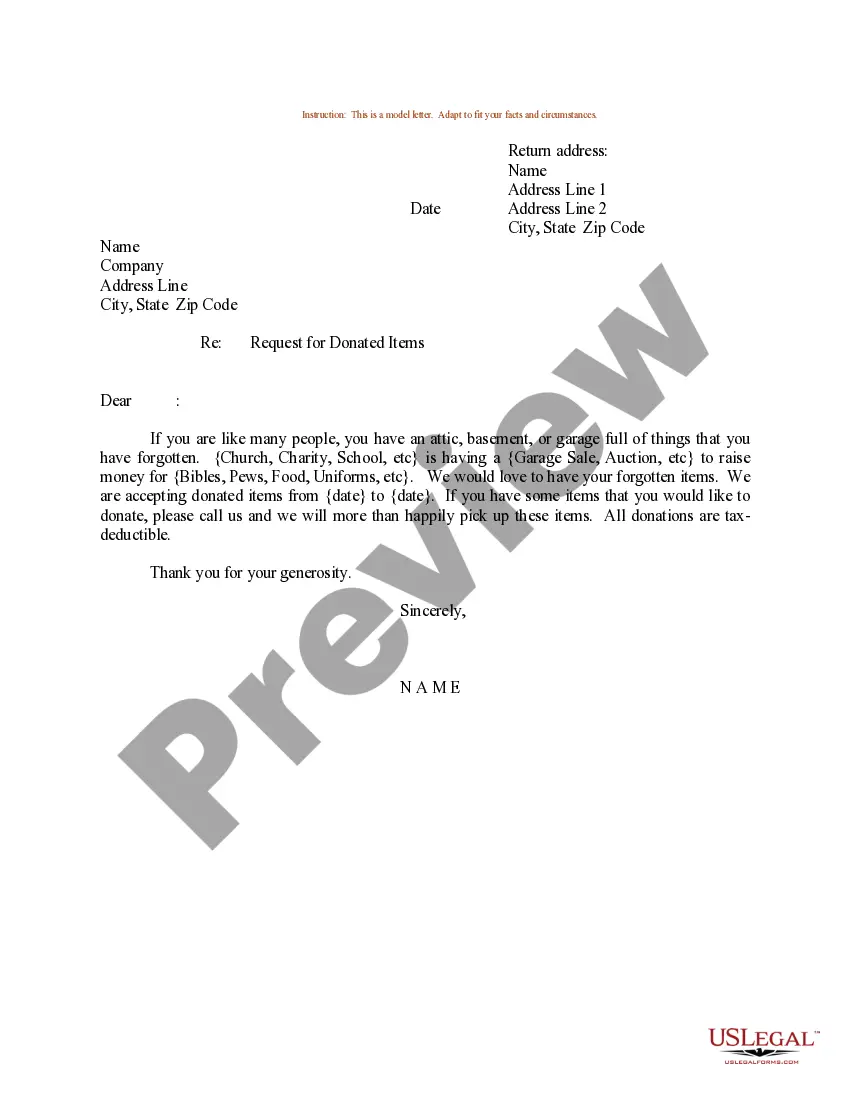
This is a multi-state form covering the subject matter of the title.
Demand For Trial Authorizations In Suffolk
State:
Multi-State
Category:
County:
Suffolk
Control #:
US-000291
Format:
Word;
Rich Text
99 downloads
Description
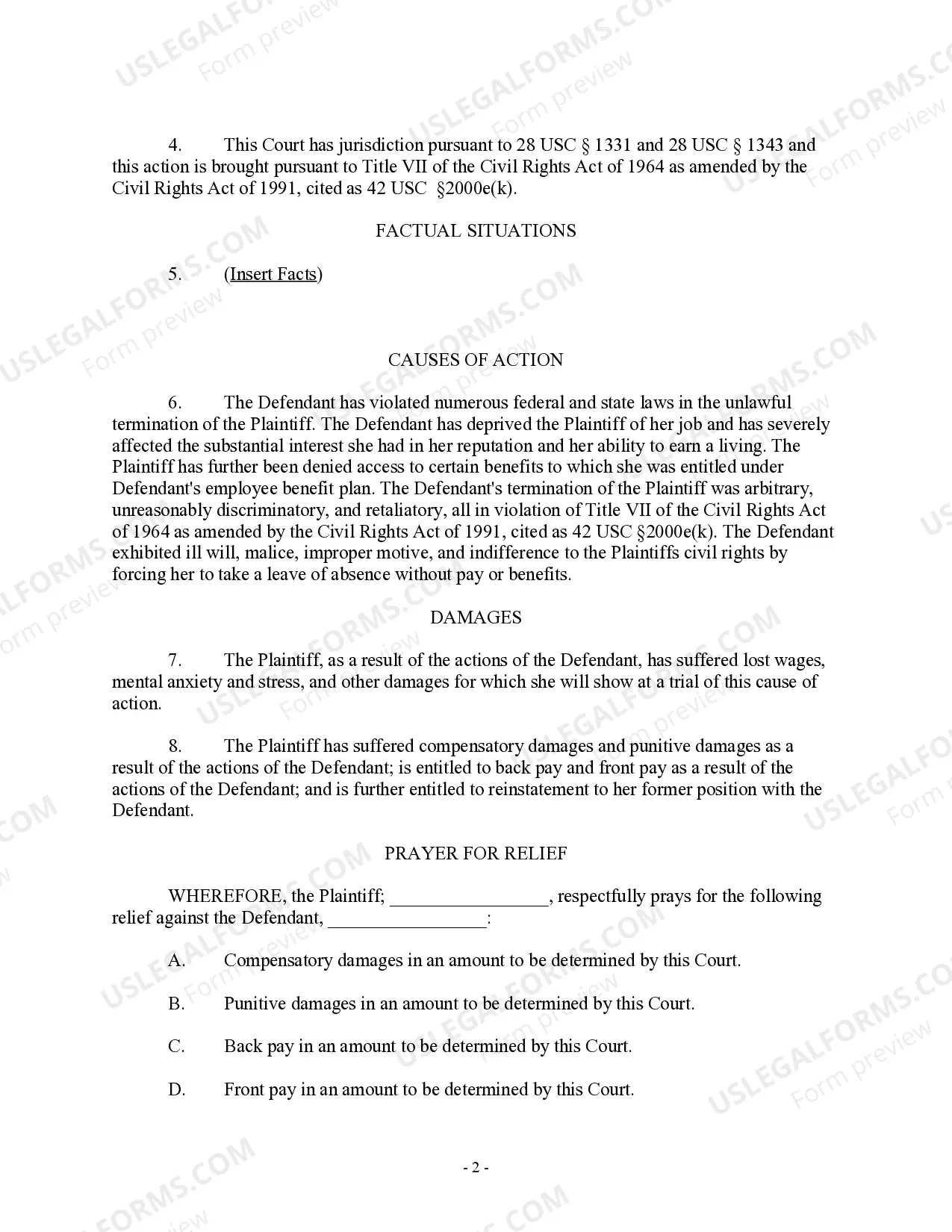
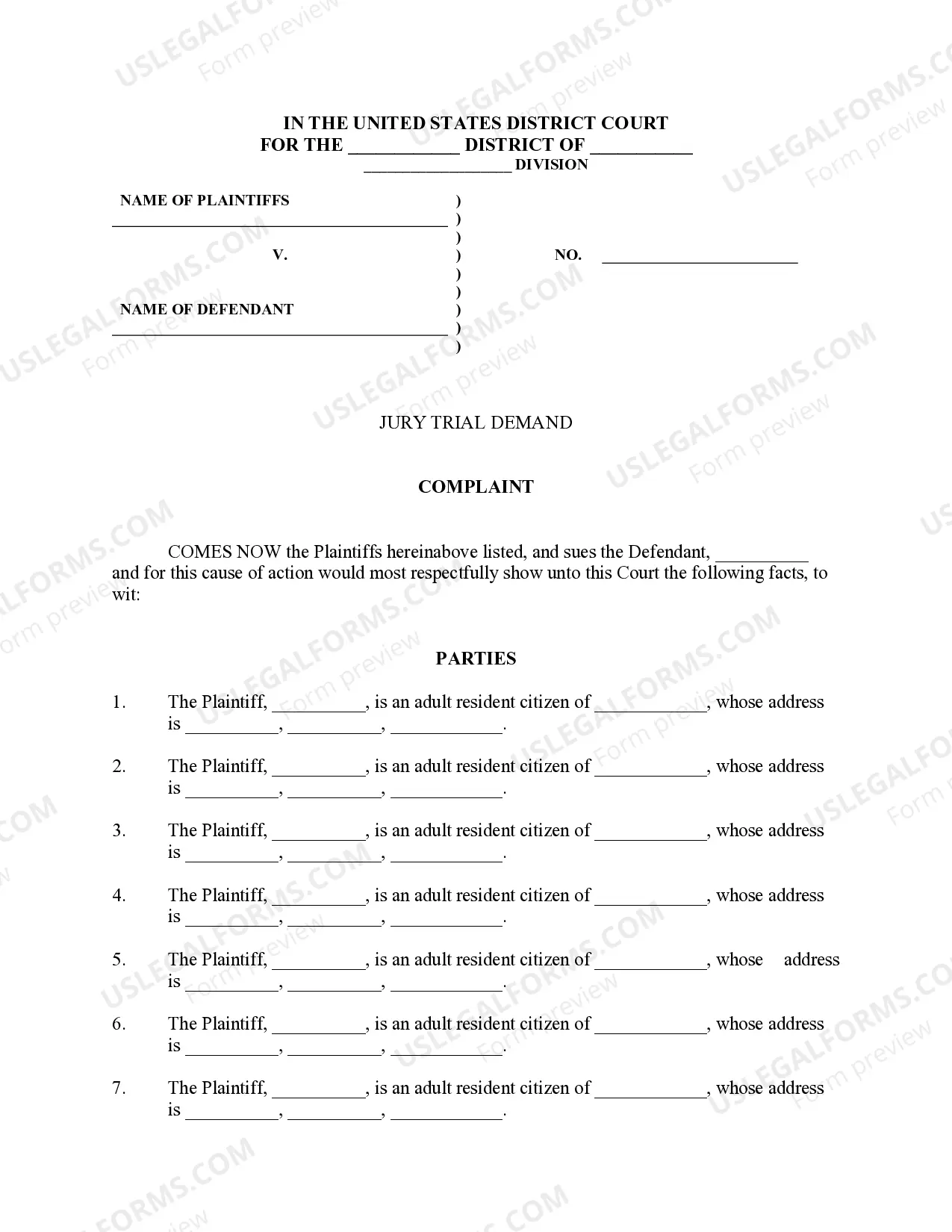
Free preview





Get your form ready online
Our built-in tools help you complete, sign, share, and store your documents in one place.
Built-in online Word editor
Make edits, fill in missing information, and update formatting in US Legal Forms—just like you would in MS Word.
Export easily
Download a copy, print it, send it by email, or mail it via USPS—whatever works best for your next step.
E-sign your document
Sign and collect signatures with our SignNow integration. Send to multiple recipients, set reminders, and more. Go Premium to unlock E-Sign.
Notarize online 24/7
If this form requires notarization, complete it online through a secure video call—no need to meet a notary in person or wait for an appointment.
Store your document securely
We protect your documents and personal data by following strict security and privacy standards.

Make edits, fill in missing information, and update formatting in US Legal Forms—just like you would in MS Word.

Download a copy, print it, send it by email, or mail it via USPS—whatever works best for your next step.

Sign and collect signatures with our SignNow integration. Send to multiple recipients, set reminders, and more. Go Premium to unlock E-Sign.

If this form requires notarization, complete it online through a secure video call—no need to meet a notary in person or wait for an appointment.

We protect your documents and personal data by following strict security and privacy standards.
Looking for another form?




Form popularity
FAQ
Notice of Demand for Trial or Disposition Pursuant to Pena Code Section 1381. A Notice of Demand for Trial or Disposition Pursuant to Penal Code Section 1381 is sent from the Sheriff to the Prosecutor when a subject is incarcerated in the county jail and the subject demands a trial on outstanding charges.
1050. (a) The welfare of the people of the State of California requires that all proceedings in criminal cases shall be set for trial and heard and determined at the earliest possible time.
After the arraignment, there's a pretrial period. During this time, the prosecutor and the defendant's lawyer share information (called discovery). There are court dates to try to reach an agreement or make plans for trial.
The Suffolk County Supreme Court is located in Riverhead and Central Islip. While Matrimonial and Guardianship proceedings take place predominately in our Central Islip location, all other Civil matters are heard in Riverhead.
The 1381 form, also known as the "Witness and Evidence Subpoena" or "Penal Code Form," is typically filed by the defense attorney in a criminal case. It is used to request the presence of witnesses or the production of specific documents or evidence for the defense's case.
A case dismissed with a PC 1381 Motion is a demand to go to trial by someone who has been sentenced to imprisonment for 90 days or more. For example, if a person has been sentenced to prison for 16 months, and a new case is filed against them while they are in prison, they can make a 1381 Motion to be brought to trial.
In some cases, the offense may not become known until a later date. In these instances, New York laws sometimes allow the statute of limitations period to commence on the date the injury is discovered or should reasonably have been discovered. This is known as the discovery rule.
California Code of Civil Procedure sections 2030.290 (interrogatories) and 2031.300 (requests for production) authorize motions to compel responses where no responses have been provided within the 30-day timeframe during which responses are due.
Once your attorney prepares and files a "Note of Issue" your case will sit on the trial calendar for many months. When your case is finally called, your attorney will need to appear for a pre-trial conference with the trial assignment judge.
You have 30 days to respond to interrogatories, but you may ask the other party for more time. If the other party declines, you may write to the judge to ask for an extension of time. You must answer each interrogatory separately and fully in writing and under oath.