This is a multi-state form covering the subject matter of the title.
Wrongful Termination Court Within 90 Days In Santa Clara
State:
Multi-State
Category:
County:
Santa Clara
Control #:
US-000291
Format:
Word;
Rich Text
99 downloads
Description
Free preview

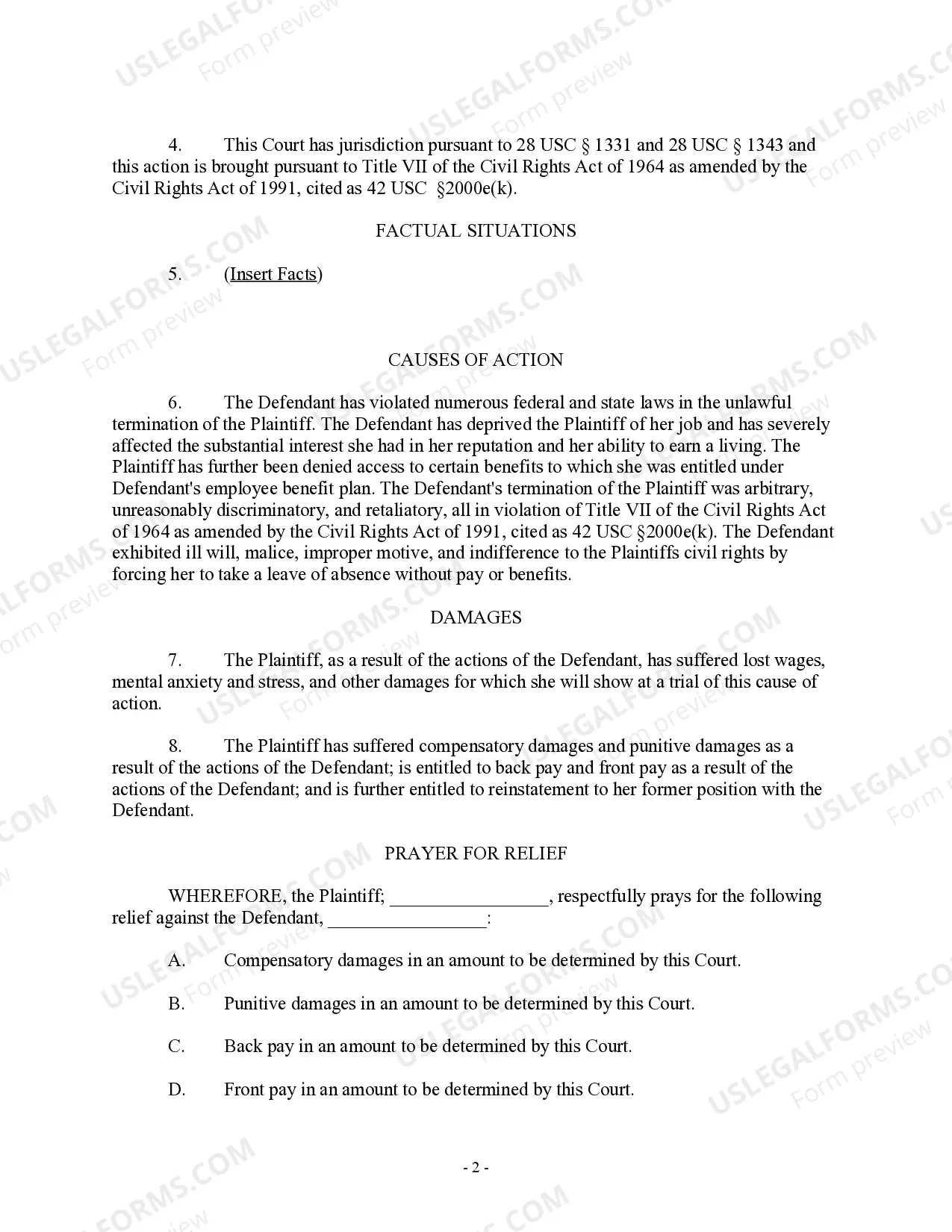
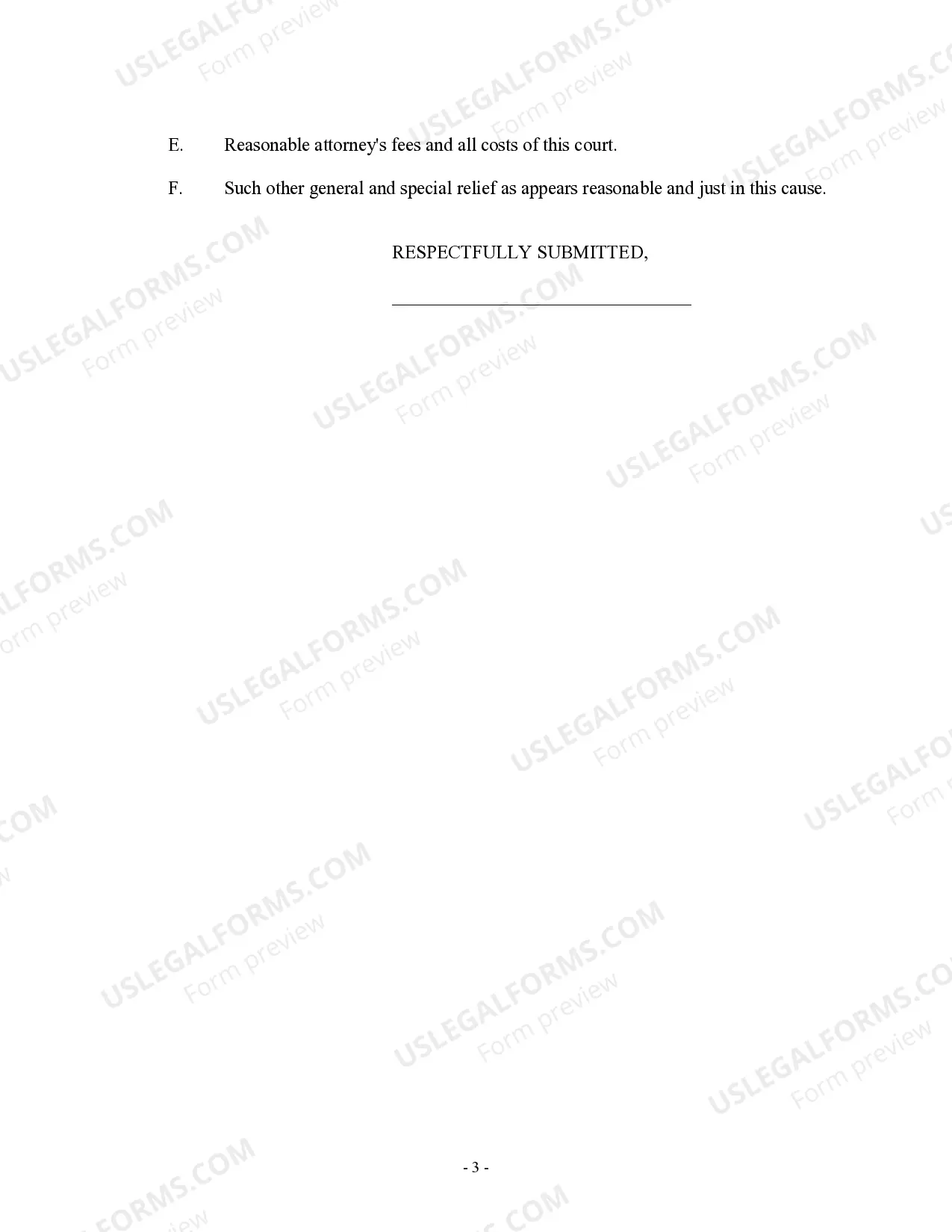



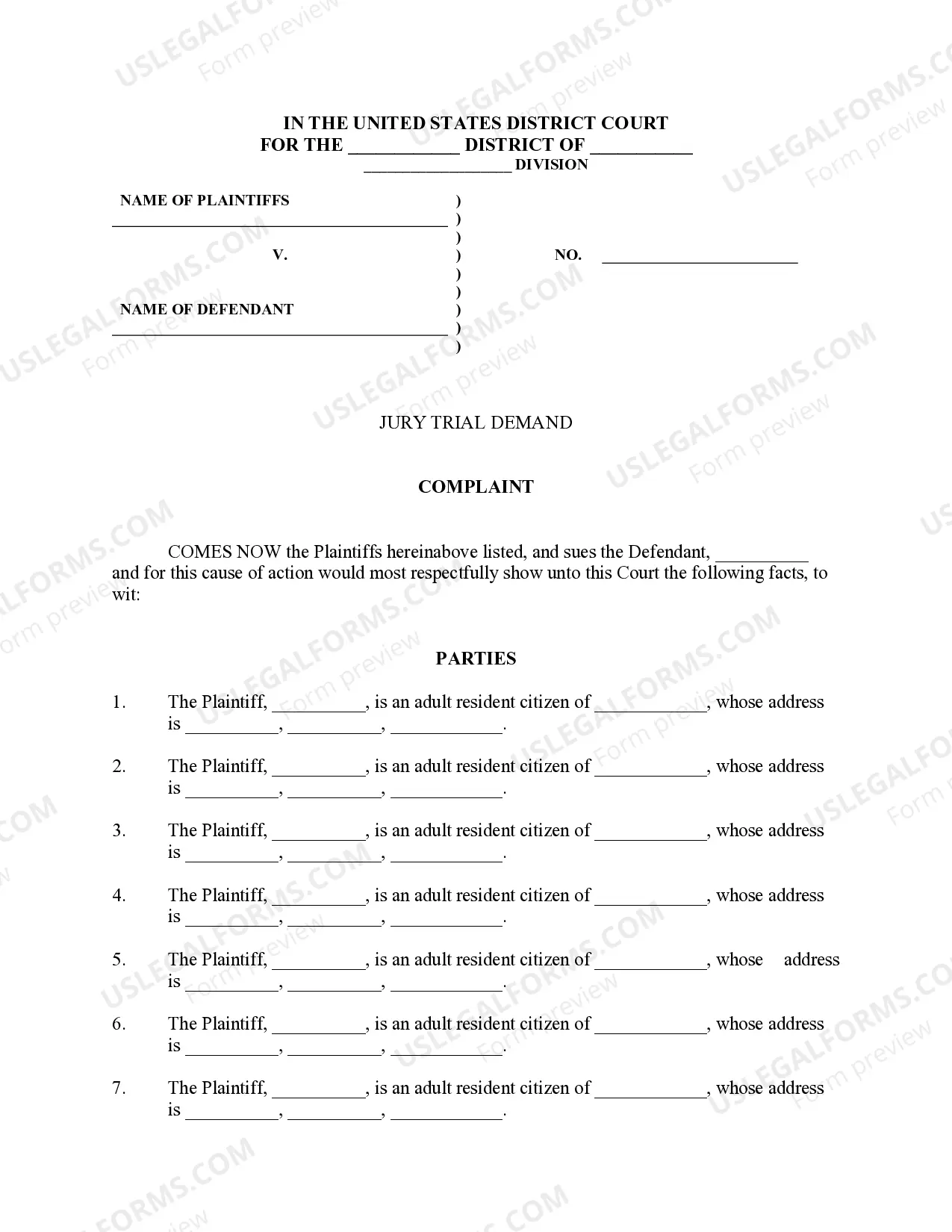
Get your form ready online
Our built-in tools help you complete, sign, share, and store your documents in one place.
Built-in online Word editor
Make edits, fill in missing information, and update formatting in US Legal Forms—just like you would in MS Word.
Export easily
Download a copy, print it, send it by email, or mail it via USPS—whatever works best for your next step.
E-sign your document
Sign and collect signatures with our SignNow integration. Send to multiple recipients, set reminders, and more. Go Premium to unlock E-Sign.
Notarize online 24/7
If this form requires notarization, complete it online through a secure video call—no need to meet a notary in person or wait for an appointment.
Store your document securely
We protect your documents and personal data by following strict security and privacy standards.

Make edits, fill in missing information, and update formatting in US Legal Forms—just like you would in MS Word.

Download a copy, print it, send it by email, or mail it via USPS—whatever works best for your next step.

Sign and collect signatures with our SignNow integration. Send to multiple recipients, set reminders, and more. Go Premium to unlock E-Sign.

If this form requires notarization, complete it online through a secure video call—no need to meet a notary in person or wait for an appointment.

We protect your documents and personal data by following strict security and privacy standards.
Looking for another form?





Form popularity
FAQ
Under California law, employers must provide notice to employees before termination. For employees who have been employed for less than one year, the notice period is at least 90 days. For employees who have been employed for more than one year, the notice period is at least 60 days.
Under Labor Code Section 202, when an employee not having a written contact for a definite period quits his or her employment and gives 72 hours prior notice of his or her intention to quit, and quits on the day given in the notice, the employee is entitled to his or her wages at the time of quitting.
Can you get fired in the first 90 days? Yes, in most states, you can be fired at any time during the first 90 days, as long as the termination is not due to discriminatory or retaliatory reasons.
The statute of limitations is the official deadline for taking legal action. In the state of California, the statute of limitations for wrongful termination is two years from the date of the termination.
Under California law, employers must provide notice to employees before termination. For employees who have been employed for less than one year, the notice period is at least 90 days. For employees who have been employed for more than one year, the notice period is at least 60 days.
Wrongful termination cases can be difficult to win since the employee must provide evidence that their discharge was unlawful. Although assembling solid proof and hiring legal counsel improves the odds, employers frequently contend the dismissal was justified due to performance-related issues.
Short answer: The average California wrongful termination settlement is approximately $5,000-$100,000. The breakdown for these numbers is as follows: 24% of Californians could expect a wrongful termination settlement of $5,000 or less.
In practice, the burden of proof in workplace investigations means deciding if something is more likely to have happened than not. This is known as the "balance of probabilities."