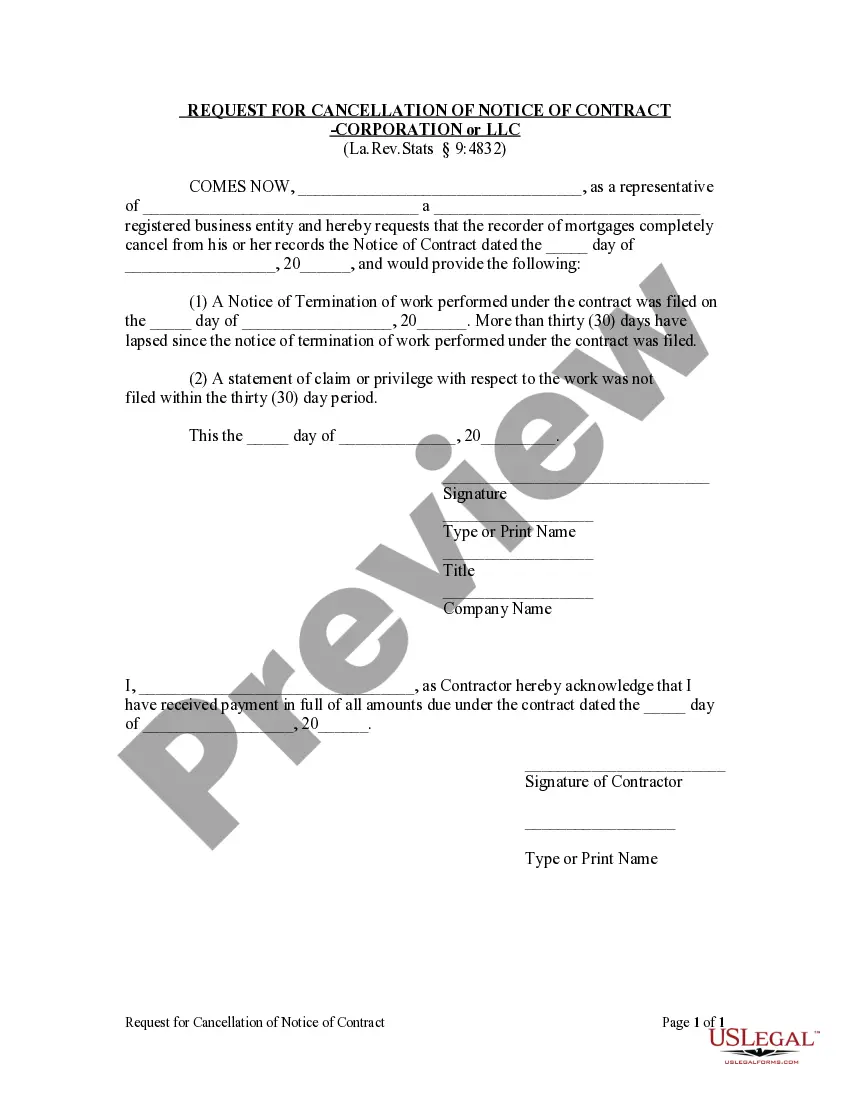
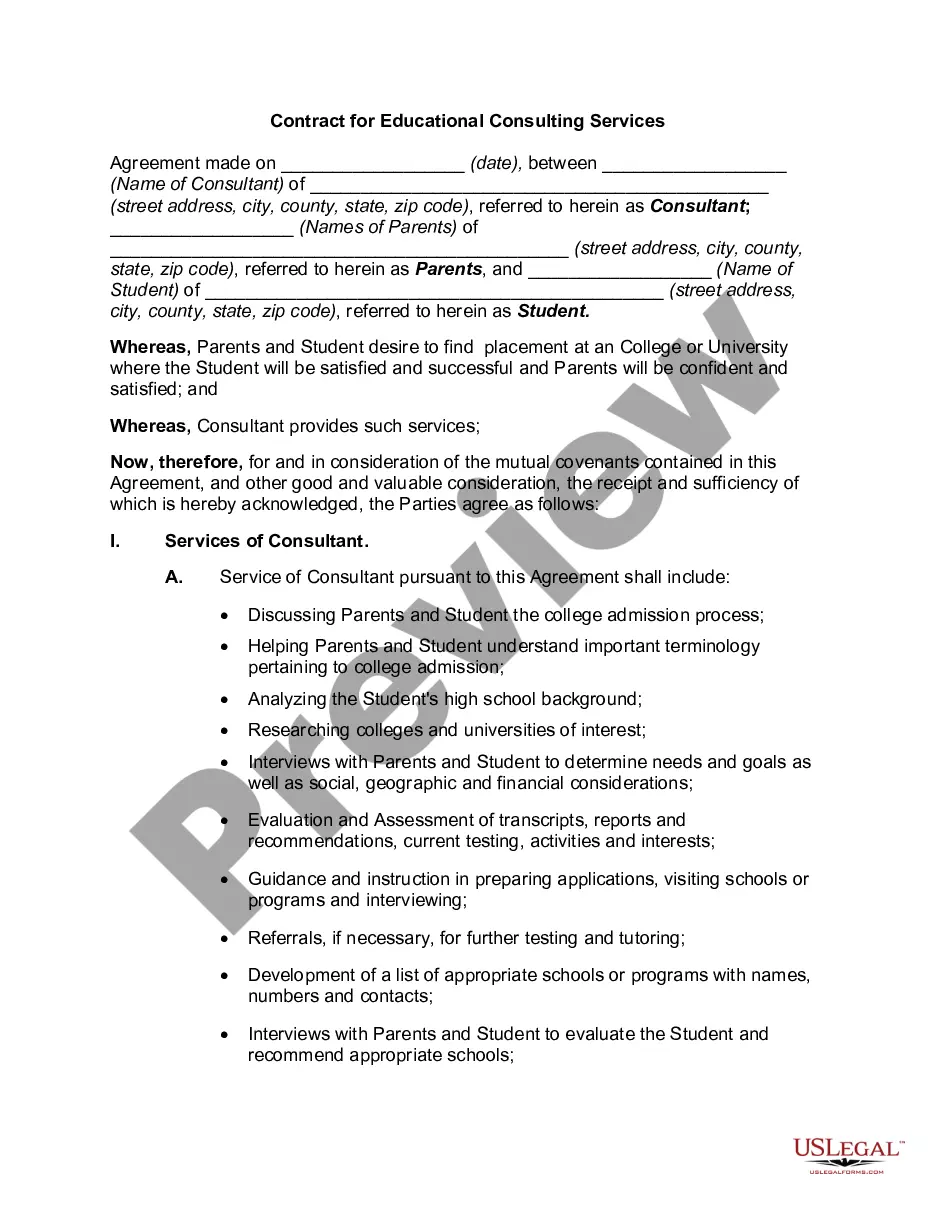
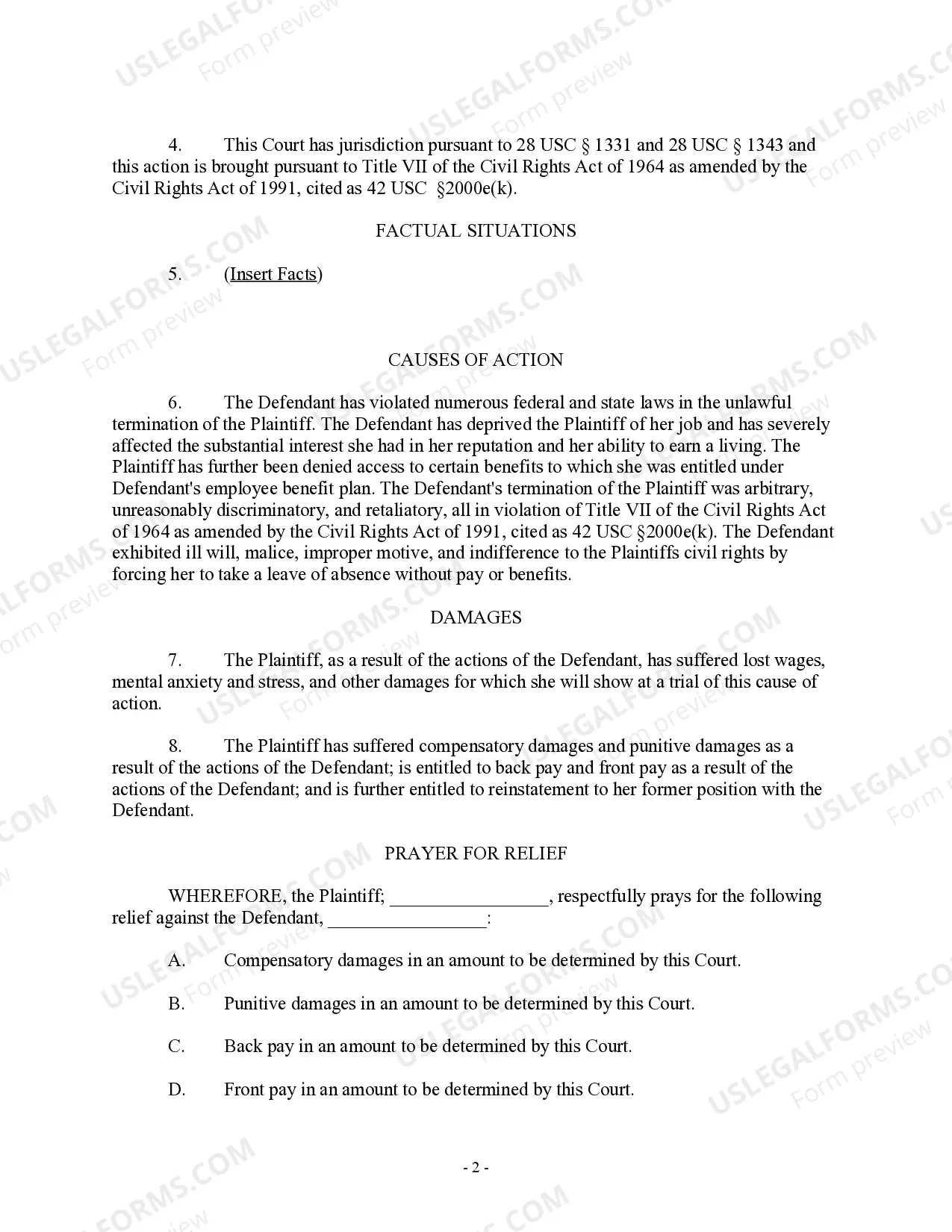
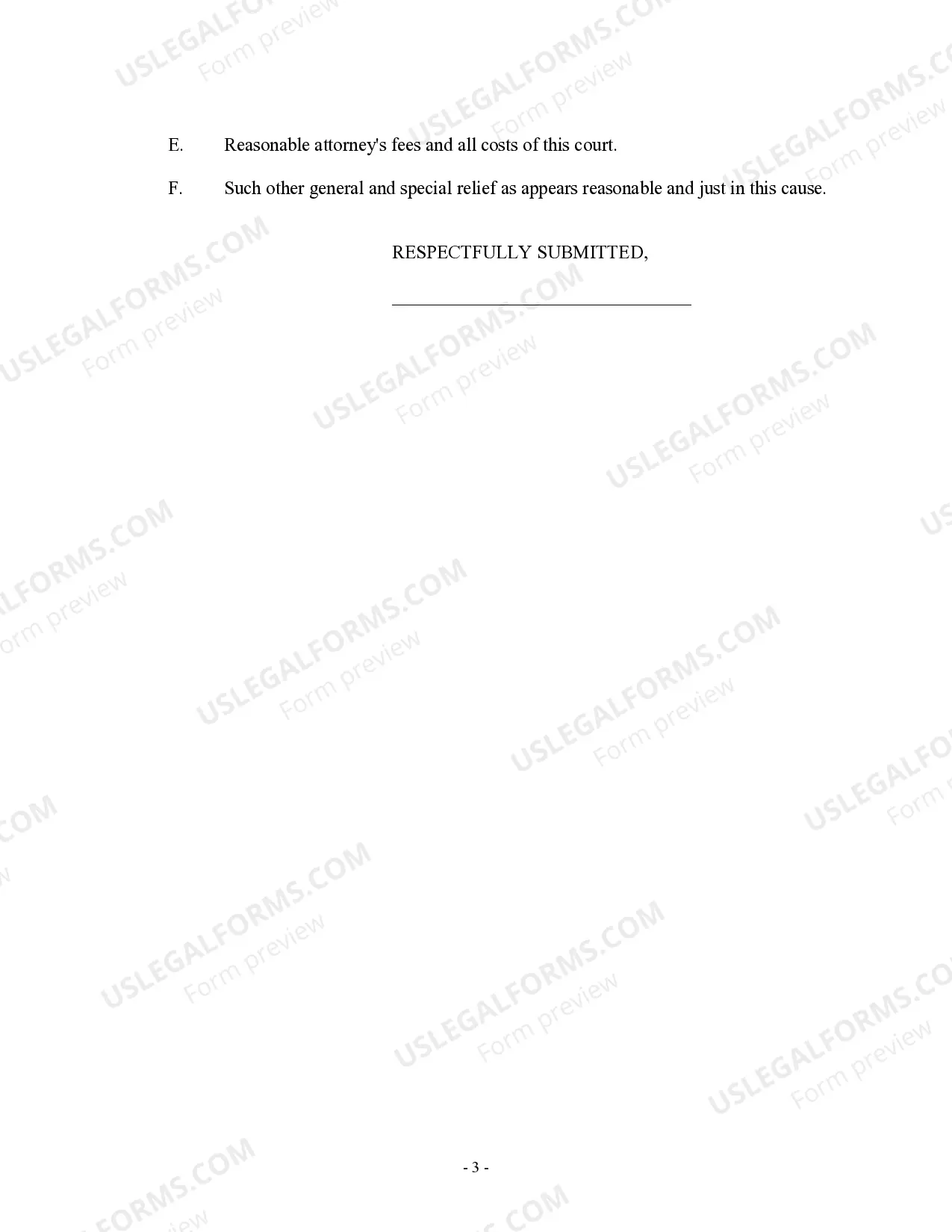
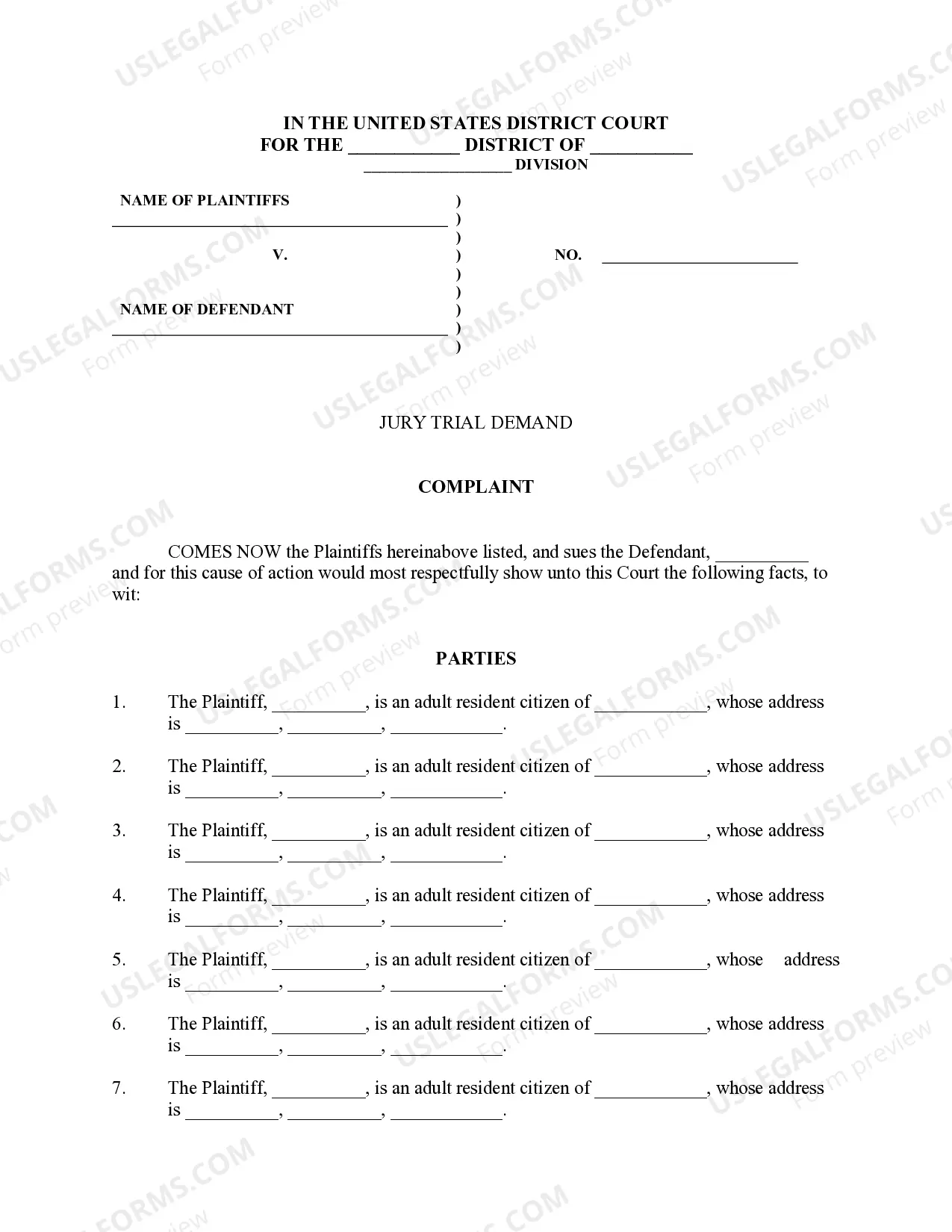
This is a multi-state form covering the subject matter of the title.
Wrongful Termination Court For Being Sick In San Jose
State:
Multi-State
Category:
City:
San Jose
Control #:
US-000291
Format:
Word;
Rich Text
99 downloads
Description
Free preview




Get your form ready online
Our built-in tools help you complete, sign, share, and store your documents in one place.
Built-in online Word editor
Make edits, fill in missing information, and update formatting in US Legal Forms—just like you would in MS Word.
Export easily
Download a copy, print it, send it by email, or mail it via USPS—whatever works best for your next step.
E-sign your document
Sign and collect signatures with our SignNow integration. Send to multiple recipients, set reminders, and more. Go Premium to unlock E-Sign.
Notarize online 24/7
If this form requires notarization, complete it online through a secure video call—no need to meet a notary in person or wait for an appointment.
Store your document securely
We protect your documents and personal data by following strict security and privacy standards.

Make edits, fill in missing information, and update formatting in US Legal Forms—just like you would in MS Word.

Download a copy, print it, send it by email, or mail it via USPS—whatever works best for your next step.

Sign and collect signatures with our SignNow integration. Send to multiple recipients, set reminders, and more. Go Premium to unlock E-Sign.

If this form requires notarization, complete it online through a secure video call—no need to meet a notary in person or wait for an appointment.

We protect your documents and personal data by following strict security and privacy standards.
Looking for another form?

Form popularity
FAQ
This is one of the fair reasons for dismissal. If there is a good reason for the absence (so that your stress is accepted as genuine), and your illness is through not fault of your employer, then reasonable adjustments to help you get back to work should be considered.
If you are wrongfully terminated due to illness, you may be entitled to various damages and remedies. These can include compensation for lost wages, emotional distress, and even punitive damages if the employer's actions were particularly egregious.
Lies, evasions, deliberate inaction, lack of communication, and other forms of interference or obstruction. These are all potential breaches of the covenant of good faith and fair dealing. If you're fired under these circumstances, you could have a claim for wrongful termination in California.
California law generally prohibits employers from terminating employees for taking protected medical leave. However, certain exceptions and limitations exist that you should be aware of.
Yes, an employer can terminate an employee for calling in sick too often, but there are important considerations: Company Policy: Employers typically have attendance policies that outline acceptable levels of absenteeism. If an employee exceeds those thresholds, they may face disciplinary action.
Lies, evasions, deliberate inaction, lack of communication, and other forms of interference or obstruction. These are all potential breaches of the covenant of good faith and fair dealing. If you're fired under these circumstances, you could have a claim for wrongful termination in California.
Termination is unlawful during medical leave when an employer fires an employee for taking protected leave or because of their health condition. For example, if you were on medical leave due to surgery or a serious illness and your employer fired you because of your absence, that may be unlawful.