This is a multi-state form covering the subject matter of the title.
Demand Trial By Combat Meaning In San Bernardino
State:
Multi-State
Category:
County:
San Bernardino
Control #:
US-000291
Format:
Word;
Rich Text
99 downloads
Description
Free preview

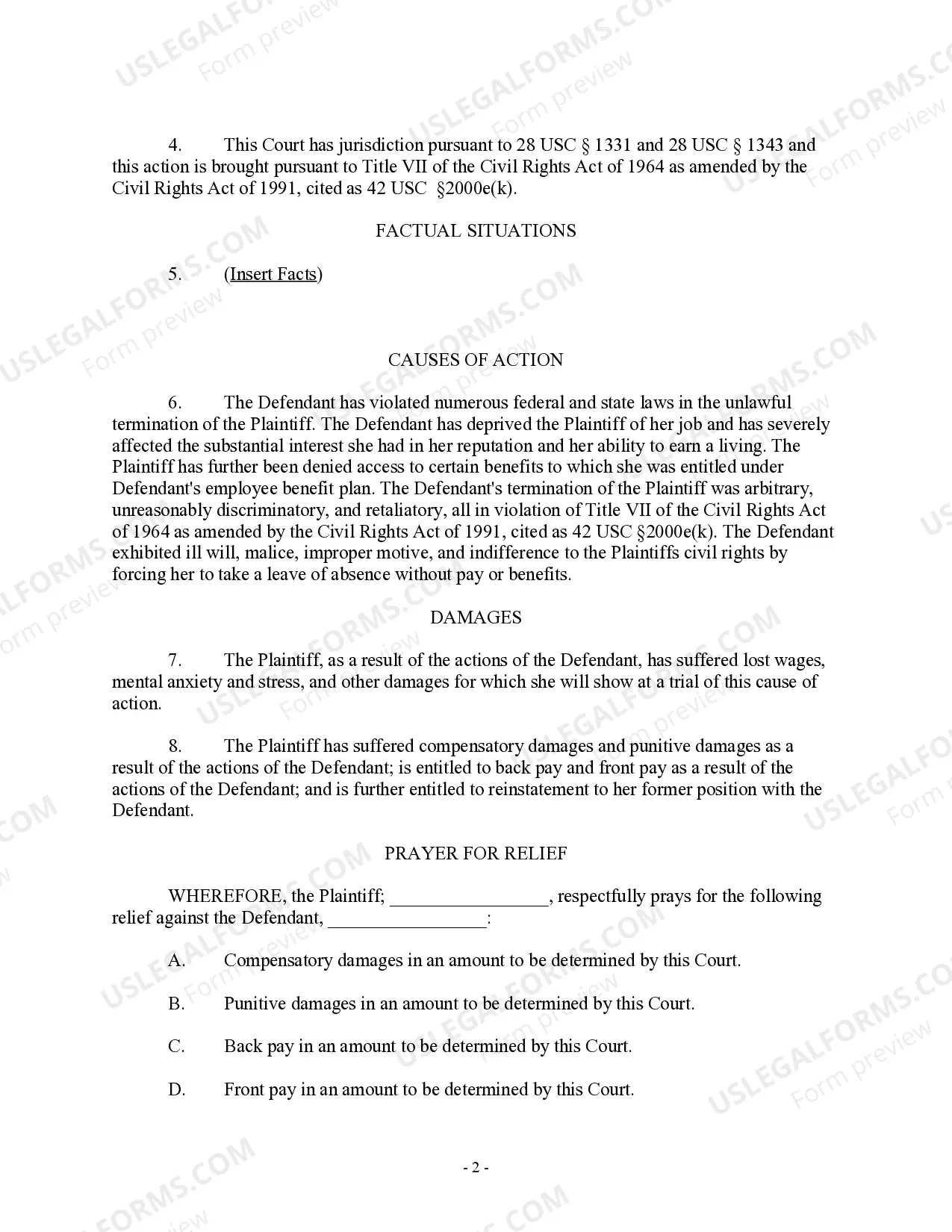




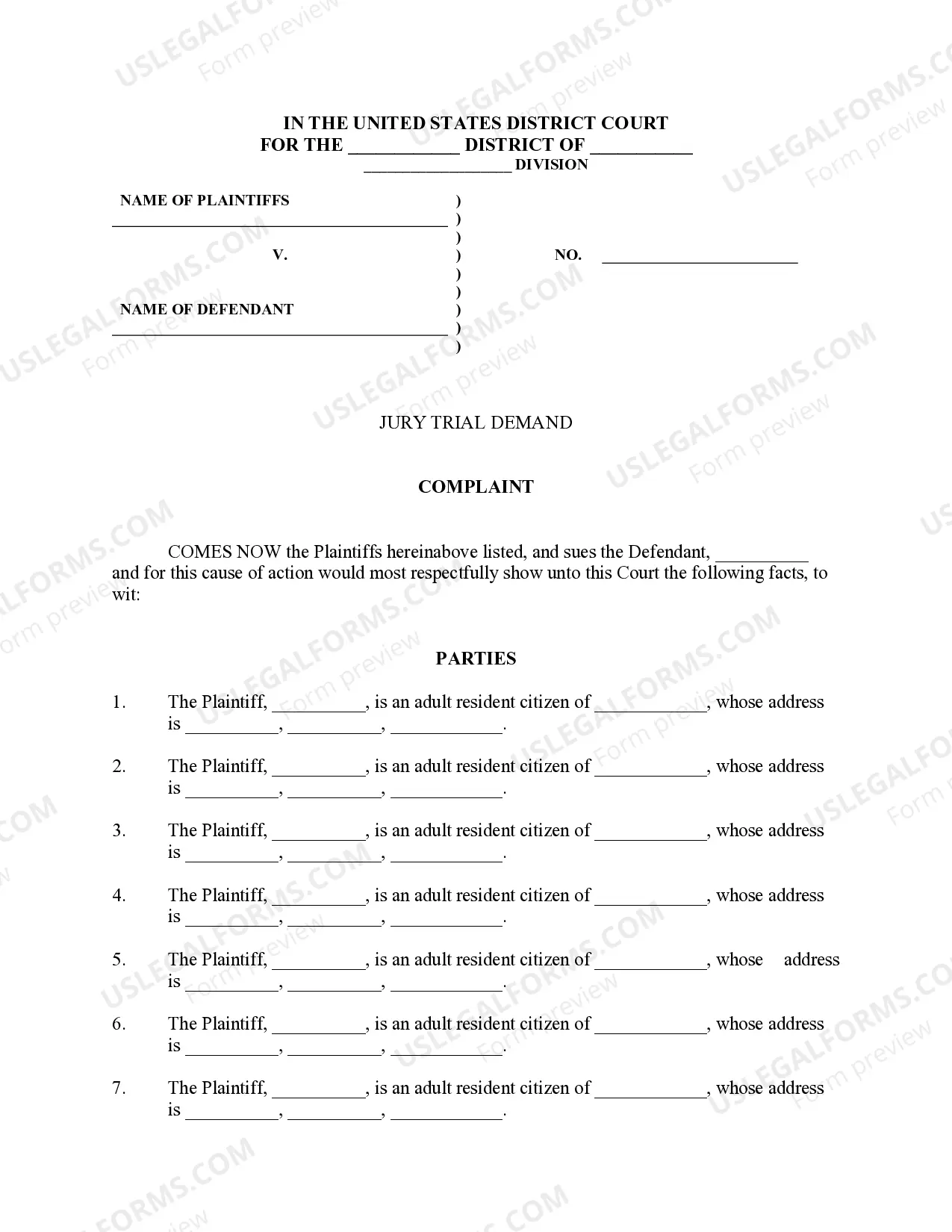
Get your form ready online
Our built-in tools help you complete, sign, share, and store your documents in one place.
Built-in online Word editor
Make edits, fill in missing information, and update formatting in US Legal Forms—just like you would in MS Word.
Export easily
Download a copy, print it, send it by email, or mail it via USPS—whatever works best for your next step.
E-sign your document
Sign and collect signatures with our SignNow integration. Send to multiple recipients, set reminders, and more. Go Premium to unlock E-Sign.
Notarize online 24/7
If this form requires notarization, complete it online through a secure video call—no need to meet a notary in person or wait for an appointment.
Store your document securely
We protect your documents and personal data by following strict security and privacy standards.

Make edits, fill in missing information, and update formatting in US Legal Forms—just like you would in MS Word.

Download a copy, print it, send it by email, or mail it via USPS—whatever works best for your next step.

Sign and collect signatures with our SignNow integration. Send to multiple recipients, set reminders, and more. Go Premium to unlock E-Sign.

If this form requires notarization, complete it online through a secure video call—no need to meet a notary in person or wait for an appointment.

We protect your documents and personal data by following strict security and privacy standards.
Looking for another form?










Form popularity
FAQ
Trial by battle in British English or trial by combat. noun. history. a method of trying an accused person or of settling a dispute by a personal fight between the two parties involved or, in some circumstances, their permitted champions, in the presence of a judge.
Trial by combat was a legal practice in Europe and England during the Middle Ages. It was a trial that was decided by personal battle between the disputants. The idea behind this practice was that God would give victory to the person who was in the right.
Courts are governed by a series of procedural rules based in statutes, court rules, and precedent, and none of these rules give litigators an option to request trial by combat.
And you chose to yield you could be punished one way or another this could include a fine but thereMoreAnd you chose to yield you could be punished one way or another this could include a fine but there are also instances that involve whipping or even amputation of a limb. So deciding to fight as
The ancient practice of trial by combat was abandoned hundreds of years ago and has never been employed in America.
At the time of independence in 1776, trial by combat had not been abolished and it has never formally been abolished since. The question of whether trial by combat remains a valid alternative to civil action has been argued to remain open, at least in theory.
At the time of independence in 1776, trial by combat had not been abolished and it has never formally been abolished since.
Courts are governed by a series of procedural rules based in statutes, court rules, and precedent, and none of these rules give litigators an option to request trial by combat.
In Game of Thrones, specifically in Season 6, Tommen abolishes trial by combat, which was a potential means for Cersei to avoid punishment for her crimes. By eliminating this option, Tommen aimed to protect his mother, as he was deeply influenced by her and wanted to ensure her safety.
Every trial by combat in asoiaf ends with a champion dying, but in the Hedge Knight's trial by 7 Dunk forces Aerion to yeild and withdraw his accusations.