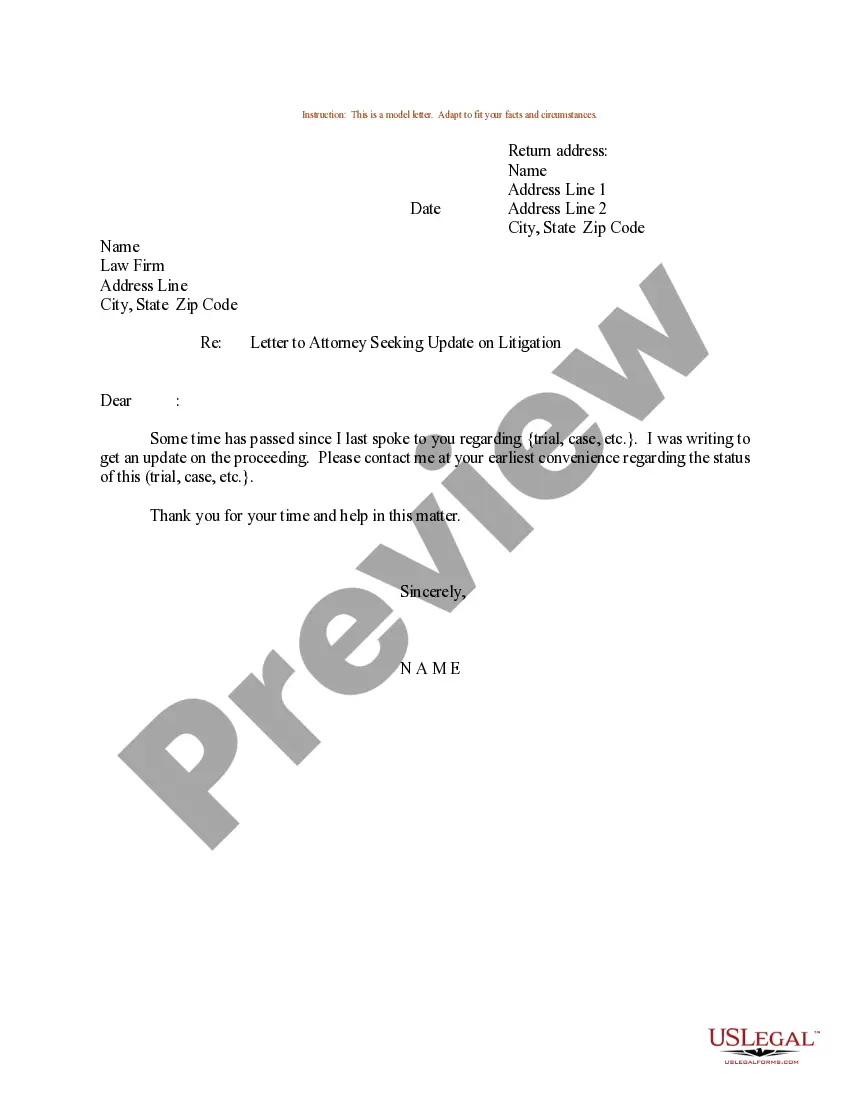
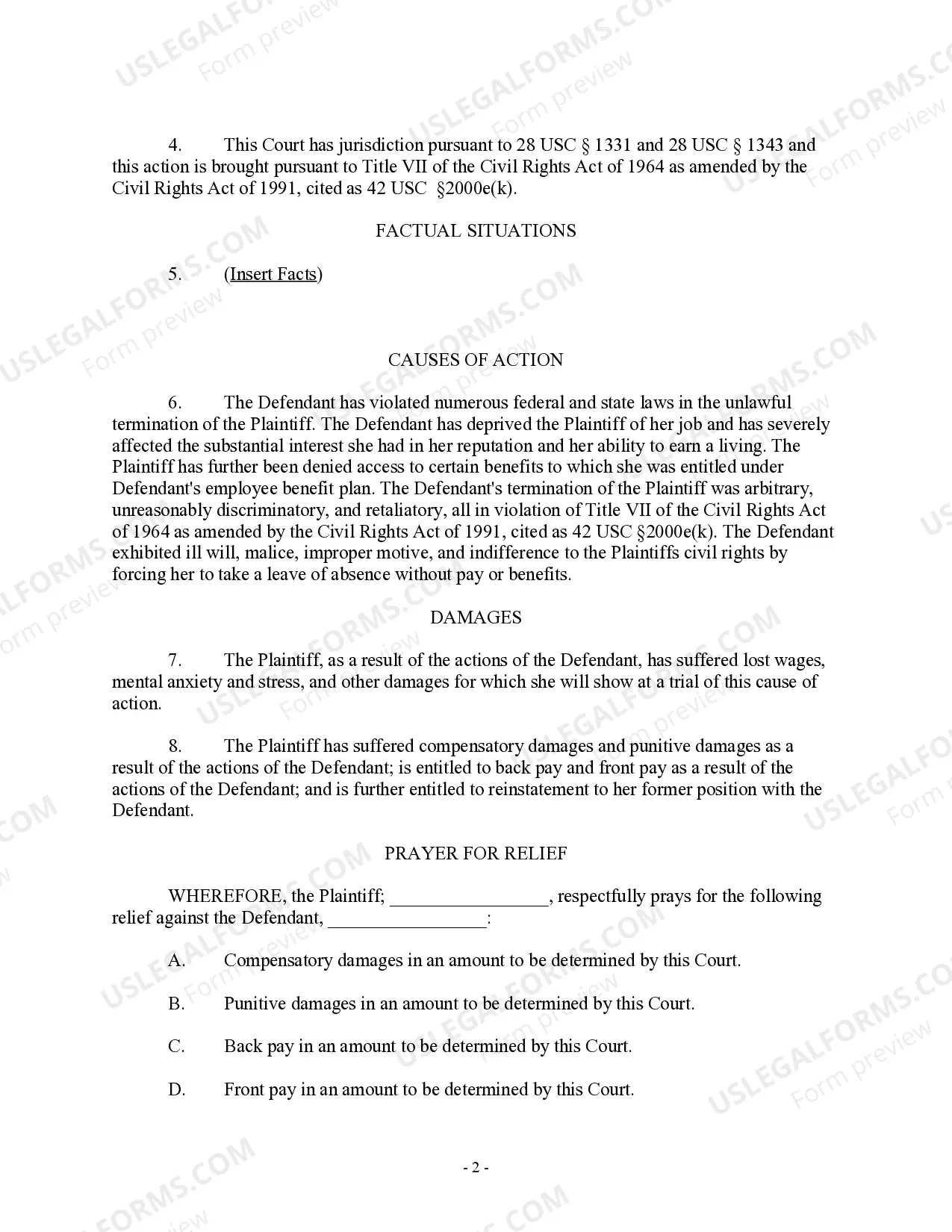
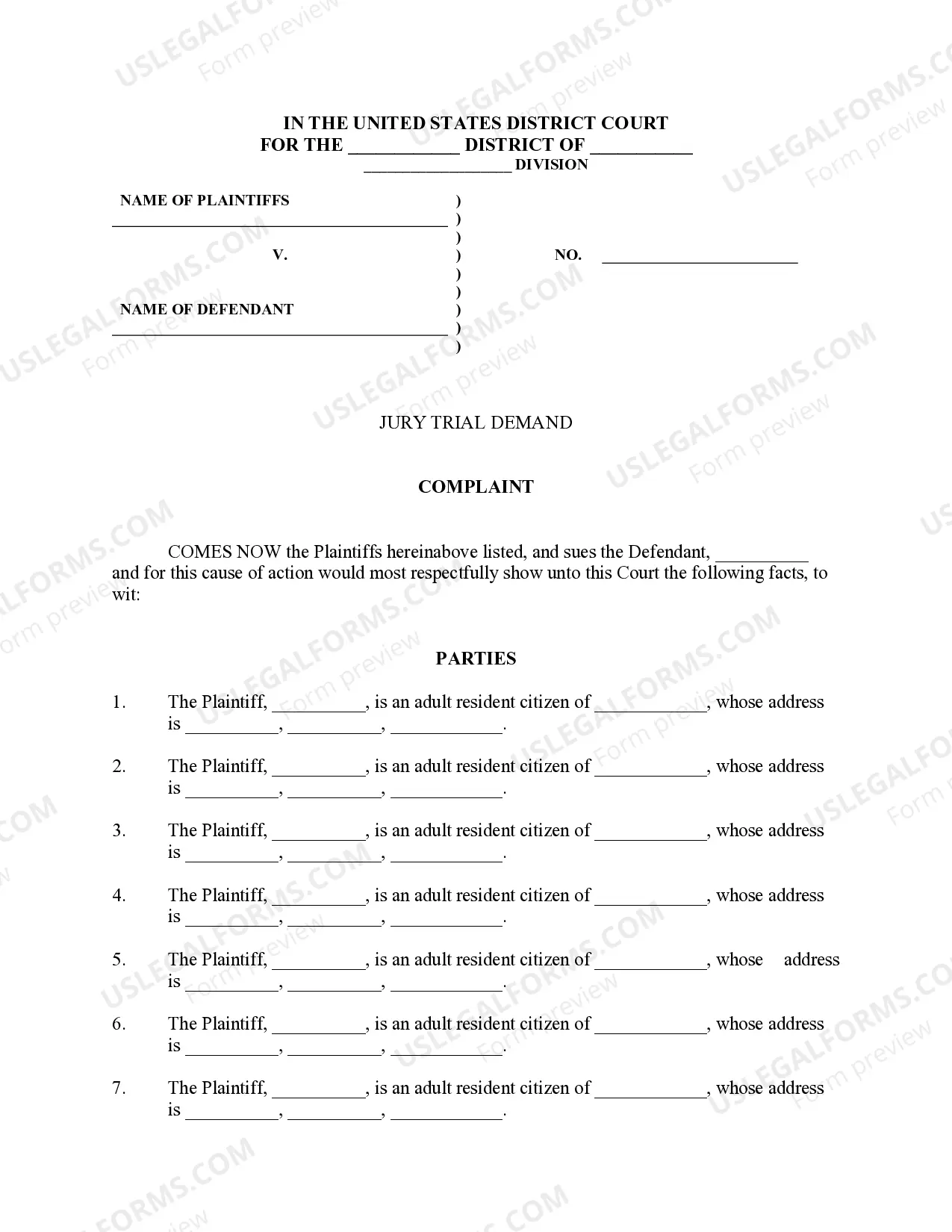
This is a multi-state form covering the subject matter of the title.
Demand For Trial Authorizations In Pima
State:
Multi-State
Category:
County:
Pima
Control #:
US-000291
Format:
Word;
Rich Text
0 downloads
Description
Free preview





Get your form ready online
Our built-in tools help you complete, sign, share, and store your documents in one place.
Built-in online Word editor
Make edits, fill in missing information, and update formatting in US Legal Forms—just like you would in MS Word.
Export easily
Download a copy, print it, send it by email, or mail it via USPS—whatever works best for your next step.
E-sign your document
Sign and collect signatures with our SignNow integration. Send to multiple recipients, set reminders, and more. Go Premium to unlock E-Sign.
Notarize online 24/7
If this form requires notarization, complete it online through a secure video call—no need to meet a notary in person or wait for an appointment.
Store your document securely
We protect your documents and personal data by following strict security and privacy standards.

Make edits, fill in missing information, and update formatting in US Legal Forms—just like you would in MS Word.

Download a copy, print it, send it by email, or mail it via USPS—whatever works best for your next step.

Sign and collect signatures with our SignNow integration. Send to multiple recipients, set reminders, and more. Go Premium to unlock E-Sign.

If this form requires notarization, complete it online through a secure video call—no need to meet a notary in person or wait for an appointment.

We protect your documents and personal data by following strict security and privacy standards.
Looking for another form?
Form popularity
FAQ
Article VI § 14 of the Arizona Constitution provides the superior court with jurisdiction over: Cases and proceedings in which exclusive jurisdiction is not vested by law in another court.
A civil action filed in a limited jurisdiction court is a claim against another party for damages of an amount up to $10,000.00. These lawsuits are designed to resolve civil disputes before a justice of the peace. Parties in a civil lawsuit may be represented by attorneys and appeal their case to a higher court.
If a settlement can't be reached, a “Note of Issue” is filed, which tells the court that the case is ready to go on the trial calendar. After the Note of Issue is filed, you enter the pre-trial stage.
Courts of limited and special jurisdiction include the Justice Courts and the Magistrate Courts. Magistrate Courts are also referred to as City or Municipal Courts. The Arizona Superior Court, a court of general jurisdiction, is considered one court with locations in each of the 15 counties in the state.
Matters of probate (wills, estates); dissolution or annulment of marriages (divorces); naturalization and the issuance of appropriate documents for these events; and, special cases and proceedings not otherwise provided for, and such other jurisdiction as may be provided by law.
The superior court acts as an appellate court for justice and municipal courts. The superior court probation department supervises adults and juveniles on probation.
Arizona's Justice Courts Every county in Arizona has at least two justice courts. The justice courts have exclusive authority to hear cases in which the amount in controversy is $10,000 or less. Cases in which the amount in controversy is greater than $10,000 must be filed in the superior court.
The Superior Court may hear and decide a large variety of cases of almost any type except civil less than $10,000, small claims, minor offenses, and violations of city codes and ordinances.
The purpose of the Trial Readiness Conference is to prepare everyone for trial. This is. the time to raise evidentiary issues, expected instruction disputes, scheduling and. witness problems. The jurors' time is precious and should not be taken unnecessarily with these matters.
Notice of Demand for Trial or Disposition Pursuant to Pena Code Section 1381. A Notice of Demand for Trial or Disposition Pursuant to Penal Code Section 1381 is sent from the Sheriff to the Prosecutor when a subject is incarcerated in the county jail and the subject demands a trial on outstanding charges.