This is a multi-state form covering the subject matter of the title.
Pregnancy Discrimination In The Workplace Australia In Phoenix
State:
Multi-State
Category:
City:
Phoenix
Control #:
US-000291
Format:
Word;
Rich Text
99 downloads
Description
Free preview

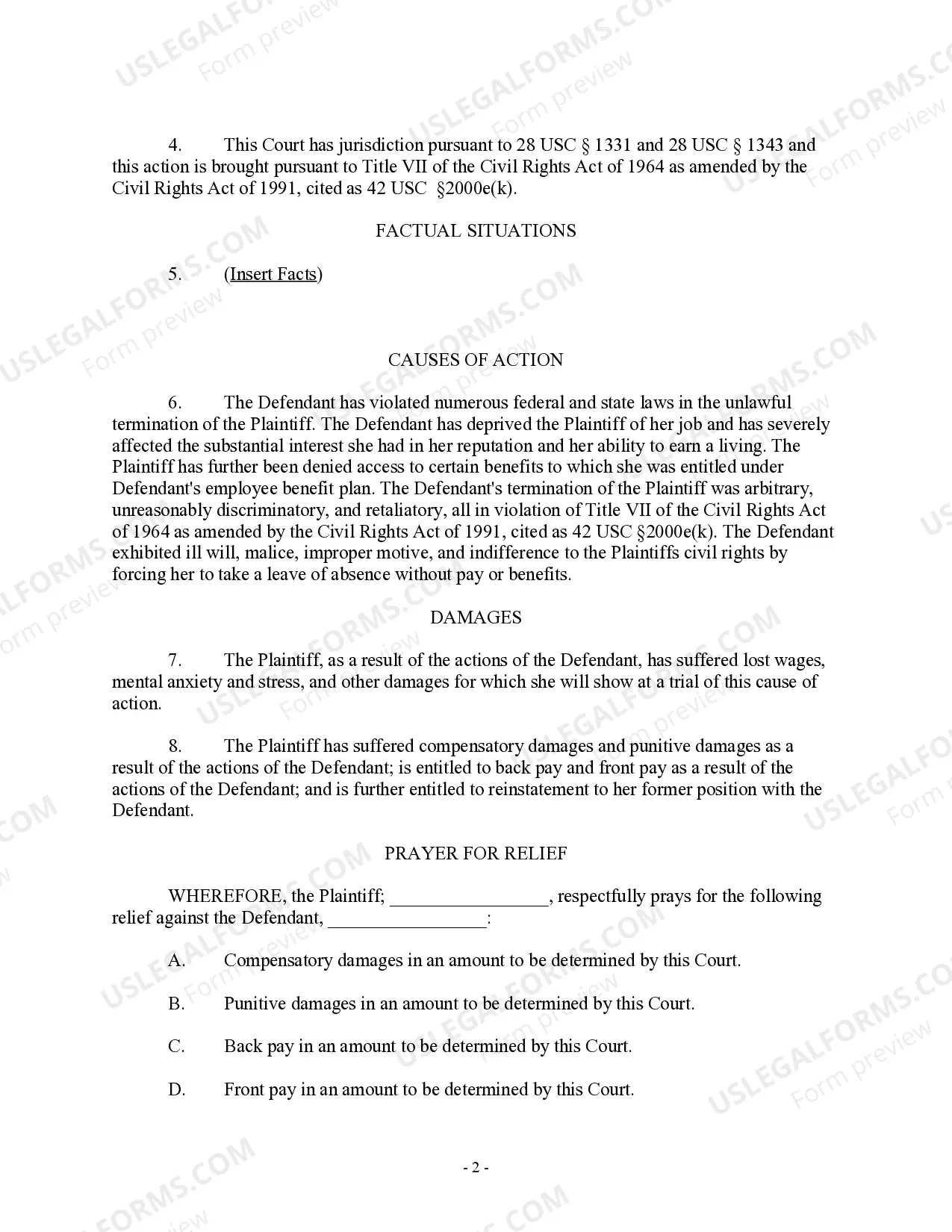




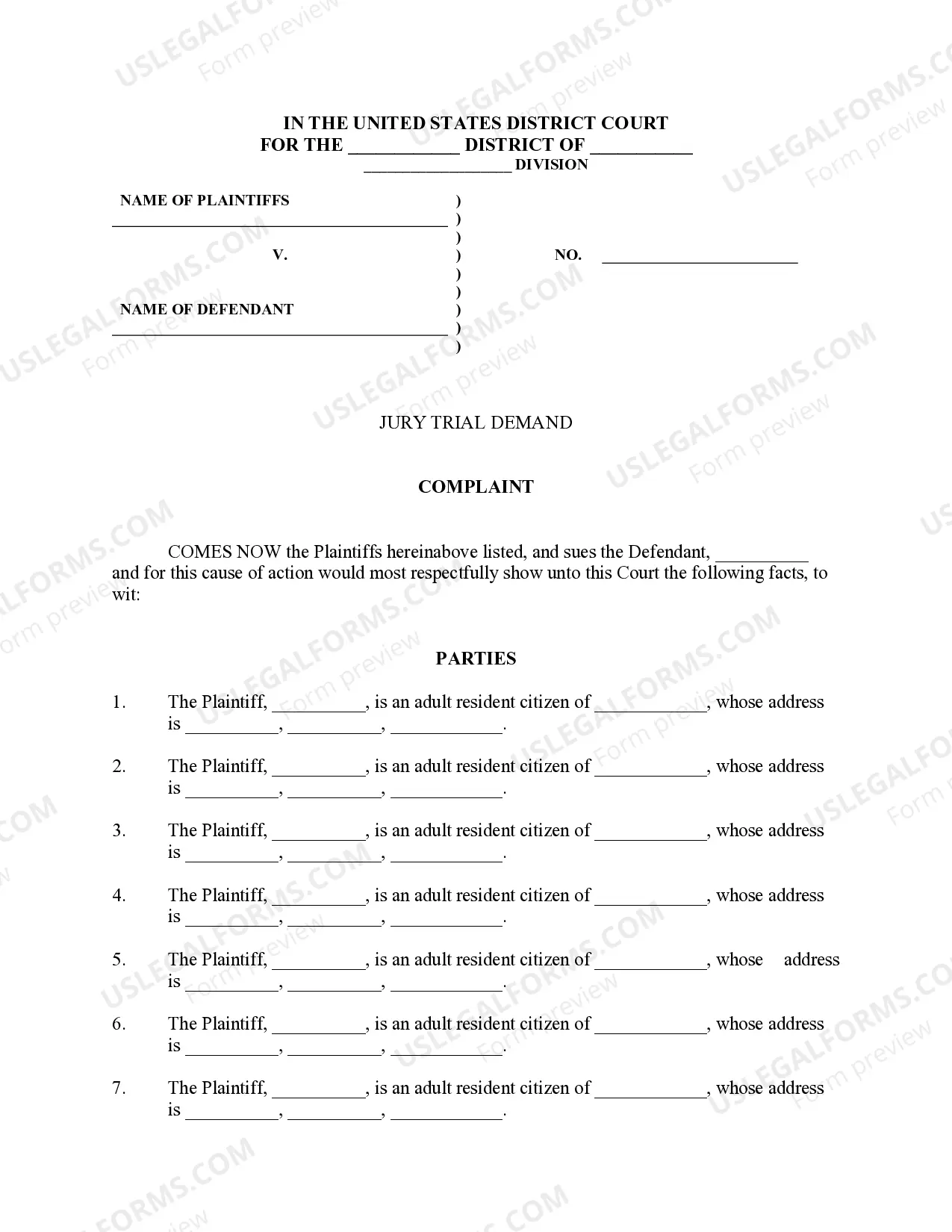
Get your form ready online
Our built-in tools help you complete, sign, share, and store your documents in one place.
Built-in online Word editor
Make edits, fill in missing information, and update formatting in US Legal Forms—just like you would in MS Word.
Export easily
Download a copy, print it, send it by email, or mail it via USPS—whatever works best for your next step.
E-sign your document
Sign and collect signatures with our SignNow integration. Send to multiple recipients, set reminders, and more. Go Premium to unlock E-Sign.
Notarize online 24/7
If this form requires notarization, complete it online through a secure video call—no need to meet a notary in person or wait for an appointment.
Store your document securely
We protect your documents and personal data by following strict security and privacy standards.

Make edits, fill in missing information, and update formatting in US Legal Forms—just like you would in MS Word.

Download a copy, print it, send it by email, or mail it via USPS—whatever works best for your next step.

Sign and collect signatures with our SignNow integration. Send to multiple recipients, set reminders, and more. Go Premium to unlock E-Sign.

If this form requires notarization, complete it online through a secure video call—no need to meet a notary in person or wait for an appointment.

We protect your documents and personal data by following strict security and privacy standards.
Looking for another form?









Form popularity
FAQ
Pregnancy has been a protected class for a while in the United States. The PWFA went into effect on June 27, 2023. On April 15, 2024 the EEOC issued its final regulation to carry out the law. So, no. US employers are not allowed to deny employment if you are pregnant IF YOUR EMPLOYER HAS MORE THAN 15 EMPLOYEES.
You absolutely can sue for being terminated for the sole purpose of being pregnant. There is a process to bring in the lawsuit against your employer, and I would strongly obtain an attorney right away.
Proving pregnancy discrimination requires more than a victim's claim. There must be evidence that the employer acted against the individual exclusively based on their pregnancy. That evidence must be clear, inarguable, and documented.
On February 4, 2021, Arizona Governor Dough Ducey signed HB 2045 into law to expand protection for pregnant employees under Arizona law. This amendment of the Arizona Civil Rights Act (ACRA) reflects existing protections under the federal Pregnancy Discrimination Act of 1978.
If you're experiencing severe pregnancy-related symptoms that impact your ability to work, you have the right to request reasonable accommodations from your employer. This could include adjustments to your work schedule, duties, or work location, such as remote work.
Employers must treat women temporarily unable to perform their jobs due to pregnancy, childbirth, or a related medical condition the same as any other temporarily disabled employees similar in their ability or inability to work.
Proving pregnancy discrimination requires more than a victim's claim. There must be evidence that the employer acted against the individual exclusively based on their pregnancy. That evidence must be clear, inarguable, and documented.
After 26 weeks: There should be no extended work hours, with a 40-hour week being the maximum for the employee/patient. No travel further than 50 miles is allowed. Lifting is restricted to no more than 20 pounds. No climbing on ladders or stools is allowed.
A woman who is having a normal, healthy pregnancy can work right up until the start of labour. However, you can choose to stop working whenever suits you. Some women choose to stop several weeks before their due date but others will be at work even in early labour.
On February 4, 2021, Arizona Governor Dough Ducey signed HB 2045 into law to expand protection for pregnant employees under Arizona law. This amendment of the Arizona Civil Rights Act (ACRA) reflects existing protections under the federal Pregnancy Discrimination Act of 1978.