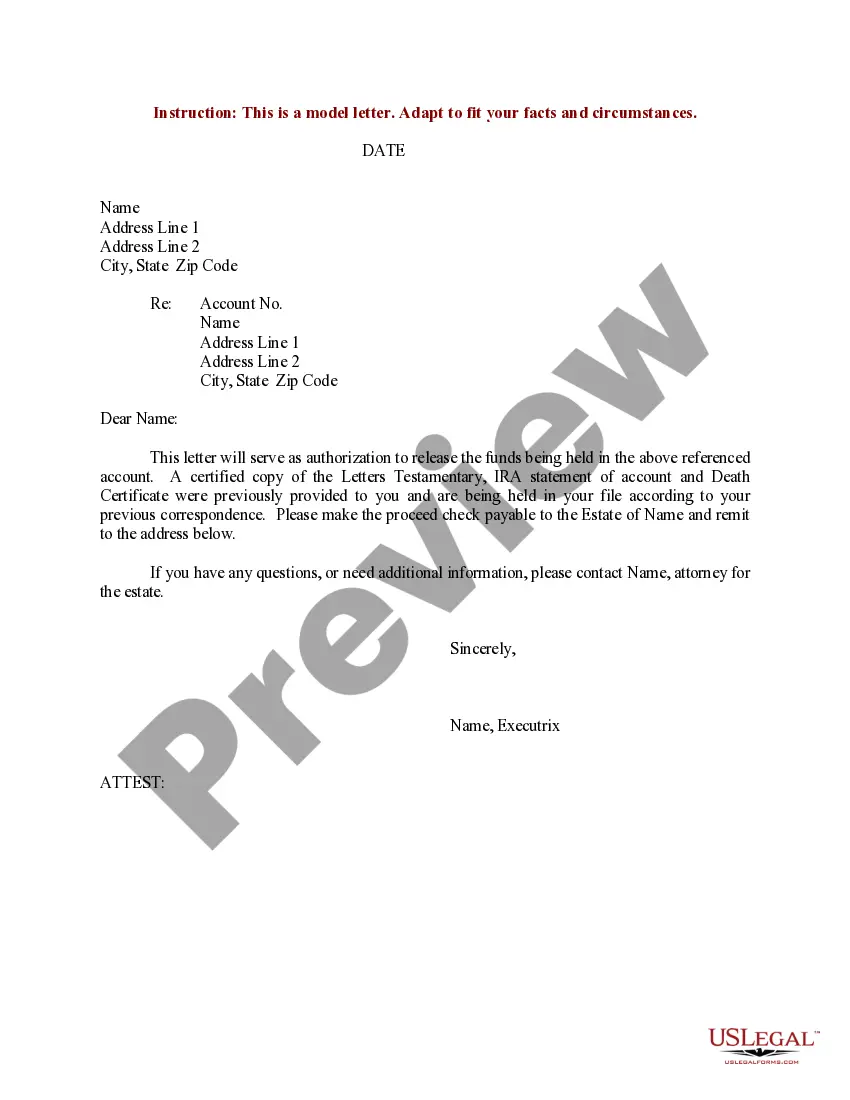
This is a multi-state form covering the subject matter of the title.
Demand For Trial Authorizations In Oakland
Category:
State:
Multi-State
County:
Oakland
Control #:
US-000291
Format:
Word;
Rich Text
Instant download
Description
Free preview

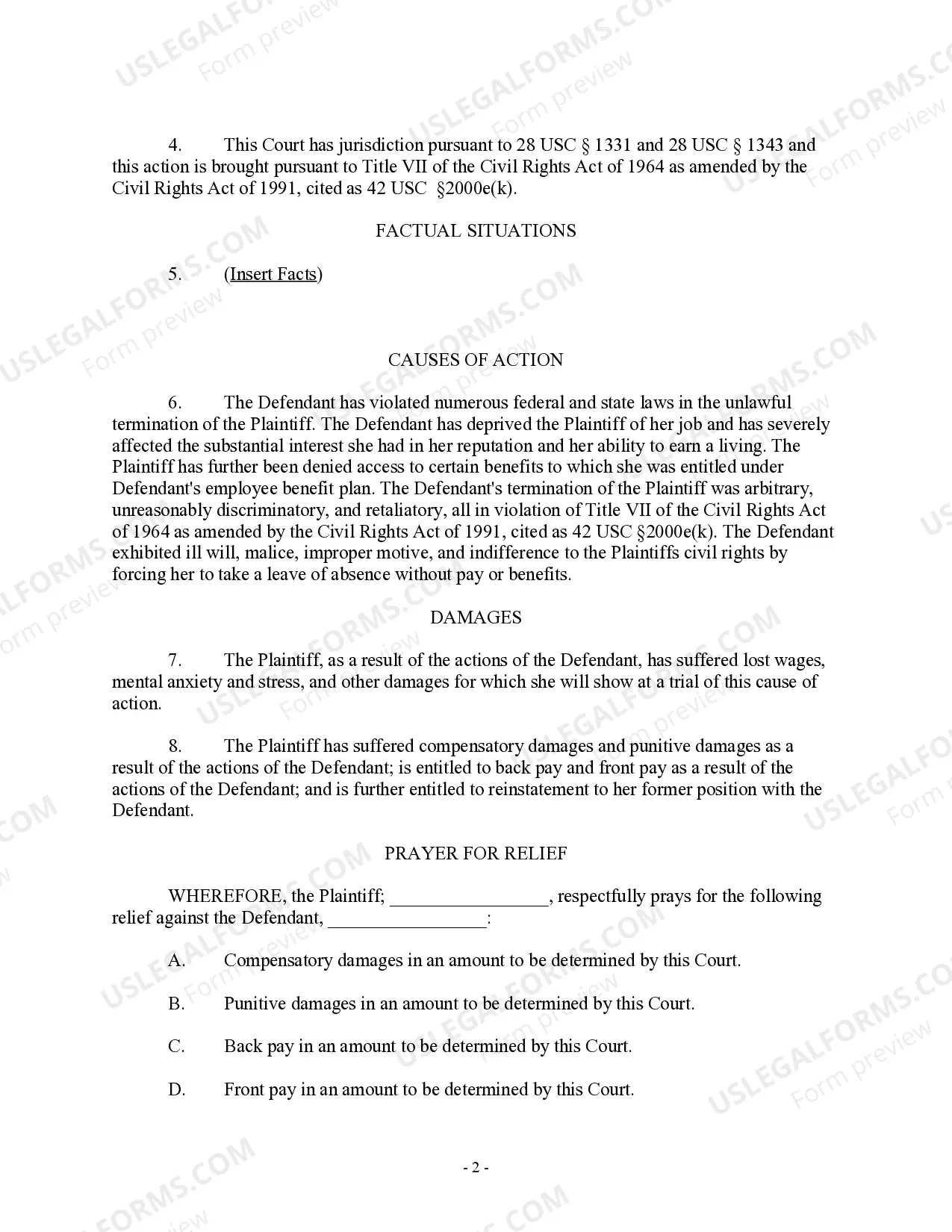
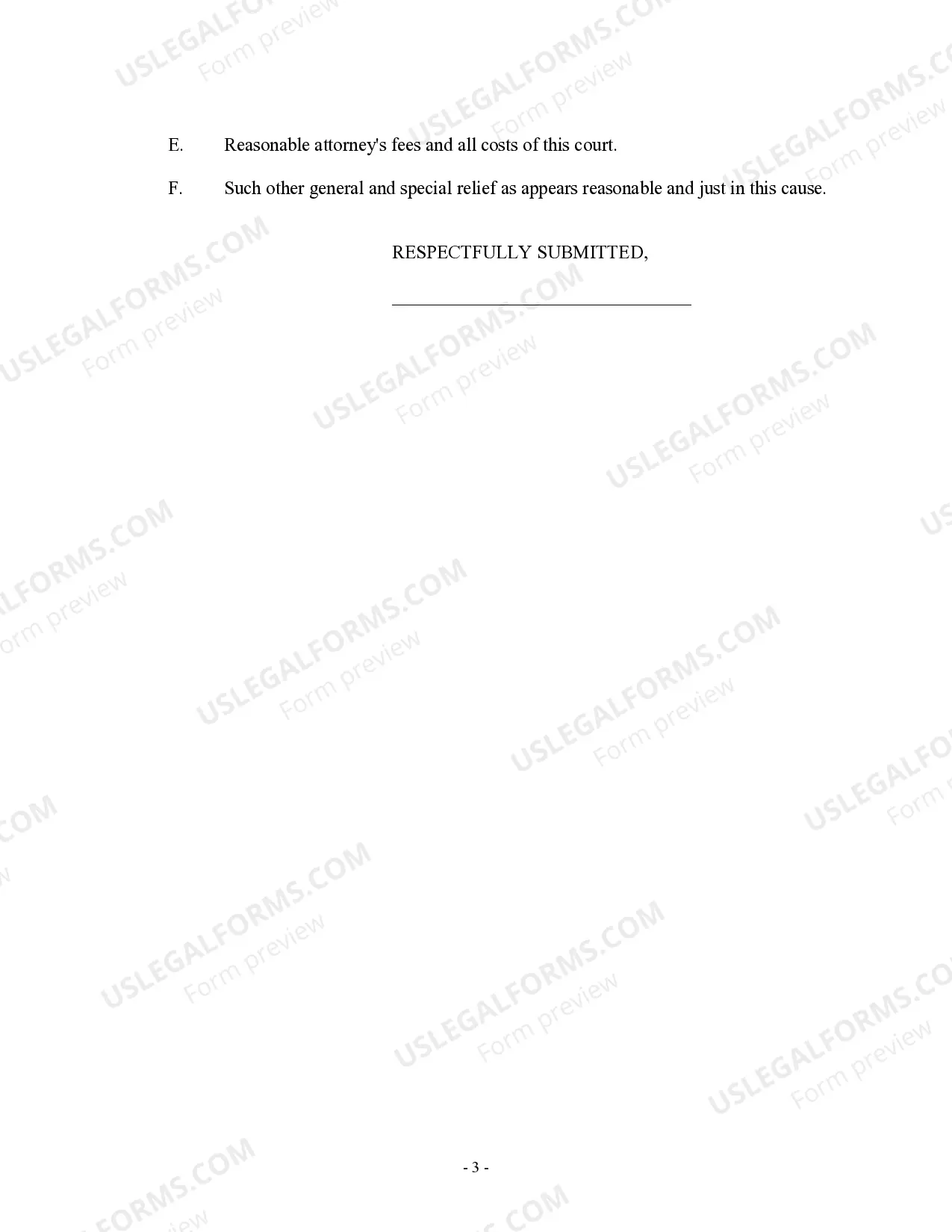



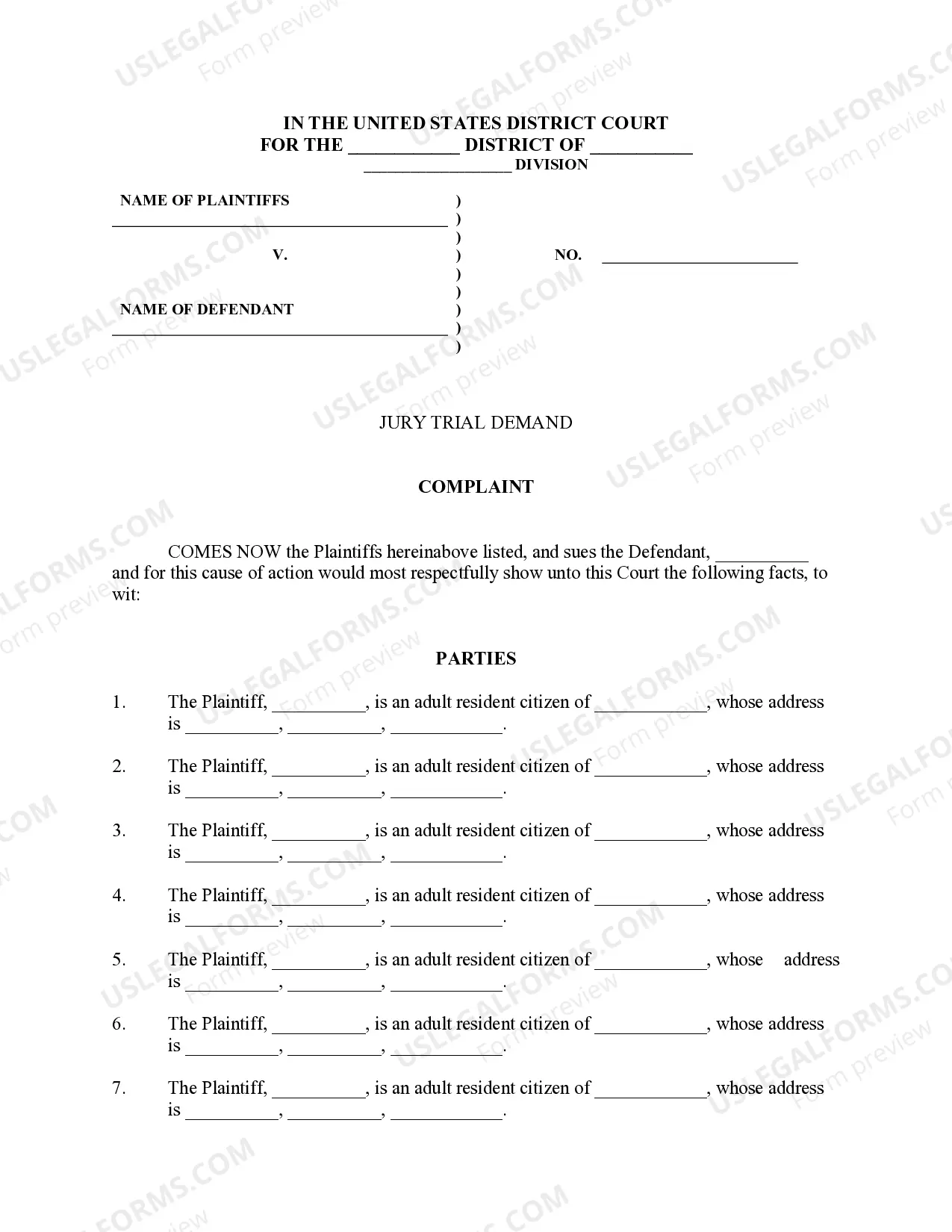
Get your form ready online
Our built-in tools help you complete, sign, share, and store your documents in one place.
Built-in online Word editor
Make edits, fill in missing information, and update formatting in US Legal Forms—just like you would in MS Word.
Export easily
Download a copy, print it, send it by email, or mail it via USPS—whatever works best for your next step.
E-sign your document
Sign and collect signatures with our SignNow integration. Send to multiple recipients, set reminders, and more. Go Premium to unlock E-Sign.
Notarize online 24/7
If this form requires notarization, complete it online through a secure video call—no need to meet a notary in person or wait for an appointment.
Store your document securely
We protect your documents and personal data by following strict security and privacy standards.

Make edits, fill in missing information, and update formatting in US Legal Forms—just like you would in MS Word.

Download a copy, print it, send it by email, or mail it via USPS—whatever works best for your next step.

Sign and collect signatures with our SignNow integration. Send to multiple recipients, set reminders, and more. Go Premium to unlock E-Sign.

If this form requires notarization, complete it online through a secure video call—no need to meet a notary in person or wait for an appointment.

We protect your documents and personal data by following strict security and privacy standards.
Looking for another form?





Form popularity
FAQ
Rule 3.31. Unless otherwise authorized by the court, discovery meet and confer obligations require an in-person, telephonic, or video conference between parties.
You can use Proof of Service by First Class Mail (form POS-030). It helps if you fill in the top part of the form with the case and court information. Your server can then fill in the information about how, when, and where they served the papers. Your server must then sign the form.
(a) Fields occupied The Judicial Council has preempted all local rules relating to pleadings, demurrers, ex parte applications, motions, discovery, provisional remedies, and the form and format of papers.
In every case, to present an ex parte application to the court, a party must: reserve a hearing date with the applicable department (for applications that require a hearing.) ... file the motion with the court, and. give notice of the hearing date as required by law.
(b) Declaration regarding notice (3) That, for reasons specified, the applicant should not be required to inform the opposing party.
(a) Except as permitted by statute, an applicable code of judicial ethics or code of judicial conduct, or standards governing employees of a tribunal, a lawyer shall not directly or indirectly give or lend anything of value to a judge, official, or employee of a tribunal.
The federal Speedy Trial Act provides some instruction for federal cases. For example, it requires formal charges to be brought within 30 days of an arrest. One of the main reasons for the right to a speedy trial is to prevent a defendant from being held in custody for a long time, only to eventually be found innocent.
Any party may demand a trial by jury of any issue triable of right by a jury by (1) serving upon the other parties a demand therefor in writing at any time after the commencement of the action and not later than 10 days after the service of the last pleading directed to such issue, and (2) filing the demand as required ...
The goal of a demand letter is to find a resolution between the parties involved about a given issue with the intent of avoiding taking the issue to court. A demand letter is usually written by an attorney. Demand letters are used in pre-legal actions, but they indicate the looming potential of legal action.
After the arraignment, there's a pretrial period. During this time, the prosecutor and the defendant's lawyer share information (called discovery). There are court dates to try to reach an agreement or make plans for trial.