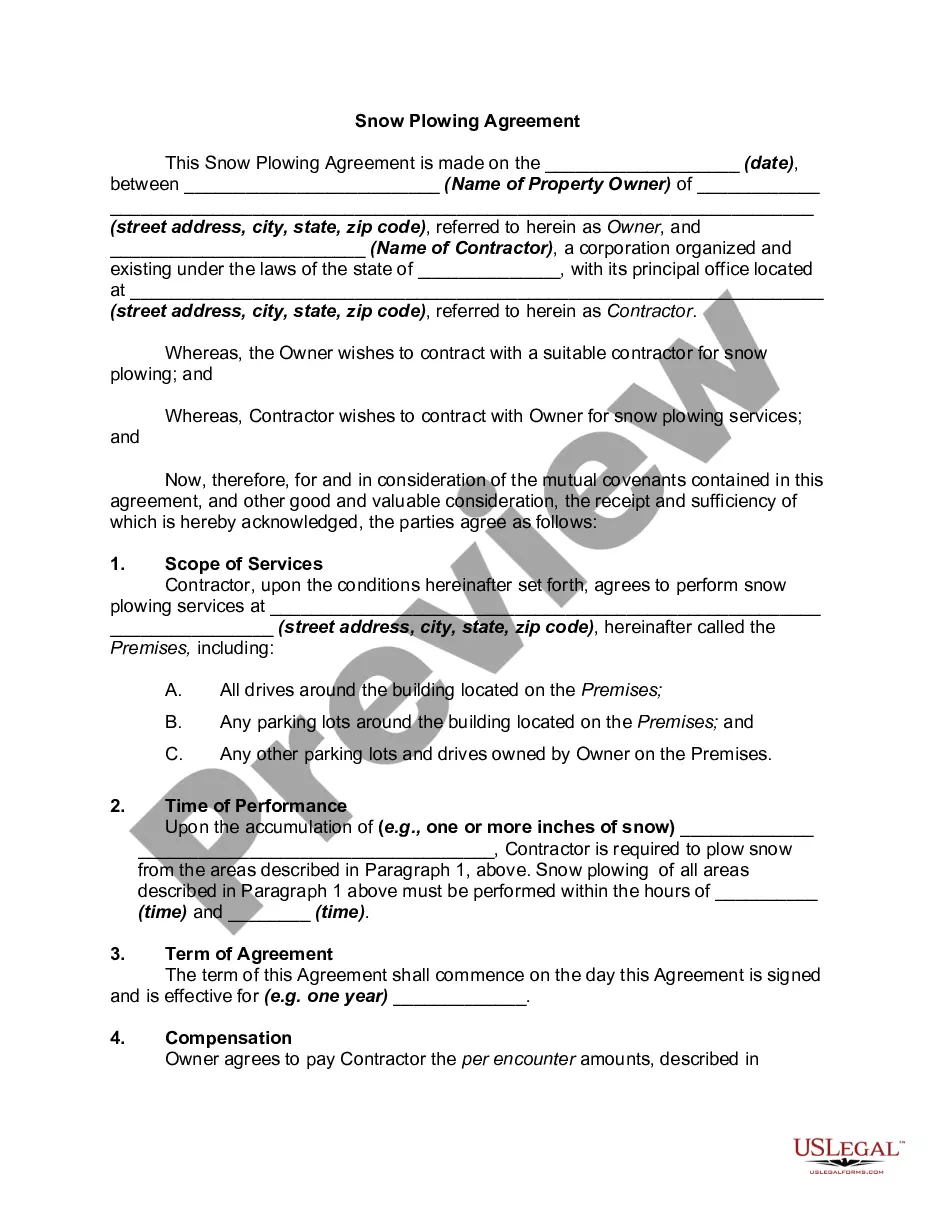
This is a multi-state form covering the subject matter of the title.
Wrongful Termination Court For Retaliation In North Carolina
State:
Multi-State
Category:
Control #:
US-000291
Format:
Word;
Rich Text
99 downloads
Description
Free preview

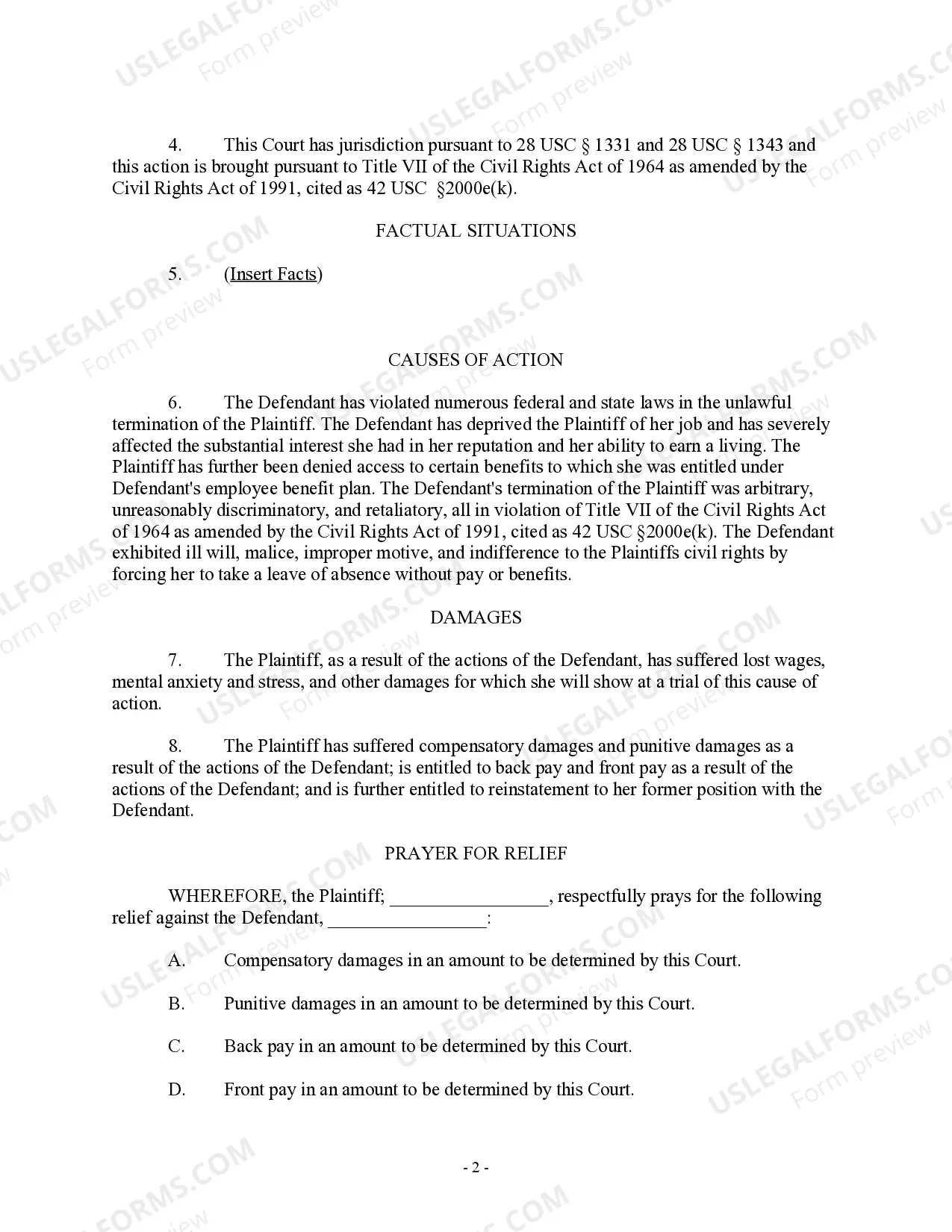
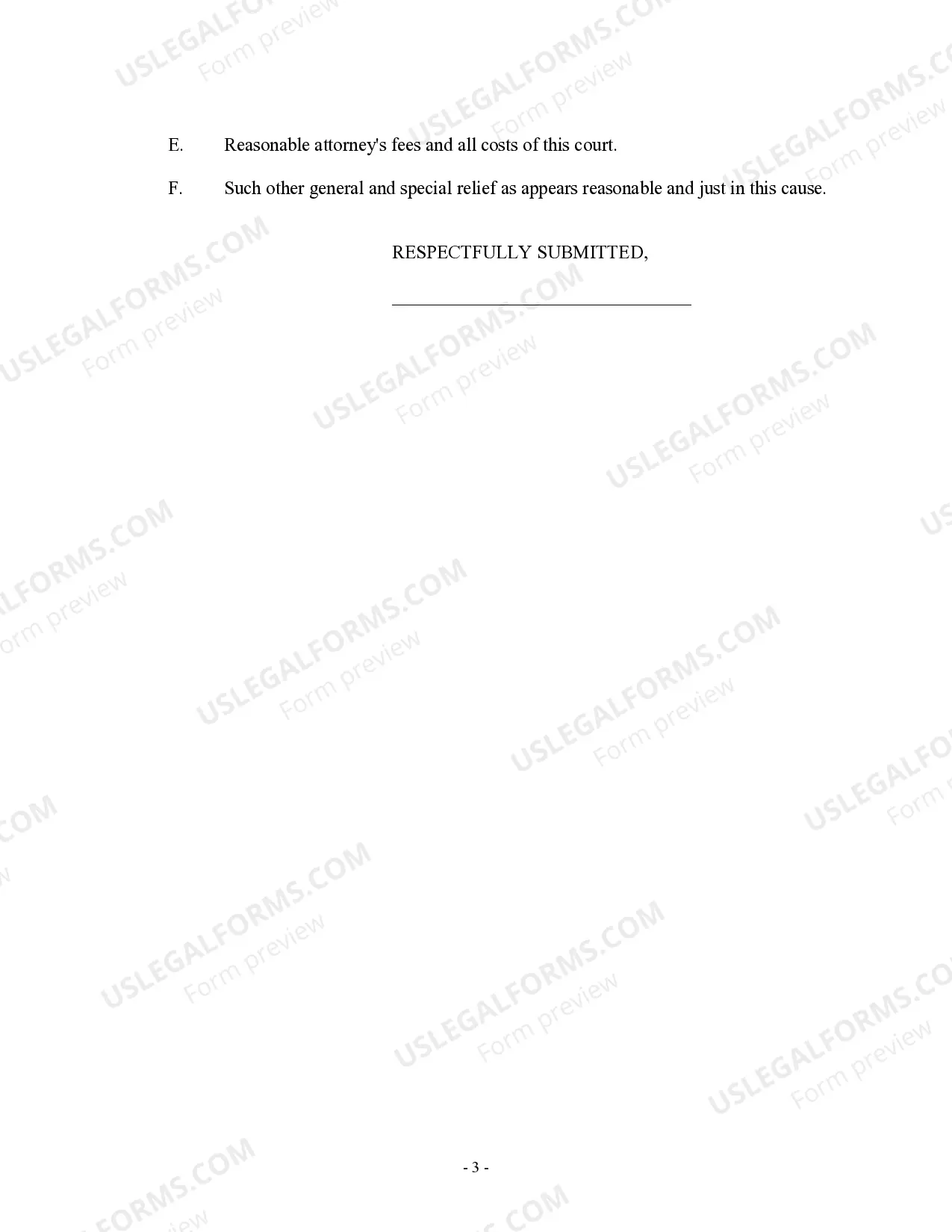



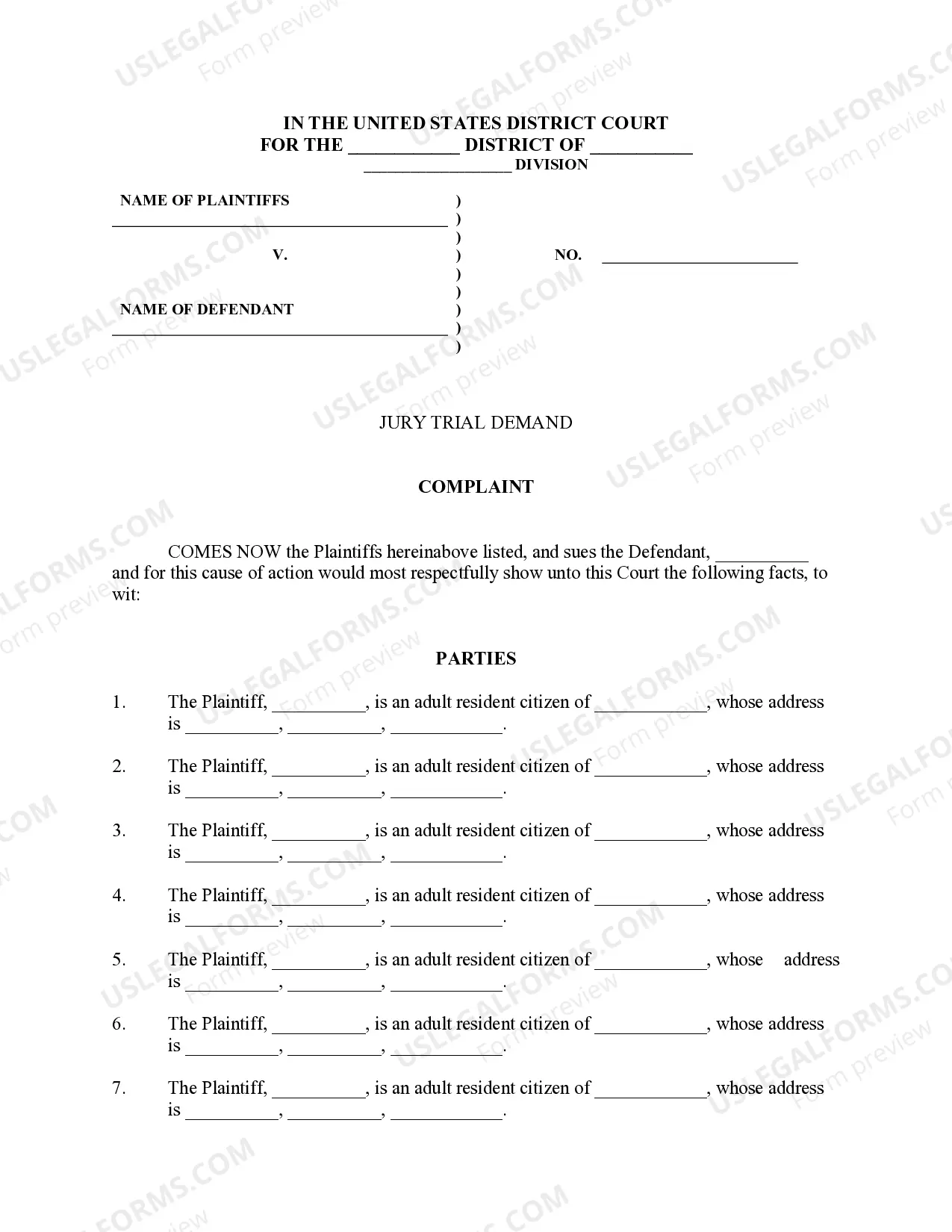
Get your form ready online
Our built-in tools help you complete, sign, share, and store your documents in one place.
Built-in online Word editor
Make edits, fill in missing information, and update formatting in US Legal Forms—just like you would in MS Word.
Export easily
Download a copy, print it, send it by email, or mail it via USPS—whatever works best for your next step.
E-sign your document
Sign and collect signatures with our SignNow integration. Send to multiple recipients, set reminders, and more. Go Premium to unlock E-Sign.
Notarize online 24/7
If this form requires notarization, complete it online through a secure video call—no need to meet a notary in person or wait for an appointment.
Store your document securely
We protect your documents and personal data by following strict security and privacy standards.

Make edits, fill in missing information, and update formatting in US Legal Forms—just like you would in MS Word.

Download a copy, print it, send it by email, or mail it via USPS—whatever works best for your next step.

Sign and collect signatures with our SignNow integration. Send to multiple recipients, set reminders, and more. Go Premium to unlock E-Sign.

If this form requires notarization, complete it online through a secure video call—no need to meet a notary in person or wait for an appointment.

We protect your documents and personal data by following strict security and privacy standards.
Looking for another form?

Form popularity
FAQ
If your termination violates state or federal employment laws, it may be deemed wrongful. Common reasons for wrongful termination include discrimination based on race, gender, age, disability, religion, national origin, or sexual orientation.
Key grounds for summary dismissal: ReasonExample Theft Stealing company property Gross insubordination Ignoring direct orders repeatedly Violence Fighting or assaulting coworkers Alcohol/drug abuse at work or affecting performance
Common Grounds for Wrongful Termination Claims Breach of employment contract or company policy. Taking legally protected time off. Refusal to perform illegal acts. Violations of public policy.
Key Elements of Wrongful Discharge: Employment Relationship: - The individual must have been an employee, not an independent contractor. Termination: - The employer must have ended the employment relationship. Unlawful Reason: - The termination must violate a specific law, contract term, or public policy. Damages:
Severity: The hostile behavior must be severe. It must be something more than occasional rudeness or tasteless joking. Instead, the behavior should be intimidating, offensive, or abusive. For example, if a co-worker is teasing or ridiculing an employee, it must be so frequent as to be unrelenting.
North Carolina also has laws that protect workers against workplace retaliation. One such law is the Retaliatory Employment Discrimination Act, or REDA.
In most cases, you'll need to first file a complaint with the EEOC. It's wise to have a North Carolina hostile work environment lawyer on your side during this process — because the success of this complaint will literally dictate whether you're allowed to file a lawsuit in court.
University policy explicitly prohibits retaliation against individuals who report improper activity by a State agency (including the University) or a State employee (including University employees) as outlined in the Policy on Protection for Reporting Improper Government Activities.