This is a multi-state form covering the subject matter of the title.
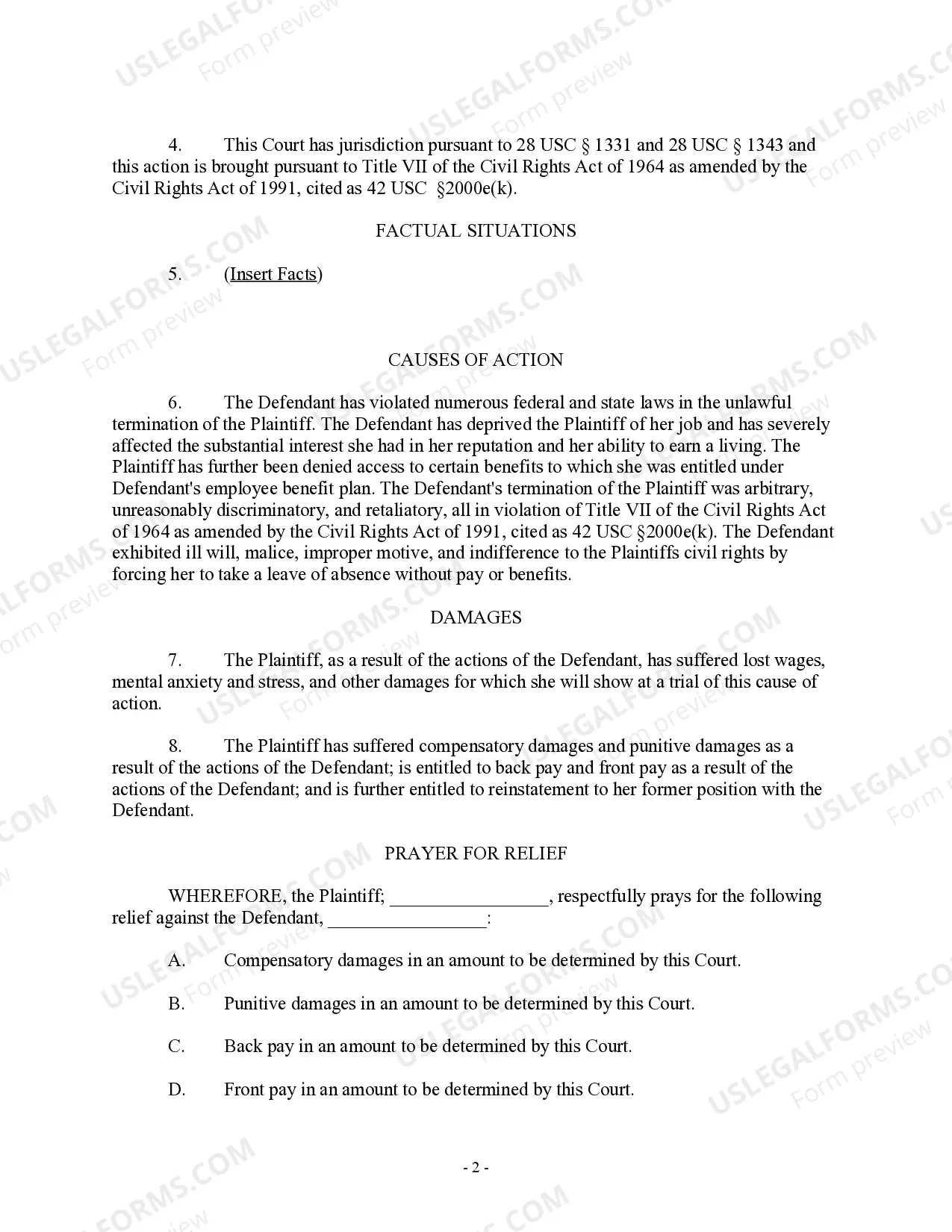
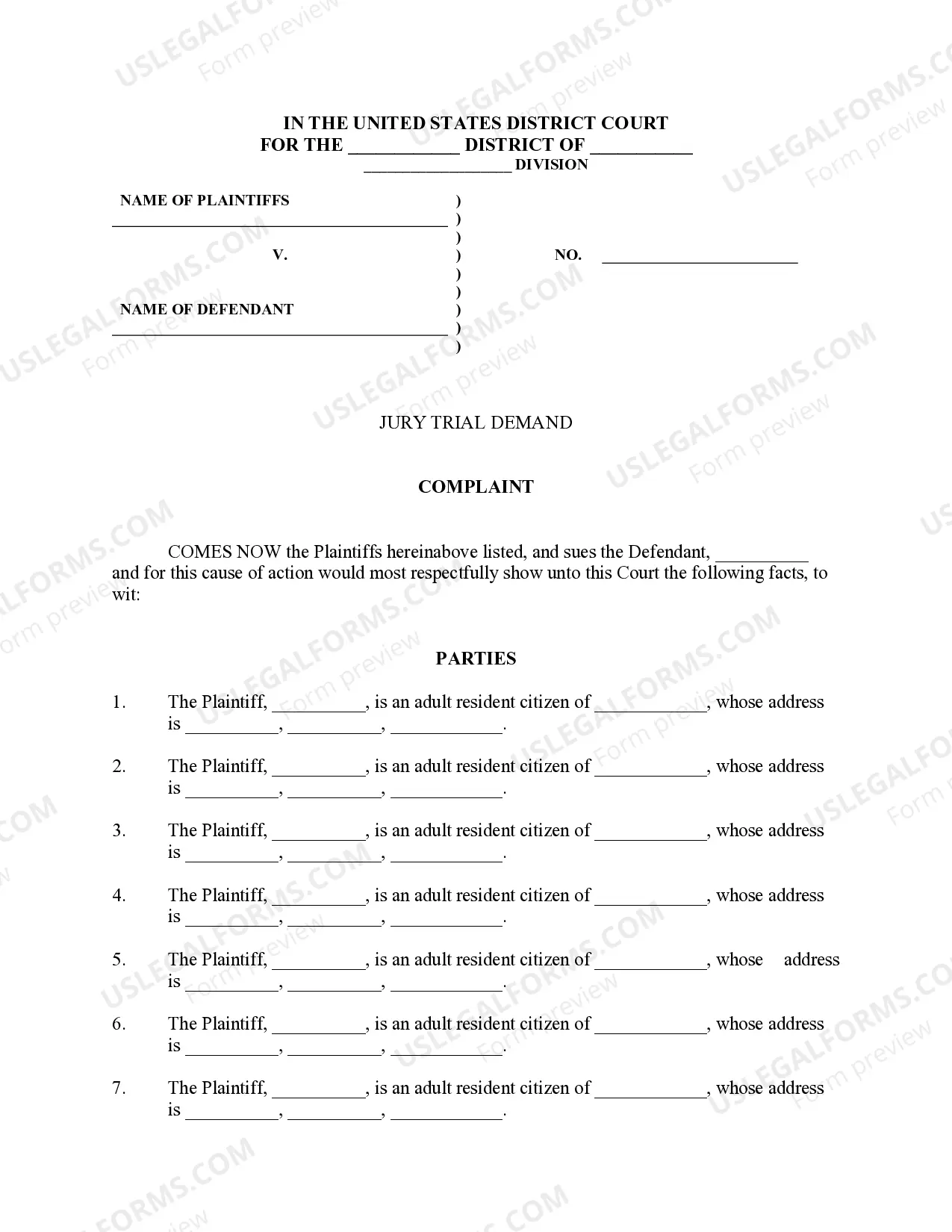
Demand For Trial By Jury In New York
State:
Multi-State
Category:
Control #:
US-000291
Format:
Word;
Rich Text
99 downloads
Description
Free preview





Get your form ready online
Our built-in tools help you complete, sign, share, and store your documents in one place.
Built-in online Word editor
Make edits, fill in missing information, and update formatting in US Legal Forms—just like you would in MS Word.
Export easily
Download a copy, print it, send it by email, or mail it via USPS—whatever works best for your next step.
E-sign your document
Sign and collect signatures with our SignNow integration. Send to multiple recipients, set reminders, and more. Go Premium to unlock E-Sign.
Notarize online 24/7
If this form requires notarization, complete it online through a secure video call—no need to meet a notary in person or wait for an appointment.
Store your document securely
We protect your documents and personal data by following strict security and privacy standards.

Make edits, fill in missing information, and update formatting in US Legal Forms—just like you would in MS Word.

Download a copy, print it, send it by email, or mail it via USPS—whatever works best for your next step.

Sign and collect signatures with our SignNow integration. Send to multiple recipients, set reminders, and more. Go Premium to unlock E-Sign.

If this form requires notarization, complete it online through a secure video call—no need to meet a notary in person or wait for an appointment.

We protect your documents and personal data by following strict security and privacy standards.
Looking for another form?

Form popularity
FAQ
(a) Unanimous verdict not required. A verdict may be rendered by not less than five-sixths of the jurors constituting a jury.
A jury trial may be waived by the defendant in all criminal cases. . . by a written instrument signed by the defendant in person in open court before and with the approval of a judge or justice of a court having jurisdiction to try the offense.”
Felonies, being the more serious category of crime, almost always qualify for a jury trial due to the potential for severe penalties, including lengthy prison sentences. Misdemeanors, while still serious, often carry less severe punishments and, as a result, may not always necessitate a jury trial.
In any trial the judge is the ultimate decision maker and has the power to overturn a jury verdict if there is insufficient evidence to support that verdict or if the decision granted inadequate compensatory damages.
(a) Demand. Any party served with a note of issue not containing such a demand may demand a trial by jury by serving upon each party a demand for a trial by jury and filing such demand in the office where the note of issue was filed within fifteen days after service of the note of issue.
The jury, not the judge, will make the decision and then a judgment will be entered based on the verdict reached by the jury. If the jury is unable to reach a verdict, the Judge will have to declare a mistrial and the case will have to be tried again before a new jury. A jury trial begins with jury selection.
New York State Constitution Article 1 §2 Right to trial by jury; waiver thereof. Trial by jury in all cases in which it has heretofore been guaranteed by constitutional provision shall remain inviolate forever; but a jury trial may be waived by the parties in all civil cases in the manner to be prescribed by law.