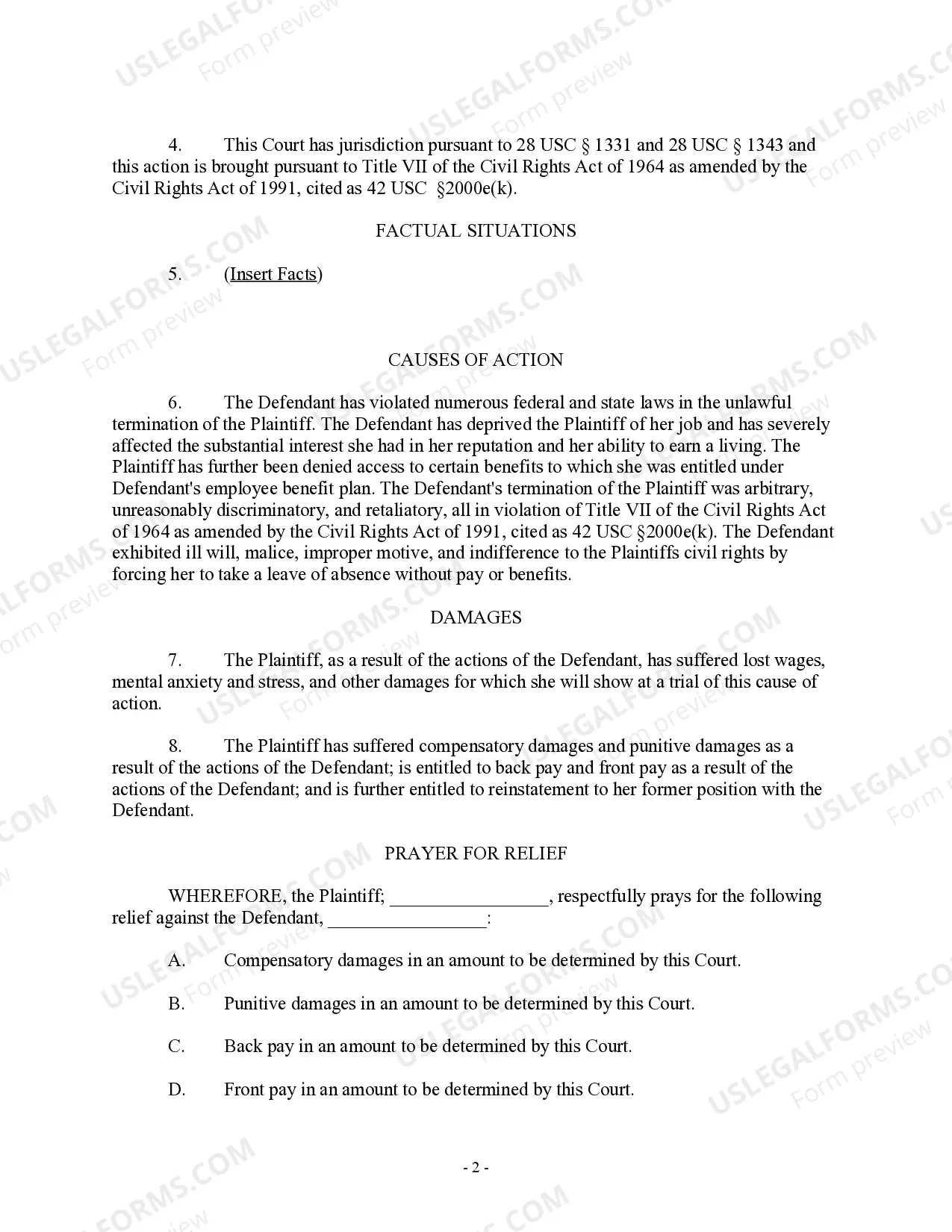
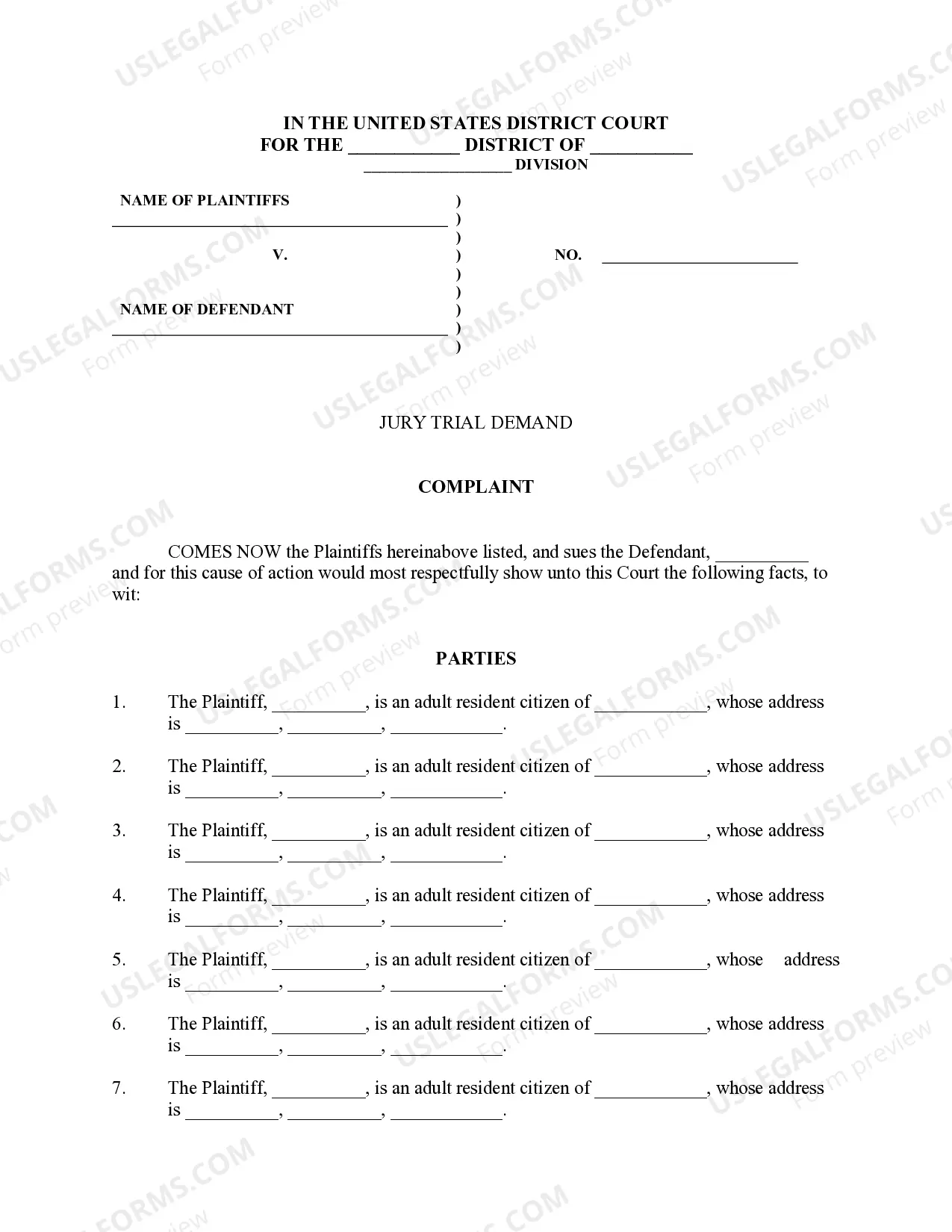
This is a multi-state form covering the subject matter of the title.
Demand For Trial De Novo In Nevada
State:
Multi-State
Category:
Control #:
US-000291
Format:
Word;
Rich Text
99 downloads
Description
Free preview




Get your form ready online
Our built-in tools help you complete, sign, share, and store your documents in one place.
Built-in online Word editor
Make edits, fill in missing information, and update formatting in US Legal Forms—just like you would in MS Word.
Export easily
Download a copy, print it, send it by email, or mail it via USPS—whatever works best for your next step.
E-sign your document
Sign and collect signatures with our SignNow integration. Send to multiple recipients, set reminders, and more. Go Premium to unlock E-Sign.
Notarize online 24/7
If this form requires notarization, complete it online through a secure video call—no need to meet a notary in person or wait for an appointment.
Store your document securely
We protect your documents and personal data by following strict security and privacy standards.

Make edits, fill in missing information, and update formatting in US Legal Forms—just like you would in MS Word.

Download a copy, print it, send it by email, or mail it via USPS—whatever works best for your next step.

Sign and collect signatures with our SignNow integration. Send to multiple recipients, set reminders, and more. Go Premium to unlock E-Sign.

If this form requires notarization, complete it online through a secure video call—no need to meet a notary in person or wait for an appointment.

We protect your documents and personal data by following strict security and privacy standards.
Looking for another form?









Form popularity
FAQ
The scope of discovery is broad but has limits. Parties can obtain relevant info reasonably likely to lead to admissible evidence. However, privileged communications, work product, and overly burdensome requests are protected from discovery. Courts balance the need for info against privacy and efficiency concerns.
“Parties may obtain discovery regarding any matter, not privileged, which is relevant to the subject matter involved in the pending action, whether it relates to the claim or defense of the party seeking discovery or to the claim or defense of any other party, including the existence, description, nature, custody, ...
Nevada Rule of Civil Procedure (NRCP) 68, provides that any party may serve an offer of judgment at least 10 days before trial. 1 An offer not accepted within 10 days is deemed rejected and withdrawn.
The motion for a new trial may, upon reasonable notice, be brought on before the judge of the court in which the cause was tried. If a new trial is granted, the jury shall, within 5 days thereafter, unless the parties agree on a longer time, be summoned to try the issue.
The Three Day Notice of Intent to Default in Nevada is a necessary notice prior to defaulting any party who has not responded to a lawsuit. At Rise Legal - Steve Dixon Law, our office has years of experience dealing with default judgments.
Rule 35 - Physical and Mental Examinations (a)Order for Examination (1)In General. The court where the action is pending may order a party whose mental or physical condition-including blood group-is in controversy to submit to a physical or mental examination by a suitably licensed or certified examiner.
A motion requesting a rehearing or reconsideration may be based only on one of the following grounds: (a) Newly discovered or available evidence. (b) Error in the hearing or in the findings and recommendations or the decision that would be grounds for reversal of the findings and recommendations or the decision.
“Parties may obtain discovery regarding any matter, not privileged, which is relevant to the subject matter involved in the pending action, whether it relates to the claim or defense of the party seeking discovery or to the claim or defense of any other party, including the existence, description, nature, custody, ...