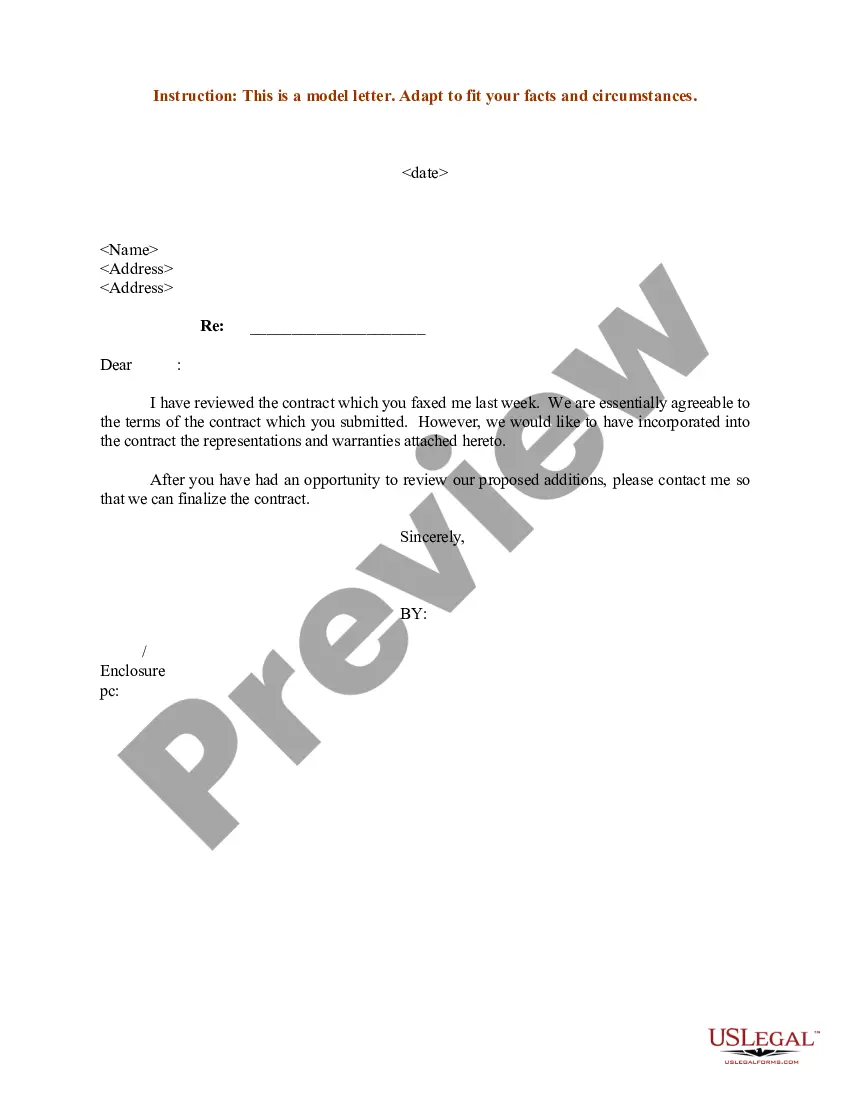
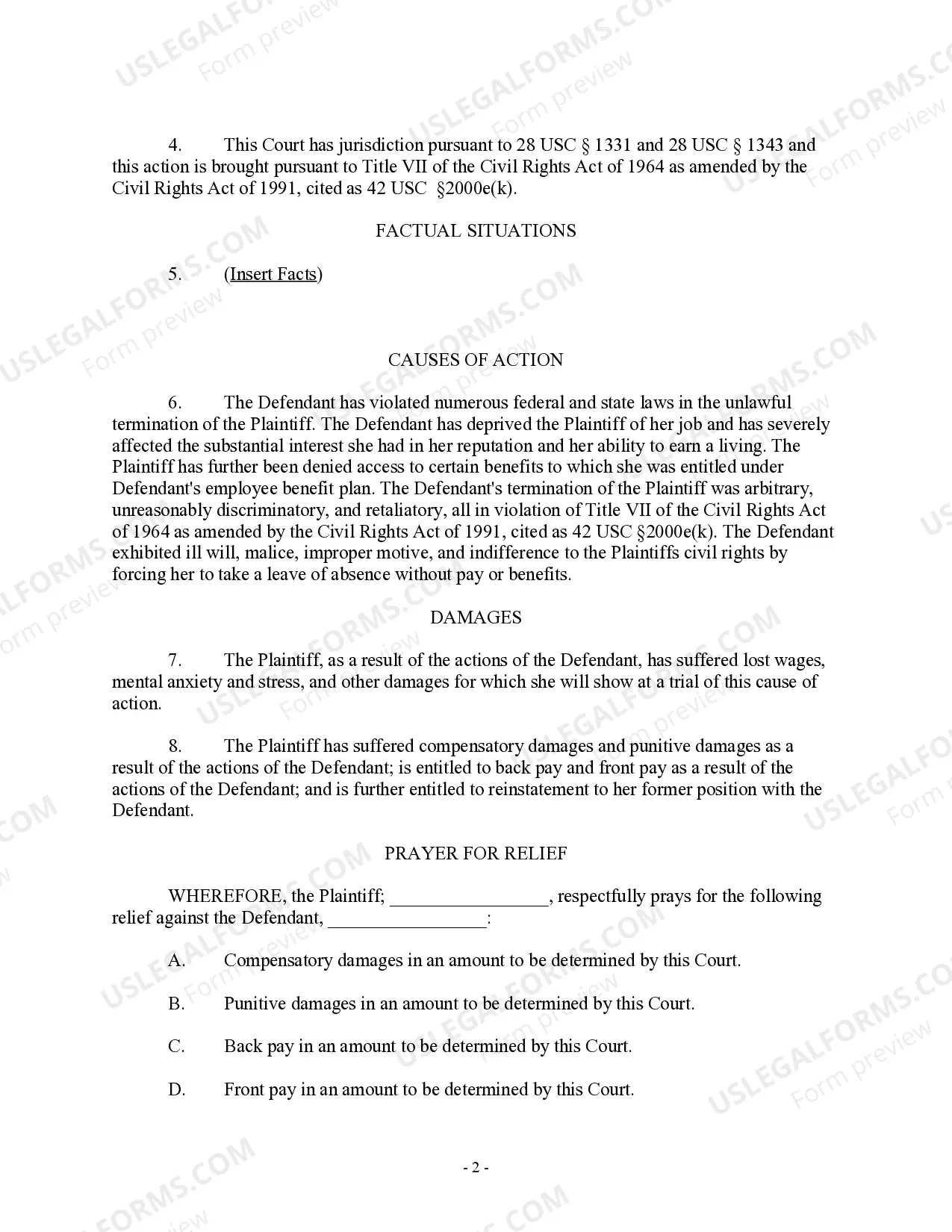
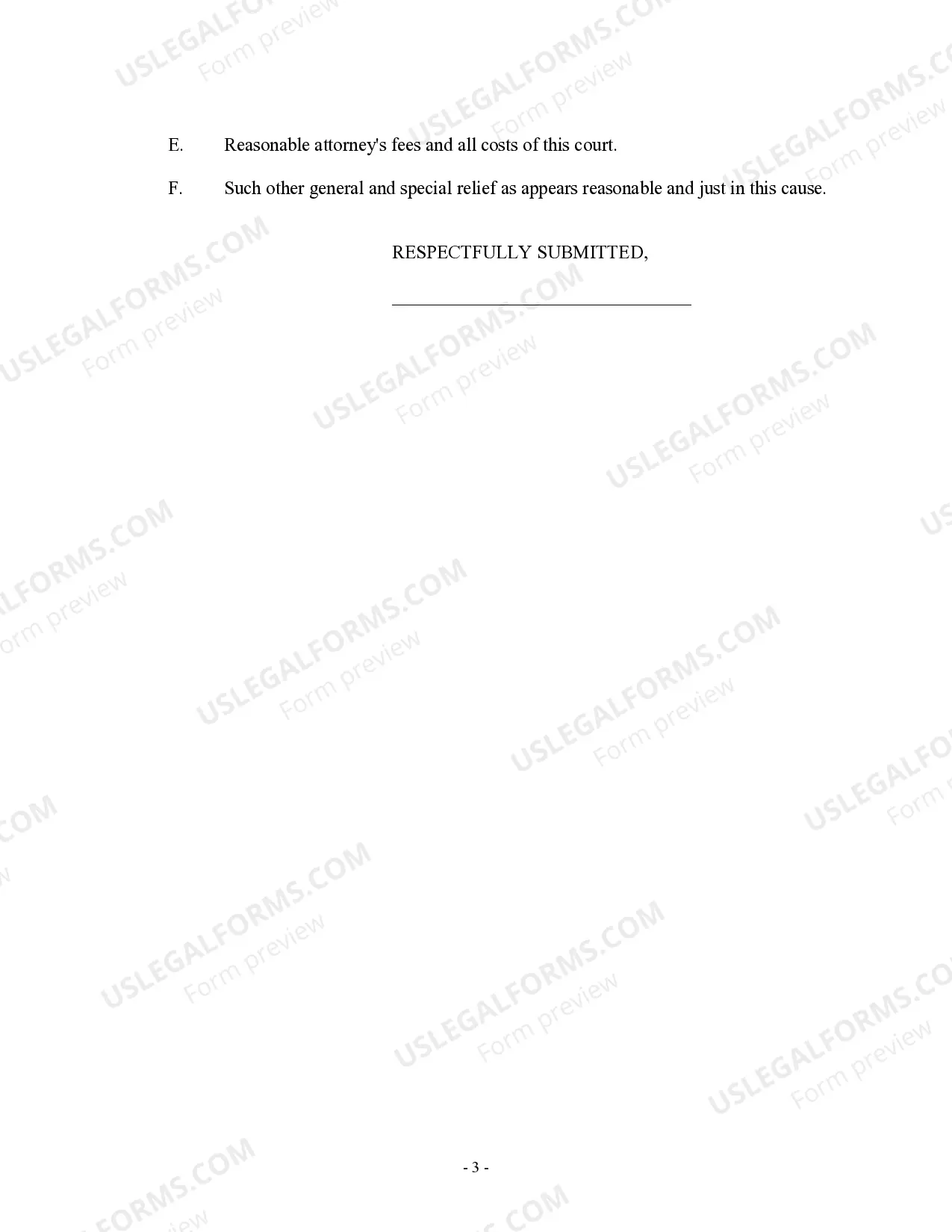
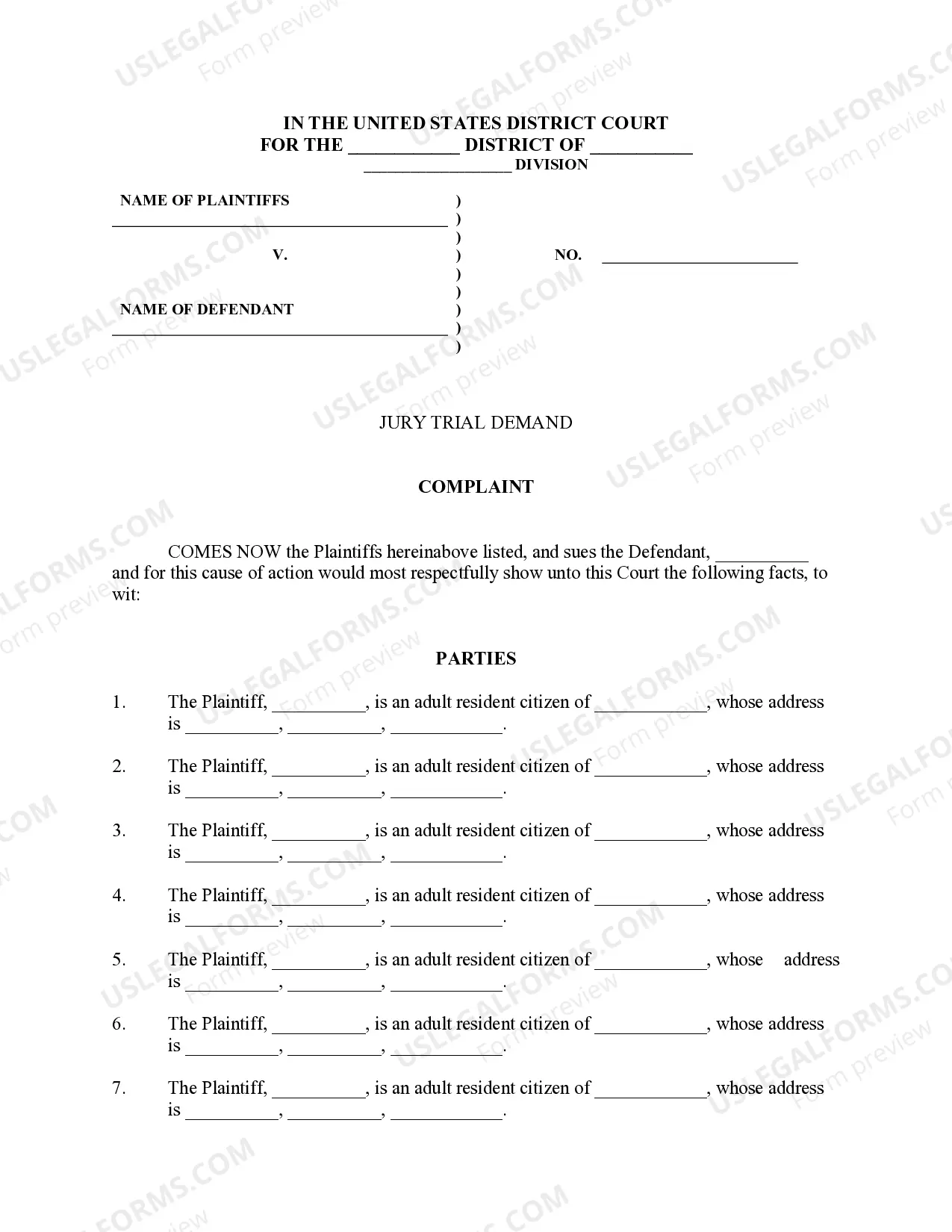
This is a multi-state form covering the subject matter of the title.
Wrongful Termination Court For Retaliation In Michigan
State:
Multi-State
Category:
Control #:
US-000291
Format:
Word;
Rich Text
99 downloads
Description
Free preview




Get your form ready online
Our built-in tools help you complete, sign, share, and store your documents in one place.
Built-in online Word editor
Make edits, fill in missing information, and update formatting in US Legal Forms—just like you would in MS Word.
Export easily
Download a copy, print it, send it by email, or mail it via USPS—whatever works best for your next step.
E-sign your document
Sign and collect signatures with our SignNow integration. Send to multiple recipients, set reminders, and more. Go Premium to unlock E-Sign.
Notarize online 24/7
If this form requires notarization, complete it online through a secure video call—no need to meet a notary in person or wait for an appointment.
Store your document securely
We protect your documents and personal data by following strict security and privacy standards.

Make edits, fill in missing information, and update formatting in US Legal Forms—just like you would in MS Word.

Download a copy, print it, send it by email, or mail it via USPS—whatever works best for your next step.

Sign and collect signatures with our SignNow integration. Send to multiple recipients, set reminders, and more. Go Premium to unlock E-Sign.

If this form requires notarization, complete it online through a secure video call—no need to meet a notary in person or wait for an appointment.

We protect your documents and personal data by following strict security and privacy standards.
Looking for another form?








Form popularity
FAQ
In Michigan, retaliation does not have to involve a direct connection between the employee's actions and adverse treatment. The mere association with someone who engaged in protected activity—such as being associated with someone who reports discrimination or harassment—can now form the basis of a valid claim.
Yes, you can sue for wrongful termination in Georgia, but there are specific, limited conditions under which you can do so. Because Georgia is an “at-will” employment state, employers are allowed to terminate employees for almost any reason.
These wrongful termination damages may include: Lost wages and benefits; Compensation for emotional distress, physical pain, and/or loss of professional reputation; Attorney's fees; and/or.
If your termination violates state or federal employment laws, it may be deemed wrongful. Common reasons for wrongful termination include discrimination based on race, gender, age, disability, religion, national origin, or sexual orientation.
Employees in Michigan may also have a valid wrongful termination claim if they can prove their employer retaliated against them or breached their employment or union contract. Retaliation is another basis for wrongful termination. One example is retaliation due to whistleblowing.
However, some reasons for termination are not permitted under Texas and federal law. Wrongful termination is any termination that occurs when you are fired: Because of your race, religion, gender or gender preference, national origin, or other protected category.
Workers who prevail in a wrongful termination claim often get awarded between $5,000 and $100,000 in compensation. However, each case is different. There is no single “average” wrongful termination. Numerous factors can change how much a particular case is worth.