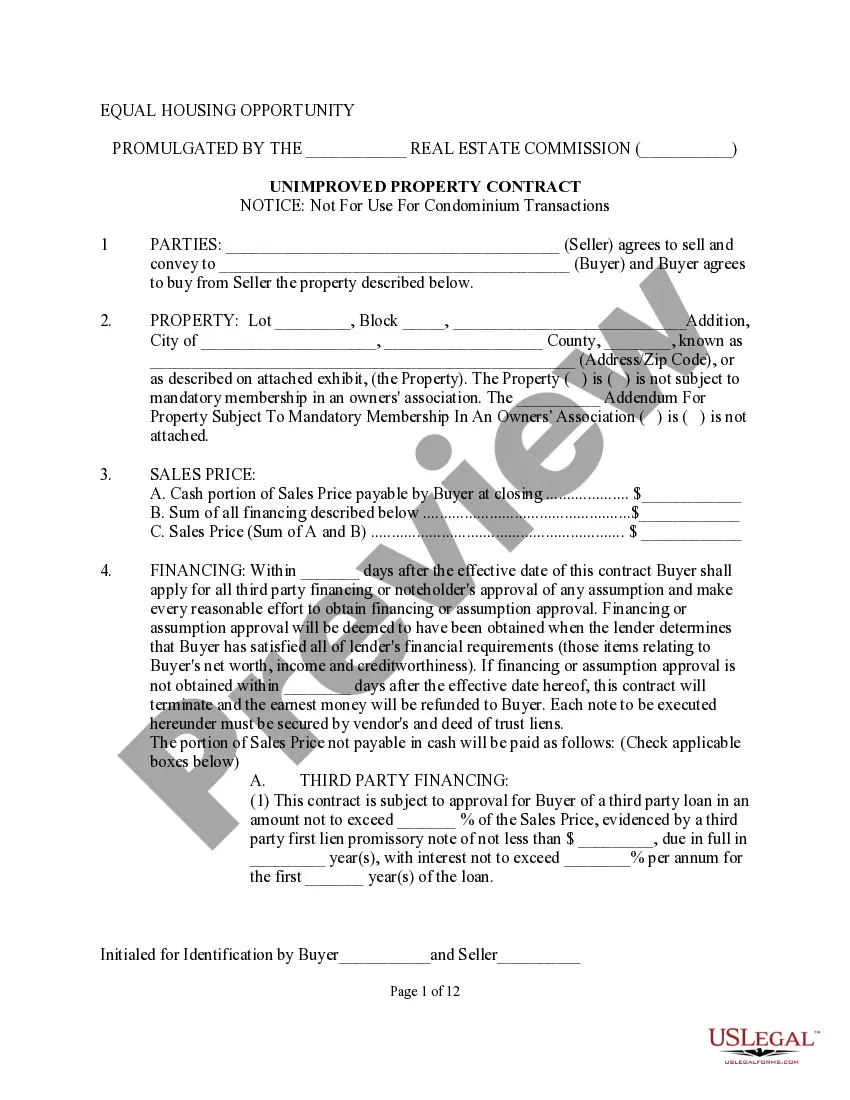
This is a multi-state form covering the subject matter of the title.
Wrongful Termination Court Within 90 Days In Georgia
State:
Multi-State
Category:
Control #:
US-000291
Format:
Word;
Rich Text
99 downloads
Description
Free preview




Get your form ready online
Our built-in tools help you complete, sign, share, and store your documents in one place.
Built-in online Word editor
Make edits, fill in missing information, and update formatting in US Legal Forms—just like you would in MS Word.
Export easily
Download a copy, print it, send it by email, or mail it via USPS—whatever works best for your next step.
E-sign your document
Sign and collect signatures with our SignNow integration. Send to multiple recipients, set reminders, and more. Go Premium to unlock E-Sign.
Notarize online 24/7
If this form requires notarization, complete it online through a secure video call—no need to meet a notary in person or wait for an appointment.
Store your document securely
We protect your documents and personal data by following strict security and privacy standards.

Make edits, fill in missing information, and update formatting in US Legal Forms—just like you would in MS Word.

Download a copy, print it, send it by email, or mail it via USPS—whatever works best for your next step.

Sign and collect signatures with our SignNow integration. Send to multiple recipients, set reminders, and more. Go Premium to unlock E-Sign.

If this form requires notarization, complete it online through a secure video call—no need to meet a notary in person or wait for an appointment.

We protect your documents and personal data by following strict security and privacy standards.
Looking for another form?

Form popularity
FAQ
In Georgia, most of these laws have a 180-day statute of limitations, which means you have 180 days from when you first learned of the unlawful act to file a complaint with the Equal Employment Opportunity Commission (EEOC).
While multimillion awards are possible, it is crucial to keep in mind that federal laws limit the amount of punitive and compensatory damages awarded in cases involving wrongful termination. They cannot exceed $50,000 – $300,000, depending on the number of employees working for the employer's business.
However, some reasons for termination are not permitted under Texas and federal law. Wrongful termination is any termination that occurs when you are fired: Because of your race, religion, gender or gender preference, national origin, or other protected category.
Georgia also does not recognize a claim for “wrongful termination,” as Georgia is an “employment-at-will” state.
The short answer is no. Georgia does not have a wrongful termination statute. Georgia is an at-will employment state, which means either party can terminate the employment relationship at will at any time for any reason without any recourse.
Average Settlements for Wrongful Termination in California Case DamagesAverage Settlement Received Low Between $5,000 and $30,000 Moderate Between $30,000 and $100,000 High Between $100,000 and $1,000,000+
The deadline for filing a personal injury lawsuit in Georgia is generally two years, per O.C.G.A. § 9-3-33.
In Georgia, most of these laws have a 180-day statute of limitations, which means you have 180 days from when you first learned of the unlawful act to file a complaint with the Equal Employment Opportunity Commission (EEOC).
Wrongful termination lawsuits can take over a year to resolve. Every case is different, however. If the employer is eager to settle out of court, the case can end in a matter of weeks. If either side is intent on going to trial, a wrongful termination claim could linger on for several years.