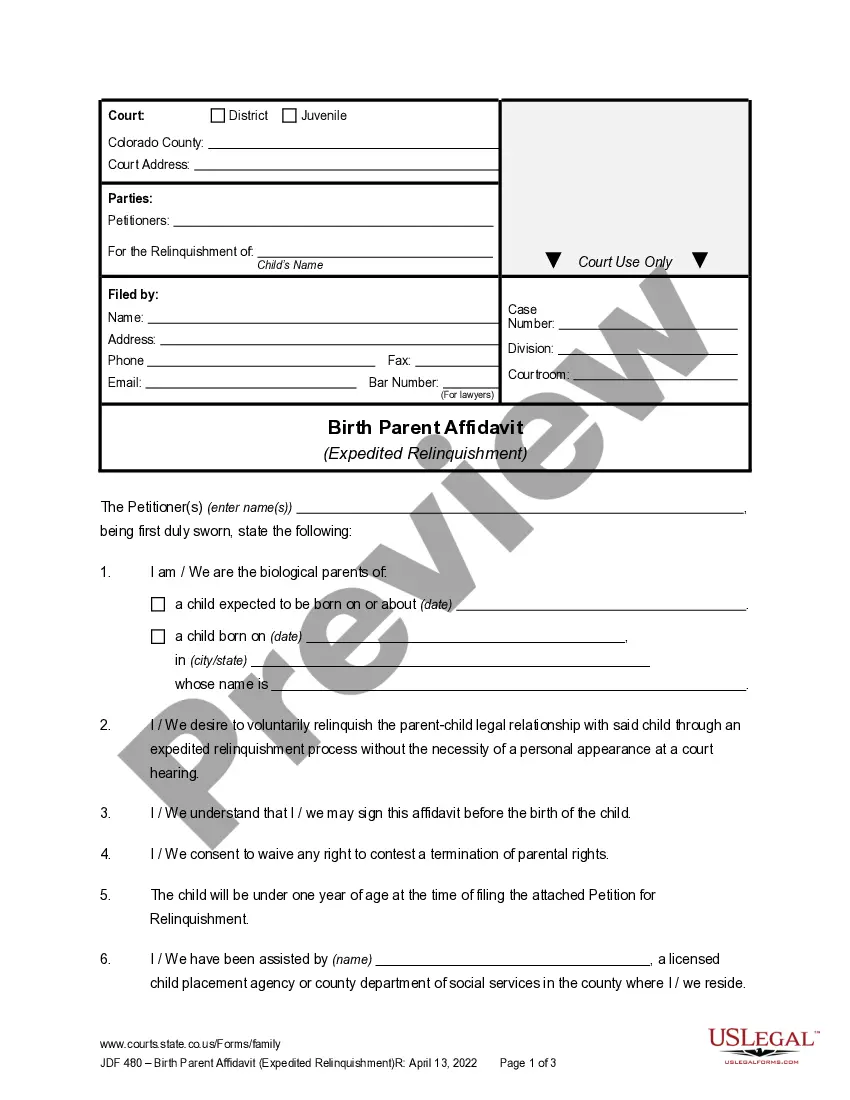
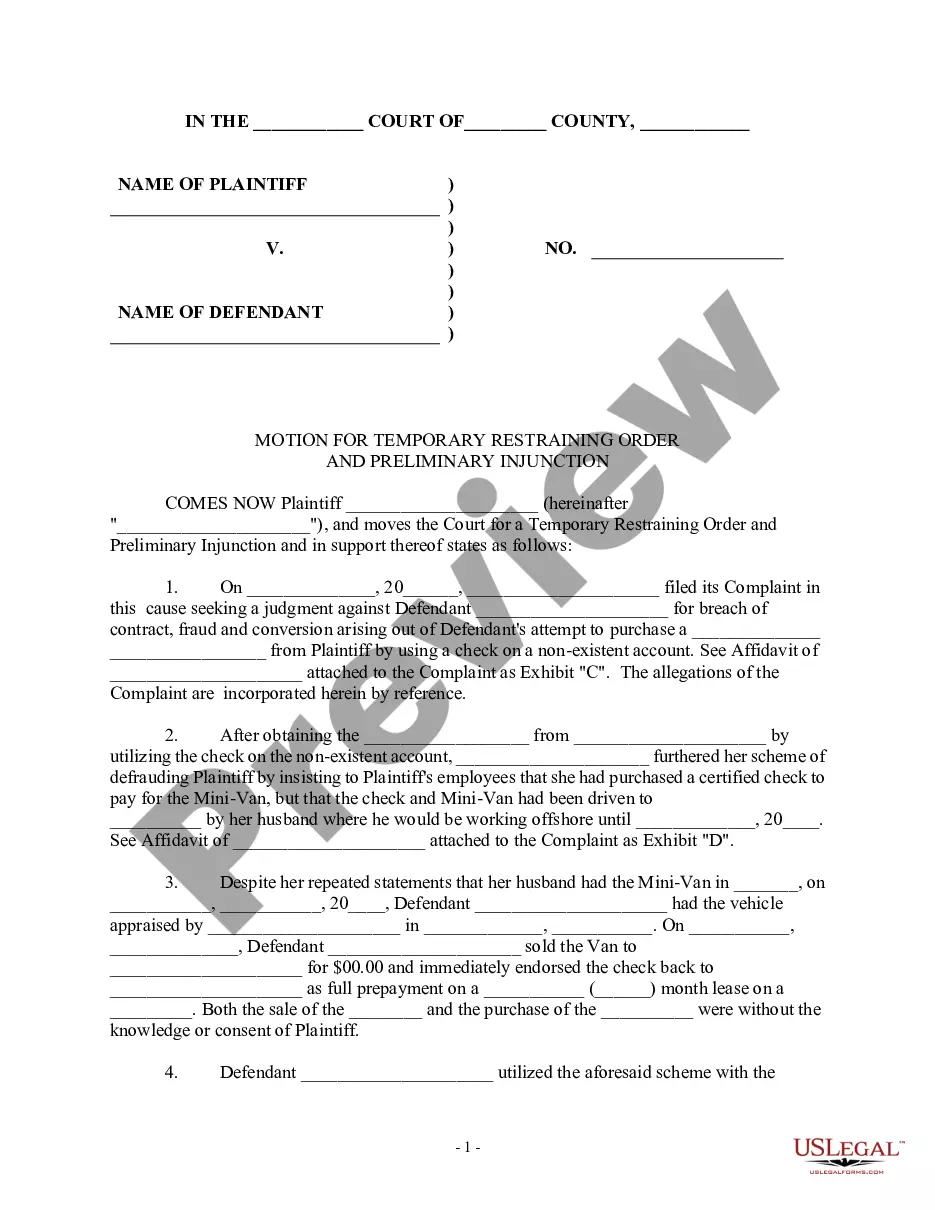
Sample Restraining Order Form For California In Wayne
Description
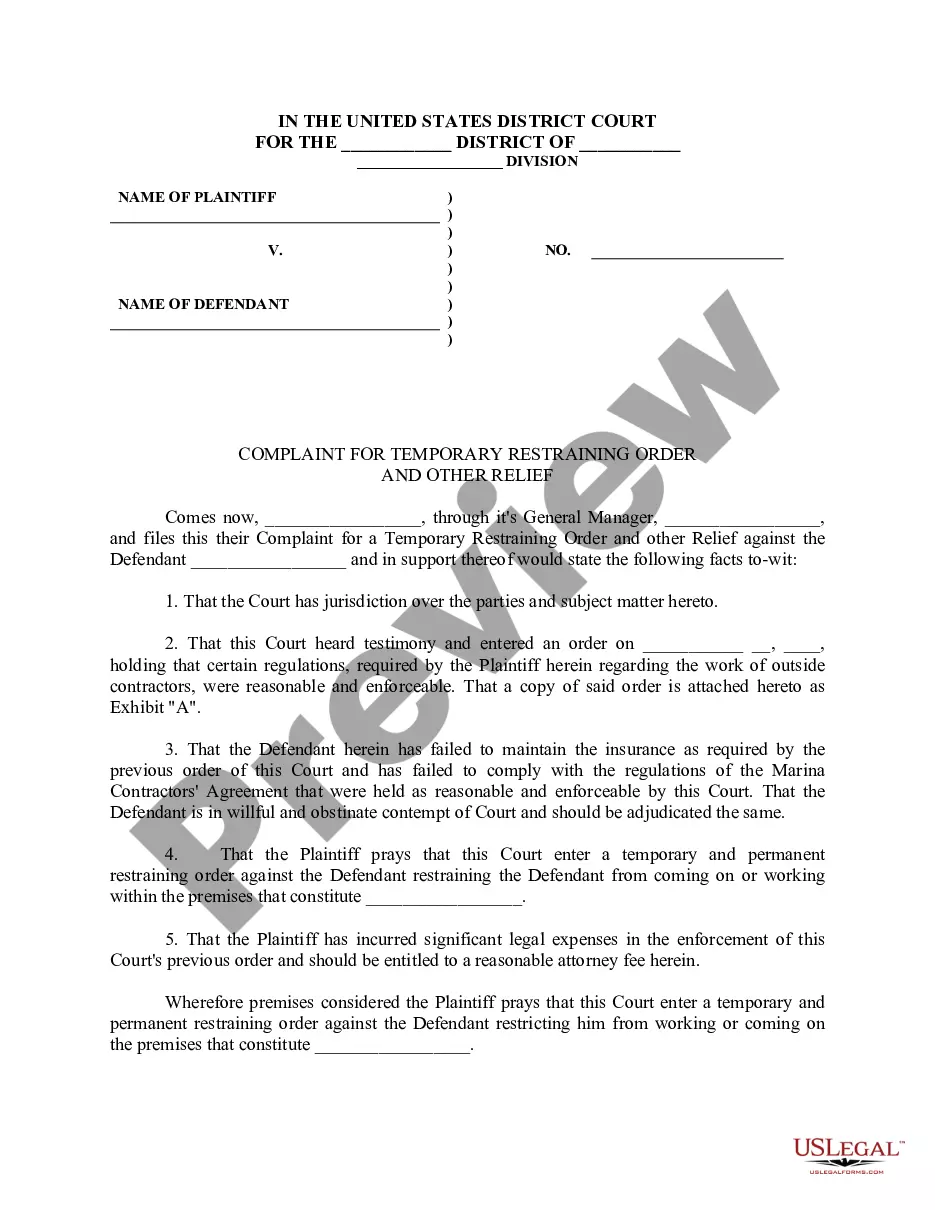


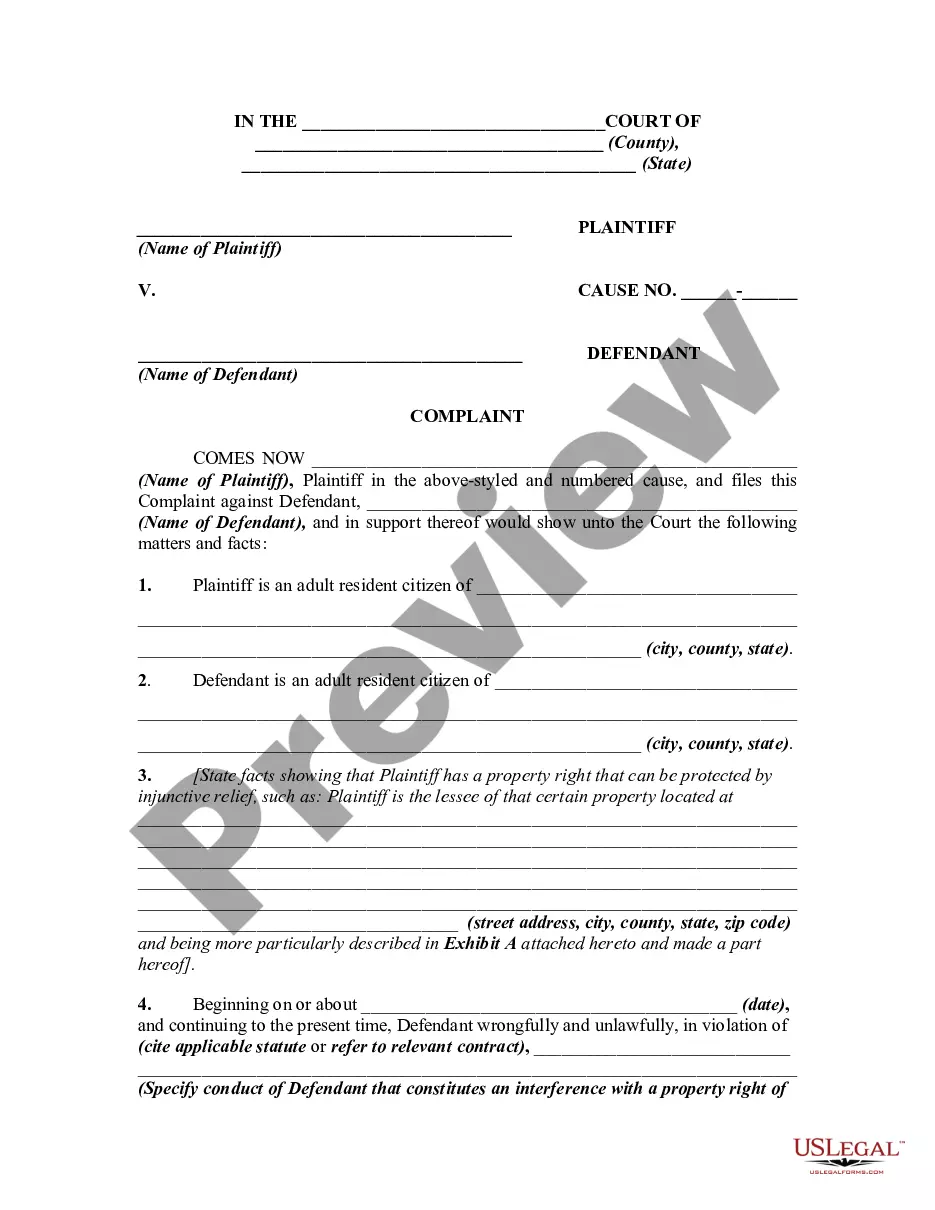
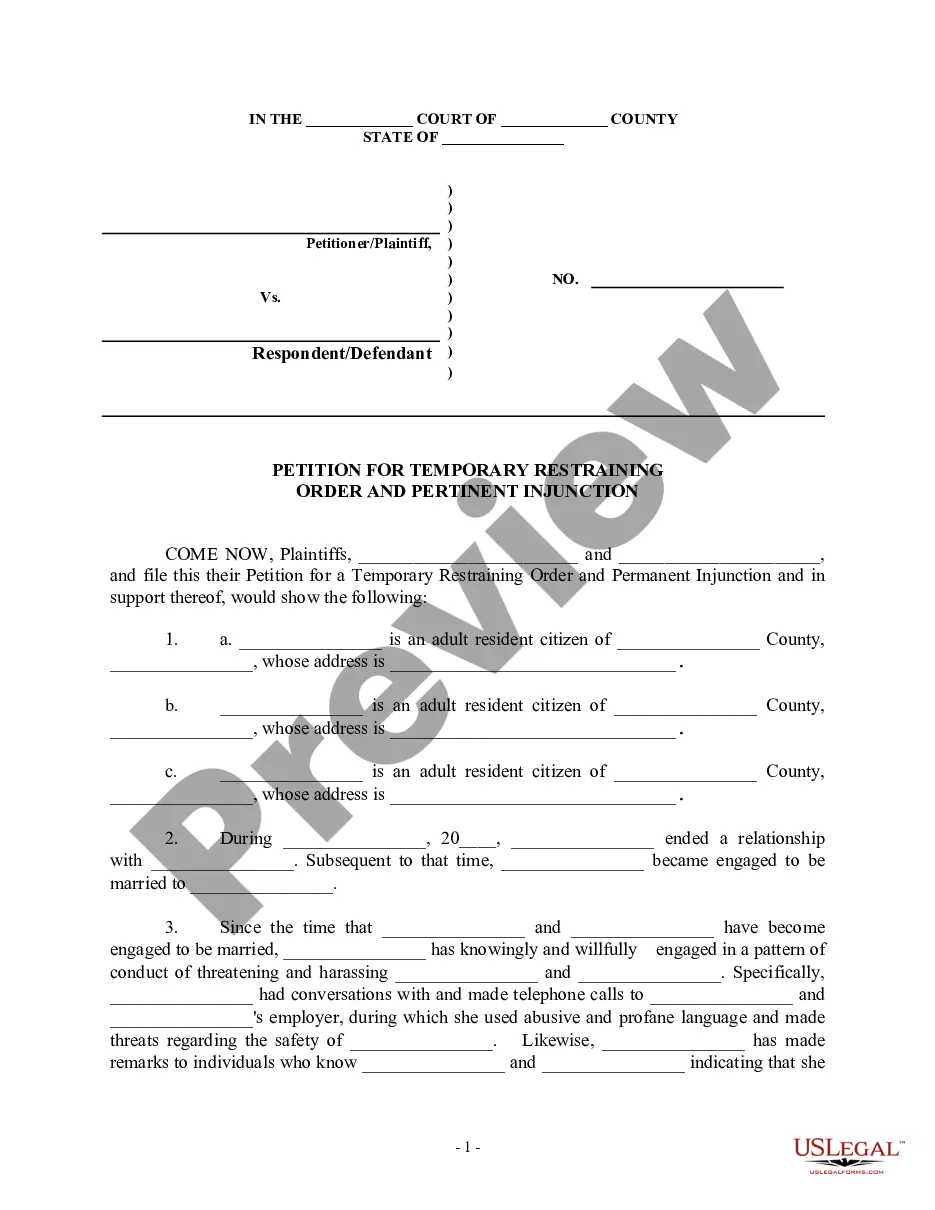

Get your form ready online
Our built-in tools help you complete, sign, share, and store your documents in one place.
Make edits, fill in missing information, and update formatting in US Legal Forms—just like you would in MS Word.
Download a copy, print it, send it by email, or mail it via USPS—whatever works best for your next step.
Sign and collect signatures with our SignNow integration. Send to multiple recipients, set reminders, and more. Go Premium to unlock E-Sign.
If this form requires notarization, complete it online through a secure video call—no need to meet a notary in person or wait for an appointment.
We protect your documents and personal data by following strict security and privacy standards.

Make edits, fill in missing information, and update formatting in US Legal Forms—just like you would in MS Word.

Download a copy, print it, send it by email, or mail it via USPS—whatever works best for your next step.

Sign and collect signatures with our SignNow integration. Send to multiple recipients, set reminders, and more. Go Premium to unlock E-Sign.

If this form requires notarization, complete it online through a secure video call—no need to meet a notary in person or wait for an appointment.

We protect your documents and personal data by following strict security and privacy standards.
Looking for another form?





Form popularity
FAQ
The standard test for the order can be sought is whether or not there is evidence of harassment or risk of violence (or further violence) against a victim. You can get a restraining order against someone if the person has: Abused (or threatened to abuse you) Sexually assaulted you.
Here are some key defenses you can use to contest a restraining order in court. Claim False Allegations. If you can demonstrate that the claims made against you are fabricated or exaggerated, you could counter the order. Claim a Lack of Evidence. Present Counter Evidence. Claim Misunderstandings or Miscommunications.
Yes, if you filed a petition for a restraining order and the judge denied your request, you can file an appeal to have another court review the judge's ruling. However, you must wait until the judge issues a ruling on your permanent restraining order.
Judges in California look at many factors when they decide on restraining orders. Knowing why a judge might deny a restraining order can help people prepare their cases better. Courts often deny orders because there's not enough evidence or because of procedural mistakes.
Restraining orders Which type you can ask for. Description of all types of restraining orders. Domestic violence. Civil harassment. Elder or dependent adult. Workplace violence. Gun violence. School violence. Emergency and criminal protective orders.
Fill out all required forms Request for Civil Harassment Restraining Orders (form CH-100) Confidential CLETS Information (form CLETS-001) Notice of Court Hearing (form CH-109) Temporary Restraining Order (form CH-110) Civil Case Cover Sheet (form CM-010)
Anyone seeking such an order must be prepared to present some evidence in addition to their own written statements and testimony in Court. This standard means that the Court must see photographs, text messages, e-mails or any other physical evidence that can support claims made by the Petitioner.
In order to obtain a DVRO in California you must gather an amount of evidence to convince a judge in California that the person you want restrained is aa threat to you in the future and in the pass. TROs are given for emergencies. You have to show social media, email and text messages of threats, a long pattern of it.