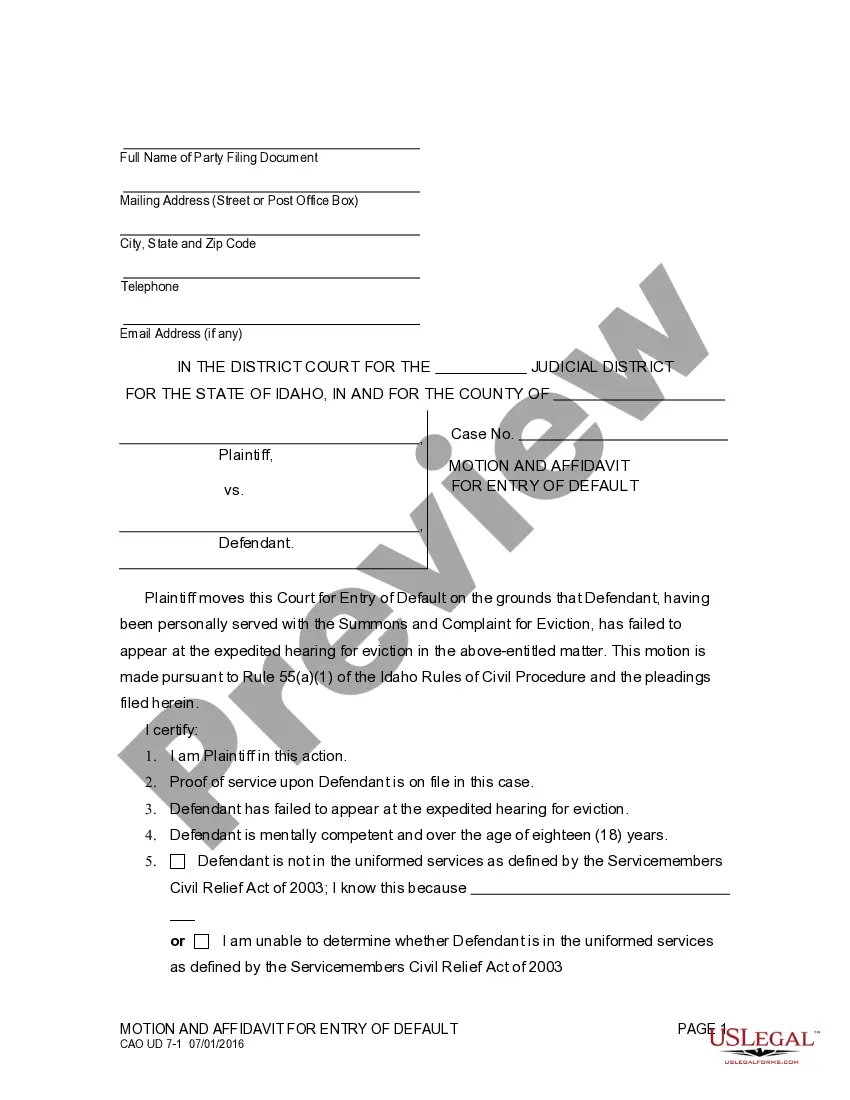
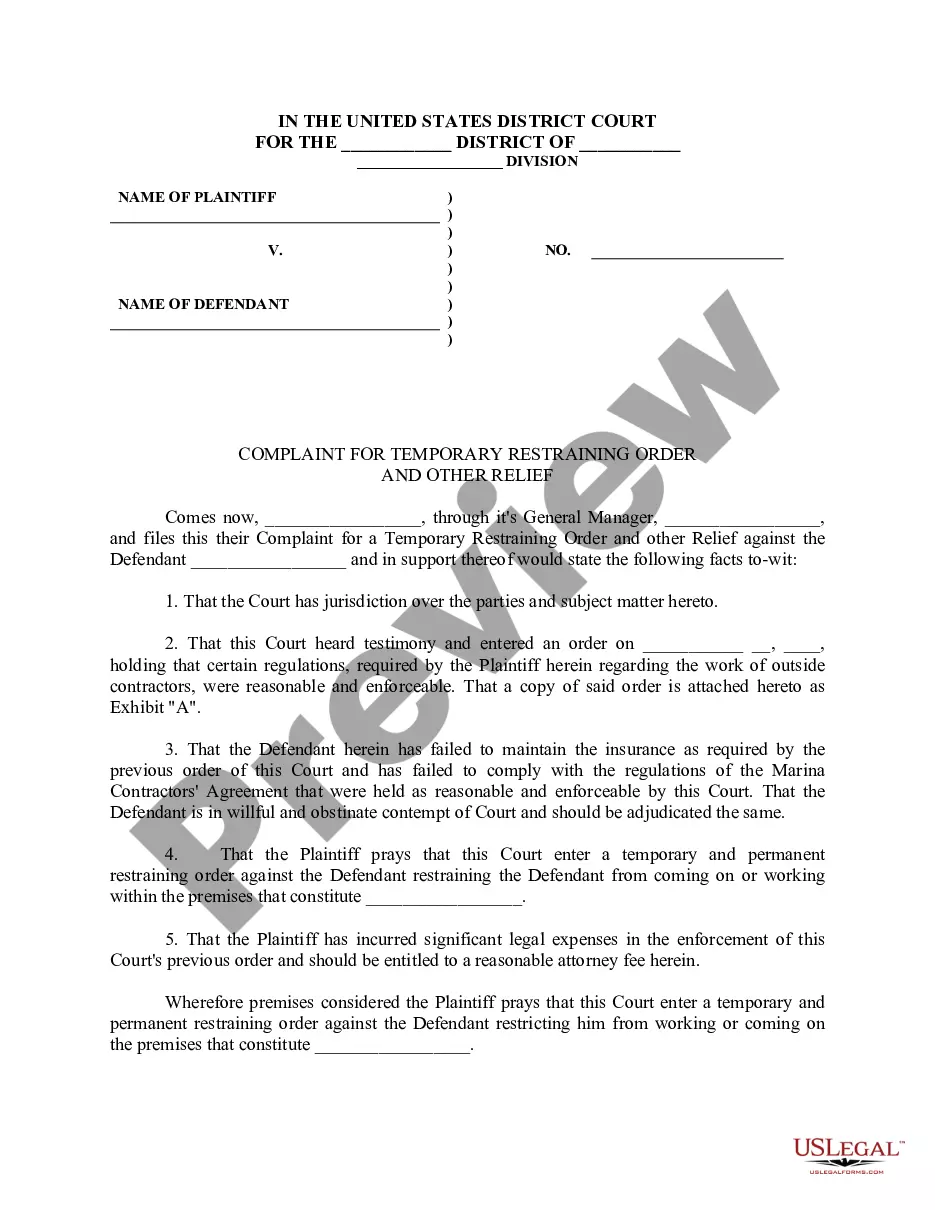
Sample Restraining Order Form Forced Marriage In Washington
Description


Get your form ready online
Our built-in tools help you complete, sign, share, and store your documents in one place.
Make edits, fill in missing information, and update formatting in US Legal Forms—just like you would in MS Word.
Download a copy, print it, send it by email, or mail it via USPS—whatever works best for your next step.
Sign and collect signatures with our SignNow integration. Send to multiple recipients, set reminders, and more. Go Premium to unlock E-Sign.
If this form requires notarization, complete it online through a secure video call—no need to meet a notary in person or wait for an appointment.
We protect your documents and personal data by following strict security and privacy standards.

Make edits, fill in missing information, and update formatting in US Legal Forms—just like you would in MS Word.

Download a copy, print it, send it by email, or mail it via USPS—whatever works best for your next step.

Sign and collect signatures with our SignNow integration. Send to multiple recipients, set reminders, and more. Go Premium to unlock E-Sign.

If this form requires notarization, complete it online through a secure video call—no need to meet a notary in person or wait for an appointment.

We protect your documents and personal data by following strict security and privacy standards.
Looking for another form?






Form popularity
FAQ
Domestic Violence Restraining Order (DVRO) A Domestic Violence Restraining Order is one of the most common types of restraining orders.
A stalking protection order can be used to protect anyone who's been a victim of stalking. The order can prohibit the stalker from doing certain things, including: going to locations where you live or visit often.
To prevail, you'll need to prove that the person “seriously alarmed, annoyed or harassed” you, that the actions were detrimental to you and served no legitimate purpose, and that you suffered “substantial” emotional distress.
After having a court hearing, a judge can grant you a “restraining order after hearing” that can last up to five years.
Domestic Violence Restraining Order (DVRO) A Domestic Violence Restraining Order is one of the most common types of restraining orders.
You must explain how you or someone else may be seriously harmed if you don't get protection now, before the restrained person gets notice that you're asking for a protection order. Gather any supporting evidence, such as written statements, printed photos, or documents that help prove what you're saying is true.
If you believe someone is harassing you in Washington State then you can go to district or superior court and file a “petition” under oath stating why you believe the court should issue an anti-harassment order. There are standard forms that can assist in this process and are on the Washington Courts website.