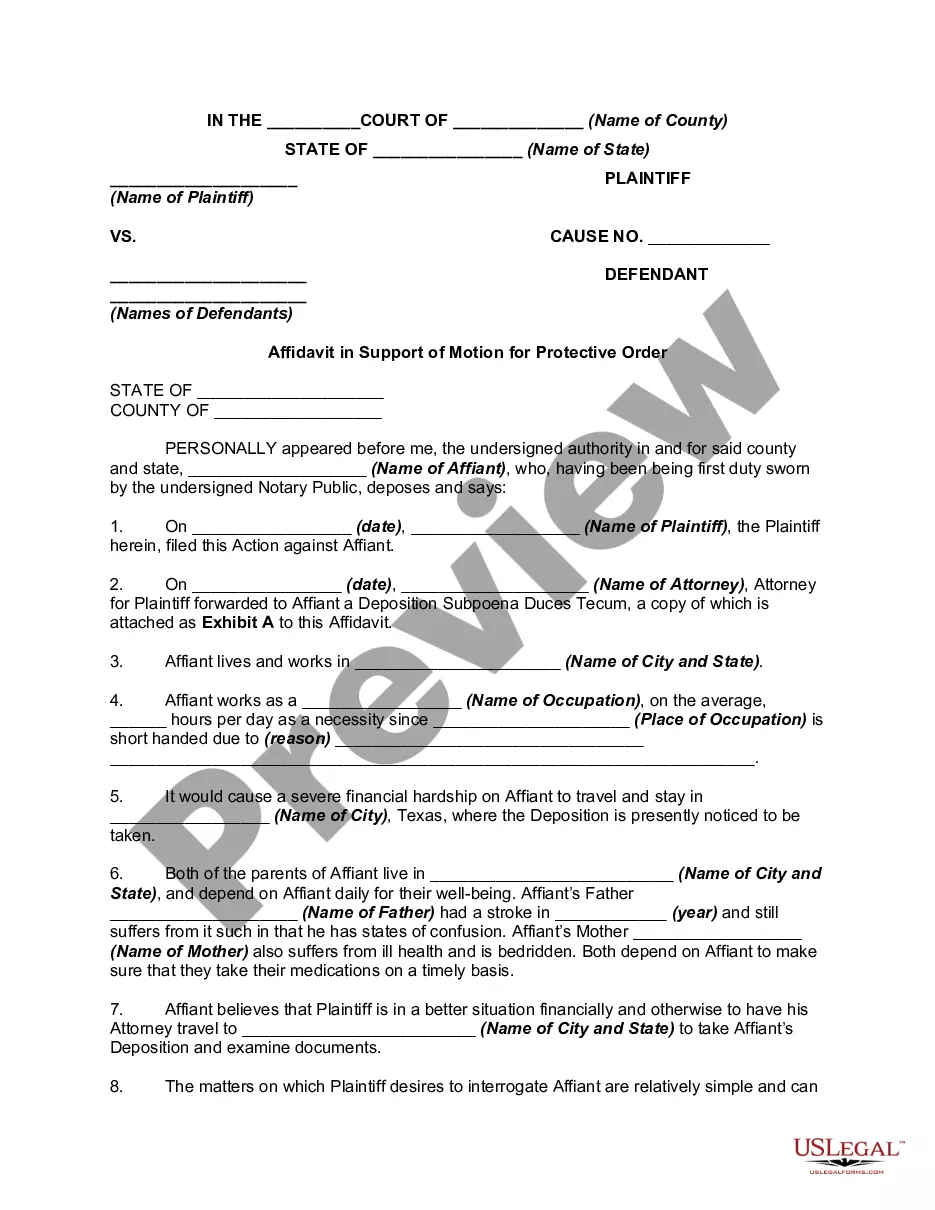
Sample Restraining Order Form For Medical Records In North Carolina
Description


Get your form ready online
Our built-in tools help you complete, sign, share, and store your documents in one place.
Make edits, fill in missing information, and update formatting in US Legal Forms—just like you would in MS Word.
Download a copy, print it, send it by email, or mail it via USPS—whatever works best for your next step.
Sign and collect signatures with our SignNow integration. Send to multiple recipients, set reminders, and more. Go Premium to unlock E-Sign.
If this form requires notarization, complete it online through a secure video call—no need to meet a notary in person or wait for an appointment.
We protect your documents and personal data by following strict security and privacy standards.

Make edits, fill in missing information, and update formatting in US Legal Forms—just like you would in MS Word.

Download a copy, print it, send it by email, or mail it via USPS—whatever works best for your next step.

Sign and collect signatures with our SignNow integration. Send to multiple recipients, set reminders, and more. Go Premium to unlock E-Sign.

If this form requires notarization, complete it online through a secure video call—no need to meet a notary in person or wait for an appointment.

We protect your documents and personal data by following strict security and privacy standards.
Looking for another form?







Form popularity
FAQ
A 50C Civil No-Contact Order seeks to protect victims of sexual assault, stalking, and other forms of harassment. Victims may be any age, and unlike the 50B protective order, no relationship between the victim and the offender is required.
Usually they are not charged. A no contact order violation by a victim is not a violation of a court order. An accused person bound by a no contact order should contact a lawyer if he is being contacted by a victim in a domestic assault case.
Can a Plaintiff Change Their Mind and Drop the 50B or 50C Order? Yes, plaintiffs may file a Motion to Dismiss. The court sets a date and notifies the defendant. The plaintiff must attend this hearing and tell the judge why they want to drop the complaint.
You will need to fill out form AOC-CV-520, which is a Complaint for No-Contact Order for Stalking or Nonconsensual Sexual Contact, located here. In addition, you will need form AOC-CV-521. Although you can access these online, your local clerk's office should also have copies for you to fill out there as well.
After having a court hearing, a judge can grant you a “restraining order after hearing” that can last up to five years. However, if there is no termination date on the order, the order will last three years from the date it was issued.
A DVPO is not a criminal conviction and does not appear on the defendant's criminal record. However, all documents filed in the case are public record.
In general, harassment is behavior towards another person that scares, torments, or intimidates them for no apparent reason. This behavior can be expressed verbally or in writing, by phone, internet, pager, voice mail, answering machine, or any other comparable methods.
If you are in immediate danger, the judge may issue a temporary no-contact order effective for up to 10 days. The sheriff's office will serve notice to the alleged offender of the no-contact request and be given 10 days to respond or to appear at a scheduled hearing.
North Carolina has no civil court records online. Interested individuals will have to visit the clerk's office to inspect the records. However, members of the public can view opinions from the Supreme and the Court of Appeals in North Carolina on the North Carolina Court website.
How can I view records of civil, special proceeding, or estates cases? Information about civil, special proceeding, or estates cases in the North Carolina court system can be accessed on the public, self-service terminals in the clerk of court's office in any county.