Sample Restraining Order Form With Attorney In Kings
Description


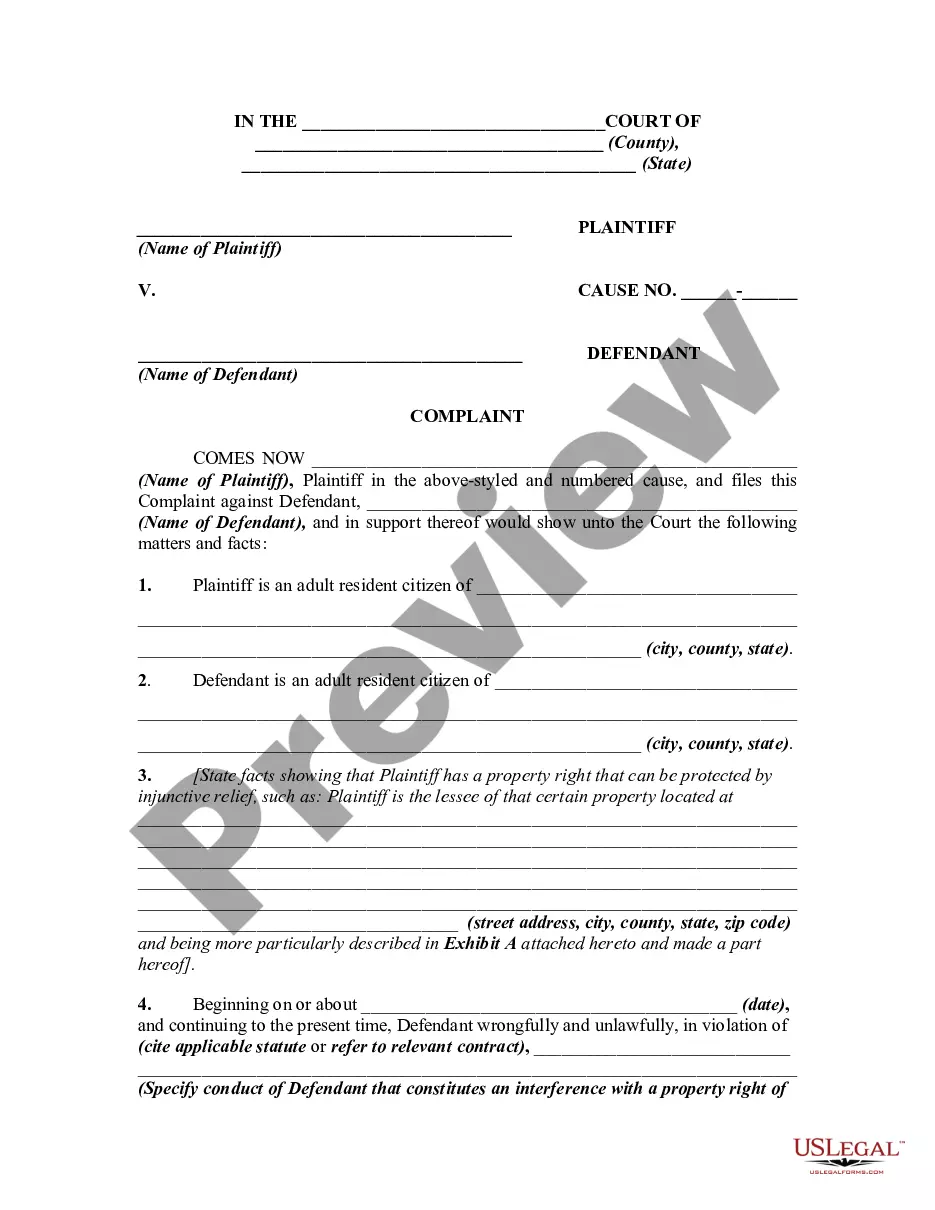
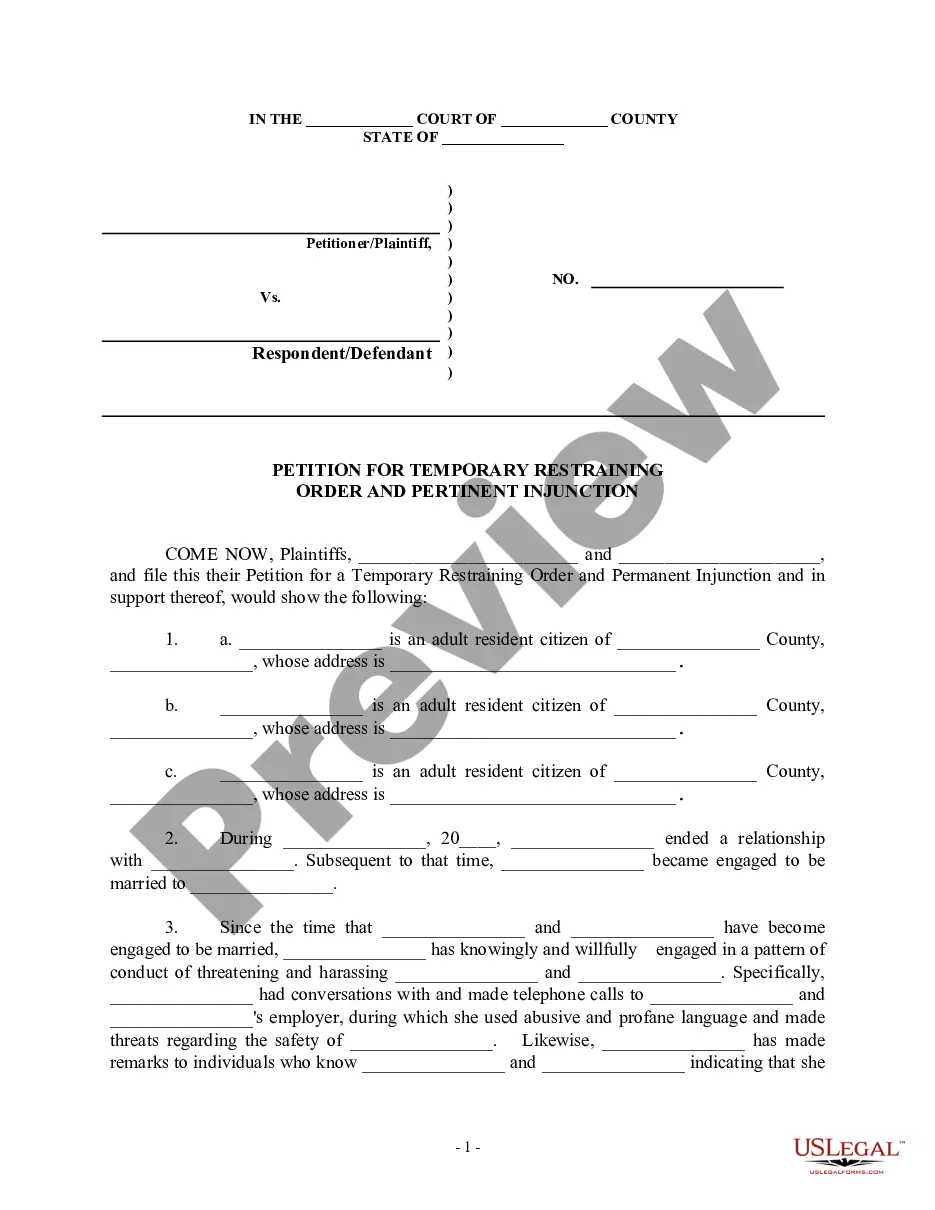

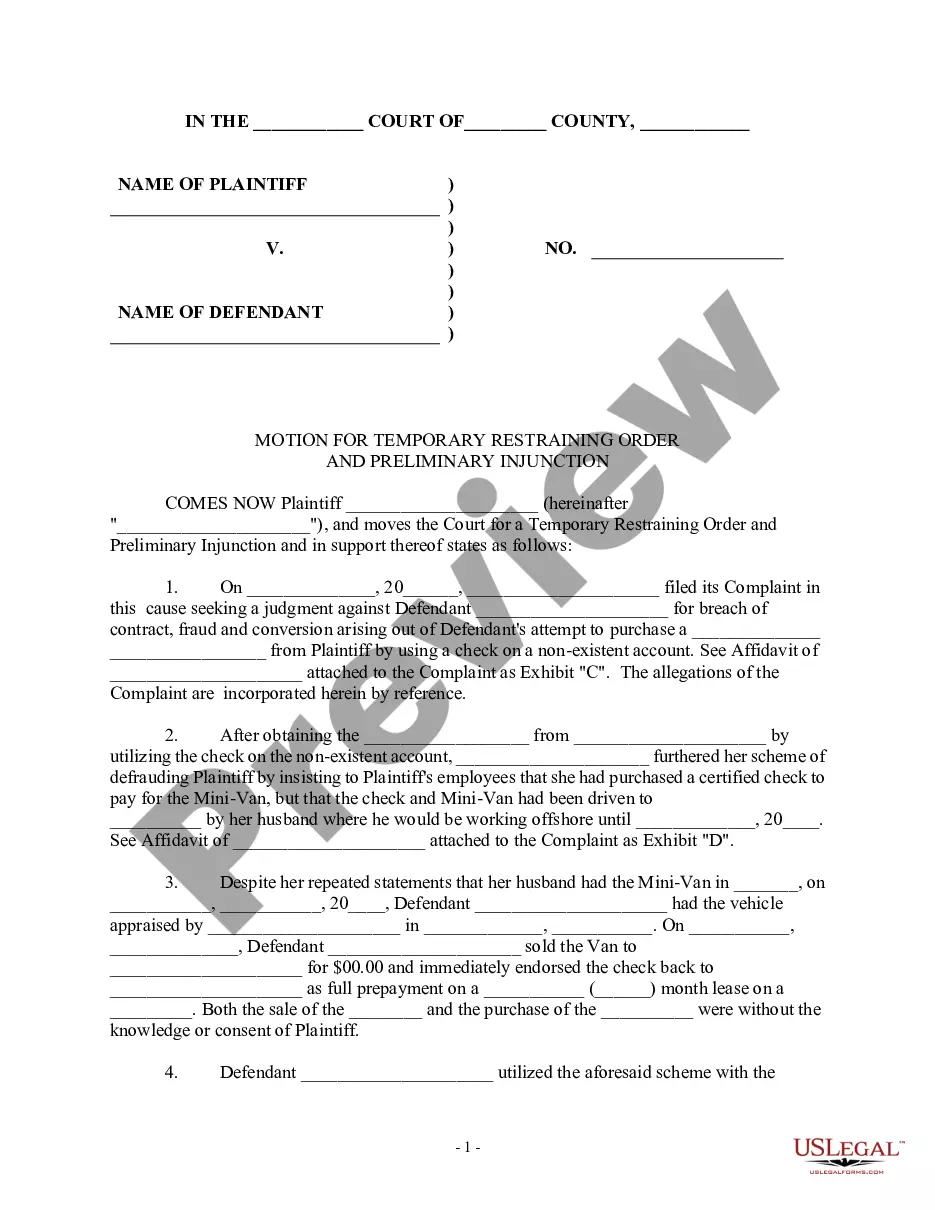
Get your form ready online
Our built-in tools help you complete, sign, share, and store your documents in one place.
Make edits, fill in missing information, and update formatting in US Legal Forms—just like you would in MS Word.
Download a copy, print it, send it by email, or mail it via USPS—whatever works best for your next step.
Sign and collect signatures with our SignNow integration. Send to multiple recipients, set reminders, and more. Go Premium to unlock E-Sign.
If this form requires notarization, complete it online through a secure video call—no need to meet a notary in person or wait for an appointment.
We protect your documents and personal data by following strict security and privacy standards.

Make edits, fill in missing information, and update formatting in US Legal Forms—just like you would in MS Word.

Download a copy, print it, send it by email, or mail it via USPS—whatever works best for your next step.

Sign and collect signatures with our SignNow integration. Send to multiple recipients, set reminders, and more. Go Premium to unlock E-Sign.

If this form requires notarization, complete it online through a secure video call—no need to meet a notary in person or wait for an appointment.

We protect your documents and personal data by following strict security and privacy standards.
Looking for another form?
Form popularity
FAQ
Using the facts of the incident only, keep your statement brief and to the point. Briefly describe the most recent incident of abuse and/or threats of abuse or other behaviors. Focus on the actual behavior. Do not include prior incidents, (that will be the next paragraph).
An Order of Protection issued in Family Court will not show up on a criminal background check, since cases in Family Court are not criminal cases. However, an Order of Protection issued in connection with a criminal case is a public record, and can be discovered in a criminal background check.
An Order of Protection issued in Family Court will not show up on a criminal background check, since cases in Family Court are not criminal cases. However, an Order of Protection issued in connection with a criminal case is a public record, and can be discovered in a criminal background check.
A permanent order of protection is not really permanent. It typically is for one year, but sometimes expires after 5 years. If There Is an Order of Protection Against Me, Will I Have a Criminal Record? An order of protection alone will not cause you to have a criminal history.
These include vital records (birth and death certificates, marriage and divorce licenses), criminal records, court records, professional licenses (such as medical, law, and driver's licenses), tax and property records, reports on publicly-traded companies, and FOIA or FOIL-able documents related to the operations of ...
California law defines abuse as any act that puts you, your children, or another person in immediate fear of injury, as well as any act that causes harm to you or your property. If such harm exists, you can file a request for an order to keep the abuser away.
If you want to make extra sure, call the business line of the law enforcement jurisdiction where the fight occurred. Give them your name and date of birth and ask if you have a restraining order. Or, go down to the local law enforcement office with your ID and ask them.
Lack of Jurisdiction The respondent can argue that the court does not have jurisdiction to issue a restraining order. This defense can be raised, for instance, if the alleged incidents of domestic violence or harassment did not occur within the jurisdiction of the court.
A Temporary Restraining Order (TRO) is when a judge orders a party to do or not do something for a specific period of time. Examples of a TRO include: Staying away from and/or having no contact with you, including neighbors, co-workers, friends, family, and landlords or tenants.