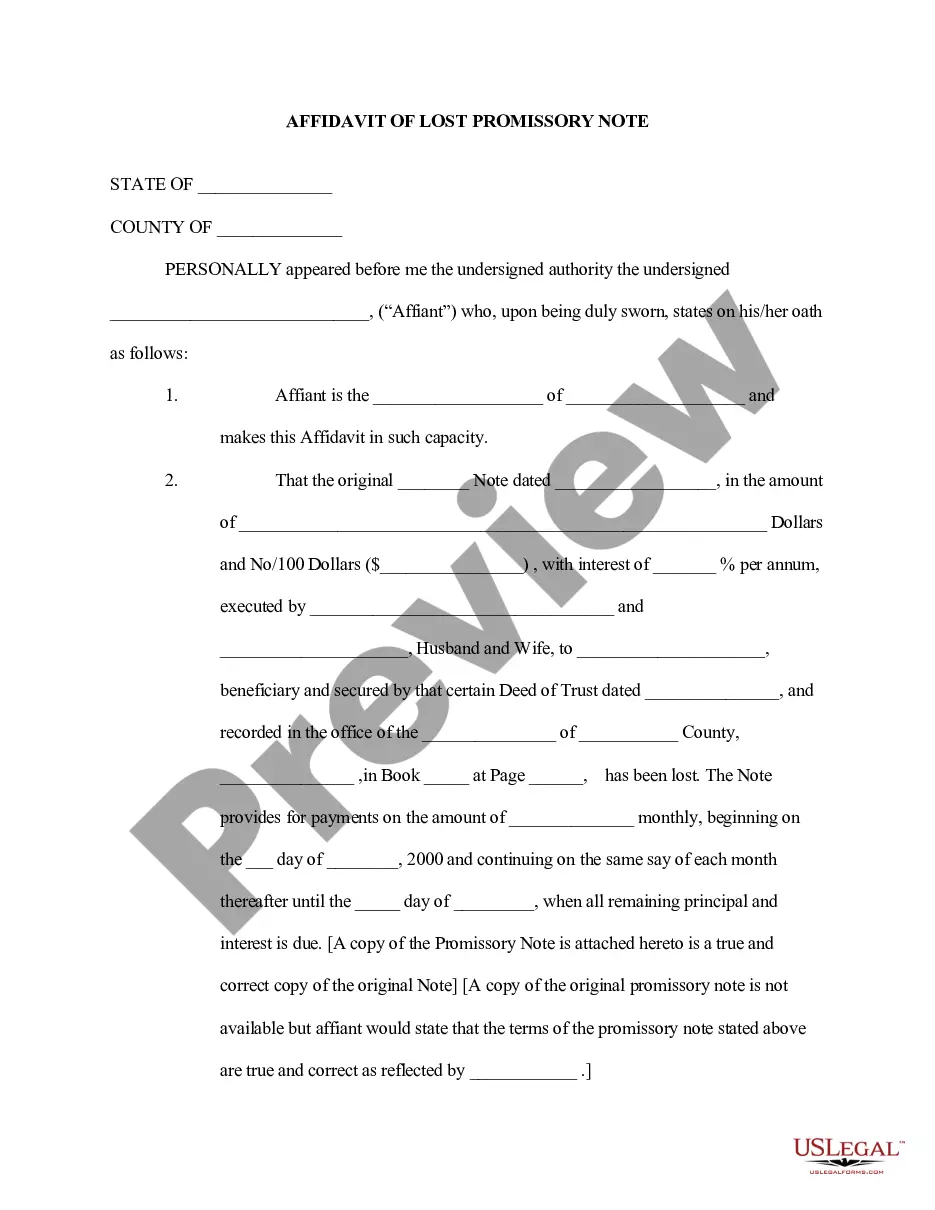
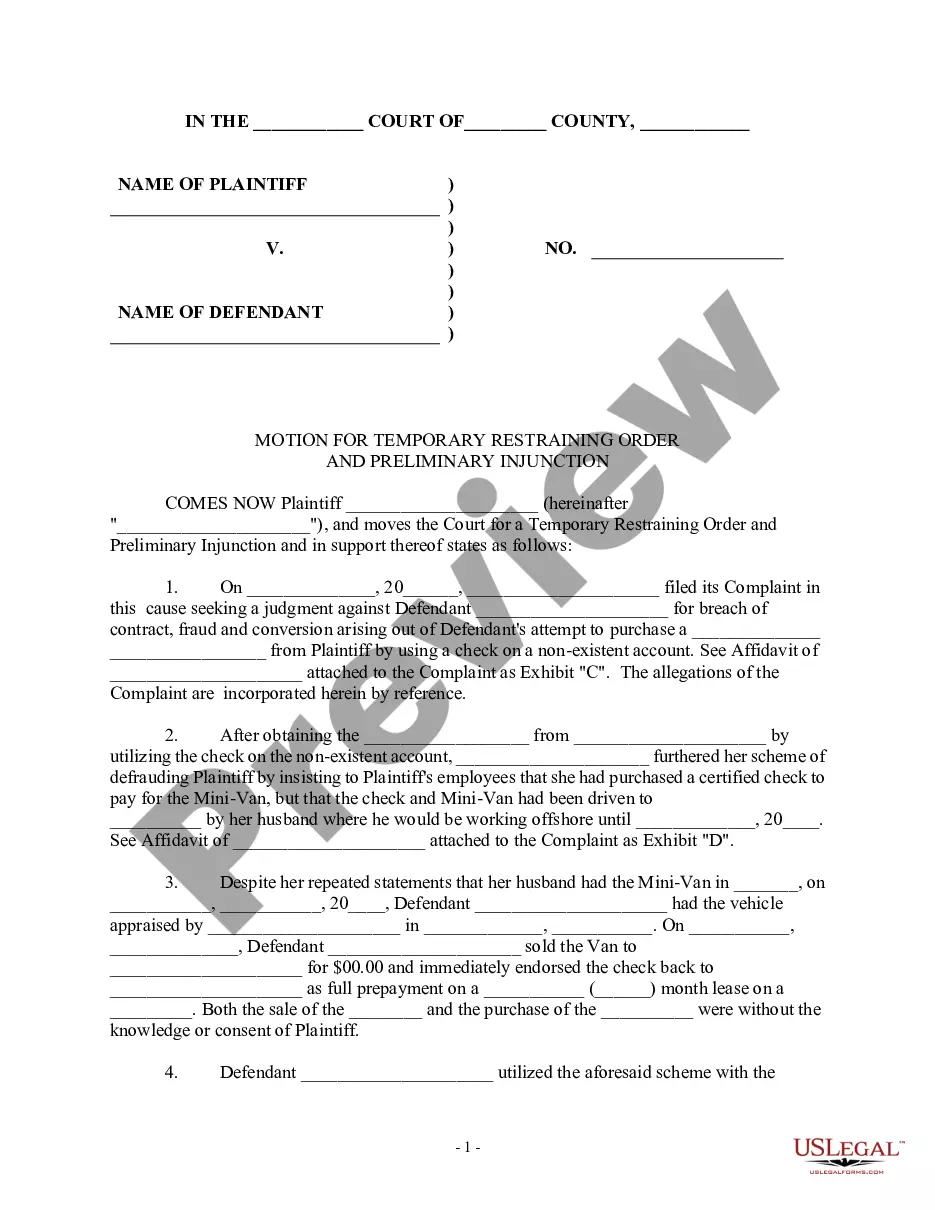
Sample Restraining Order Form For Medical Records In Illinois
Description
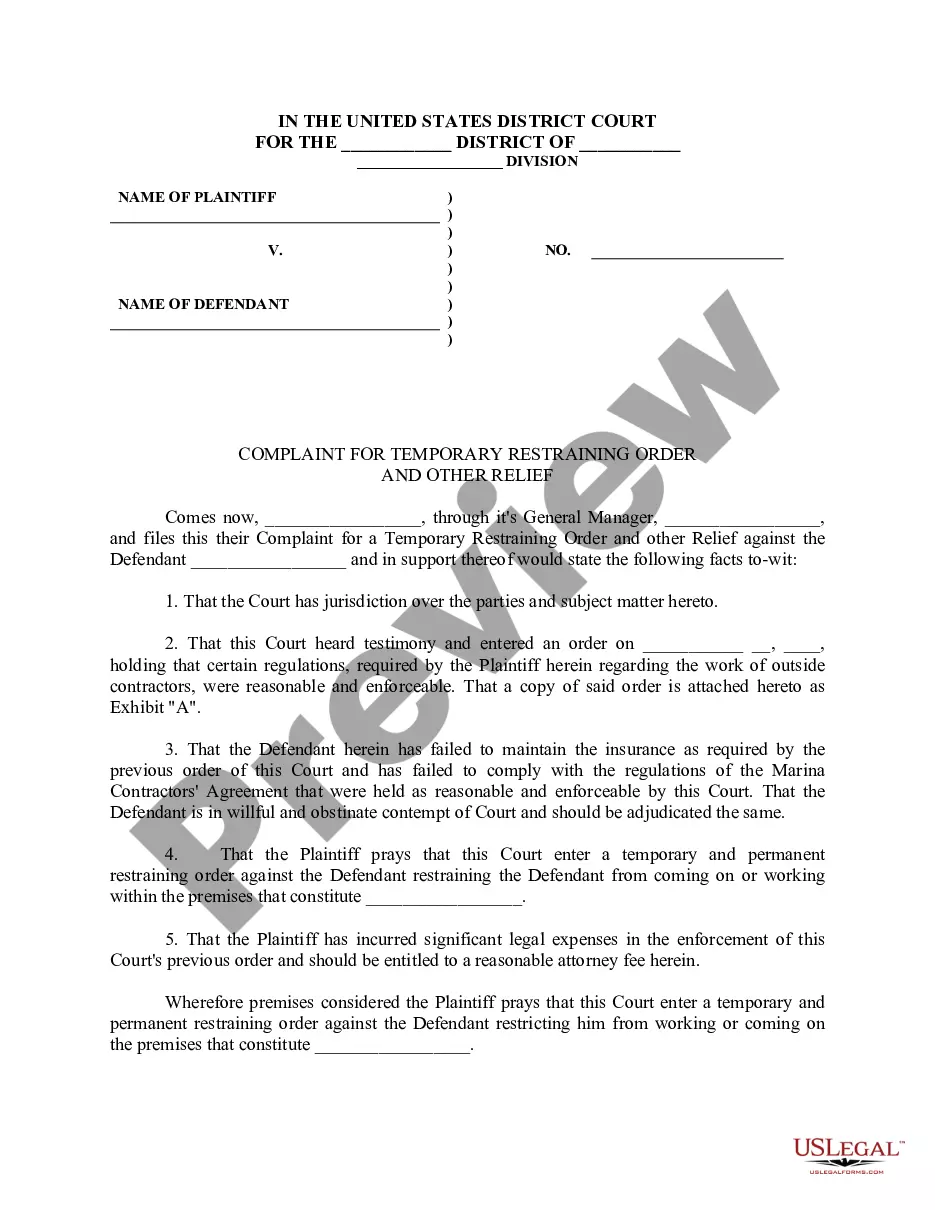


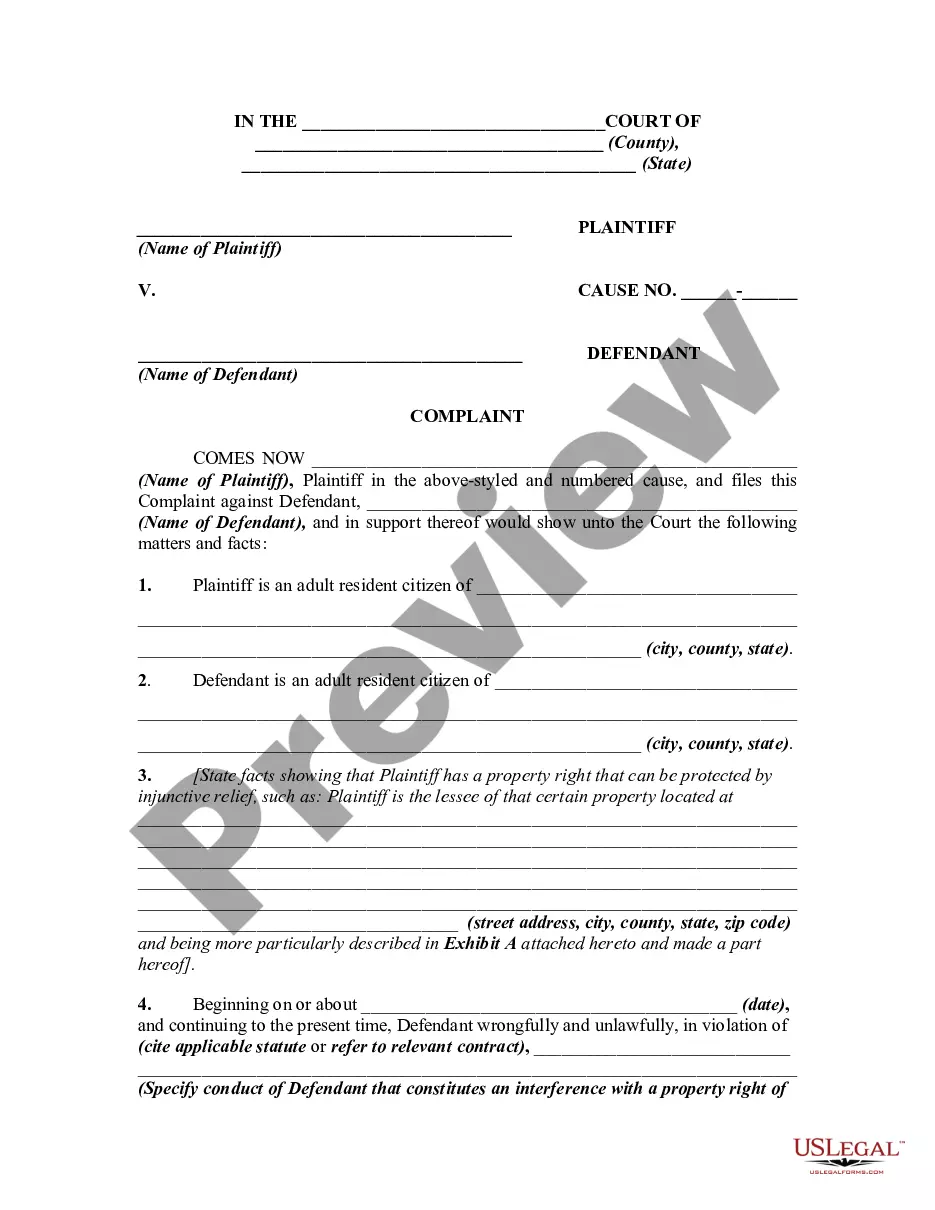
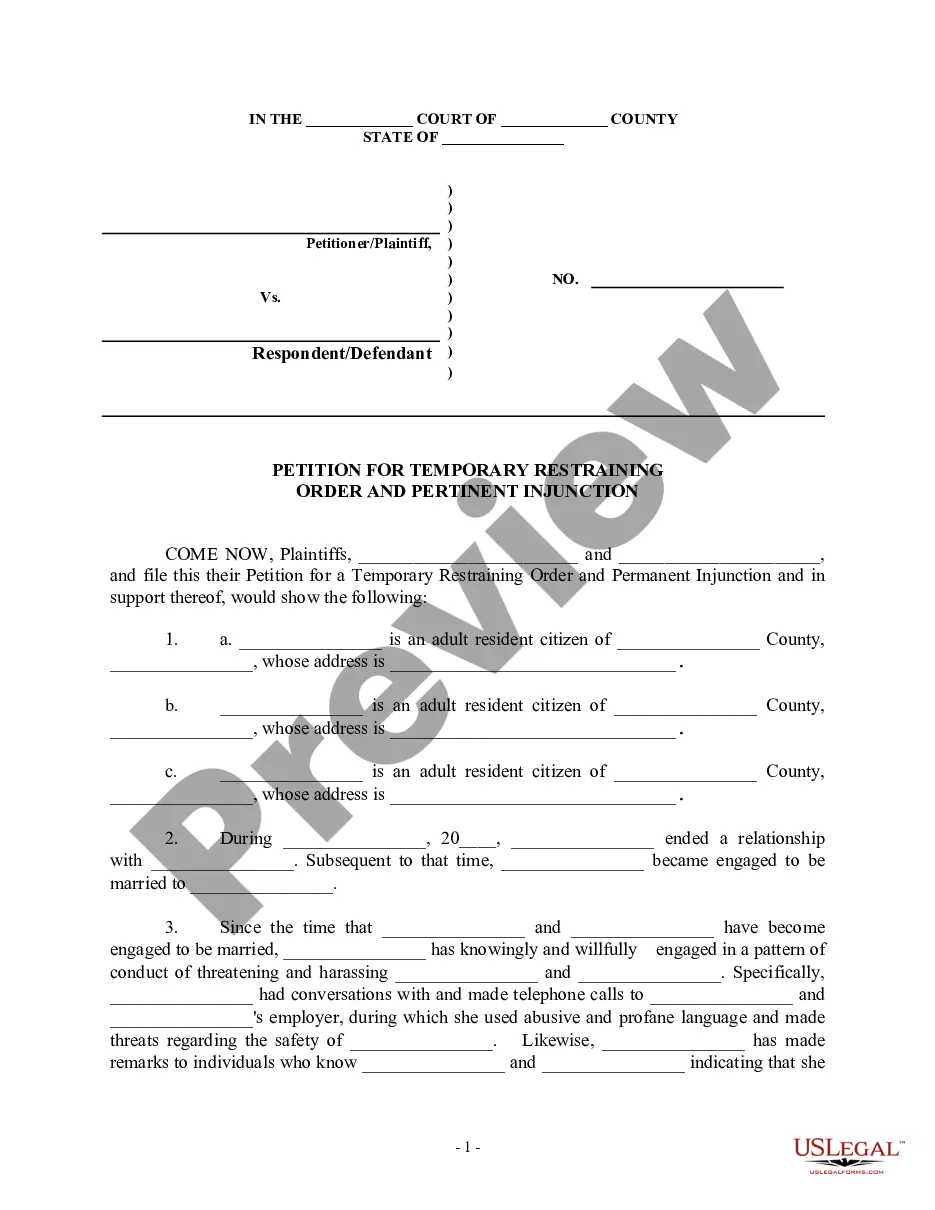

Get your form ready online
Our built-in tools help you complete, sign, share, and store your documents in one place.
Make edits, fill in missing information, and update formatting in US Legal Forms—just like you would in MS Word.
Download a copy, print it, send it by email, or mail it via USPS—whatever works best for your next step.
Sign and collect signatures with our SignNow integration. Send to multiple recipients, set reminders, and more. Go Premium to unlock E-Sign.
If this form requires notarization, complete it online through a secure video call—no need to meet a notary in person or wait for an appointment.
We protect your documents and personal data by following strict security and privacy standards.

Make edits, fill in missing information, and update formatting in US Legal Forms—just like you would in MS Word.

Download a copy, print it, send it by email, or mail it via USPS—whatever works best for your next step.

Sign and collect signatures with our SignNow integration. Send to multiple recipients, set reminders, and more. Go Premium to unlock E-Sign.

If this form requires notarization, complete it online through a secure video call—no need to meet a notary in person or wait for an appointment.

We protect your documents and personal data by following strict security and privacy standards.
Looking for another form?

Form popularity
FAQ
Order of Protection: A survivor of domestic violence, dating violence, or family violence can ask for this, which provides protection from the abuser. Civil No Contact Order: A survivor of , sexual assault, or sexual abuse can ask for this, which provides protection from the perpetrator.
An Order of Protection is a civil case, not a criminal matter; therefore, it will not go on the respondent's criminal record. Although the Order of Protection will not become part of the public record, law enforcement officers and the court clerk in your county can check to find out that it exists.
Harassment, intimidation, interference with personal liberty, each have their own definition. These are pretty specific instances described as harassment. Any testimony to an incidence such as these will be sufficient evidence for a finding of “harassment” thereby allowing the court to issue an order of protection.
They may now show up in simple background checks, and they can be found through the circuit court website. If an Order of Protection is violated, however, the occurrence will go on the respondent's criminal record as a felony, which will show on a background check.
The order of protection doesn't go on your criminal record; it's part of a civil case. However, it is visible to law enforcement and those working in the court system.
Lack of Jurisdiction The respondent can argue that the court does not have jurisdiction to issue a restraining order. This defense can be raised, for instance, if the alleged incidents of domestic violence or harassment did not occur within the jurisdiction of the court.
California law defines abuse as any act that puts you, your children, or another person in immediate fear of injury, as well as any act that causes harm to you or your property. If such harm exists, you can file a request for an order to keep the abuser away.