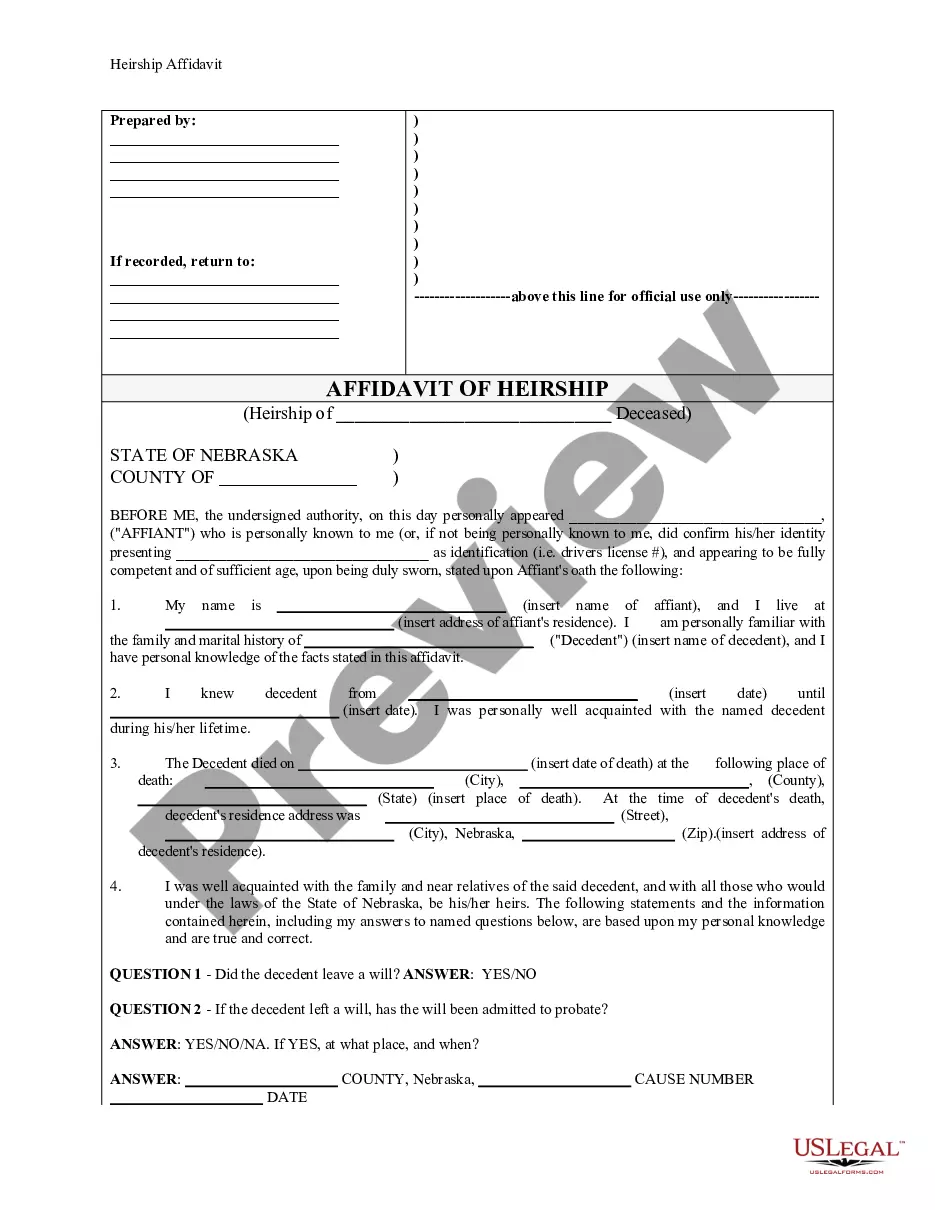
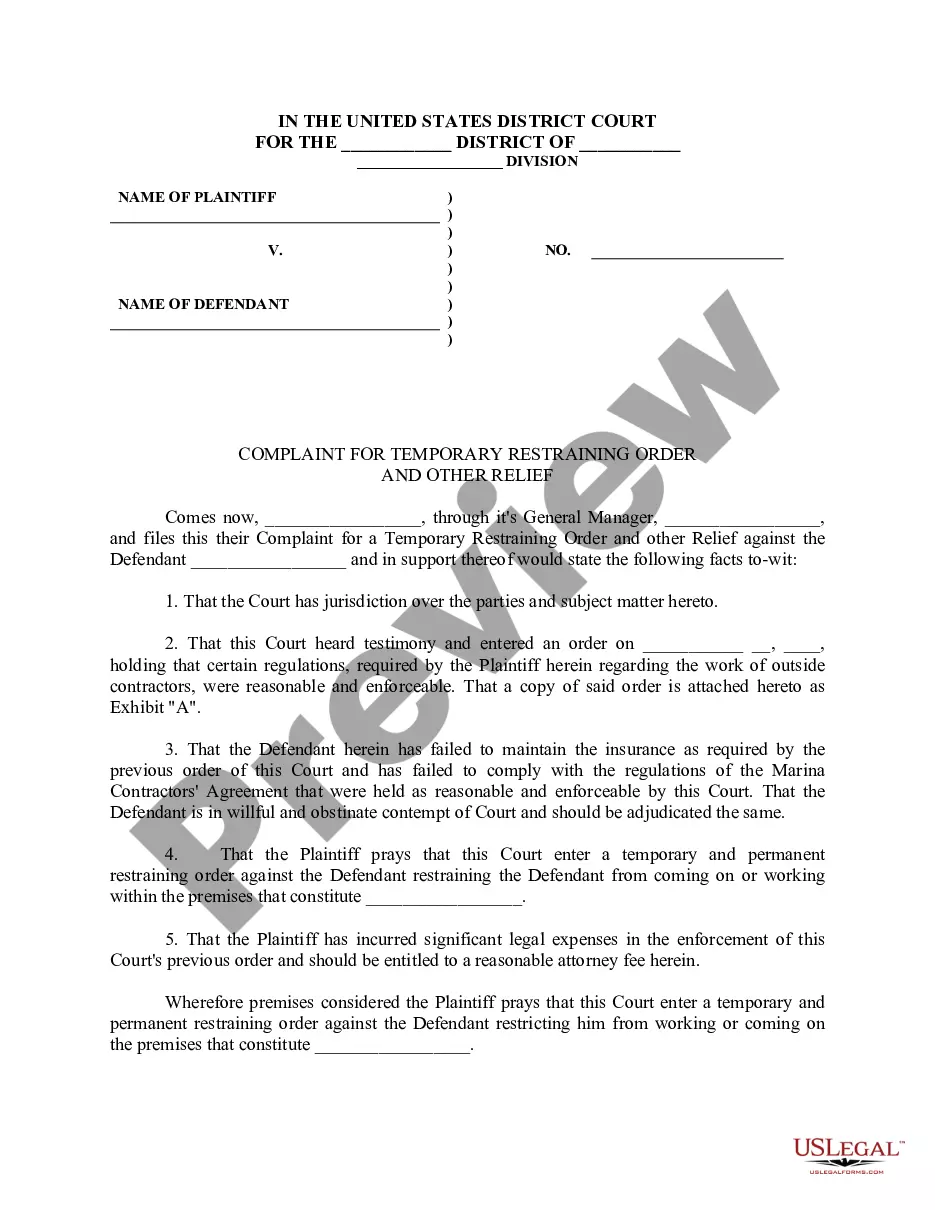
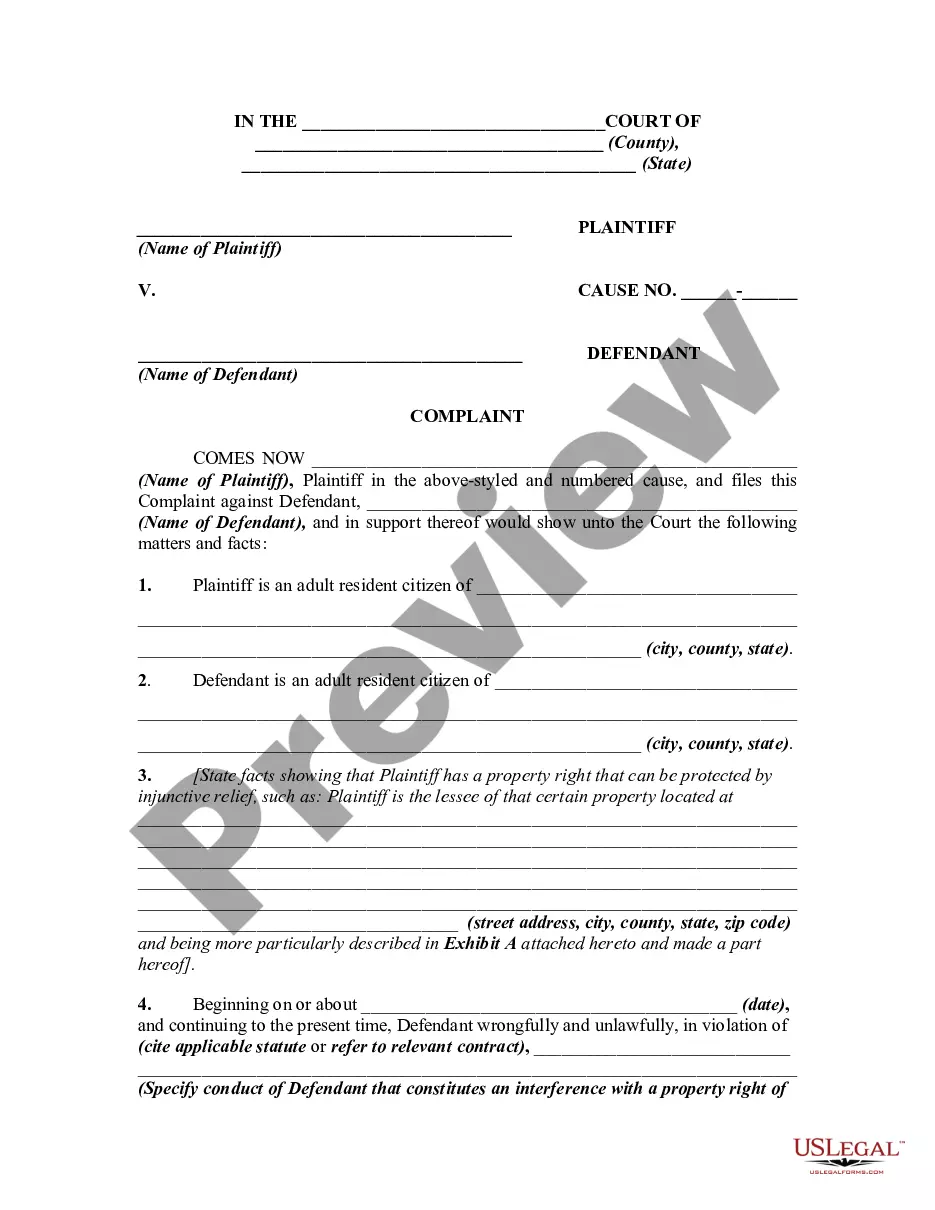
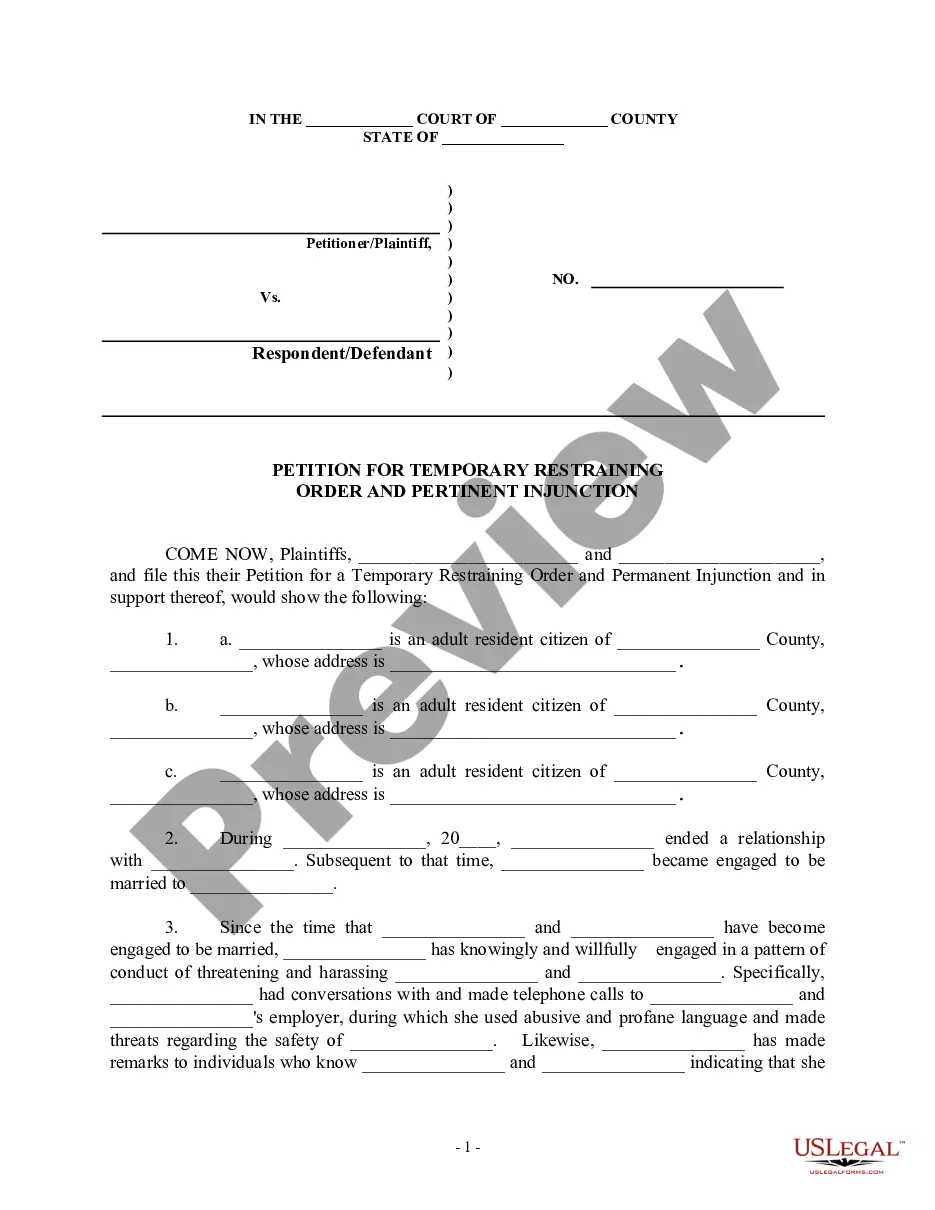
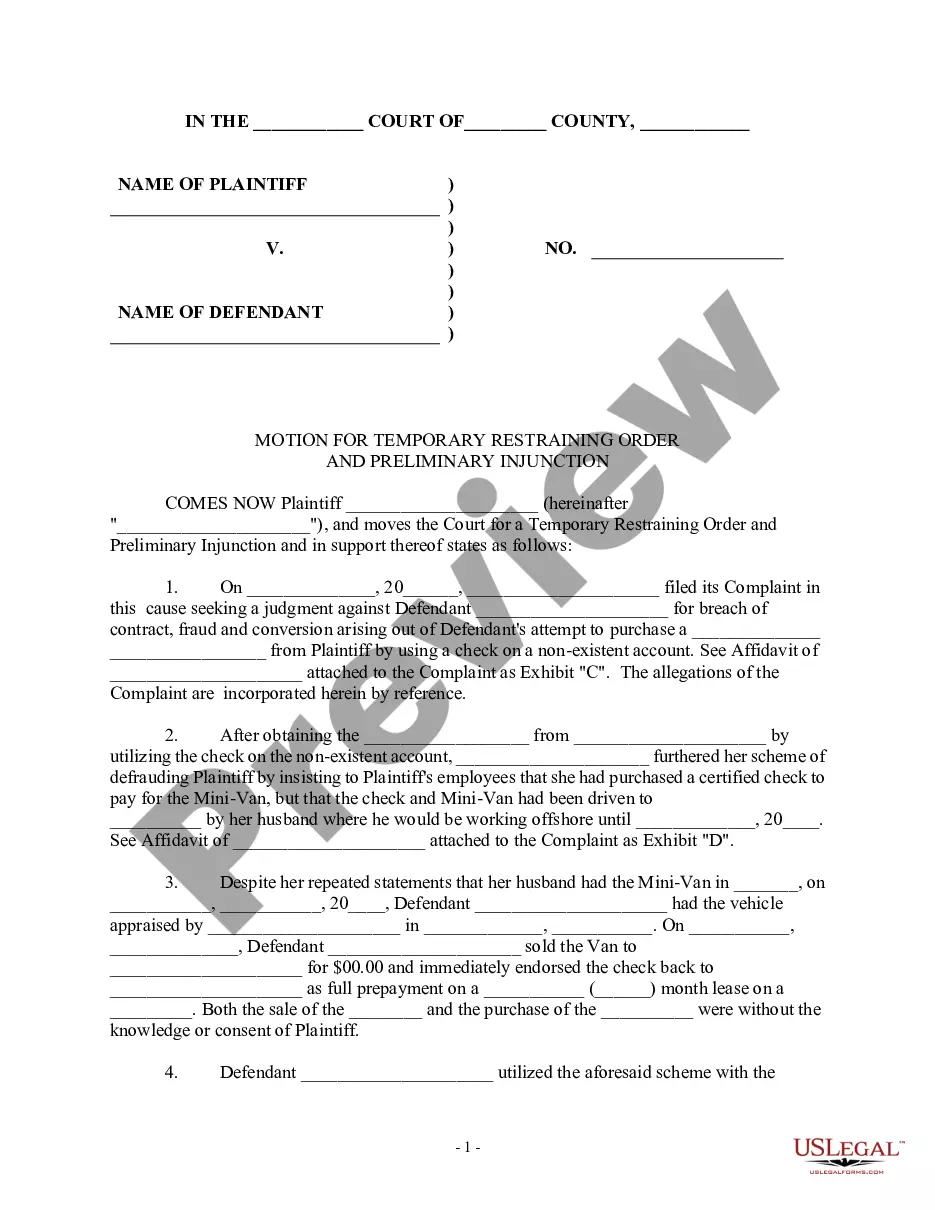
Sample Restraining Order Form With Court In Franklin
Description



Get your form ready online
Our built-in tools help you complete, sign, share, and store your documents in one place.
Make edits, fill in missing information, and update formatting in US Legal Forms—just like you would in MS Word.
Download a copy, print it, send it by email, or mail it via USPS—whatever works best for your next step.
Sign and collect signatures with our SignNow integration. Send to multiple recipients, set reminders, and more. Go Premium to unlock E-Sign.
If this form requires notarization, complete it online through a secure video call—no need to meet a notary in person or wait for an appointment.
We protect your documents and personal data by following strict security and privacy standards.

Make edits, fill in missing information, and update formatting in US Legal Forms—just like you would in MS Word.

Download a copy, print it, send it by email, or mail it via USPS—whatever works best for your next step.

Sign and collect signatures with our SignNow integration. Send to multiple recipients, set reminders, and more. Go Premium to unlock E-Sign.

If this form requires notarization, complete it online through a secure video call—no need to meet a notary in person or wait for an appointment.

We protect your documents and personal data by following strict security and privacy standards.
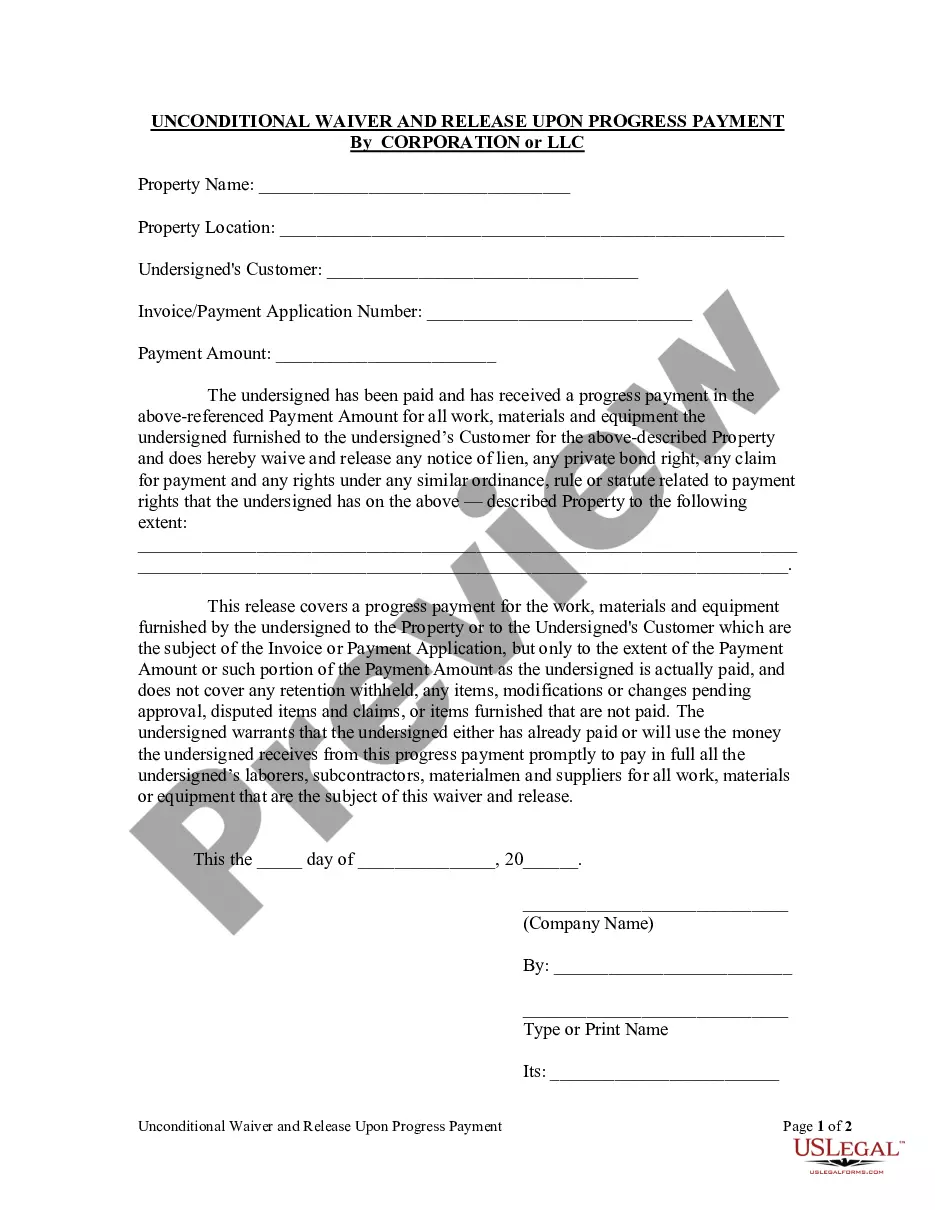
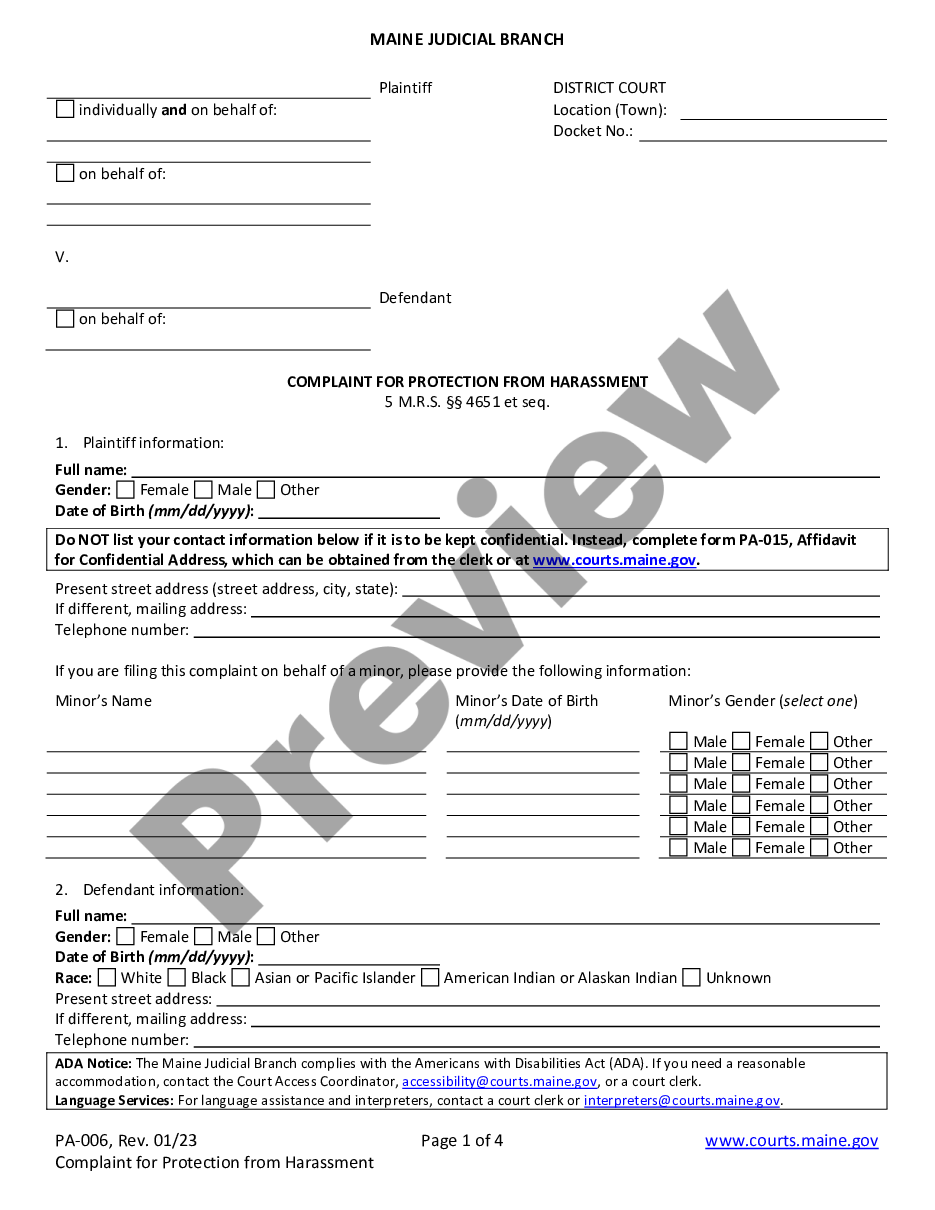
Looking for another form?





Form popularity
FAQ
After having a court hearing, a judge can grant you a “restraining order after hearing” that can last up to five years.
Domestic Violence Restraining Order (DVRO) A Domestic Violence Restraining Order is one of the most common types of restraining orders.
Domestic Violence Restraining Order (DVRO) A Domestic Violence Restraining Order is one of the most common types of restraining orders.
A stalking protection order can be used to protect anyone who's been a victim of stalking. The order can prohibit the stalker from doing certain things, including: going to locations where you live or visit often.
Go to court You will tell the judge why you need a restraining order. You can bring witnesses and evidence to support your case. The other side can bring witnesses and evidence, too.
Protective orders have a much narrower scope than their restraining order counterparts, and are only issued when there has been—or there is a threat of—domestic violence. Restraining orders, on the other hand, are much more generic, and can be applied to a wide variety of relationships and situational behavior.
In order to qualify for a temporary restraining order (TRO), you must include an affidavit with your petition that shows these three things: you suffered unlawful violence or a credible threat of violence carried out by the respondent; you or your employer will be harmed if the injunction is not granted; and.