Sample Restraining Order Form Forced Marriage In Collin
Description

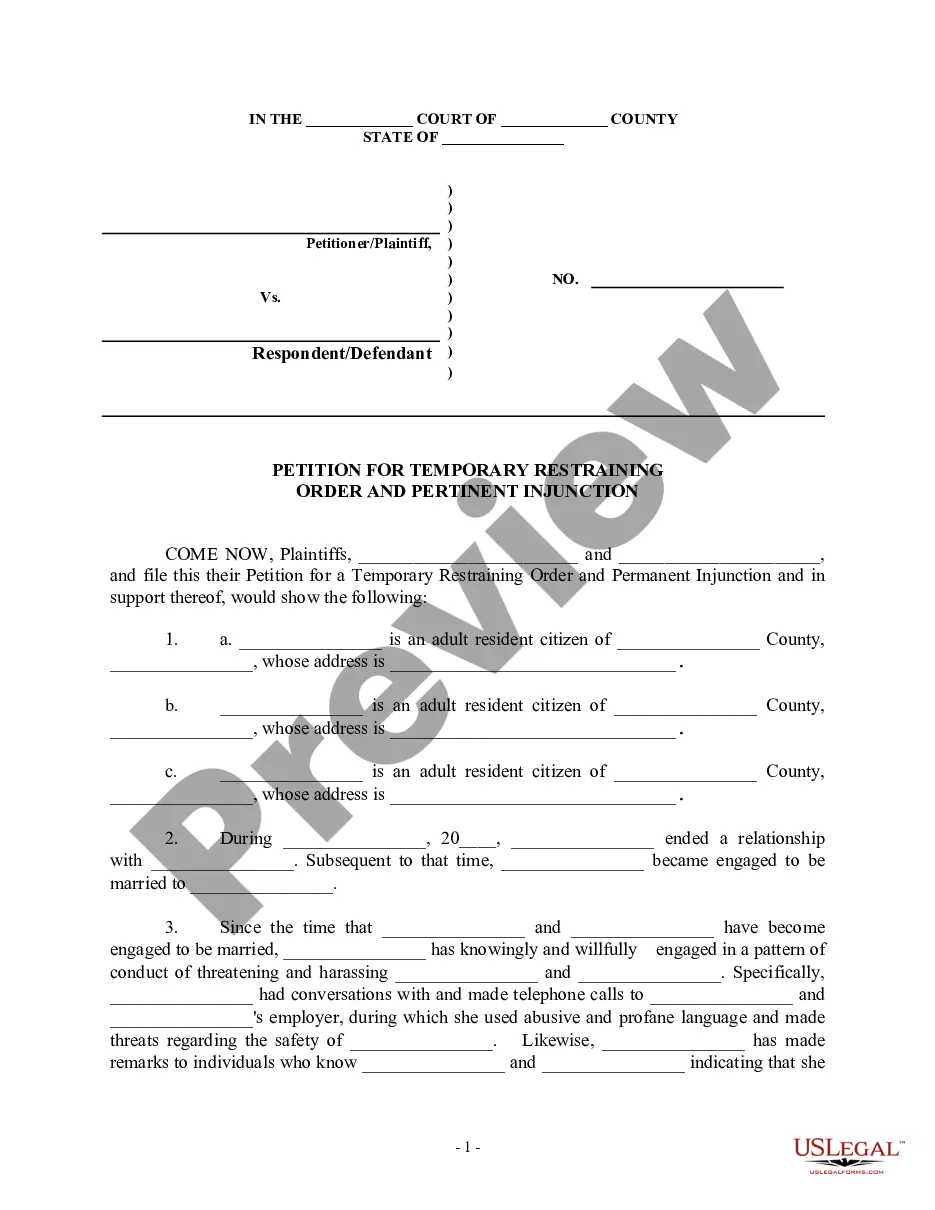

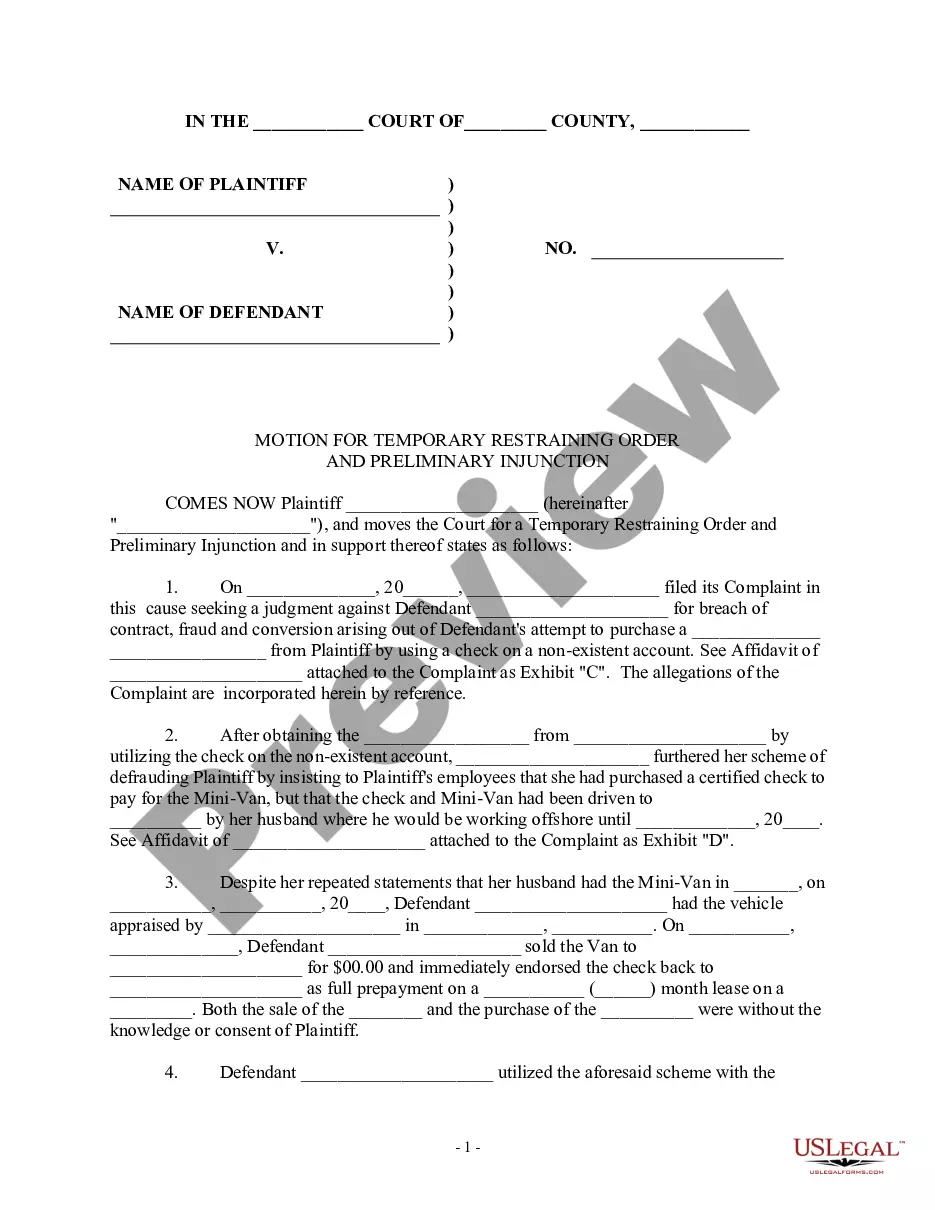
Get your form ready online
Our built-in tools help you complete, sign, share, and store your documents in one place.
Make edits, fill in missing information, and update formatting in US Legal Forms—just like you would in MS Word.
Download a copy, print it, send it by email, or mail it via USPS—whatever works best for your next step.
Sign and collect signatures with our SignNow integration. Send to multiple recipients, set reminders, and more. Go Premium to unlock E-Sign.
If this form requires notarization, complete it online through a secure video call—no need to meet a notary in person or wait for an appointment.
We protect your documents and personal data by following strict security and privacy standards.

Make edits, fill in missing information, and update formatting in US Legal Forms—just like you would in MS Word.

Download a copy, print it, send it by email, or mail it via USPS—whatever works best for your next step.

Sign and collect signatures with our SignNow integration. Send to multiple recipients, set reminders, and more. Go Premium to unlock E-Sign.

If this form requires notarization, complete it online through a secure video call—no need to meet a notary in person or wait for an appointment.

We protect your documents and personal data by following strict security and privacy standards.
Looking for another form?
Form popularity
FAQ
Unfortunately the no contact order would be valid in every state regardless of the state that issued it and getting married would be contempt of that order which could place you in jail.
Often, these two terms are used interchangeably, even though there are differences between them. In Texas, a restraining order is often linked to a civil case, whereas a protective order is usually associated with family violence.
The personal protection order (PPO) does not have any legal effect on the ability to marry, it does, however, probably prohibit contact between the parties, which would make the logistics of marriage difficult if not impossible.
Key Differences A Harassment Order addresses unwanted behavior that may not necessarily involve physical harm but still causes significant distress to the victim. In contrast, a Restraining Order is typically sought in cases involving a history of violence, physical threat, or other forms of serious harm.
One of the primary restrictions imposed by a restraining order in California is prohibiting any form of contact between the individual subject to the order and the protected person. Contact can include direct communication, such as: Phone calls. Text messages.
Using the facts of the incident only, keep your statement brief and to the point. Briefly describe the most recent incident of abuse and/or threats of abuse or other behaviors. Focus on the actual behavior. Do not include prior incidents, (that will be the next paragraph).
After the hearing, a judge can issue a protective order that lasts up to 18 months, and can later be renewed after a hearing in front of a judge. The parts of the protective order that tell the abuser to not abuse, harass, or interfere with you can last forever.
If the judge decides that there was abuse and that there is also a credible threat to the plaintiff's safety, a final order of protection will be granted and will last for up to one year. The plaintiff will be directed to go to the clerks counter to wait for the order.
Stick to the facts, and provide concrete reasons why the order should be modified or terminated. For example, if you and the other party have a child together, you could state that you need the no-contact order dropped so you can communicate regarding the child's needs and arrange for visitation.