Sample Restraining Order Form Forced Marriage In Clark
Description
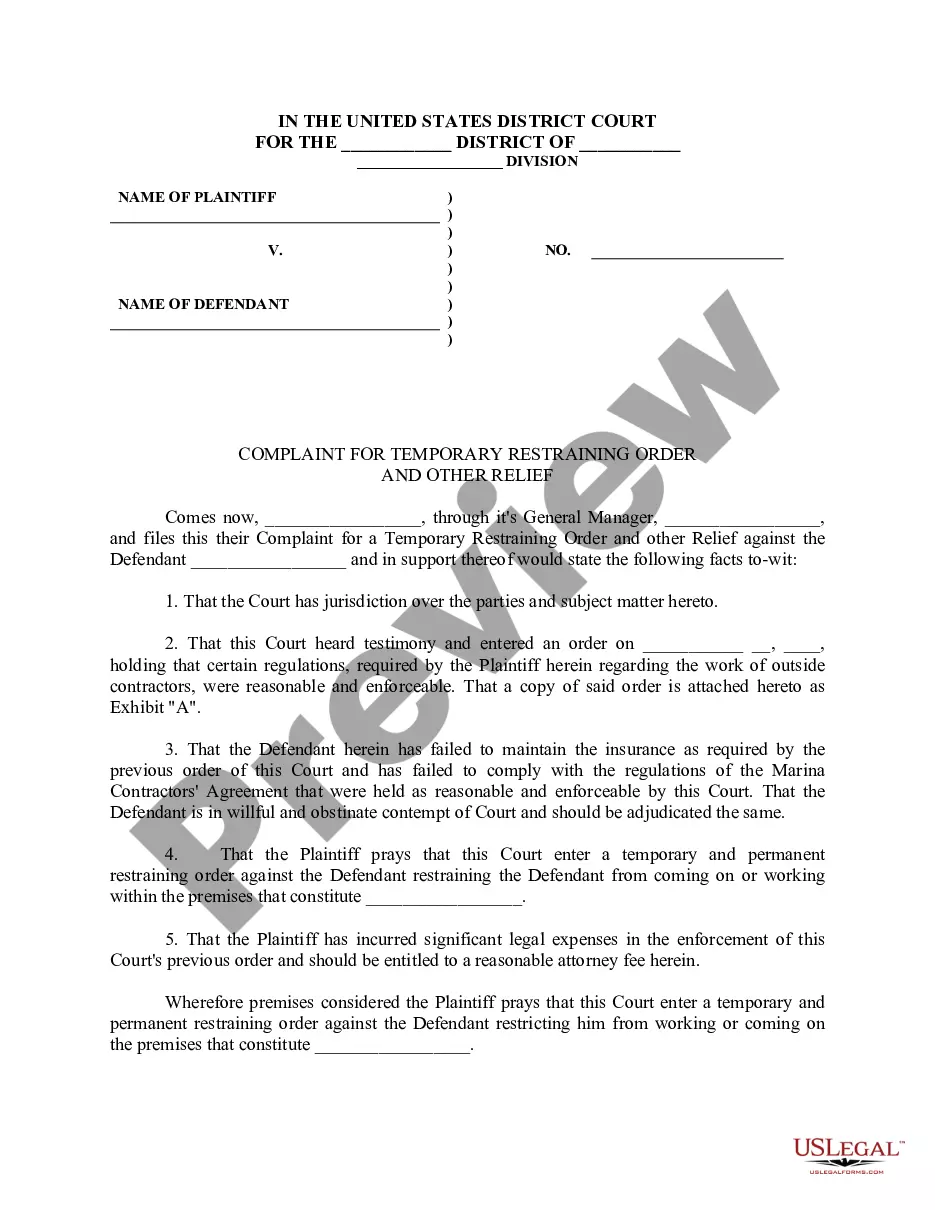


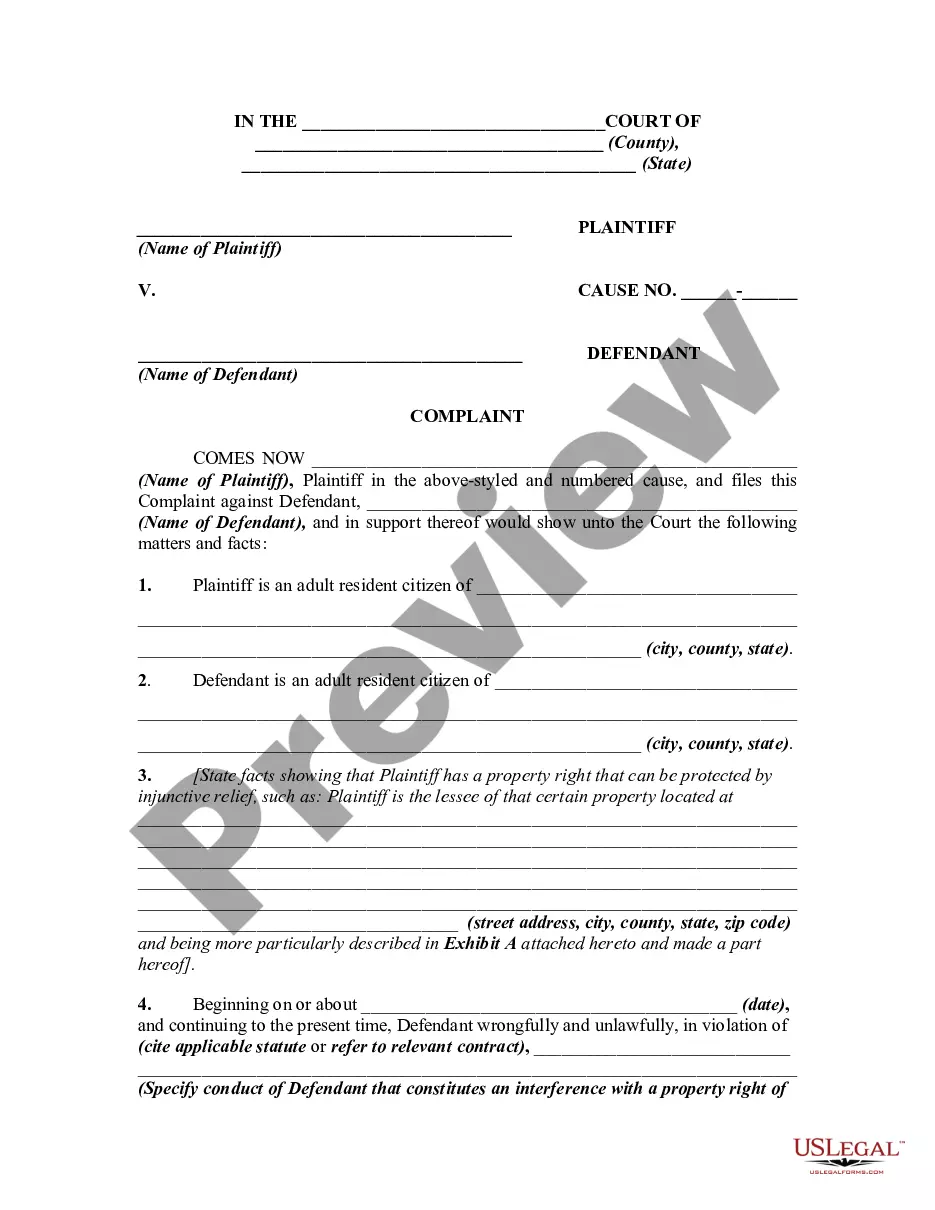
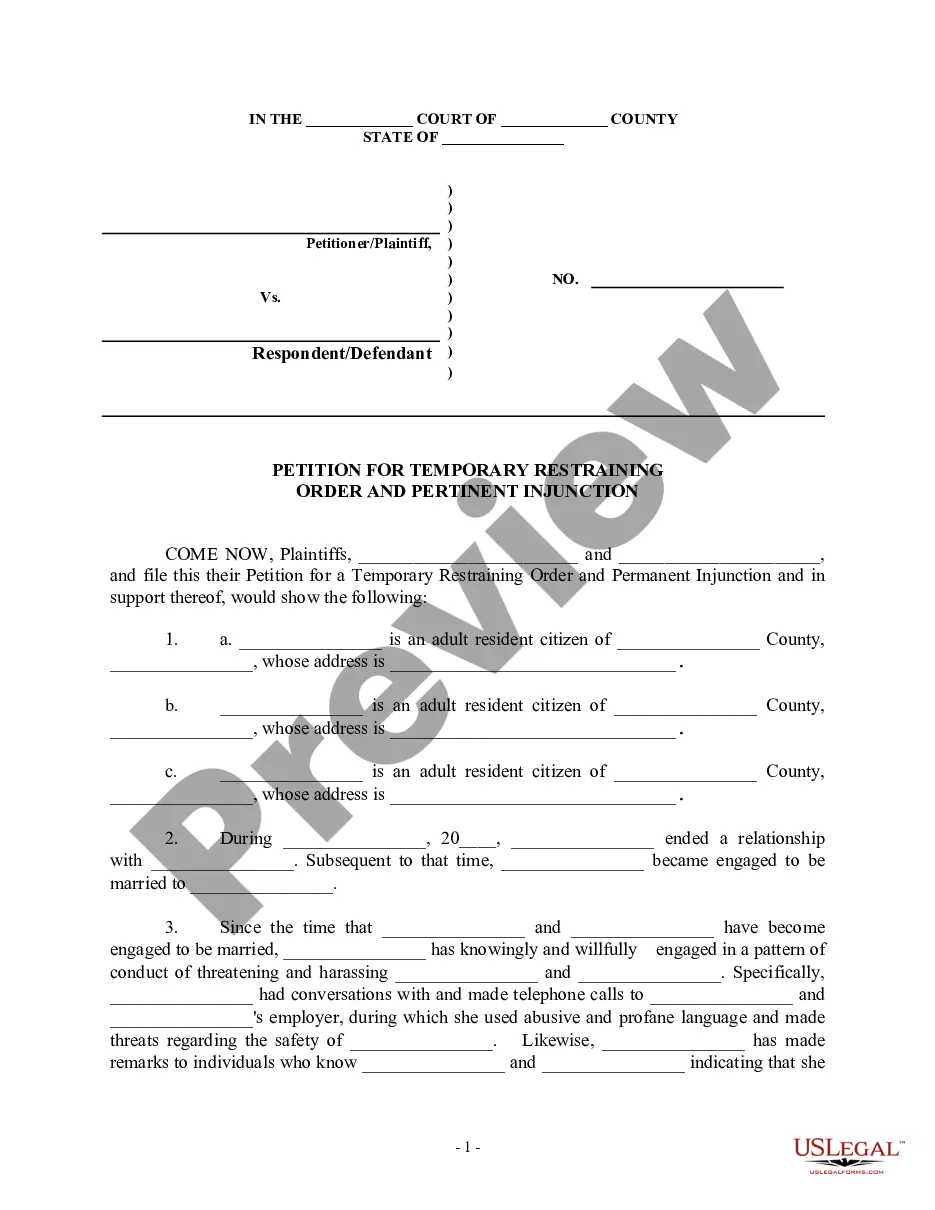

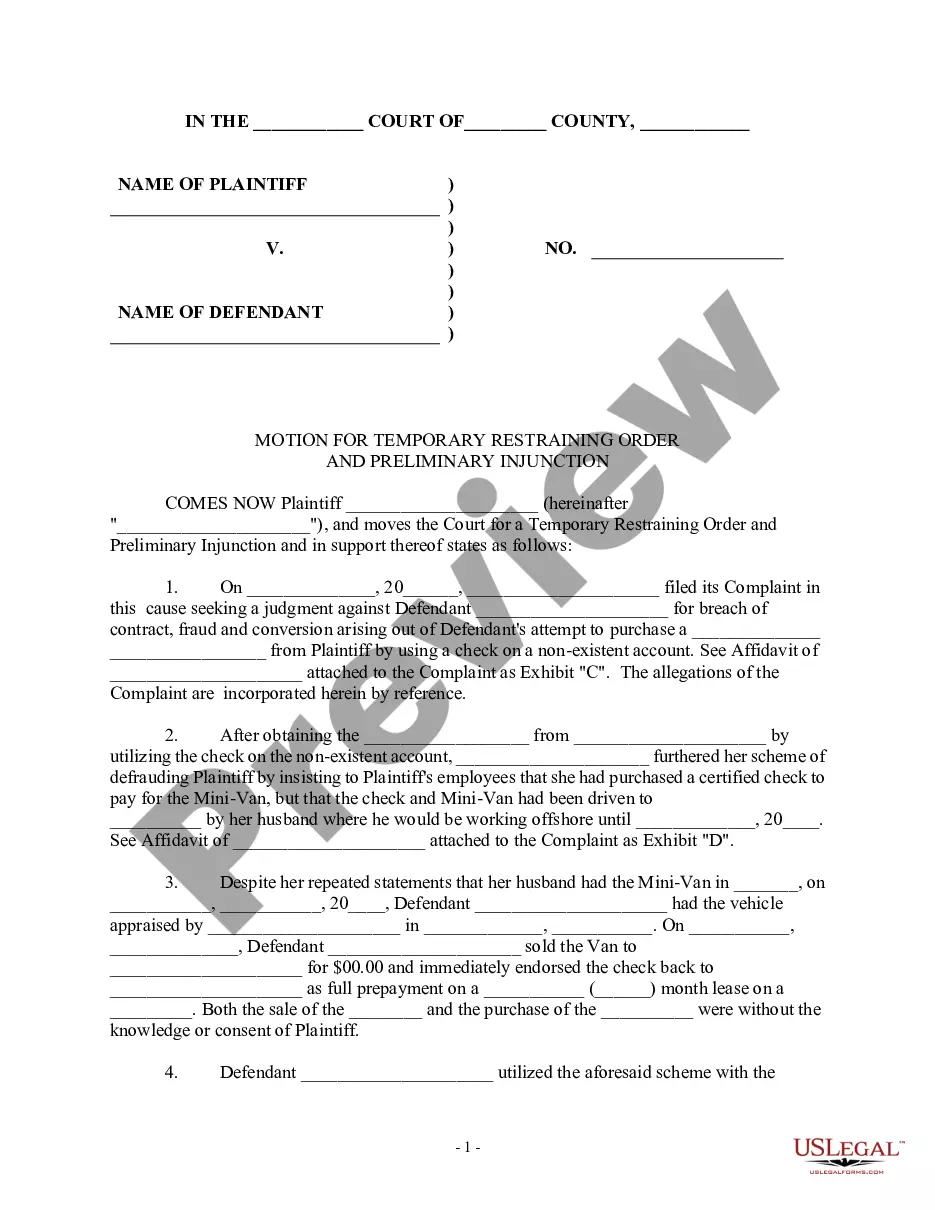
Get your form ready online
Our built-in tools help you complete, sign, share, and store your documents in one place.
Make edits, fill in missing information, and update formatting in US Legal Forms—just like you would in MS Word.
Download a copy, print it, send it by email, or mail it via USPS—whatever works best for your next step.
Sign and collect signatures with our SignNow integration. Send to multiple recipients, set reminders, and more. Go Premium to unlock E-Sign.
If this form requires notarization, complete it online through a secure video call—no need to meet a notary in person or wait for an appointment.
We protect your documents and personal data by following strict security and privacy standards.

Make edits, fill in missing information, and update formatting in US Legal Forms—just like you would in MS Word.

Download a copy, print it, send it by email, or mail it via USPS—whatever works best for your next step.

Sign and collect signatures with our SignNow integration. Send to multiple recipients, set reminders, and more. Go Premium to unlock E-Sign.

If this form requires notarization, complete it online through a secure video call—no need to meet a notary in person or wait for an appointment.

We protect your documents and personal data by following strict security and privacy standards.
Looking for another form?






Form popularity
FAQ
Modifying an order Speak with the clerk of court to complete a petition for a modification of your order - you can see the affidavit that you would file in family court on the NY Courts website.
Fill out all required forms Request for Civil Harassment Restraining Orders (form CH-100) Confidential CLETS Information (form CLETS-001) Notice of Court Hearing (form CH-109) Temporary Restraining Order (form CH-110) Civil Case Cover Sheet (form CM-010)
If the person who is protected by the Order wants it changed or dropped, then that request must be made to the Judge or the Assistant District Attorney. As long as the Order of Protection is in effect, any violation of it by the Defendant can result in arrest for Criminal Contempt.
The personal protection order (PPO) does not have any legal effect on the ability to marry, it does, however, probably prohibit contact between the parties, which would make the logistics of marriage difficult if not impossible.
A motion to “modify” (change) the protection order is typically filed when the adverse party believes that the protection order is too broad or that the protection order is too burdensome. After you file the motion, the court will decide whether to schedule a hearing.
A permanent order of protection is not really permanent. It typically is for one year, but sometimes expires after 5 years. If There Is an Order of Protection Against Me, Will I Have a Criminal Record? An order of protection alone will not cause you to have a criminal history.
Family Court Order of Protection The burden of proof required is lower, relying on the “preponderance of the evidence” standard. Your presence and active participation in court are necessary. While records are kept private, the courtrooms themselves are open to the public.
Prove workplace sexual harassment by documenting each incident with dates, times, locations, and detailed descriptions. Include relevant conversations, witness testimonies, and physical evidence like emails or voicemails. Report the harassment to your employer promptly and state that the behavior is unwelcome.
But the “clear and convincing evidence” standard of proof, the middle ground of certainty between the “beyond a reasonable doubt” standard and the “preponderance of the evidence” standard, applies in civil harassment restraining order applications.