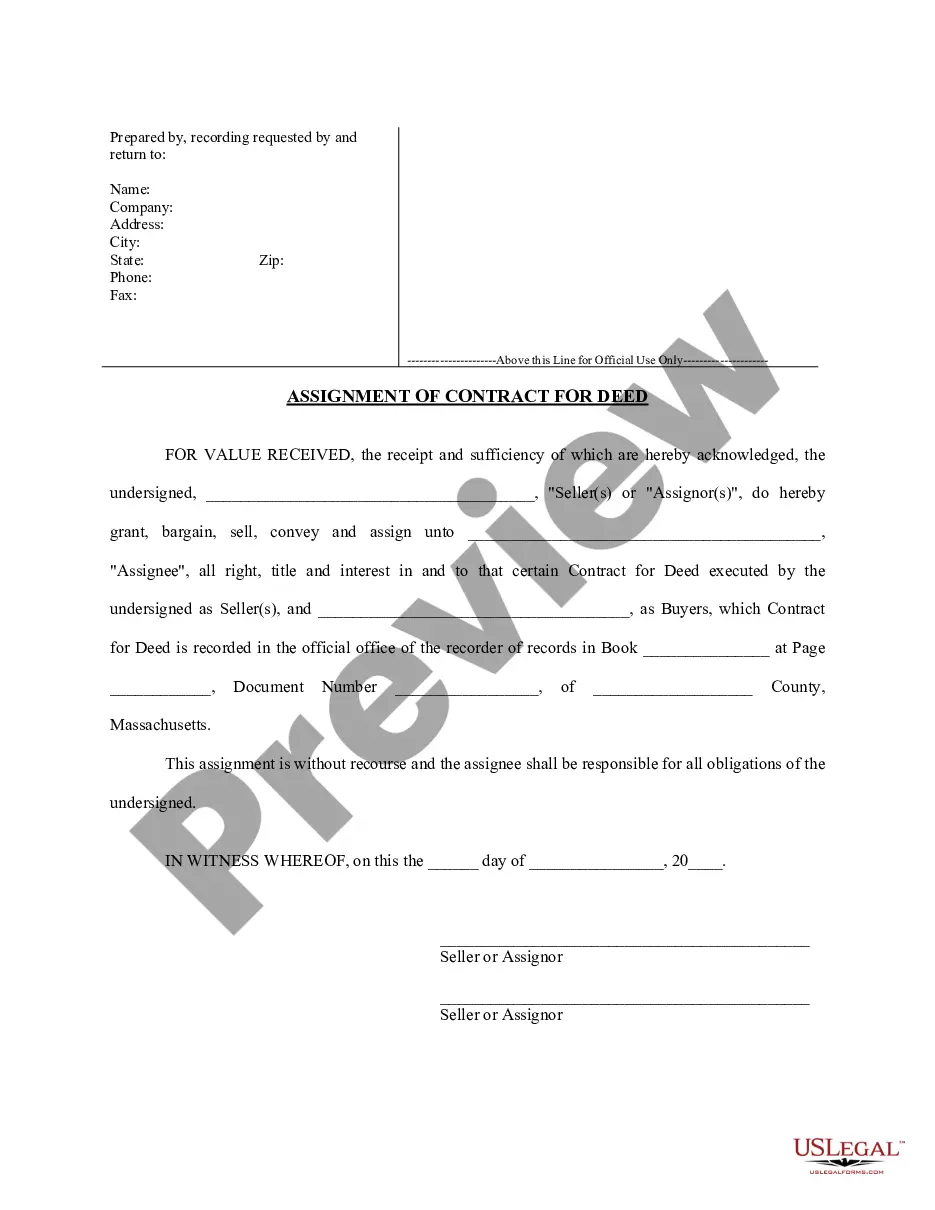
Sample Restraining Order Form With Google Docs In Arizona
Description



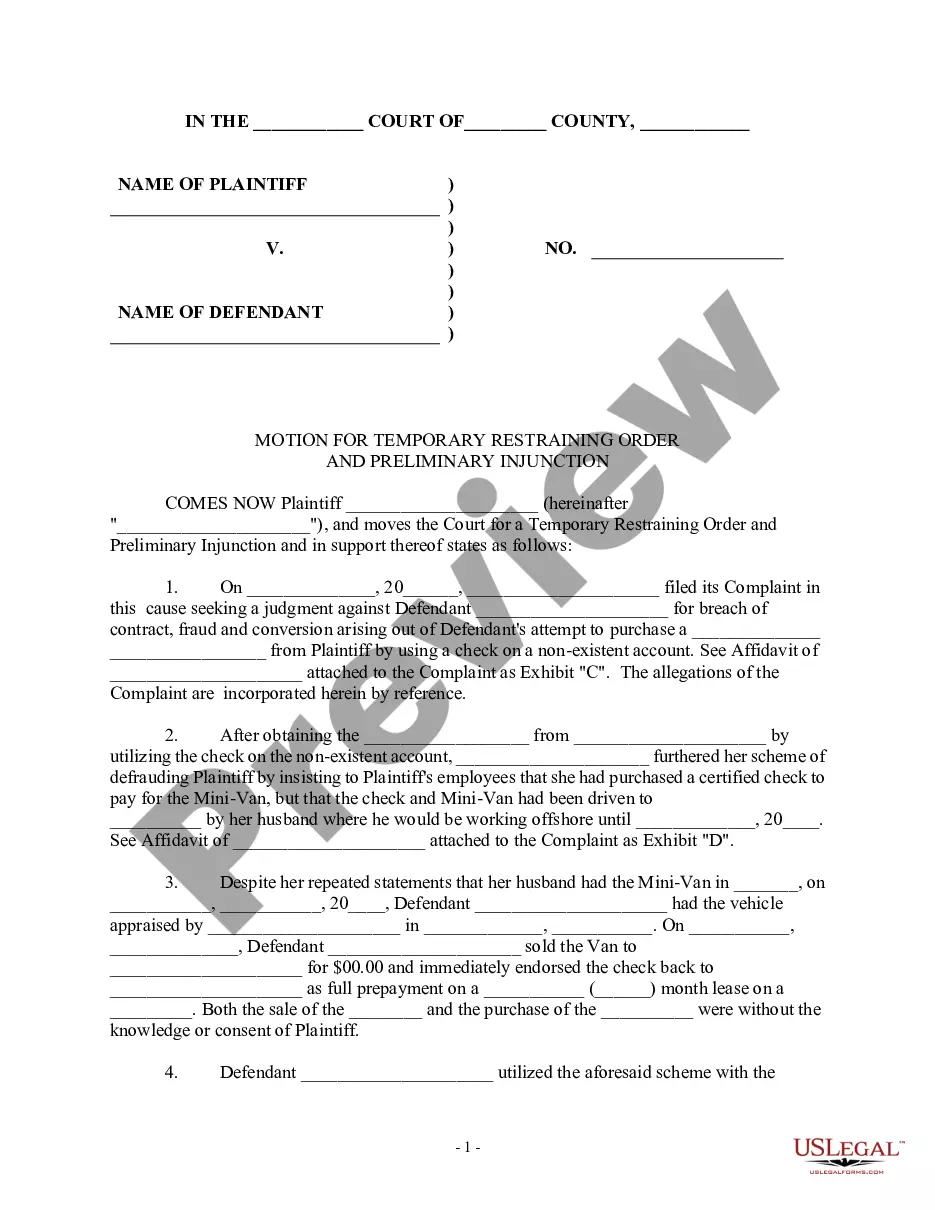
Get your form ready online
Our built-in tools help you complete, sign, share, and store your documents in one place.
Make edits, fill in missing information, and update formatting in US Legal Forms—just like you would in MS Word.
Download a copy, print it, send it by email, or mail it via USPS—whatever works best for your next step.
Sign and collect signatures with our SignNow integration. Send to multiple recipients, set reminders, and more. Go Premium to unlock E-Sign.
If this form requires notarization, complete it online through a secure video call—no need to meet a notary in person or wait for an appointment.
We protect your documents and personal data by following strict security and privacy standards.

Make edits, fill in missing information, and update formatting in US Legal Forms—just like you would in MS Word.

Download a copy, print it, send it by email, or mail it via USPS—whatever works best for your next step.

Sign and collect signatures with our SignNow integration. Send to multiple recipients, set reminders, and more. Go Premium to unlock E-Sign.

If this form requires notarization, complete it online through a secure video call—no need to meet a notary in person or wait for an appointment.

We protect your documents and personal data by following strict security and privacy standards.
Looking for another form?




Form popularity
FAQ
Restraining orders, known in Arizona as orders of protection or injunctions against harassment, are court-issued directives designed to protect individuals from abuse, harassment, or threats. While these orders are civil, not criminal, they will go on public record in Arizona.
What Are the Three Types of Protection? Emergency Protective Order. Preliminary Protective Order. Final Protective Order. Count on a Diligent Loudoun County Lawyer.
Go to court You will tell the judge why you need a restraining order. You can bring witnesses and evidence to support your case. The other side can bring witnesses and evidence, too.
You may know them as restraining orders if you come from other states, but in Arizona they are called Orders of Protection and Injunctions Against Harassment. They are orders from a Court prohibiting a person from having contact with another person, protected minors, being in certain places, and possessing firearms.
Restraining orders, known in Arizona as orders of protection or injunctions against harassment, are court-issued directives designed to protect individuals from abuse, harassment, or threats. While these orders are civil, not criminal, they will go on public record in Arizona.
Once you turn in your request, a judge will decide quickly whether to grant temporary protection. The whole process can take a few weeks to months, depending on how complicated your case is. If the judge grants you a long-term restraining order, it can last up to five years.
The petitioner must show that the respondent has committed or may commit an act of domestic violence, which includes but is not limited to: Physical assault or harm. Threats or intimidation. Harassment or stalking. Sexual assault or abuse. Kidnapping or unlawful imprisonment. Criminal damage or trespassing.
The standard test for the order can be sought is whether or not there is evidence of harassment or risk of violence (or further violence) against a victim. You can get a restraining order against someone if the person has: Abused (or threatened to abuse you) Sexually assaulted you.
Domestic Violence Restraining Order (DVRO) A Domestic Violence Restraining Order is one of the most common types of restraining orders.