Fraud With Business Partner In Washington
Description


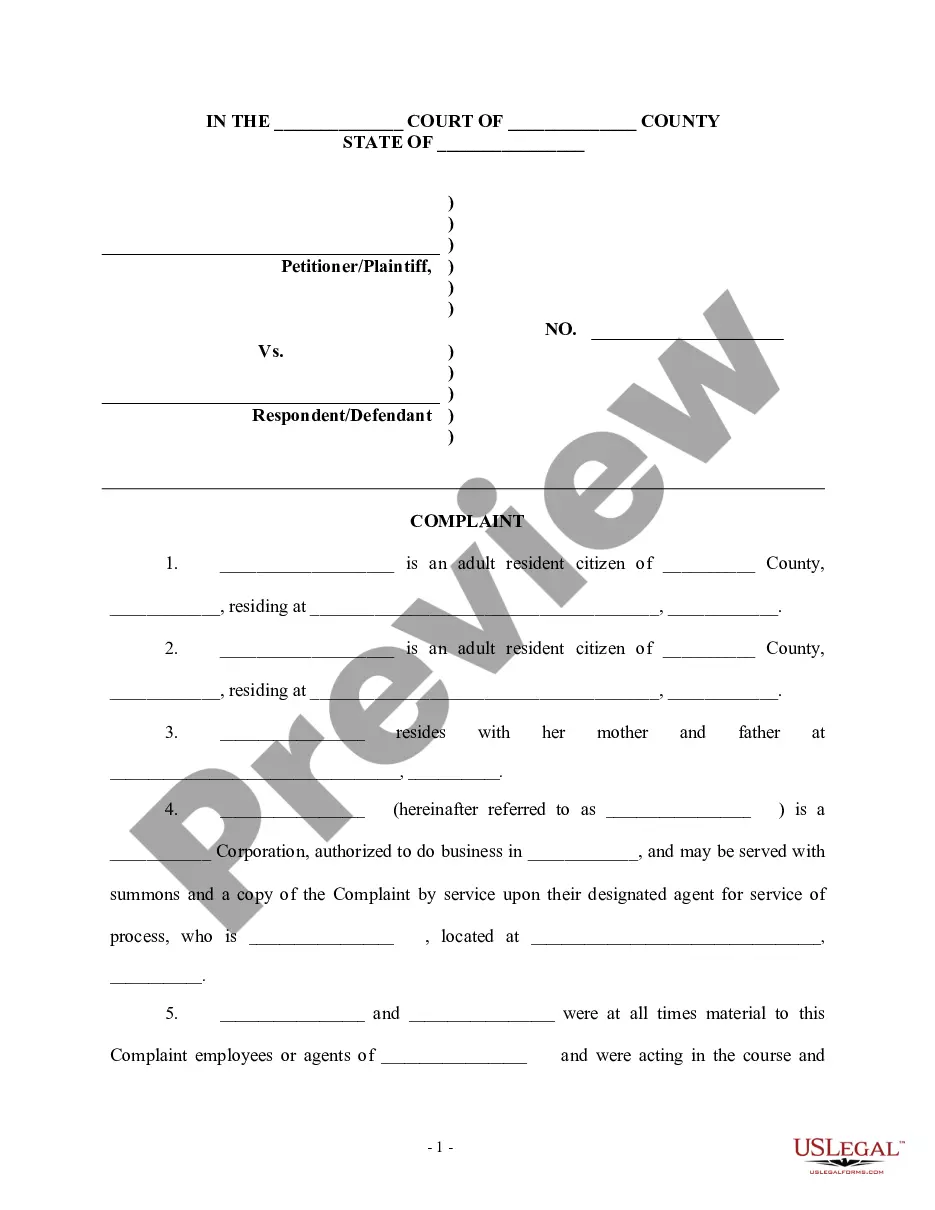

Get your form ready online
Our built-in tools help you complete, sign, share, and store your documents in one place.
Make edits, fill in missing information, and update formatting in US Legal Forms—just like you would in MS Word.
Download a copy, print it, send it by email, or mail it via USPS—whatever works best for your next step.
Sign and collect signatures with our SignNow integration. Send to multiple recipients, set reminders, and more. Go Premium to unlock E-Sign.
If this form requires notarization, complete it online through a secure video call—no need to meet a notary in person or wait for an appointment.
We protect your documents and personal data by following strict security and privacy standards.

Make edits, fill in missing information, and update formatting in US Legal Forms—just like you would in MS Word.

Download a copy, print it, send it by email, or mail it via USPS—whatever works best for your next step.

Sign and collect signatures with our SignNow integration. Send to multiple recipients, set reminders, and more. Go Premium to unlock E-Sign.

If this form requires notarization, complete it online through a secure video call—no need to meet a notary in person or wait for an appointment.

We protect your documents and personal data by following strict security and privacy standards.
Looking for another form?





Form popularity
FAQ
Federal Trade Commission (FTC) ReportFraud.ftc is the federal government's website where you can report fraud, scams, and bad business practices.
Fraud defined. (a) The individual has made a statement or provided information. (b) The statement was false. (c) The individual either knew the statement was false or did not know whether it was true or false when making it.
File your complaint online at for faster processing. The Washington State Office of the Attorney General can only process complaints that involve either Washington state residents or businesses located in Washington state.
There are three general steps to successfully and anonymously reporting tax fraud, this includes (1) hiring an attorney (2) gathering evidence, and (3) submitting a formal claim (IRS Form 211).
The Washington State Consumer Protection Act, also known as the Consumer Protection Act (CPA), is a state law that aims to protect consumers from unfair or deceptive business practices. The law gives the state Attorney General's office the authority to take legal action against businesses that engage in such practices.
In these cases, you could sue for breach of fiduciary duty and seek damages for the harm caused by your partner's actions. If successful in court, you may be entitled to various remedies, including: Granting access to the business or financial records. Forcing a buy-out of your share in the partnership.
If your business partner committed fraud, you may be entitled to take legal action and recover losses sustained as a result of the partner's actions. The first action that should be taken is to give notice that you are aware of what looks like fraud.
Stay Calm: Take a moment to process your feelings. Reacting impulsively might escalate the situation. Assess the Lie: Consider the context and the nature of the lie. Communicate Openly: Approach him in a non-confrontational way. Listen to His Side: Give him a chance to explain.
Assess the Situation: - Gather evidence of the dishonesty. Document specific instances where you believe your partner has lied or misrepresented information. Communicate Directly: - Schedule a private meeting to discuss your concerns. Listen: - Give your partner a chance to explain their side. Evaluate the
If you have evidence that your partner is dishonest, do not sit back and do nothing about it. Depending on the nature and severity of the fraud, you may consider the following options: Buy them out. Reduce their power and carry on with the partnership.