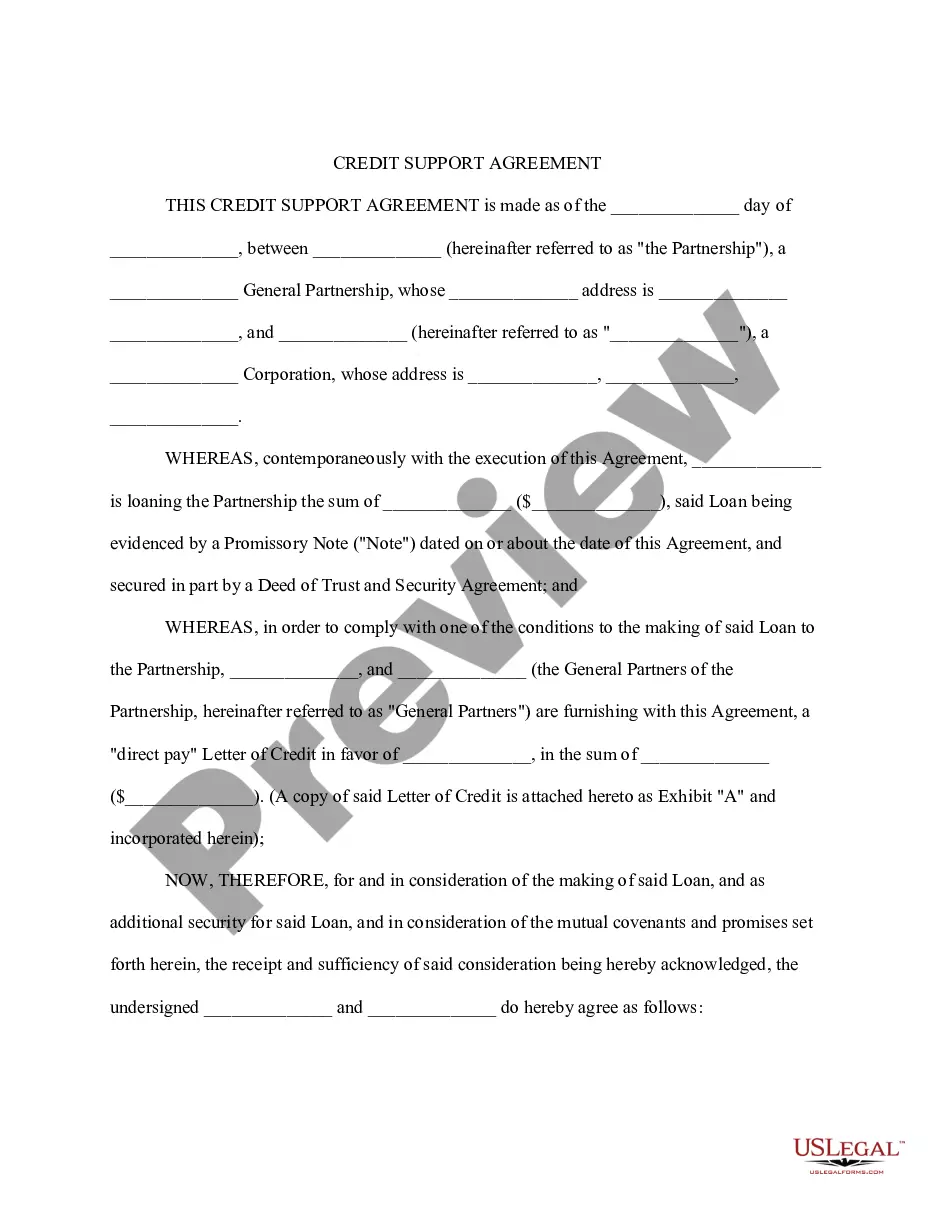
Deceptive Trade For Mack In Texas
Description




Get your form ready online
Our built-in tools help you complete, sign, share, and store your documents in one place.
Make edits, fill in missing information, and update formatting in US Legal Forms—just like you would in MS Word.
Download a copy, print it, send it by email, or mail it via USPS—whatever works best for your next step.
Sign and collect signatures with our SignNow integration. Send to multiple recipients, set reminders, and more. Go Premium to unlock E-Sign.
If this form requires notarization, complete it online through a secure video call—no need to meet a notary in person or wait for an appointment.
We protect your documents and personal data by following strict security and privacy standards.

Make edits, fill in missing information, and update formatting in US Legal Forms—just like you would in MS Word.

Download a copy, print it, send it by email, or mail it via USPS—whatever works best for your next step.

Sign and collect signatures with our SignNow integration. Send to multiple recipients, set reminders, and more. Go Premium to unlock E-Sign.

If this form requires notarization, complete it online through a secure video call—no need to meet a notary in person or wait for an appointment.

We protect your documents and personal data by following strict security and privacy standards.
Looking for another form?









Form popularity
FAQ
A breach of the warranty can be asserted in an action for violations of the DTPA, but it also can be asserted in a common-law action. A corollary to La Sara's pronouncement that warranty claims must be established independently of the DTPA is that defenses to these warranties also will be brought into the DTPA.
Explanation: The most likely action to be a violation of the Texas Deceptive Trade Practices-Consumer Protection Act would be misleading advertising. This act prohibits false, misleading, or deceptive acts or practices in connection with the sale of goods or services.
Elements of a DTPA Claim Generally, to prevail on a DTPA claim, plaintiffs must establish three elements: The plaintiff is a consumer; The defendant engaged in false, misleading, or deceptive acts; and. The acts were a producing cause of the consumer's damages.
Steps to Filing a DTPA Claim The process begins with providing a written notice to the offending business at least 60 days before filing a lawsuit, detailing the complaint and specifying the alleged violations of 17.46(b) of the Texas Business and Commerce Act.
What is required for a real estate agent to be subject to the DTPA? The answer is that the agent made an express misrepresentation that is not advice or opinion. The answer is suffered damages. A misrepresentation claim cannot be made unless the plaintiff has been damaged.
The DTPA provides that "false, misleading, or deceptive acts or practices in the conduct of any trade or commerce are hereby declared unlawful." The DTPA prohibits certain acts or practices "in the conduct of any trade or commerce." This is a very broad provision.
In order to sue under the DTPA, several elements must be met. The elements of a DTPA action include that the plaintiff must be a consumer, the defendant must have committed one of the proscribed acts under the DTPA, and the defendant's actions must have been the producing cause of the plaintiff's harm.
Implied warranty coverage can last as long as four years, although the length of the coverage varies from state to state. In Texas, consumers have two years to enforce a breach of warranty from the time of the breach. Texas Business and Commerce Code 17.565.
Final answer: Under the DTPA, a breach of warranty example includes providing defective goods that don't match the warranty's terms. Sellers offer warranties to fix or replace goods or provide service contracts to ensure repairs for a set period.